
Faith
Pakistan Province Passes Strong Anti-Child Marriage Law

Faith Facts
- The Balochistan assembly passed a law setting 18 as the minimum legal age for marriage, introducing strict penalties for child marriages.
- All child marriages are now illegal in Balochistan, with tough consequences for offenders and authorities who facilitate or ignore such unions.
- Christian leaders hope this move will inspire similar protections across Pakistan, especially for minority and vulnerable girls at risk of forced marriage and faith conversion.
In a decisive effort to defend the dignity and safety of children, Balochistan’s assembly enacted the Child Marriage Prohibition Bill, setting 18 as the legal age for marriage. Firm penalties await those who force or facilitate child marriages, affirming the province’s commitment to uphold the sanctity of childhood and family values.
Civic and Christian leaders see this as a vital shield for young girls, especially those susceptible to abduction and forced faith conversions. The law’s impact could resonate beyond Balochistan, encouraging other provinces to adopt similar measures and promoting justice rooted in Biblical principles and moral responsibility.
“The legislation is critical to protect minor Christian girls from the scourge of forced faith conversions as the perpetrators misuse religion to abduct and marry underage girls,” Augustine told Christian Daily International-Morning Star News.
People of faith celebrate this advancement, praying that justice prevails across Pakistan and that the innocent are defended in accordance with righteous standards. Join us in advocating for the protection of children everywhere, upholding God’s design for life, family, and liberty.


Faith Facts
- French Senate rejected an assisted dying bill that would have criminalized those who counsel patients against euthanasia with prison time and heavy fines
- Christian groups are urging France’s National Assembly to uphold the Senate’s rejection when the bill returns for another vote
- The legislation alarmed pro-life advocates for its unprecedented provisions targeting those who influence patients to choose life
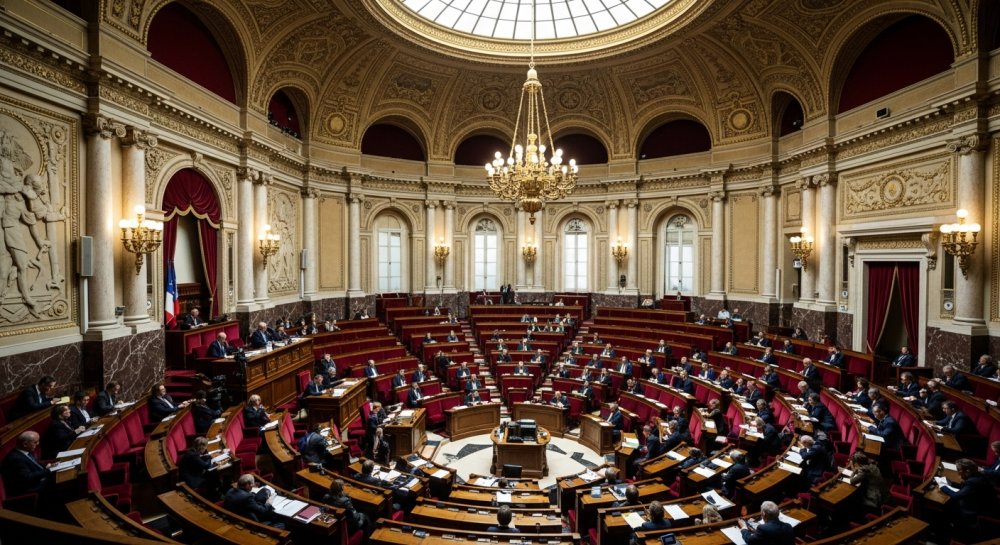
The French Senate delivered a significant victory for religious freedom and pro-life values this week, voting down a radical assisted dying bill that would have transformed the nation’s approach to end-of-life care. The legislation contained alarming provisions that shocked Christian leaders and pro-life advocates across the country.
What made this bill particularly troubling was its criminal penalties targeting anyone who might counsel a patient away from choosing death. Under the proposed law, individuals—including pastors, counselors, and family members—could face prison sentences and substantial fines simply for encouraging someone to choose life over euthanasia.
The vote took place Monday, May 11, marking a critical moment in France’s ongoing debate over assisted dying. Christian organizations had mobilized significant opposition to the bill, warning that it represented not just an expansion of euthanasia but an attack on the fundamental right to advocate for life.
Pro-life groups across France are not resting on this victory. They recognize that the legislative battle is far from over, as the bill will now return to the National Assembly for another reading. Christian leaders are actively encouraging lawmakers in the lower house to stand firm against the measure and uphold the Senate’s decision.
The proposed legislation reflects a broader cultural shift in Europe regarding end-of-life issues, but the criminal provisions targeting life counseling set it apart from other assisted dying laws. Critics argue that such penalties would have had a chilling effect on pastoral care, family discussions, and medical consultations where the sanctity of life is affirmed.
French Christians view the Senate’s rejection as a testament to the ongoing influence of traditional values in public policy debates. The vote demonstrates that elected officials remain responsive to concerns about religious freedom and the protection of vulnerable populations who might be pressured toward euthanasia.
As the bill moves forward to the National Assembly, faith communities are preparing for continued advocacy. They emphasize that caring for the dying should focus on comprehensive palliative care and emotional support, not facilitating death—and certainly not criminalizing those who offer hope and alternatives.
The coming weeks will prove decisive as France grapples with fundamental questions about human dignity, religious liberty, and the proper role of government in matters of life and death. Christian groups remain vigilant and committed to protecting both the sanctity of life and the freedom to advocate for it.
Let us know what you think, please share your thoughts in the comments below.
Faith Facts
- Leading US pastor Robert Jeffress publicly praised Donald Trump’s biblical knowledge, sparking widespread debate about faith and leadership
- The discussion highlights ongoing tensions between different Christian traditions and their approaches to Scripture
- Faith leaders continue to discuss the proper role of biblical literacy in American political leadership
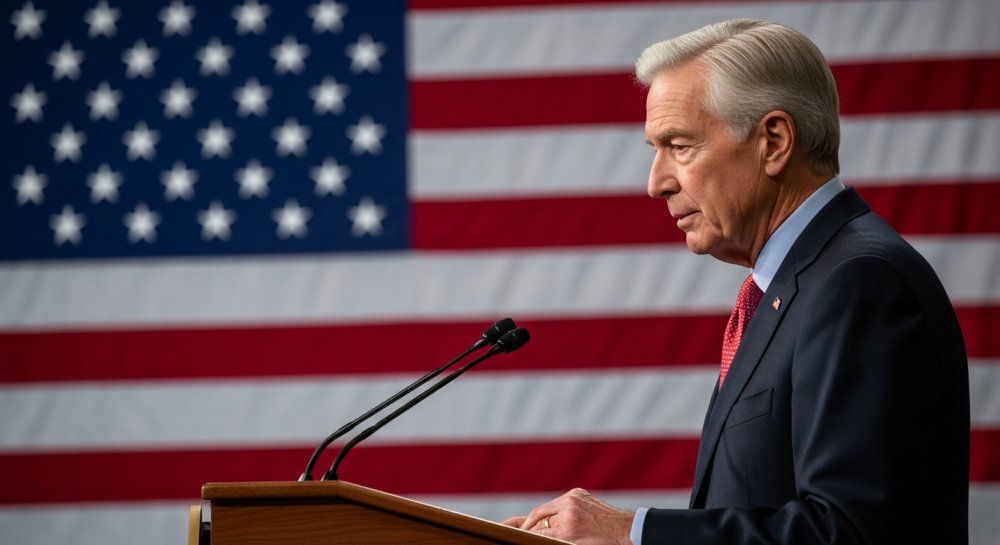
A recent statement from prominent televangelist Robert Jeffress has ignited a spirited conversation about biblical knowledge, leadership, and the intersection of faith and politics in America. Pastor Jeffress, a well-known evangelical voice and longtime supporter of conservative values, made headlines with his assessment of former President Donald Trump’s understanding of Scripture.
The conversation touches on deeper questions that matter to Christians across the country: What does biblical literacy truly mean? How should we evaluate spiritual understanding in our leaders? And what role should faith play in public discourse?
These questions are hardly new to the American experience. From the founding fathers who grounded our nation’s principles in biblical wisdom to the prayer breakfasts and faith-based initiatives that have marked presidencies across generations, the relationship between Scripture and governance has always been part of our national fabric.
For many Christian conservatives, the emphasis on biblical values in leadership isn’t about theological perfection—it’s about a leader’s willingness to defend religious freedom, protect the sanctity of life, and uphold the traditional values that have sustained our republic. Trump’s administration championed these causes, from appointing conservative judges to defending the rights of Christians to live out their faith publicly.
The debate also reflects the diversity within American Christianity itself. Different traditions approach Scripture with varying emphases—some prioritize scholarly interpretation, others emphasize personal relationship with God through His Word. What unites faithful believers is the recognition that the Bible remains the foundation of our faith and the wellspring of timeless truth.
What matters most to Christian Americans isn’t comparative rankings of biblical knowledge among leaders, but rather a commitment to governing according to principles that honor God and protect the freedoms that allow faith to flourish. Actions speak louder than academic debates—policies that defend religious liberty, support families, and preserve the dignity of human life demonstrate a practical application of biblical values.
As Americans of faith continue to engage in the public square, these conversations remind us that our first allegiance is always to Scripture itself, not to any earthly authority. We can appreciate leaders who champion our values while maintaining our commitment to the Word of God as our ultimate standard.
Let us know what you think, please share your thoughts in the comments below.
Faith Facts
- The son of a Cuban pastor has been detained for months by communist authorities in Cuba, facing an uncertain future as persecution of Christians continues on the island.
- The pastor’s family has been repeatedly targeted by Cuban government officials for their Christian ministry and advocacy work.
- Religious freedom advocates are calling for international attention to the escalating crackdown on Christian believers in Cuba.
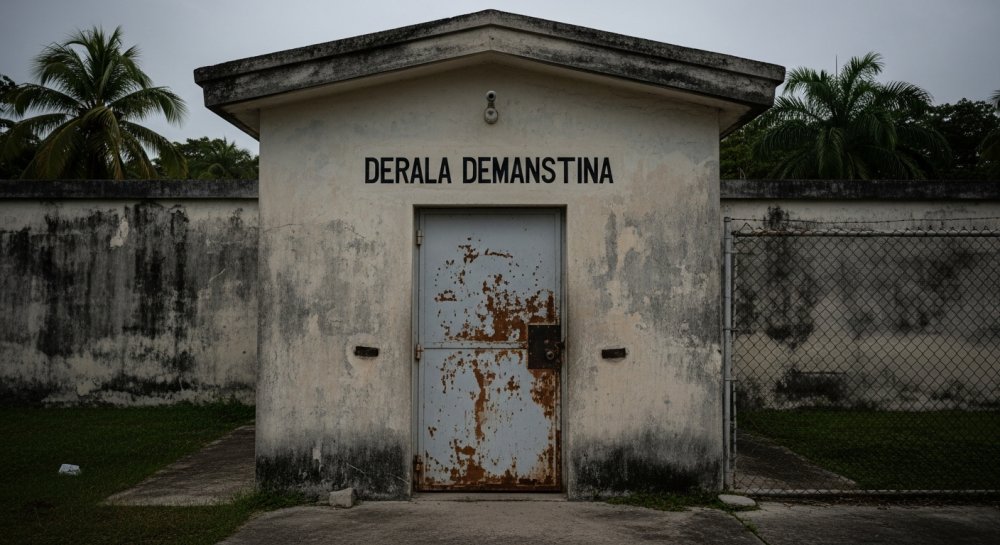
A Cuban pastor’s son remains in detention after months of imprisonment by the communist regime, raising alarm among religious freedom advocates about the escalating persecution of Christians on the island. The young man’s extended detention reflects a broader pattern of government harassment targeting families who openly practice and share their Christian faith.
The pastor’s family has faced sustained targeting by Cuban authorities, a reality that has become increasingly common for evangelical and independent church leaders who refuse to submit to state control. Under Cuba’s communist system, religious activity outside of government-approved channels is often met with surveillance, intimidation, and arrest.
The prolonged detention without clear charges or transparency in the legal process has raised serious concerns among human rights organizations and faith-based advocacy groups. Family members have reported limited access to the detained young man and uncertainty about his physical and mental well-being during his time in custody.
Cuba’s government maintains strict control over religious expression, particularly targeting pastors and church leaders who refuse to align with state ideology or who advocate for human rights. Independent churches that operate outside official religious organizations face constant pressure, including property confiscation, worship service disruptions, and arrests of church leaders and their families.
The situation highlights the ongoing struggle for religious liberty in Cuba, where believers continue to face consequences for practicing their faith freely. Despite international criticism and calls for reform, the Cuban government has intensified its crackdown on dissent, including religious expression that challenges the state’s authority.
American Christians and religious freedom advocates are urged to pray for the detained pastor’s son and his family during this difficult time. The case serves as a reminder of the persecution faced by believers in communist nations and the importance of standing with those who suffer for their faith.
As the detention continues without resolution, supporters are calling on the U.S. government and international community to pressure Cuban authorities to release the pastor’s son and cease harassment of Christian families. The ongoing persecution in Cuba demonstrates the need for vigilance in defending religious liberty globally.
Let us know what you think, please share your thoughts in the comments below.


-

 Self-Reliance1 year ago
Trump’s Bold Move Uncovers Massive Social Security Fraud
-

 Faith1 year ago
New Clues Emerge in Noah’s Ark Mystery
-

 News1 year ago
Governor Walz’s Rhetoric Sparks National Controversy
-

 News1 year ago
Mel Gibson’s ‘The Passion of the Christ’ Sequel Title Announced
-

 Family1 year ago
Texas Lawmaker Targets Furries in Schools
-

 Freedom1 year ago
Maine Lawmaker Challenges Sports Fairness Controversy
-

 Family12 months ago
Canada’s Controversial Policy Sparks Ethical Debate
-
Faith6 months ago
Congress Hears Pleas for Nigerian Christians