
News
Ohio Pastor Mourns Student After Immigration Status Revoked

Faith Facts
- Haitian student Pierre Damas Bel took his life following loss of Temporary Protected Status
- Ohio pastor connects tragic death to current immigration policy changes affecting Haitian nationals
- Wright State University student’s case highlights ongoing debate over TPS designations and their real-world impact on individuals
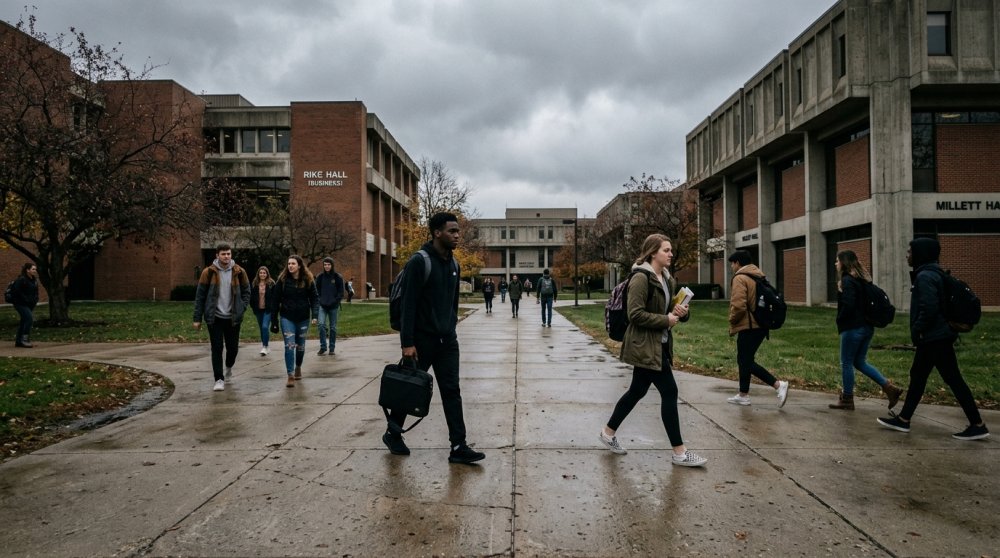
A tragic loss has gripped an Ohio community as local faith leaders speak out following the death of a Haitian college student. Pierre Damas Bel, a student at Wright State University, took his own life this week after losing his Temporary Protected Status (TPS), which had allowed him to legally live and work in the United States.
The heartbreaking incident has prompted renewed discussion about immigration policy and its effects on individuals who have built lives in America. An Ohio pastor who knew Bel has publicly connected the student’s death to the loss of his protected immigration status, raising questions about the human cost of policy changes.
Temporary Protected Status is a designation given by the U.S. government to nationals of certain countries experiencing ongoing armed conflict, environmental disaster, or other extraordinary conditions. Haiti has been designated for TPS multiple times due to political instability and natural disasters, including the devastating 2010 earthquake.
The program allows individuals from designated countries to remain in the United States temporarily and obtain work authorization. However, TPS designations are subject to review and can be terminated or extended based on changing conditions in the home country.
The case brings to light the personal struggles faced by those whose legal status in America hinges on administrative decisions. For students like Bel who have pursued education and built connections in their communities, the loss of TPS can mean the unraveling of their entire lives in the country.
Faith communities have long been at the forefront of immigration debates, with many churches providing support, advocacy, and sanctuary for individuals navigating complex immigration systems. The pastor’s public statement reflects the pastoral concern many religious leaders feel for vulnerable members of their communities.
This tragedy underscores the need for thoughtful, compassionate approaches to immigration policy that recognize both the rule of law and the dignity of every human life. As our nation continues to debate the proper balance between security, sovereignty, and humanitarian concern, stories like Bel’s remind us that behind every policy decision are real people with hopes, dreams, and struggles.
The incident also highlights the importance of mental health resources for individuals facing extreme stress and uncertainty. Communities of faith can play a vital role in providing emotional and spiritual support during times of crisis.
Let us know what you think, please share your thoughts in the comments below.

Faith Facts
- The ruling protects the sanctity of houses of worship from government intrusion during immigration enforcement actions.
- Churches and synagogues maintain their historic role as places of refuge and spiritual sanctuary for all people.
- The decision affirms constitutional protections for religious liberty and the free exercise of faith in America.
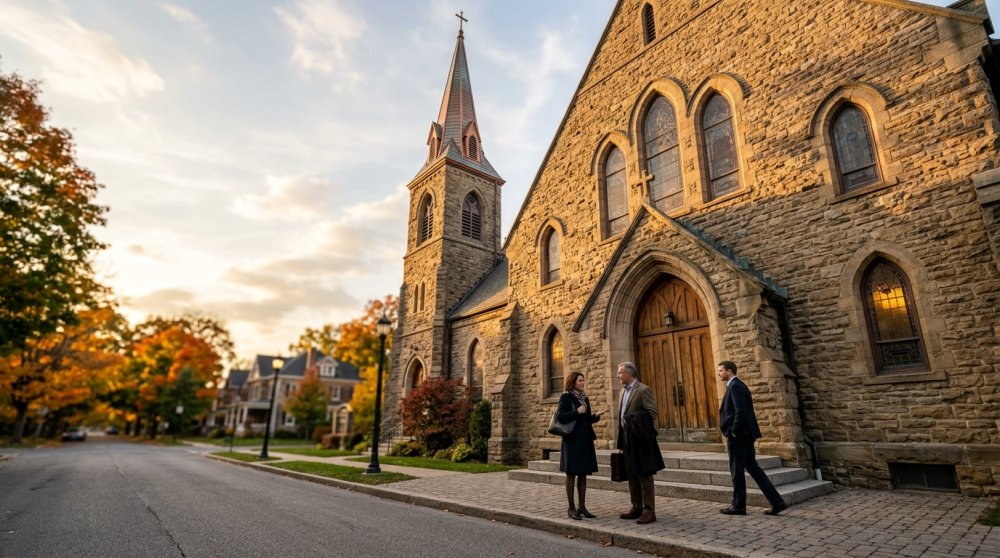
An appeals court has delivered a significant victory for houses of worship across the nation. The panel sided with multiple churches and faith-based organizations that challenged the Trump administration’s policy permitting immigration enforcement actions inside religious facilities.
The decision reinforces long-standing American principles that recognize houses of worship as sacred spaces. Faith communities have consistently argued that allowing raids inside churches and synagogues would violate both religious liberty and the constitutional separation between government power and spiritual practice.
“This ruling protects the fundamental right of Americans to worship without fear of government intrusion,”
The case arose after the administration expanded immigration enforcement guidelines that removed previous restrictions on conducting operations at sensitive locations, including religious institutions. Faith leaders from various denominations expressed concern that such policies would hinder their ability to minister freely to congregants and communities in need.
“Our churches have always been places where people can come for spiritual guidance and practical help,”
Legal advocates representing the faith-based plaintiffs argued that the policy change threatened the historic role of religious institutions as sanctuaries. The appeals court found merit in these concerns and determined that the administration’s approach raised substantial constitutional questions regarding religious freedom.
The ruling comes at a time when many Americans are increasingly concerned about government overreach into religious practice. Conservative faith leaders have long maintained that protecting the autonomy of houses of worship is essential to preserving religious liberty for all citizens.
Let us know what you think, please share your thoughts in the comments below.
Faith Facts
- Christians have disagreed over theology for centuries, yet many divisions stem from misunderstanding rather than substantive differences.
- Stefan Tijanić seeks to clarify what Orthodox Christians actually believe to foster greater understanding.
- Clear communication of doctrine can strengthen Christian witness and unity on foundational truths.
Christians have long wrestled with theological differences that stretch back centuries. Some disagreements touch core doctrines, but many arise from simple misunderstandings about what each tradition truly teaches.
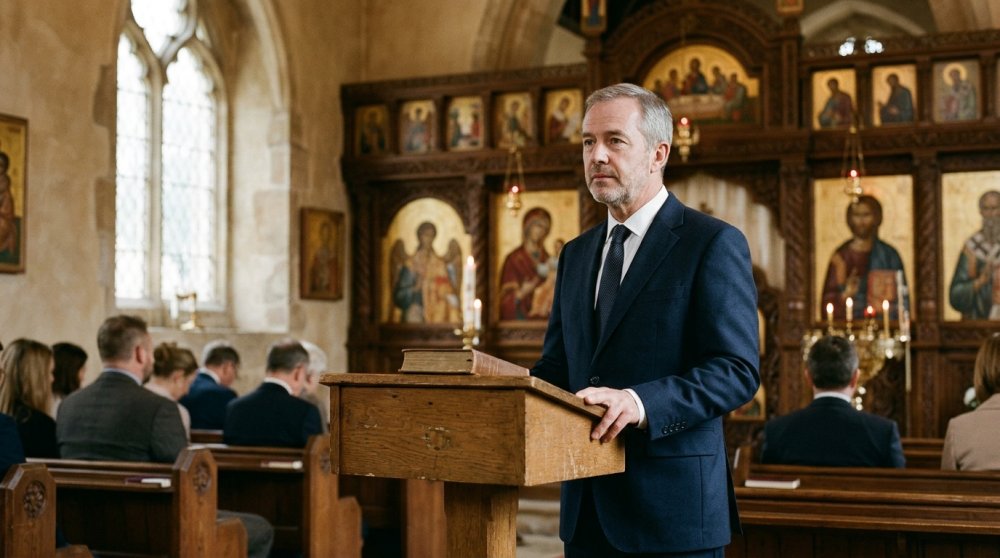
Stefan Tijanić addresses this gap directly, explaining the beliefs held by Orthodox Christians. His goal is to replace assumptions with accurate information so that conversations between traditions rest on truth rather than caricature.
“Christians have disagreed over theology for centuries, says Stefan Tijanić. While some of those differences are substantial, many of them are rooted in misunderstanding.”
He outlines several common points of confusion that evangelicals sometimes bring to discussions with Orthodox believers. By walking through these areas with clarity, Tijanić hopes to open the door for more charitable and informed dialogue.
Accurate understanding matters because shared Christian witness depends on knowing what each side actually affirms. When believers speak precisely about doctrine, opportunities for cooperation on moral and cultural issues become clearer.
“He explains what Orthodox Christians actually believe.”
Let us know what you think, please share your thoughts in the comments below.
Faith Facts
- France was historically shaped by Christian faith and moral order before secularism took root.
- Rejecting biblical foundations has left many Western nations vulnerable to unrest and moral confusion.
- Scripture warns that nations who forget God face increasing disorder and judgment.
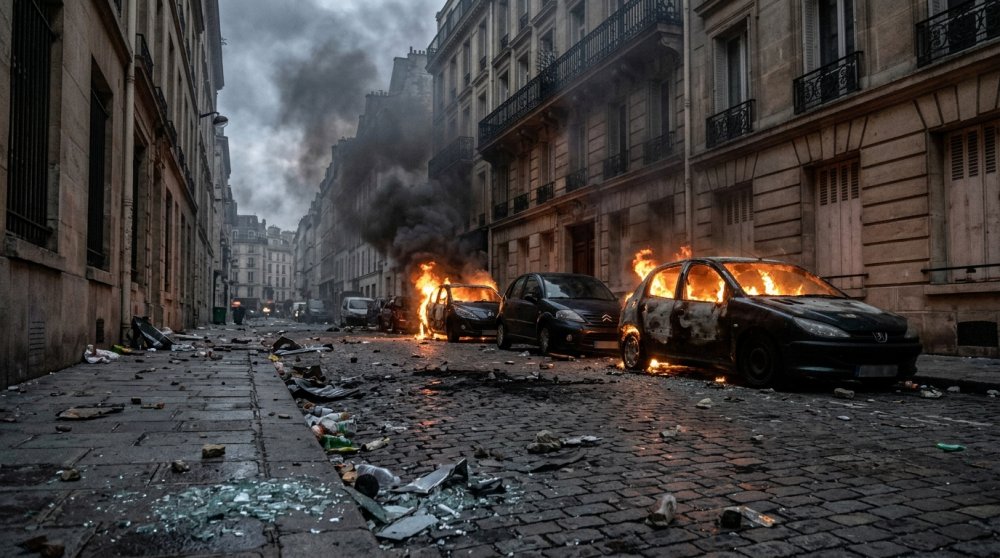
The violent riots sweeping through France have drawn sharp responses from prominent voices who see the chaos as more than random unrest. Observers argue the disorder stems from a deeper rejection of the Christian principles that once anchored French society. Many believe the nation is now reaping the consequences of turning away from its spiritual heritage.
One commentator bluntly stated the crisis is self-inflicted. They warned that France is watching its own civilization unravel under the weight of secular policies and cultural confusion.
Nations which abandon God find themselves abandoned by God and overrun by demonic hordes. This is the story of all history and it will continue until there is no more history. It is also the story of America’s future if America does not repent, beg Christ’s forgiveness, and change its ways.
— Sean Davis (@seanmdav) October 18, 2026
“They’re destroying that country”
Another voice tied the riots directly to France’s departure from biblical truth. Without a moral compass grounded in Scripture, the country has grown increasingly unstable and vulnerable to radical forces.
Additional reactions pointed to the broader spiritual crisis facing Western nations. Leaders noted that when societies abandon their Christian roots, they open the door to lawlessness and division. The pattern seen in France is viewed as a warning to other nations that have also drifted from their founding values.
Christian conservatives across the Atlantic are urging renewed commitment to faith, family, and freedom. They insist that restoring moral order begins with returning to the biblical truths that built Western civilization in the first place.
Let us know what you think, please share your thoughts in the comments below.


-

 Self-Reliance2 years ago
Trump’s Bold Move Uncovers Massive Social Security Fraud
-

 Faith2 years ago
New Clues Emerge in Noah’s Ark Mystery
-

 News2 years ago
Governor Walz’s Rhetoric Sparks National Controversy
-

 News2 years ago
Mel Gibson’s ‘The Passion of the Christ’ Sequel Title Announced
-

 Family2 years ago
Texas Lawmaker Targets Furries in Schools
-

 Freedom2 years ago
Maine Lawmaker Challenges Sports Fairness Controversy
-

 Family1 year ago
Canada’s Controversial Policy Sparks Ethical Debate
-
Faith11 months ago
Congress Hears Pleas for Nigerian Christians