
News
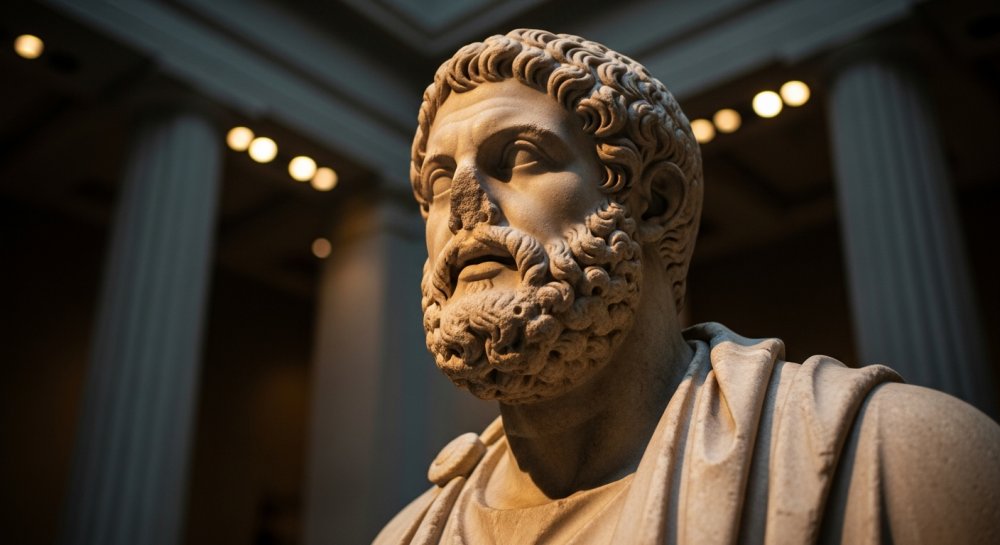
Nolan’s Homer Epic Already Sparking Fierce Debate Over Casting Choices

Faith Facts
- Christopher Nolan’s adaptation of Homer’s “The Odyssey” is scheduled for theatrical release on July 17
- The film’s casting decisions have triggered significant controversy among those who view the ancient Greek epic as foundational to Western civilization
- Critics argue the choices reflect a broader cultural trend that prioritizes modern ideological concerns over historical and literary authenticity
Director Christopher Nolan’s upcoming adaptation of Homer’s classical epic “The Odyssey” has ignited a cultural firestorm months before audiences will see it on screen. The controversy centers on casting decisions that many conservatives view as yet another example of Hollywood’s willingness to reshape Western civilization’s most treasured stories.
The film, set for U.S. release on July 17, has become a flashpoint in the ongoing debate about how modern entertainment handles historical and literary works that form the bedrock of Western culture. For many Christian conservatives, “The Odyssey” represents more than just an ancient story—it embodies timeless themes of faith, perseverance, homecoming, and the struggle between virtue and vice.
Elliot Page at The Odyssey World Premiere in London. Experience it only in cinemas July 17. pic.twitter.com/VDskvHKQWv
— The Odyssey Movie (@odysseymovie) July 7, 2026
“What 1 thing would you say to Homer?”
Lupita Nyong’o (Helen Of Troy): “How do you feel about the screen time given to women?”
— End Wokeness (@EndWokeness) July 6, 2026
Social media erupted with criticism from those who see the casting as symptomatic of a larger cultural agenda. Some commentators have characterized the approach as reflecting a “dying, immoral agenda” that seeks to deconstruct rather than honor the foundations of Western literary tradition.
The backlash highlights a growing divide between traditional Americans who value historical authenticity in adaptations of classical works and Hollywood’s apparent commitment to contemporary social priorities. Many conservative voices argue that respecting the cultural context of ancient texts doesn’t mean rejecting them, but rather understanding them as products of their time that still offer profound wisdom.
Homer’s “Odyssey,” composed nearly 3,000 years ago, tells the story of the Greek hero Odysseus’s decade-long journey home after the Trojan War. The epic has profoundly influenced Western literature, art, and thought for millennia, with its themes of loyalty, faith in divine providence, and the importance of home and family resonating across generations.
For Christian audiences, the work holds particular significance as a bridge between pagan antiquity and the Judeo-Christian tradition that would follow. Many church fathers and medieval Christian scholars engaged deeply with Homer’s works, finding in them pre-Christian wisdom that could be reconciled with Biblical truth.
The controversy surrounding Nolan’s adaptation arrives at a moment when many Americans feel their cultural heritage is under sustained assault. From curriculum debates in schools to museum exhibitions to entertainment adaptations, traditional Americans increasingly perceive a coordinated effort to diminish or distort the Western canon.
Supporters of more traditional approaches to classical adaptations argue that authenticity matters—not out of prejudice, but out of respect for historical truth and cultural inheritance. They contend that every civilization has the right to preserve and honor its foundational stories without apology.
Nolan, known for cerebral and ambitious films like “Inception,” “Interstellar,” and the “Dark Knight” trilogy, has not yet responded to the growing controversy. His previous works have generally avoided overt political messaging, focusing instead on complex narratives and philosophical themes.
The debate over “The Odyssey” adaptation reflects broader tensions in American culture about who gets to tell our stories and how they should be told. For many conservatives, the issue isn’t resistance to change itself, but concern that changing everything erases the particular heritage that made Western civilization distinctive and successful.
As the July release date approaches, the controversy shows no signs of abating. Whether the film itself will justify concerns or prove them overblown remains to be seen, but the passionate response demonstrates how deeply many Americans care about preserving the integrity of their cultural inheritance.
Let us know what you think, please share your thoughts in the comments below.

Faith Facts
- Highland Park United Methodist Church in Dallas maintains its dispute with the North Texas Conference centers on corporate governance rather than doctrine.
- The church filed the clarification in court to protect its autonomy while upholding traditional Methodist teaching.
- Christian leaders continue to stress that church governance must remain accountable to Scripture and local congregations rather than distant bureaucracies.
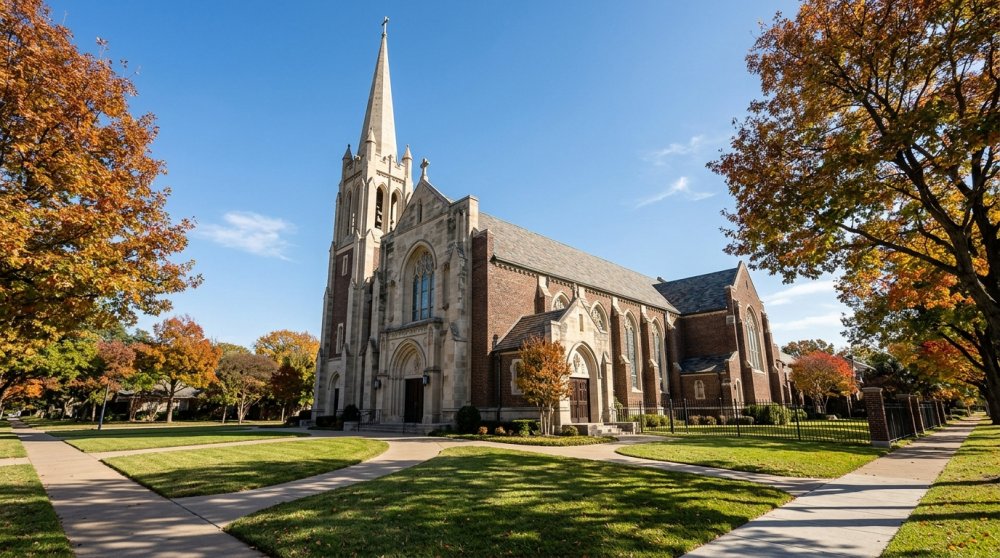
A Texas megachurch has moved to clarify that its legal clash with the North Texas Conference of the United Methodist Church concerns corporate structure, not matters of faith.
Highland Park United Methodist Church filed the statement in Dallas County court to underscore that its disagreement is administrative, not theological.
“Our dispute is about governance and property, not doctrine,” the filing states.
Church leaders say the regional conference attempted to assert authority over local assets and decision-making in ways that exceed its constitutional role.
“We remain committed to the historic Christian faith and the Wesleyan tradition,” the congregation declared in a separate statement.
The filing comes as many United Methodist congregations nationwide continue to navigate questions of autonomy following years of denominational restructuring.
Highland Park leaders emphasize they are seeking to preserve the ability of local members to direct their own affairs under biblical principles.
Let us know what you think, please share your thoughts in the comments below.
Faith Facts
- The Bible teaches that life begins at conception and that God knits each person together in the womb.
- Christian teaching holds that gender is a fixed part of God’s created order, not a social construct.
- Scripture calls believers to speak the truth in love while standing firmly for the sanctity of human life and biological reality.
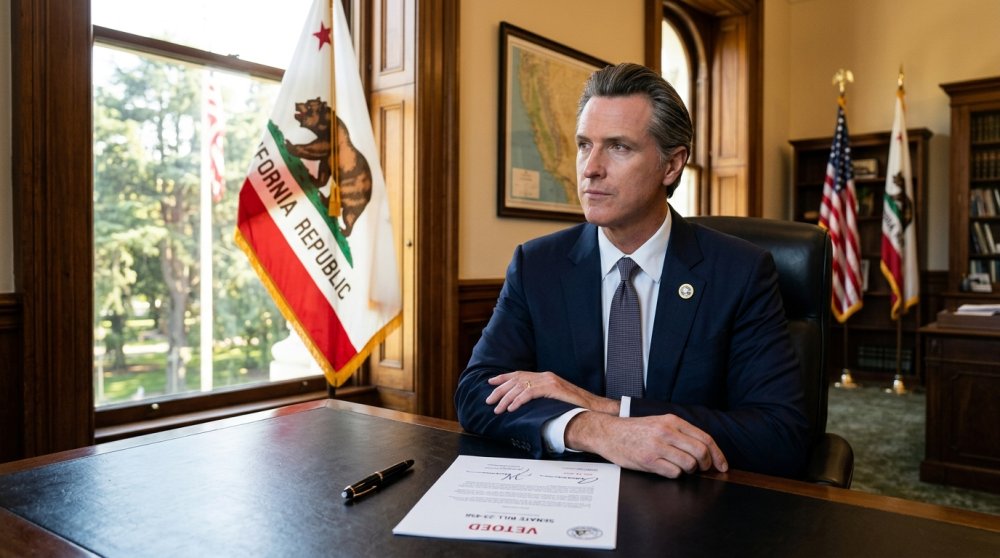
California Governor Gavin Newsom has vetoed legislation that would have blocked extradition of abortion providers and gender-transition surgeons to states where such procedures are illegal.
The veto came as the governor is widely viewed as a likely contender for the 2028 presidential race.
“Protecting the rights of women and the LGBTQ community is paramount,” Newsom said in his veto message.
The bill’s supporters had argued that California should serve as a nationwide sanctuary for individuals seeking abortions or medical gender interventions.
By rejecting the measure, Newsom avoided direct confrontation with states that maintain laws safeguarding unborn life and biological sex distinctions.
“This decision respects the sovereignty of other states while upholding California’s own commitments,” the governor added.
Let us know what you think, please share your thoughts in the comments below.
Faith Facts
- Scripture warns that adultery leads to destruction and broken families.
- Marriage is a sacred covenant that must be honored above personal desires.
- Churches must uphold accountability and protect the sanctity of the home.
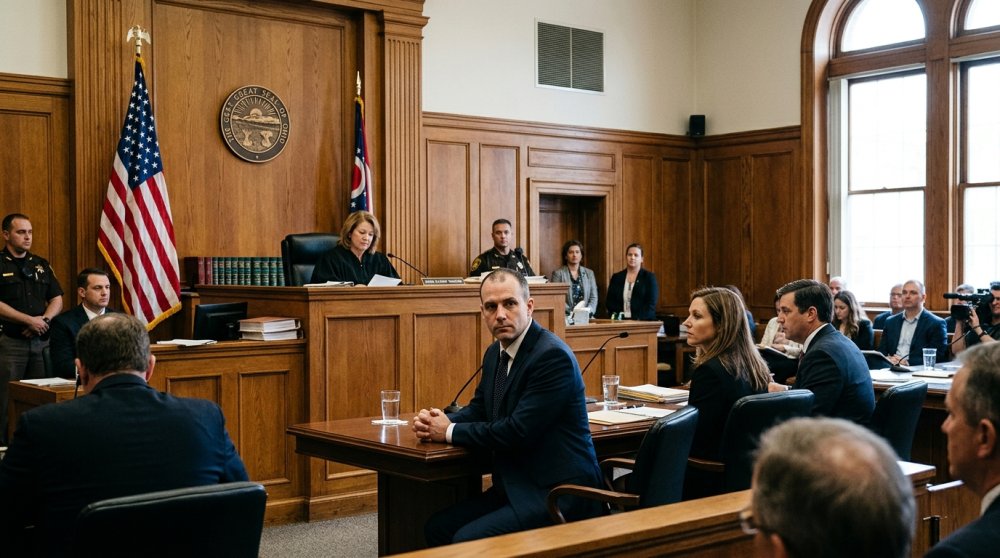
The murder trial of former worship leader and “American Idol” contestant Caleb Flynn has captured the attention of Americans this week. Flynn, 40, is accused of murdering his wife, Ashley, inside their Ohio home in February, amid a long-term affair with his church’s worship leader.
Authorities say the couple’s marriage had been strained for months before the tragic events unfolded. The case has drawn widespread interest because of Flynn’s public profile and his former role in church ministry.
“The evidence will show a calculated act that ended a life and shattered a family,” prosecutors stated in court this week.
Defense attorneys argue the case involves complex personal matters and are preparing to challenge the prosecution’s narrative. The trial is expected to continue for several days as both sides present their evidence.
Communities across the country are praying for the Flynn family and reflecting on the importance of faithfulness in marriage and leadership. Many believers see this case as a sobering reminder that public ministry does not exempt anyone from the consequences of hidden sin.
Let us know what you think, please share your thoughts in the comments below.


-

 Self-Reliance1 year ago
Trump’s Bold Move Uncovers Massive Social Security Fraud
-

 Faith1 year ago
New Clues Emerge in Noah’s Ark Mystery
-

 News2 years ago
Governor Walz’s Rhetoric Sparks National Controversy
-

 News1 year ago
Mel Gibson’s ‘The Passion of the Christ’ Sequel Title Announced
-

 Family2 years ago
Texas Lawmaker Targets Furries in Schools
-

 Freedom2 years ago
Maine Lawmaker Challenges Sports Fairness Controversy
-

 Family1 year ago
Canada’s Controversial Policy Sparks Ethical Debate
-
Faith10 months ago
Congress Hears Pleas for Nigerian Christians