
Faith
Nigerian Court Shields Christian Convert From Islamic Police

Faith Facts
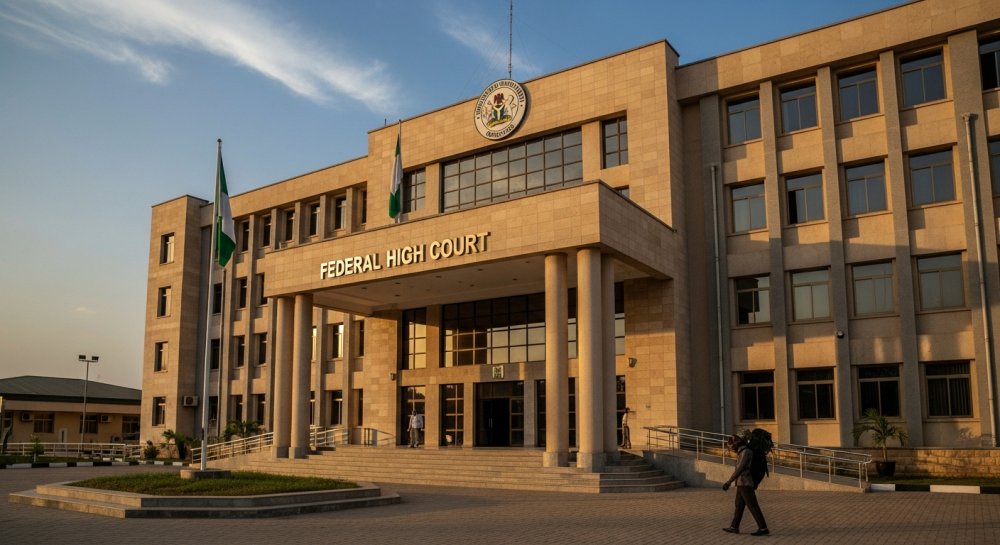
- A Federal High Court in northern Nigeria ruled that Islamic religious police have no authority to arrest a woman for converting from Islam to Christianity
- The ruling limits the power of Hisbah, Sharia-enforcing police units operating in Muslim-majority northern Nigeria
- The decision represents a significant religious freedom victory in a region where converts from Islam often face severe persecution
In a landmark victory for religious freedom, a Federal High Court in Muslim-majority northern Nigeria has ruled that Islamic religious police cannot arrest a woman for her decision to convert from Islam to Christianity. The ruling delivers a powerful rebuke to Hisbah forces that have long operated with broad authority to enforce Sharia law.
The decision marks a critical legal precedent in a region where Christian converts from Islam face constant threats of harassment, arrest, and violence. Northern Nigeria has become an increasingly dangerous place for believers who choose to follow Christ, with Islamic authorities regularly attempting to impose religious conformity through intimidation and legal action.
The court’s ruling specifically curbs the reach of Hisbah, religious police units that have operated with sweeping powers to enforce Islamic law in several northern states. These units have been criticized by human rights organizations and Christian advocacy groups for overstepping their authority and violating constitutional protections for religious freedom.
This legal victory comes at a critical time for Nigeria’s Christian community, which faces mounting pressure from Islamic extremism in the north. The ruling affirms that Nigeria’s federal constitution protects the fundamental right to choose one’s faith, regardless of regional attempts to impose religious law.
The decision could have far-reaching implications for other converts and religious minorities across northern Nigeria who have lived under the constant threat of Islamic police enforcement. It represents a rare judicial check on Sharia-based authority in states where Islamic law has increasingly encroached on civil liberties.
Religious freedom advocates have long called for stronger protections for Christians in northern Nigeria, where persecution has reached crisis levels. This ruling demonstrates that constitutional principles can still prevail over regional religious enforcement, offering hope to believers who have felt abandoned by legal protections.
The case underscores the ongoing struggle between Nigeria’s federal constitutional framework, which guarantees religious freedom, and the parallel Sharia legal systems operating in the north. For this Christian woman and others like her, the court has affirmed that faith is a matter of personal conscience, not government enforcement.
Let us know what you think, please share your thoughts in the comments below.

Faith Facts
- Actress Danica McKellar credits Candace Cameron Bure with leading her to a personal relationship with Jesus Christ.
- McKellar is best known for her childhood role as Winnie Cooper on the beloved family series “The Wonder Years.”
- Bure, a committed believer, has consistently used her platform to point others toward faith and traditional values.
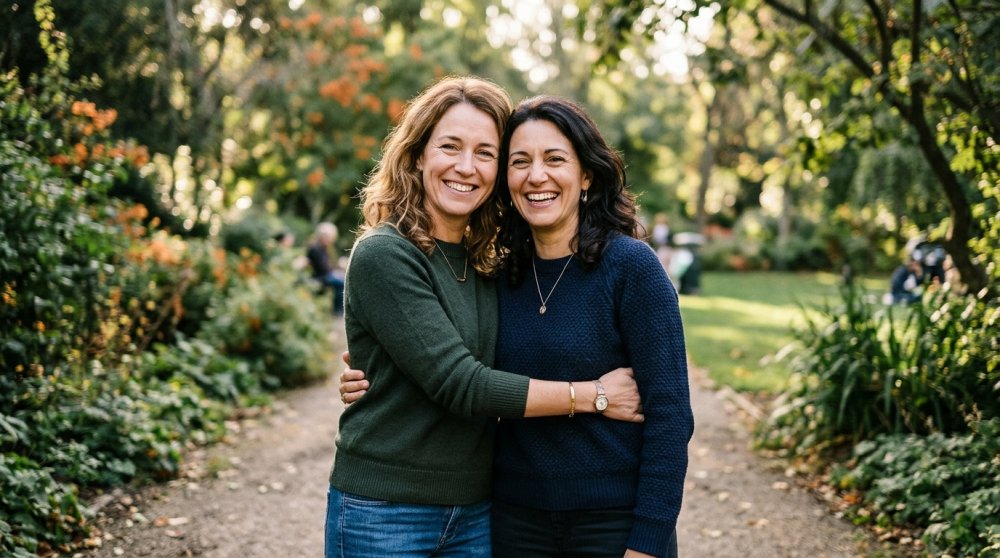
Danica McKellar opened up about the meaningful influence of her longtime friend Candace Cameron Bure in her journey toward faith. The two former child stars developed a friendship that extended far beyond their early careers in Hollywood.
McKellar explained that Bure was the one who introduced her to Jesus in a personal way. Their shared history in the entertainment industry gave McKellar a trusted voice to hear when spiritual matters came up.
“Wonder Years” actress Danica McKellar shares how fellow child star Candace Cameron Bure helped bring her to Jesus.
McKellar has spoken openly about her growing faith and the importance of surrounding herself with fellow believers. She has described how that friendship helped anchor her during seasons of change and uncertainty.
The story reflects a pattern seen among many in Hollywood who quietly seek truth and community outside the spotlight. For McKellar, that path led her straight to the feet of Jesus through the faithful witness of a friend.
Let us know what you think, please share your thoughts in the comments below.

Faith Facts
- Danica McKellar credits Candace Cameron Bure with leading her to Christ four years ago.
- McKellar now views her acting career through a faith-centered lens.
- She seeks roles that reflect her Christian values and convictions.
Actress Danica McKellar has opened up about the moment she found faith in Christ. She credits longtime friend and fellow former child star Candace Cameron Bure for guiding her on that journey four years ago.
McKellar shared that her new relationship with Jesus has transformed the way she sees her career and the projects she now chooses to pursue. Instead of simply chasing roles for fame or success, she is now more intentional about the stories she tells on screen.
“It’s been Jesus this whole time”
McKellar’s transformation reflects a deeper commitment to living out her faith both on and off the screen. She has expressed gratitude for the spiritual mentorship she received from Bure, whose own public witness as a believer has long been a steady presence in Hollywood.
The actress says her faith has redefined her purpose, helping her to focus on projects that align with her Christian convictions rather than simply accepting work based on popularity or financial gain.
Let us know what you think, please share your thoughts in the comments below.
Faith Facts
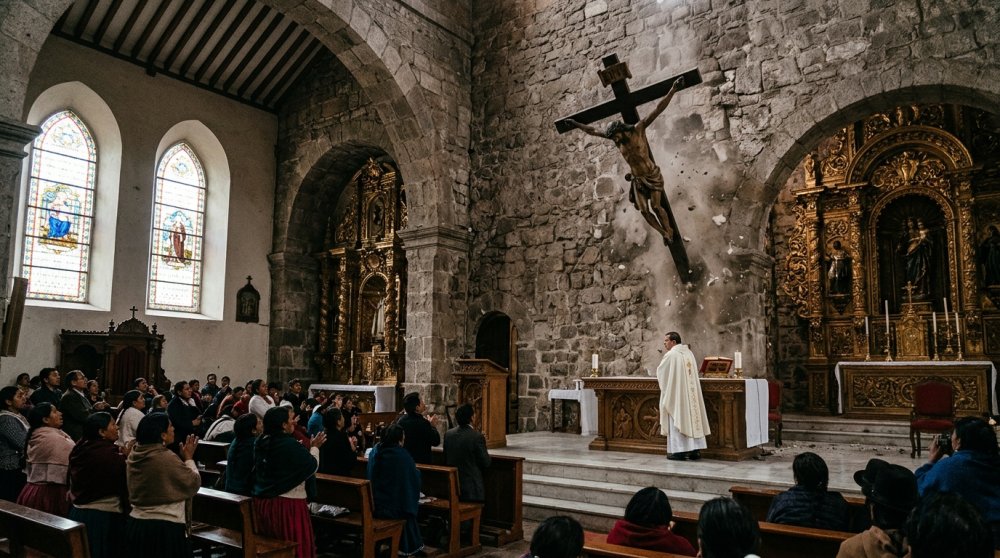
- A priest in Ecuador died during a church service when a large crucifix fell from the wall.
- Kenny Kinglesmith addresses unbelieving friends in an open letter about hope in Jesus amid suffering.
- Christian believers continue to place their trust in Christ even when tragedy strikes inside the sanctuary.
The sudden death of a priest while leading worship has shaken believers across Ecuador. Questions about suffering and divine purpose are rising again.
Kenny Kinglesmith has written an open letter to friends who do not believe. He explains why his hope in Jesus remains firm despite the pain.
“In the face of inexplicable suffering, I still choose to place my hope in Jesus.”
Many Christians are wrestling with how a loving God could allow such a loss inside His house. The event has prompted renewed reflection on the mystery of suffering.
Kinglesmith does not offer easy answers. Instead he points to the cross itself, where Christ endured the ultimate injustice yet brought redemption.
“I still choose to place my hope in Jesus.”
The tragedy has become a moment for believers to examine their own trust in God. It is also an opportunity to demonstrate compassion to those who question.
Kinglesmith urges Christians to live out their faith openly. He believes the witness of steadfast hope can speak louder than arguments.
“In the face of inexplicable suffering, I still choose to place my hope in Jesus.”
Let us know what you think, please share your thoughts in the comments below.


-

 Self-Reliance2 years ago
Trump’s Bold Move Uncovers Massive Social Security Fraud
-

 Faith2 years ago
New Clues Emerge in Noah’s Ark Mystery
-

 News2 years ago
Governor Walz’s Rhetoric Sparks National Controversy
-

 News2 years ago
Mel Gibson’s ‘The Passion of the Christ’ Sequel Title Announced
-

 Family2 years ago
Texas Lawmaker Targets Furries in Schools
-

 Freedom2 years ago
Maine Lawmaker Challenges Sports Fairness Controversy
-

 Family1 year ago
Canada’s Controversial Policy Sparks Ethical Debate
-
Faith11 months ago
Congress Hears Pleas for Nigerian Christians