
Faith
New Prime Minister Vows Social Care Reform — But Faith Communities Must Lead


Faith Facts
- Prime Minister Andy Burnham has pledged to address the ongoing adult social care crisis in the United Kingdom
- Christian charity leader Stephen Hammersley warns the Church cannot wait for government action to care for elderly congregants and community members
- The promise represents a major policy shift, but faith-based organizations continue to be essential in meeting the spiritual and practical needs of seniors
The United Kingdom’s new Prime Minister Andy Burnham made headlines this week with a bold commitment to overhaul the nation’s struggling adult social care system. While the announcement has been met with cautious optimism across the political spectrum, Christian leaders are reminding believers that government action alone cannot address the deeper crisis facing elderly citizens.
Stephen Hammersley, chief executive of Pilgrims’ Friend Society, a Christian organization dedicated to serving older adults, applauded Burnham’s recognition of the problem but emphasized that the Church has a biblical mandate that transcends political promises. “We welcome any serious effort to improve care for our elderly population,” Hammersley stated. “However, the body of Christ has always been called to care for the vulnerable, especially widows and the aging, regardless of what policies emerge from Westminster.”
The adult social care system in Britain has faced mounting pressure for years, with underfunding, workforce shortages, and an aging population creating what many experts describe as a perfect storm. Families across the nation have struggled to find adequate, affordable care for elderly relatives, while care workers themselves face challenging conditions and low wages.
Burnham’s pledge to “end the drought” in social care signals a recognition at the highest levels of government that the current system is unsustainable. Yet the details of how such reform would be implemented and funded remain unclear. For Christians, this uncertainty underscores the importance of grassroots ministry and community support networks that don’t depend on government budgets or political cycles.
“Scripture is clear about our responsibility to honor and care for the elderly,” Hammersley continued. “In Leviticus 19:32, we’re told to ‘stand up in the presence of the aged, show respect for the elderly and revere your God.’ This isn’t optional for believers — it’s a core expression of our faith.”
Churches across the United Kingdom have long been at the forefront of caring for seniors, from visiting programs and meal deliveries to offering fellowship and spiritual support that institutional care often cannot provide. These ministries become even more critical as families become geographically dispersed and traditional support structures weaken.
The challenge facing Christian communities is not just about physical care but addressing the epidemic of loneliness and isolation that affects millions of elderly people. While government programs can provide healthcare and financial assistance, they cannot replace the personal connection, spiritual encouragement, and sense of belonging that faith communities uniquely offer.
Hammersley’s organization, Pilgrims’ Friend Society, operates care homes and retirement housing with an explicitly Christian ethos, demonstrating how faith-based approaches can complement secular services. “We’ve seen firsthand how integrating spiritual care with physical care transforms lives,” he explained. “Residents don’t just receive assistance with daily tasks — they’re part of a community centered on Christ, where they’re valued as image-bearers of God, not just recipients of services.”
The call for churches to step up comes at a time when many congregations are already stretched thin, facing their own resource constraints and demographic challenges. Yet Christian leaders argue that caring for the elderly shouldn’t be seen as an additional burden but as central to the Church’s mission and identity.
“When we care for older believers, we’re honoring those who built the faith communities we now enjoy,” Hammersley noted. “We’re also modeling for younger generations what it means to live out the gospel in practical ways. And we’re preparing for our own later years, creating the kind of communities we hope will care for us.”
While Burnham’s commitment to reforming social care is encouraging, the timeline and effectiveness of government action remain uncertain. Political promises, even well-intentioned ones, often face obstacles in implementation, funding disputes, and changing priorities. This reality makes the Church’s independent action all the more vital.
Christian organizations are encouraged to evaluate how they can expand or improve ministries to seniors, whether through formal care arrangements, volunteer visiting programs, intergenerational activities, or advocacy for better policies. Individual believers can also make a difference by regularly checking on elderly neighbors, inviting isolated seniors to family gatherings, or simply offering the gift of unhurried conversation and companionship.
The intersection of faith and social care policy also presents opportunities for Christians to influence public discourse with biblical values. Advocating for care systems that respect human dignity, support family involvement, and recognize the spiritual dimensions of wellbeing reflects a Christian worldview that can enrich secular policy debates.
As the Burnham government begins to flesh out its social care agenda, believers have reason to hope for meaningful improvements while recognizing that no government program can fully replace the compassionate, Christ-centered care that the Church is called to provide. The challenge ahead requires both celebrating political progress and redoubling efforts at the local church level to ensure no elderly person is forgotten or neglected.
Let us know what you think, please share your thoughts in the comments below.

Faith Facts
- Pastor Gary Hamrick leads Cornerstone Chapel in Leesburg, Virginia, and affirms unwavering U.S. support for Israel based on biblical principles.
- The pastor directly counters Vice President JD Vance’s suggestion that the U.S.-Israel relationship harmed Republican midterm results.
- Christian conservatives continue to view America’s alliance with Israel as both a strategic and moral imperative rooted in Scripture.
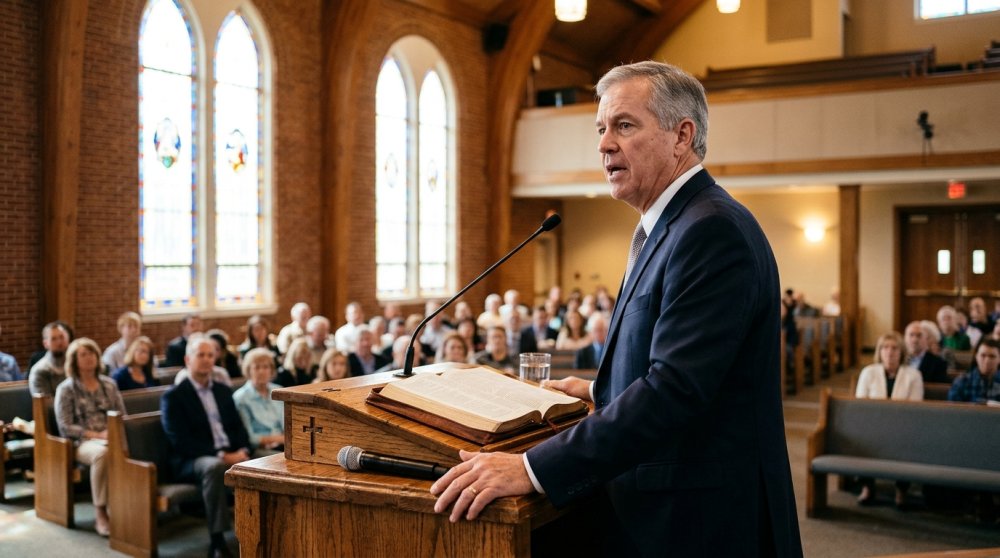
Pastor Gary Hamrick of Cornerstone Chapel in Leesburg, Virginia, spoke out strongly against Vice President JD Vance’s recent comments suggesting the U.S.-Israel alliance played a role in the Republican Party’s midterm losses.
Hamrick labeled the assertion “nonsense” and insisted that the relationship between the two nations must remain strong.
“The United States must continue to support Israel,” Hamrick stated.
The pastor’s comments reflect a broader commitment among many evangelical leaders to maintain the biblical and strategic alliance between America and Israel.
“The nature of the U.S.-Israeli alliance contributed to the Republican Party’s midterm wipeout” is the claim Hamrick rejected outright.
“It’s discouraging.” Pastor Gary Hamrick reacts to comments President Trump made on 60 Minutes over the weekend. “This, to me, looks like he’s backpedaling” on his previous “bold” support for Israel. “I’m troubled…” https://t.co/HgyAncQy4n
— Tony Perkins (@tperkins) November 9, 2026
Faithful believers across the nation are urged to stand firm on the truth that supporting Israel aligns with both Scripture and national interest.
Let us know what you think, please share your thoughts in the comments below.
Faith Facts
- Bob Dylan publicly embraced Christianity in 1979 after a reported spiritual encounter.
- Dylan has released three gospel albums and written numerous faith-inspired songs.
- His Christian conversion is widely regarded as a defining moment in his artistic and personal life.
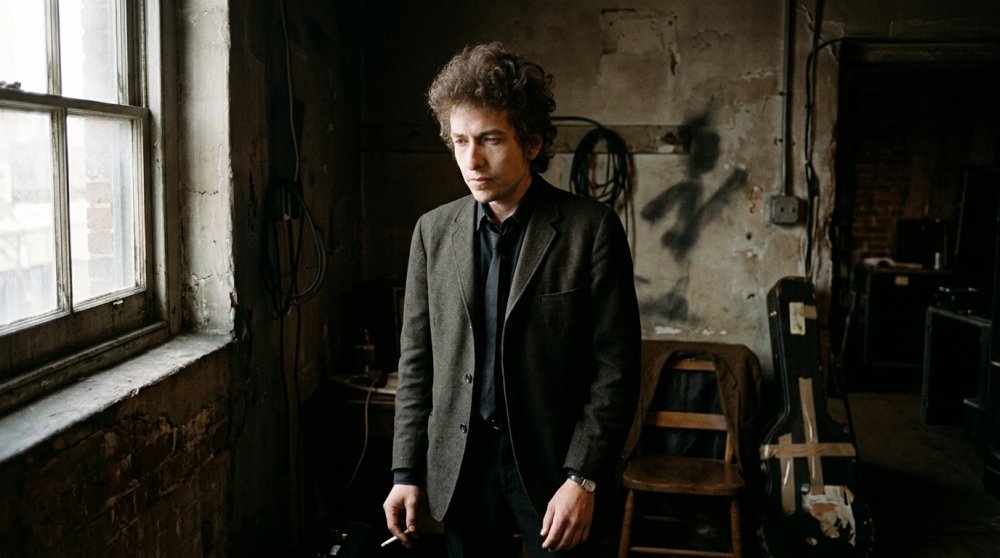
Bob Dylan’s recent meeting with Pope Leo has sparked attention for more than just his attire. Observers have turned their focus toward the legendary singer-songwriter’s long-held Christian faith.
In 1979, Dylan experienced a life-changing spiritual awakening. He openly declared his belief in Jesus Christ and began incorporating biblical themes into his songwriting.
“There was a little voice inside me saying, ‘Don’t be a prophet, don’t be a prophet,'” Dylan once reflected on his early reluctance to speak openly about faith.
Three gospel albums followed his conversion. Slow Train Coming, Saved, and Shot of Love showcased a man unashamed to sing about redemption and the power of Scripture.
“Jesus tapped me on the shoulder,” Dylan later explained, “and said, ‘Bob, why are you resisting me?'”
Critics questioned the sincerity of his conversion, yet Dylan continued to weave Christian imagery throughout his later work. Songs such as Every Grain of Sand and Pressing On revealed a heart still rooted in biblical truth.
“I believe in the Book of Revelation,” Dylan stated plainly in interviews, underscoring his enduring trust in God’s Word.
While the world often remembers Dylan as a cultural icon, his personal testimony points to a deeper story of grace and transformation. For many believers, his journey remains a powerful reminder that even the most celebrated voices can find their true purpose in Christ.
Let us know what you think, please share your thoughts in the comments below.
Faith Facts
- LAIKA’s new fantasy film Wildwood features dark themes and magical elements that parents should carefully evaluate before allowing their children to see it.
- Christian parents are called to guard the hearts and minds of their children by testing every form of entertainment against biblical truth.
- Stories that mix darkness and redemption must be weighed against Scripture’s command to focus on what is pure, lovely, and praiseworthy.
Reviewers have praised LAIKA’s Wildwood as dark, redemptive, and breathtaking.
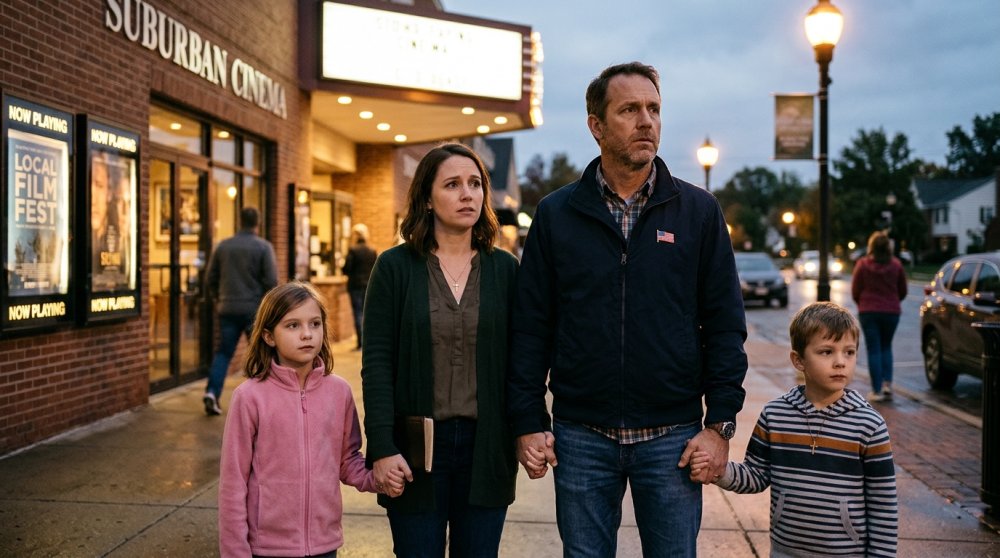
Yet one Christian viewer entered the theater expecting to be moved by the artistry and left the film deeply unsettled.
The tension between cinematic beauty and troubling content is nothing new for families seeking wholesome entertainment.
Many parents today face difficult choices when popular fantasy films blend magical worlds with heavy themes.
Scripture reminds believers to be wise in what they allow to shape young hearts.
Proverbs 4:23 instructs, “Above all else, guard your heart, for everything you do flows from it.”
Philippians 4:8 adds, “Finally, brothers and sisters, whatever is true, whatever is noble, whatever is right, whatever is pure, whatever is lovely, whatever is admirable—if anything is excellent or praiseworthy—think about such things.”
Faithful families are increasingly turning away from studio offerings that prioritize artistic darkness over moral clarity.
They seek stories that reinforce the values of faith, family, and freedom instead of undermining them.
Let us know what you think, please share your thoughts in the comments below.


-

 Self-Reliance2 years ago
Trump’s Bold Move Uncovers Massive Social Security Fraud
-

 Faith2 years ago
New Clues Emerge in Noah’s Ark Mystery
-

 News2 years ago
Governor Walz’s Rhetoric Sparks National Controversy
-

 News2 years ago
Mel Gibson’s ‘The Passion of the Christ’ Sequel Title Announced
-

 Family2 years ago
Texas Lawmaker Targets Furries in Schools
-

 Freedom2 years ago
Maine Lawmaker Challenges Sports Fairness Controversy
-

 Family1 year ago
Canada’s Controversial Policy Sparks Ethical Debate
-
Faith12 months ago
Congress Hears Pleas for Nigerian Christians