
News
Network Correspondent Accuses ABC of Censoring His COVID Origins Investigation

Faith Facts
- Former ABC News correspondent John Brownstein claims the network heavily edited his investigation into COVID-19’s laboratory origins
- Brownstein previously described Dr. Anthony Fauci as a ‘hero’ and told viewers vaccines were ‘proof of God’s love’ during pandemic coverage
- The journalist now alleges ABC’s editorial decisions reflected the ‘heavy hand of censorship’ regarding the lab leak theory
A former ABC News correspondent is coming forward with serious allegations about how his reporting on the origins of COVID-19 was handled by network executives. The journalist claims his investigation into the possibility that the virus originated from a laboratory was significantly altered before broadcast.
John Brownstein, who previously worked as a correspondent for ABC News, has raised concerns about editorial interference with his reporting. During the height of the pandemic, Brownstein was known for his coverage that portrayed Dr. Anthony Fauci in a positive light and described vaccination efforts in religious terms.
The correspondent now alleges that when he attempted to report on the laboratory leak theory regarding COVID-19’s origins, he encountered what he describes as the “heavy hand of censorship” from network decision-makers. This editorial intervention, according to Brownstein, prevented the full story from reaching viewers.
The claims raise important questions about media transparency and accountability during one of the most significant public health events in modern history. For many Americans who value truth and open inquiry, the alleged suppression of legitimate investigative reporting is deeply troubling.
During the pandemic, major media outlets and technology platforms frequently dismissed or suppressed discussion of the laboratory leak hypothesis. Scientists, journalists, and citizens who raised questions about COVID-19’s origins often faced ridicule or censorship, even as many experts privately acknowledged the theory’s plausibility.
The revelation is particularly significant given Brownstein’s previous public statements during the pandemic. His characterization of vaccines as “proof of God’s love” and his praise for Dr. Fauci as a “hero” suggested a reporter fully aligned with the prevailing narrative promoted by public health officials and most mainstream media.
That such a correspondent would now come forward with allegations of censorship lends additional credibility to concerns about media bias during the pandemic. If even reporters sympathetic to the official narrative encountered editorial suppression, it raises questions about how thoroughly dissenting voices were silenced.
The laboratory leak theory, once dismissed as conspiracy, has gained increasing acceptance among scientists, intelligence analysts, and public health experts. Recent investigations have revealed that key officials had early concerns about a possible laboratory origin but publicly promoted the natural origin theory instead.
For Christian Americans who value honesty and transparency, these revelations underscore the importance of maintaining a healthy skepticism toward institutional narratives. The Bible calls believers to be wise as serpents and innocent as doves, discerning truth from deception while maintaining moral integrity.
The allegations also highlight broader concerns about the relationship between government health agencies, media organizations, and Big Tech platforms during the pandemic. Many Americans observed what appeared to be coordinated efforts to control information and suppress alternative viewpoints.
ABC News has not yet publicly responded to Brownstein’s specific allegations about editorial interference with his COVID origins reporting. The network’s handling of this matter will be closely watched by media critics and concerned citizens alike.
As more information emerges about the pandemic’s origins and the response to it, Americans deserve full transparency from the institutions they rely upon for information. The pursuit of truth should never be subordinated to political considerations or institutional preferences.
Let us know what you think, please share your thoughts in the comments below.

Faith Facts
- Alejandro Monteverde, director of the pro-family film Sound of Freedom, is directing a new biblical epic titled Zero A.D.: The Birth of Christ.
- The film focuses on the danger and extraordinary faith surrounding the Nativity story of Jesus Christ.
- Monteverde and his cast emphasize surrendering to the biblical narrative as the heart of the project ahead of the Christmas season.
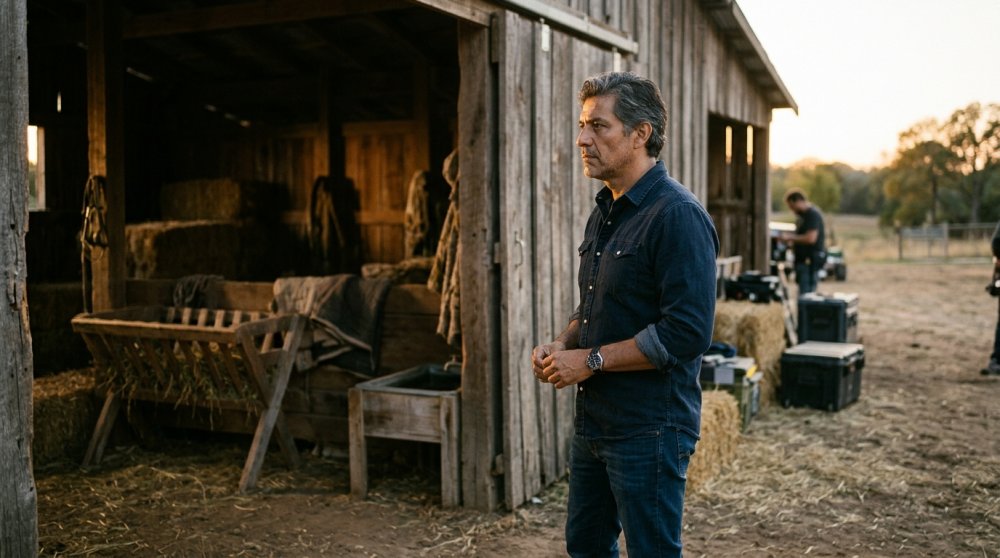
Ahead of the Christmas season, “Sound of Freedom” filmmaker Alejandro Monteverde is exploring the birth of Jesus Christ through a new lens in “Zero A.D.: The Birth of Christ,” a biblical epic that explores the danger and extraordinary faith surrounding the Nativity.
The project comes from a director whose previous work championed the protection of children and traditional values. Monteverde returns to the screen with a story centered on the arrival of Christ.
“I surrender to the story”
Monteverde and his cast are highlighting the powerful message behind the film. They stress the importance of yielding to Scripture rather than shaping it to modern sensibilities.
The film promises to portray the Nativity with the same courage and clarity that defined Sound of Freedom. Families seeking wholesome entertainment aligned with biblical truth will find a new reason to celebrate the season.
Let us know what you think, please share your thoughts in the comments below.
Faith Facts
- The ruling protects the sanctity of houses of worship from government intrusion during immigration enforcement actions.
- Churches and synagogues maintain their historic role as places of refuge and spiritual sanctuary for all people.
- The decision affirms constitutional protections for religious liberty and the free exercise of faith in America.
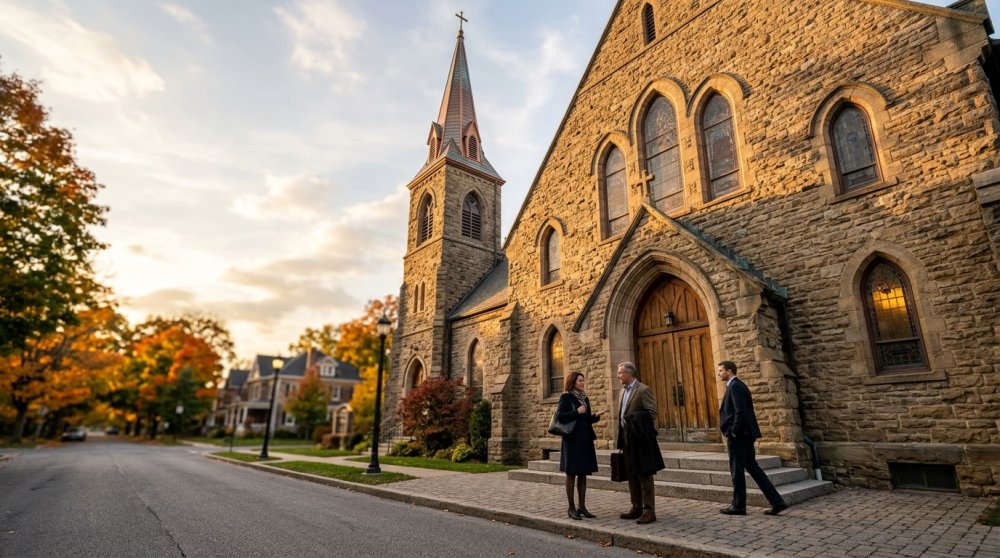
An appeals court has delivered a significant victory for houses of worship across the nation. The panel sided with multiple churches and faith-based organizations that challenged the Trump administration’s policy permitting immigration enforcement actions inside religious facilities.
The decision reinforces long-standing American principles that recognize houses of worship as sacred spaces. Faith communities have consistently argued that allowing raids inside churches and synagogues would violate both religious liberty and the constitutional separation between government power and spiritual practice.
“This ruling protects the fundamental right of Americans to worship without fear of government intrusion,”
The case arose after the administration expanded immigration enforcement guidelines that removed previous restrictions on conducting operations at sensitive locations, including religious institutions. Faith leaders from various denominations expressed concern that such policies would hinder their ability to minister freely to congregants and communities in need.
“Our churches have always been places where people can come for spiritual guidance and practical help,”
Legal advocates representing the faith-based plaintiffs argued that the policy change threatened the historic role of religious institutions as sanctuaries. The appeals court found merit in these concerns and determined that the administration’s approach raised substantial constitutional questions regarding religious freedom.
The ruling comes at a time when many Americans are increasingly concerned about government overreach into religious practice. Conservative faith leaders have long maintained that protecting the autonomy of houses of worship is essential to preserving religious liberty for all citizens.
Let us know what you think, please share your thoughts in the comments below.
Faith Facts
- Christians have disagreed over theology for centuries, yet many divisions stem from misunderstanding rather than substantive differences.
- Stefan Tijanić seeks to clarify what Orthodox Christians actually believe to foster greater understanding.
- Clear communication of doctrine can strengthen Christian witness and unity on foundational truths.
Christians have long wrestled with theological differences that stretch back centuries. Some disagreements touch core doctrines, but many arise from simple misunderstandings about what each tradition truly teaches.
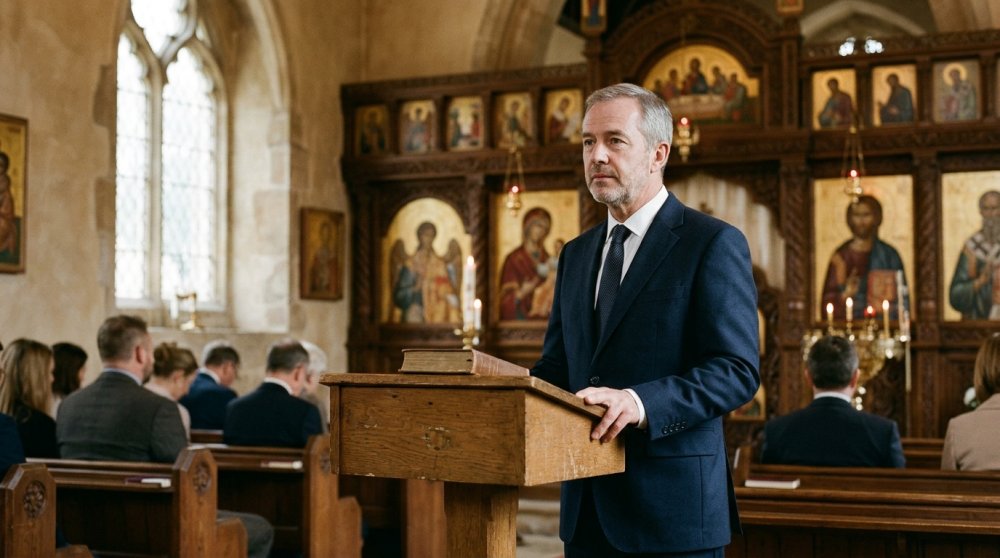
Stefan Tijanić addresses this gap directly, explaining the beliefs held by Orthodox Christians. His goal is to replace assumptions with accurate information so that conversations between traditions rest on truth rather than caricature.
“Christians have disagreed over theology for centuries, says Stefan Tijanić. While some of those differences are substantial, many of them are rooted in misunderstanding.”
He outlines several common points of confusion that evangelicals sometimes bring to discussions with Orthodox believers. By walking through these areas with clarity, Tijanić hopes to open the door for more charitable and informed dialogue.
Accurate understanding matters because shared Christian witness depends on knowing what each side actually affirms. When believers speak precisely about doctrine, opportunities for cooperation on moral and cultural issues become clearer.
“He explains what Orthodox Christians actually believe.”
Let us know what you think, please share your thoughts in the comments below.


-

 Self-Reliance2 years ago
Trump’s Bold Move Uncovers Massive Social Security Fraud
-

 Faith2 years ago
New Clues Emerge in Noah’s Ark Mystery
-

 News2 years ago
Governor Walz’s Rhetoric Sparks National Controversy
-

 News2 years ago
Mel Gibson’s ‘The Passion of the Christ’ Sequel Title Announced
-

 Family2 years ago
Texas Lawmaker Targets Furries in Schools
-

 Freedom2 years ago
Maine Lawmaker Challenges Sports Fairness Controversy
-

 Family1 year ago
Canada’s Controversial Policy Sparks Ethical Debate
-
Faith11 months ago
Congress Hears Pleas for Nigerian Christians