
News
Mourning Believers Lay 30 Nigerian Christians to Rest After Massacre

Faith Facts
- Funeral services were held for 27 Christians massacred by suspected Fulani terrorists in Kaduna state, Nigeria, attended by pastors and church members from various denominations
- The victims were among 30 believers killed in coordinated attacks on predominantly Christian communities in southern Kaduna
- The violence reflects an ongoing pattern of persecution against Christians across northern Nigeria, where radical Islamic groups continue to target believers
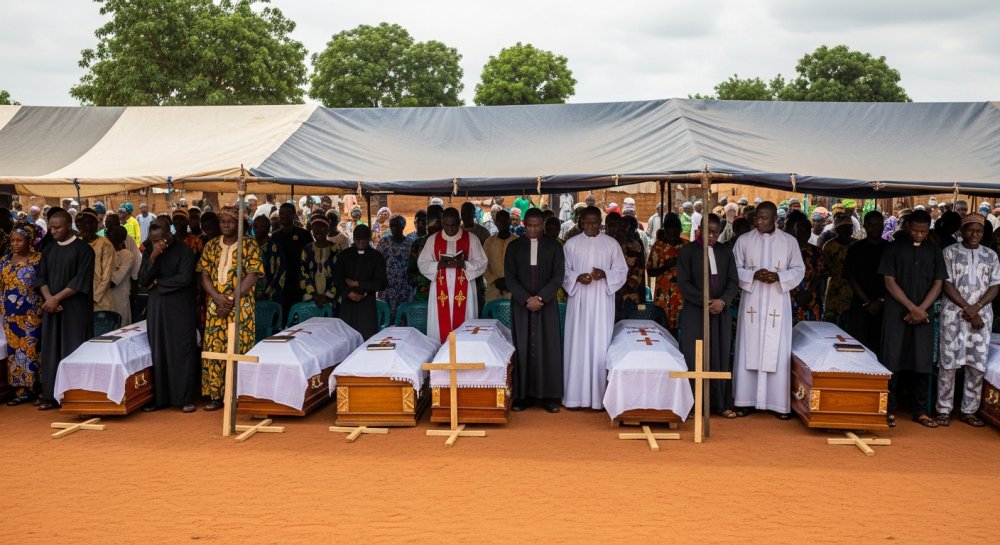
In a somber demonstration of Christian unity amid persecution, pastors and members from various churches gathered on Saturday, August 1st, for a Catholic funeral service honoring 27 believers brutally murdered by suspected Fulani terrorists in Kaduna state, Nigeria. The victims were among 30 Christians killed in coordinated attacks targeting predominantly Christian communities in the southern region of the state.
The funeral service brought together believers from across denominational lines to mourn their brothers and sisters in Christ who paid the ultimate price for their faith. Local church leaders conducted the service with both grief and determination, refusing to let fear silence their witness in a region where Christians face mounting violence.
Southern Kaduna has become a flashpoint for Christian persecution in Nigeria, with Fulani militants frequently attacking farming communities where believers make up the majority of residents. These attacks often follow a brutal pattern: entire villages are raided, homes are burned, and Christians are killed indiscriminately regardless of age or gender.
The Nigerian government has struggled to protect Christian communities from these coordinated assaults, leading many believers to question whether authorities are doing enough to safeguard their constitutional rights to worship and live in peace. The frequency and scale of attacks suggest a level of organization that points beyond simple banditry to ideologically motivated violence against Christians.
For the families who laid their loved ones to rest, the funeral represents both an end and a beginning. While they mourn those who have gone to be with the Lord, they also face an uncertain future in communities where the threat of violence remains constant and government protection seems inadequate.
The international Christian community must not turn away from the plight of Nigerian believers who face persecution simply for following Christ. These martyrs deserve to be remembered, and their surviving families need both prayer support and practical assistance as they rebuild their lives amid ongoing threats.
The situation in Kaduna state and across northern Nigeria serves as a stark reminder that religious freedom remains under assault in many parts of the world. While American Christians enjoy constitutional protections for their faith, believers in countries like Nigeria literally risk their lives every time they gather for worship or publicly identify as followers of Jesus.
Let us know what you think, please share your thoughts in the comments below.

Faith Facts
- Scripture teaches that God created humans male and female, establishing a biological reality that cannot be altered by medical intervention.
- Christian parents bear the sacred responsibility to protect their children from harmful ideologies that contradict biblical truth about human identity.
- Traditional American values emphasize parental authority and state protection of vulnerable minors over ideological medical experiments.
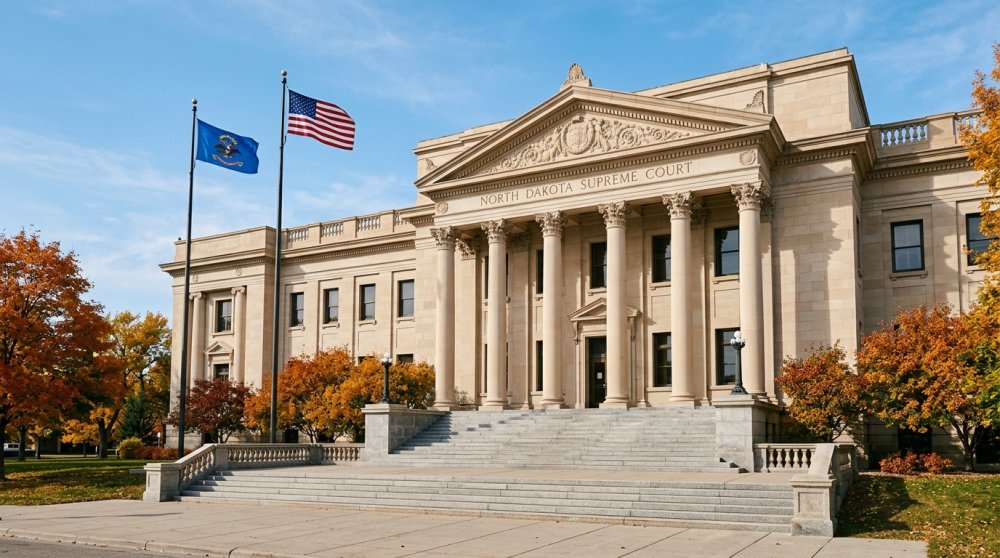
North Dakota’s Supreme Court has upheld the state’s ban on cosmetic sex-change surgeries and puberty-blocking drugs for minors who identify as the opposite sex.
The ruling affirms the legislature’s authority to safeguard children from irreversible medical procedures that lack long-term evidence of benefit.
“The Court recognizes the state’s compelling interest in protecting minors from experimental treatments with permanent consequences,”
Legal analysts note that the decision aligns with growing national momentum to restrict such interventions on minors.
Christian leaders across the state have welcomed the ruling as a victory for parental rights and biological truth.
“We thank the Court for upholding the sanctity of childhood and the boundaries God has established,”
Parents in North Dakota now have clearer legal protection against pressure to consent to life-altering procedures for their sons and daughters.
The decision reinforces that medical ethics and child welfare take precedence over ideological demands for immediate affirmation.
Let us know what you think, please share your thoughts in the comments below.

Faith Facts
- Two Christian families stood firm in their biblical convictions about parental authority and child-rearing.
- Their legal action upheld the principle that parents, not the state, bear primary responsibility for guiding their children’s moral and spiritual development.
- The settlement protects religious liberty and reinforces the traditional family structure as central to American education.
A public school district in Southern California has agreed to notify parents when lessons include LGBT-related material and allow them to opt their children out, settling a lawsuit brought by two Christian families after a book was read to their sons without their prior knowledge.
The agreement marks a significant win for families who believe that parents must have the final say in matters touching on faith and morality.
“We are grateful that our children’s school will now respect our right to guide them according to our beliefs,” one of the parents involved in the case stated.
The families had filed suit after discovering that school staff had introduced content conflicting with their Christian values without any advance notice.
Under the settlement terms, the district will implement policies requiring parental notification and opt-out options whenever LGBT-related material is part of classroom instruction.
This outcome reinforces the longstanding American principle that education should support, not undermine, the family unit.
“Parents have the God-given responsibility to raise their children in the nurture and admonition of the Lord,” another family member commented.
The district’s decision to settle demonstrates that when families unite in defense of their faith and parental rights, schools are compelled to listen.
Let us know what you think, please share your thoughts in the comments below.
Faith Facts
- A pastor was killed while traveling to lead worship in Nigeria’s Plateau State, underscoring the ongoing persecution of Christians in the region.
- At least nine believers lost their lives in coordinated attacks on rural communities over the weekend, highlighting the need for prayer and protection for the Church.
- Local Christians continue to gather for worship despite the violence, demonstrating steadfast faith in the face of persecution.
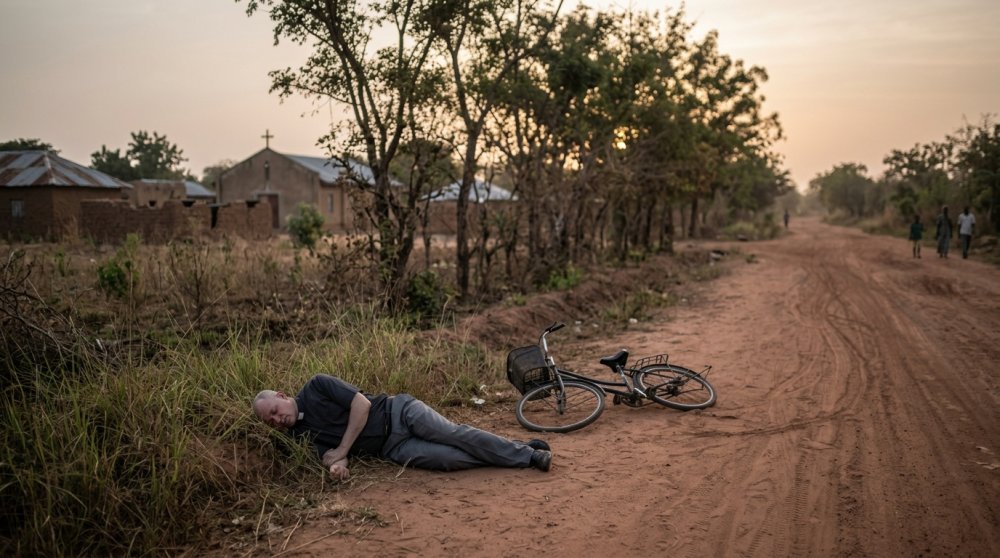
A pastor was shot and killed while traveling to a church service in Nigeria’s Plateau State on Sunday morning.
He was among at least nine people murdered in a series of attacks on rural communities over the weekend.
“This is a tragic reminder that our brothers and sisters in Nigeria are facing daily threats simply because of their faith in Christ,” local church leaders said.
The violence has left families devastated and congregations mourning faithful servants of the Lord.
“We call on the international community and all people of faith to stand with us in prayer and advocacy for peace and justice,” community representatives stated.
Let us know what you think, please share your thoughts in the comments below.


-

 Self-Reliance1 year ago
Trump’s Bold Move Uncovers Massive Social Security Fraud
-

 Faith1 year ago
New Clues Emerge in Noah’s Ark Mystery
-

 News2 years ago
Governor Walz’s Rhetoric Sparks National Controversy
-

 News1 year ago
Mel Gibson’s ‘The Passion of the Christ’ Sequel Title Announced
-

 Family2 years ago
Texas Lawmaker Targets Furries in Schools
-

 Freedom2 years ago
Maine Lawmaker Challenges Sports Fairness Controversy
-

 Family1 year ago
Canada’s Controversial Policy Sparks Ethical Debate
-
Faith10 months ago
Congress Hears Pleas for Nigerian Christians