
Faith
Massachusetts Church Wins Right to Shelter the Homeless

Faith Facts
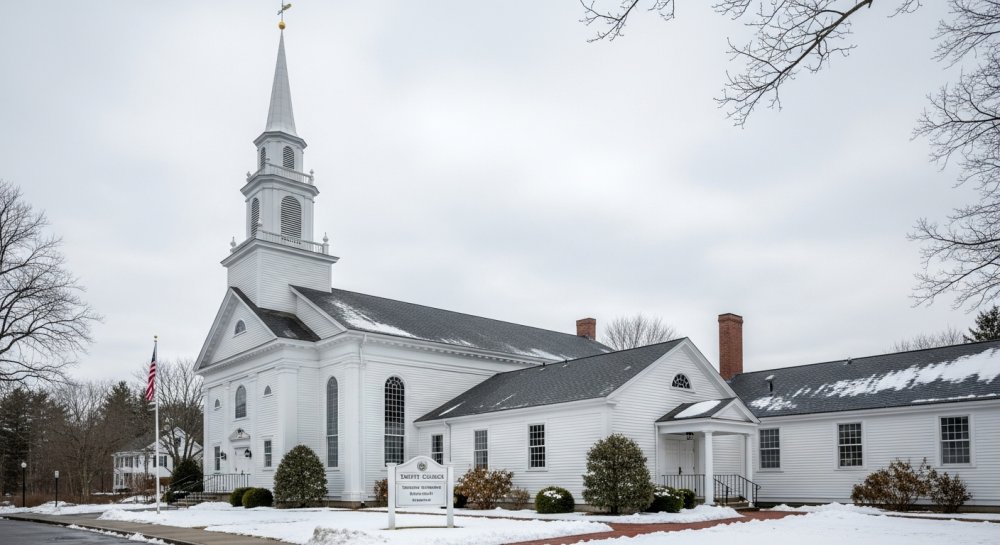
- A Massachusetts judge ruled that Trinity Church in Concord can operate an emergency homeless shelter on its property despite neighborhood opposition.
- The decision upheld the Dover Amendment, a state law protecting religious institutions’ right to use their property for religious and educational purposes.
- The church’s emergency shelter ministry serves vulnerable homeless individuals during the coldest winter months, exemplifying biblical commands to care for those in need.
A Massachusetts judge has delivered a victory for religious freedom and compassionate ministry, ruling that Trinity Church in Concord may continue operating an emergency homeless shelter on its property. The decision came despite opposition from some local residents and reinforces the constitutional protections churches have to carry out their faith-based missions.
The ruling centers on the Dover Amendment, a Massachusetts law that protects religious and educational institutions from restrictive local zoning ordinances. Judge Judith C. Cutler of the Massachusetts Land Court determined that the church’s emergency shelter falls squarely within its protected religious mission to serve “the least of these,” as commanded in Scripture.
Trinity Church’s emergency shelter operates during the coldest months of the year, providing temporary refuge for homeless individuals when conditions outside become life-threatening. This ministry directly reflects the biblical mandate to care for the poor, the stranger, and those without shelter—a calling that lies at the heart of Christian faith and practice.
The case highlights an ongoing tension in many American communities where neighbors sometimes resist faith-based charitable works in residential areas. However, the court recognized that preventing churches from such ministries would fundamentally undermine their religious freedom and their ability to live out their faith in tangible ways.
The Dover Amendment has long been recognized as an important protection for religious liberty in Massachusetts, preventing local governments from using zoning laws to discriminate against churches or restrict their religious activities. This case reaffirms that protection extends to charitable ministries that flow directly from religious conviction and biblical teaching.
For Trinity Church, the ruling represents more than a legal victory—it affirms their God-given calling to serve the most vulnerable members of their community. The emergency shelter embodies the Christian principle that faith without works is dead, and that true religion includes caring for widows, orphans, and those in distress.
The decision also sends an important message to churches across America facing similar challenges. Religious institutions have constitutional protections to carry out their missions, and courts will uphold those rights when local opposition threatens to shut down ministries that serve the poor and homeless.
As winter temperatures threaten the lives of those without shelter, Trinity Church’s emergency ministry provides not just warmth and safety, but also demonstrates the transformative love of Christ in action. The ruling ensures that this vital work can continue, protecting both religious freedom and the lives of vulnerable individuals.
Let us know what you think, please share your thoughts in the comments below.

Faith Facts
- Pastor Michael Todd serves as lead pastor of Transformation Church in Tulsa, Oklahoma.
- Todd was recently elevated to the rank of apostle in a public service at his church.
- Scripture teaches that believers should guard the biblical qualifications for spiritual leadership outlined in the New Testament.
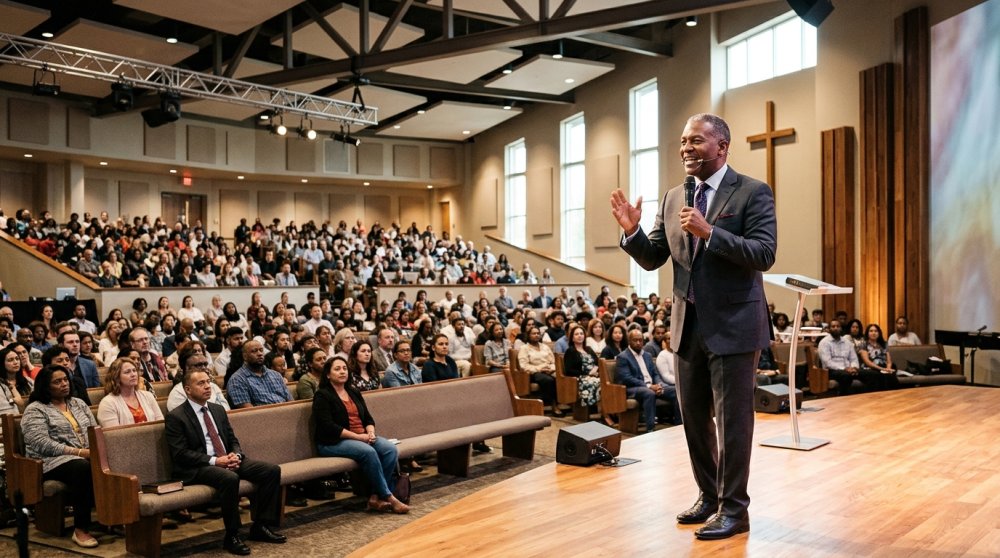
Pastor Michael Todd of Transformation Church in Tulsa, Oklahoma, says he “could care less” about what people think about his recent elevation to the rank of “apostle” in an elaborate service Sunday, which has been drawing significant criticism online.
The remarks were made after Todd’s church held a ceremony that formally recognized him with the apostolic title. The move has sparked debate among Christians online about the use of biblical titles in modern ministry.
“I could care less,” Todd stated in response to those questioning the decision.
Let us know what you think, please share your thoughts in the comments below.

Faith Facts
- Jon Rush believes Christians should skip the single-player story in Grand Theft Auto VI but remain present in the online world.
- The gaming evangelist is planting a church within the immersive digital environment of the highly anticipated release.
- Rush encourages believers to engage with the virtual world in a way that upholds traditional Christian values.
Gaming evangelist Jon Rush is sparking conversation about how Christians can respond to one of the most controversial video game releases in history.
Grand Theft Auto VI continues to generate headlines for its violent content and moral themes. Rush believes believers should approach the game with caution.
“Christians should skip the single-player story, but still engage with the immersive digital world that’s been created.”
Rather than abandon the platform entirely, Rush has chosen to plant a church inside the online version of the game.
His approach aims to bring the message of Jesus into a space where many young people spend significant time.
“He’s even planting a church there.”
This unconventional ministry highlights the growing intersection between faith and digital culture.
Rush’s decision reflects a desire to reach gamers where they are while upholding biblical principles.
Let us know what you think, please share your thoughts in the comments below.
Faith Facts
- The word “just” often appears in Christian prayers without much thought.
- Gemma Hunt suggests that this small word may reveal deeper attitudes toward God.
- Prayer is presented as an opportunity to approach the Lord with confidence and reverence.
It’s a tiny word that slips into almost every prayer: “Lord, I just want to thank you.”
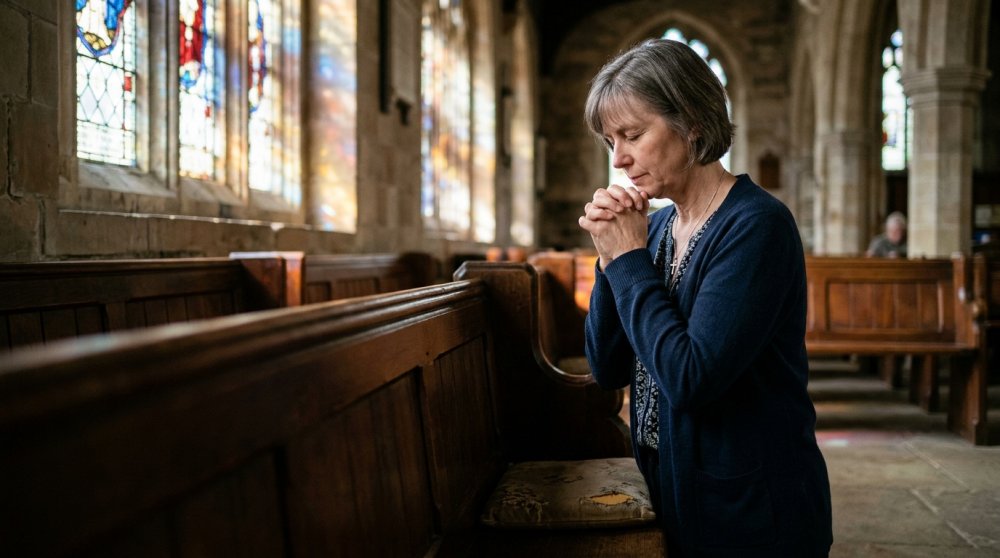
But Gemma Hunt says your seemingly innocent use of ‘just’ may be revealing something significant about how you see yourself before God.
“Lord, I just want to thank you.”
Hunt argues that repeatedly using the word “just” can unintentionally diminish the boldness and reverence believers are called to bring into prayer.
She encourages Christians to examine whether this habit reflects a lack of confidence in approaching the throne of grace.
“It may be revealing something significant about how you see yourself before God.”
Let us know what you think, please share your thoughts in the comments below.


-

 Self-Reliance2 years ago
Trump’s Bold Move Uncovers Massive Social Security Fraud
-
 Faith2 years ago
New Clues Emerge in Noah’s Ark Mystery
-

 News2 years ago
Governor Walz’s Rhetoric Sparks National Controversy
-

 News2 years ago
Mel Gibson’s ‘The Passion of the Christ’ Sequel Title Announced
-

 Family2 years ago
Texas Lawmaker Targets Furries in Schools
-

 Freedom2 years ago
Maine Lawmaker Challenges Sports Fairness Controversy
-

 Family1 year ago
Canada’s Controversial Policy Sparks Ethical Debate
-
Faith12 months ago
Congress Hears Pleas for Nigerian Christians