
News
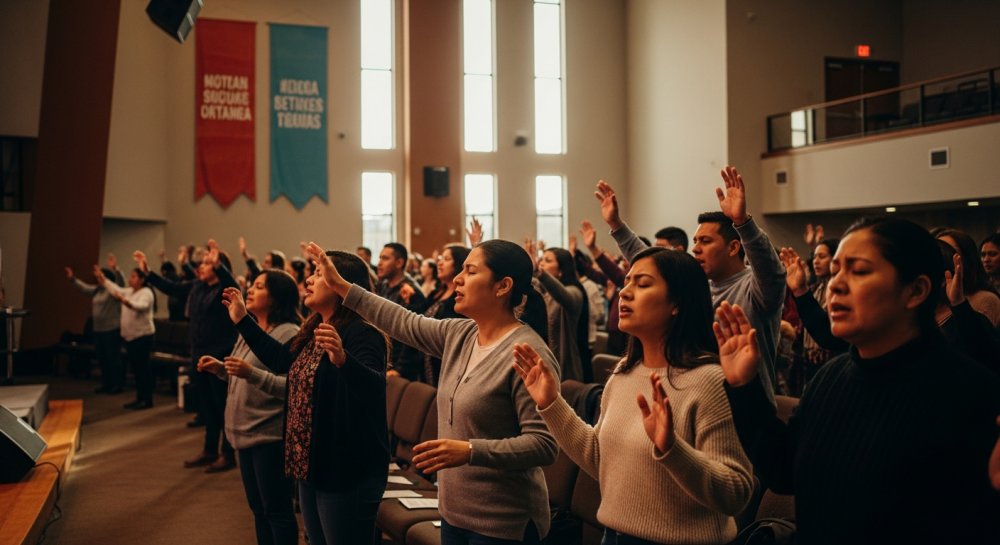
Major Global Survey Reveals Unexpected Shift in Christian Denominational Allegiances

Faith Facts
- A Pew Research Center global study finds Catholicism experiencing net membership losses through religious switching in nearly every country surveyed.
- Protestantism has recorded significant gains in several regions, with Latin America showing the most pronounced shifts.
- The findings highlight a major demographic transformation within global Christianity affecting traditional denominational boundaries.
A comprehensive new study from the Pew Research Center has documented a significant transformation in the global Christian landscape, with findings that reveal dramatic shifts in denominational allegiances across multiple continents.
The research shows that Catholicism has experienced net losses through religious switching in nearly every country examined. These losses represent individuals who were raised Catholic but have since identified with other faith traditions or left organized religion entirely.
In contrast, Protestant denominations have seen membership gains in several key regions around the world. The most striking growth has occurred in Latin America, a region historically dominated by Catholic affiliation and influence.
The study’s findings underscore the dynamic nature of religious identity in the modern era. Traditional denominational loyalties that once remained stable across generations are now subject to unprecedented change and individual choice.
For American Christians, these global trends mirror patterns observed domestically, where denominational switching and religious disaffiliation have become increasingly common. The research highlights the ongoing challenge facing all Christian traditions to maintain intergenerational faith transmission.
The data reveals that personal faith decisions are reshaping the demographics of Christianity worldwide. Churches and ministries are being called to renewed emphasis on authentic discipleship, biblical teaching, and vibrant community that speaks to contemporary spiritual seekers.
Latin America’s shift toward Protestantism represents one of the most significant religious demographic changes of the past several decades. This transformation carries implications for cultural, social, and political dynamics throughout the region.
The Pew Research Center’s comprehensive methodology provides valuable insight into how religious identity evolves across different cultural contexts. The findings offer important data for church leaders, missionaries, and ministry strategists seeking to understand contemporary faith patterns.
These trends point to the ongoing need for faithful Christian witness that combines sound doctrine with genuine spiritual vitality. The movement between denominations also highlights questions about catechesis, community engagement, and the transmission of theological distinctives.
For traditional believers, the study serves as both a challenge and an opportunity—a call to strengthen foundations while remaining committed to the timeless gospel message that transcends denominational boundaries.
Let us know what you think, please share your thoughts in the comments below.

Faith Facts
- The Gospel Coalition published and then appeared to reverse guidance on married couples sitting together during worship services.
- Christian leaders affirm that marriage is a sacred covenant ordained by God for companionship and spiritual unity.
- Scripture teaches that husbands and wives are called to live out their faith together in the home and in the church.
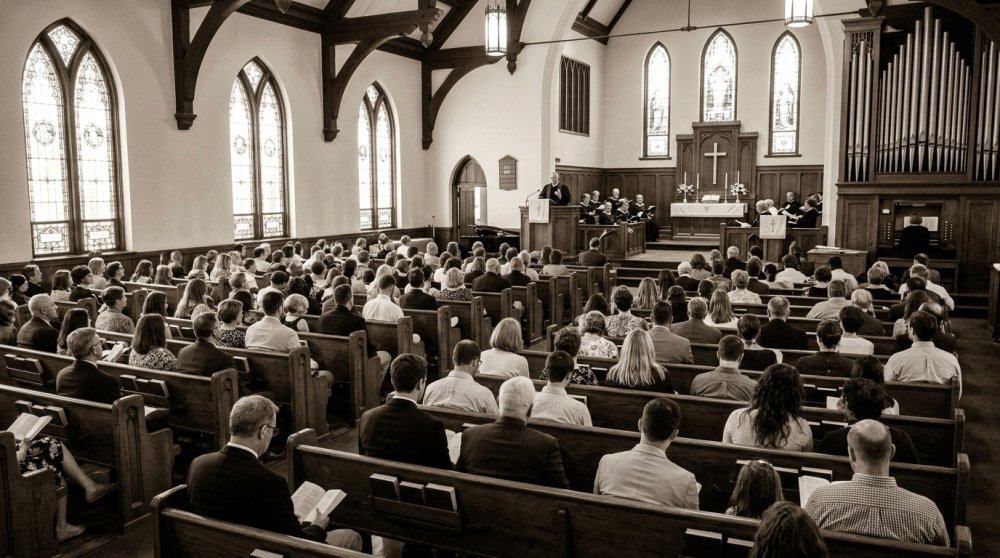
The Gospel Coalition faced swift pushback after one of its articles suggested that married couples should stop sitting together at church.
The piece, which appeared on both the U.S. and Australian TGC sites, sparked immediate debate among contributing pastors and readers who hold fast to traditional biblical views of marriage.
“Marriage is a picture of Christ and the church,” one pastor noted, emphasizing the importance of visible unity within the congregation.
Many believers expressed concern that separating husbands and wives during worship undermines the witness of a Christ-centered home.
“Let marriage be held in honor among all,” the writer of Hebrews declares, underscoring the value Scripture places on the marital bond.
The controversy highlights a deeper tension between modern cultural trends and the historic Christian teaching that family worship strengthens both the church and the nation.
Let us know what you think, please share your thoughts in the comments below.

Faith Facts
- Proverbs 14:21 reminds believers that showing compassion to the needy honors the Lord, not the powerful.
- 1 Timothy 2:1-2 calls Christians to pray for leaders so that we may lead quiet and peaceable lives.
- Psalm 33:12 declares that the nation whose God is the Lord is blessed, grounding patriotism in faith.
Rich Baris, the pollster who correctly forecast the 2022 Republican midterm gains, now warns that many young men who once backed President Donald Trump have turned away.
Baris told viewers that the shift was driven by two main frustrations: the high cost of living and anger over what he called Israeli influence in American politics.
“They’re done,” he stated bluntly.
According to Baris, these voters felt their economic struggles were ignored while foreign interests appeared to shape U.S. policy.
He argued that the combination of rising prices and foreign-policy concerns pushed this demographic out of the Republican column in recent elections.
The pollster stressed that the change was not rooted in traditional party loyalty but in immediate household pressures and perceptions of Washington priorities.
Baris urged Republican strategists to recognize that younger voters are watching results, not rhetoric.
Let us know what you think, please share your thoughts in the comments below.
Faith Facts
- Households earning under $30,000 give 10% of their income to churches and charities at nearly twice the rate of households earning over $100,000.
- Generous giving among lower-income families remains closely tied to religious belief and regular church attendance.
- The study highlights that sacrificial giving is a hallmark of faithful Christian practice across economic lines.
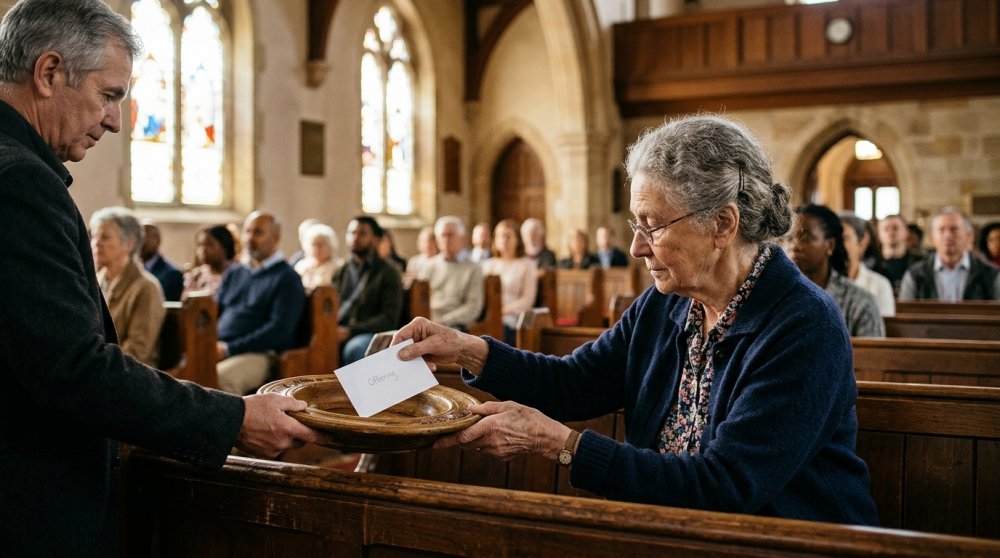
According to a new study, American households making less than $30,000 a year are nearly twice as likely as those making over $100,000 a year to donate at least 10% of their incomes to churches or charities.
The findings suggest that giving patterns remain closely tied to religious belief and practice. Lower-income families often view their tithes and offerings as an act of worship and obedience to God.
The research underscores a biblical truth long held by Christian communities: generosity is not measured by the size of the gift but by the heart behind it. Jesus Himself praised the widow who gave her last two coins, noting that she gave more than the wealthy because she gave all she had.
Let us know what you think, please share your thoughts in the comments below.


-

 Self-Reliance2 years ago
Trump’s Bold Move Uncovers Massive Social Security Fraud
-
 Faith2 years ago
New Clues Emerge in Noah’s Ark Mystery
-

 News2 years ago
Governor Walz’s Rhetoric Sparks National Controversy
-

 News2 years ago
Mel Gibson’s ‘The Passion of the Christ’ Sequel Title Announced
-

 Family2 years ago
Texas Lawmaker Targets Furries in Schools
-

 Freedom2 years ago
Maine Lawmaker Challenges Sports Fairness Controversy
-

 Family1 year ago
Canada’s Controversial Policy Sparks Ethical Debate
-
Faith12 months ago
Congress Hears Pleas for Nigerian Christians