
News
Kenyan Christians Sound Alarm Over New Tax Bill

Faith Facts
- Two major Christian organizations in Kenya are calling on lawmakers to reject portions of the Finance Bill 2026, citing concerns over economic burdens on families and businesses.
- The appeal comes amid memories of deadly 2024 tax protests that claimed dozens of lives across Kenya.
- Church leaders warn the proposed tax measures could deepen poverty and hinder the nation’s economic recovery.
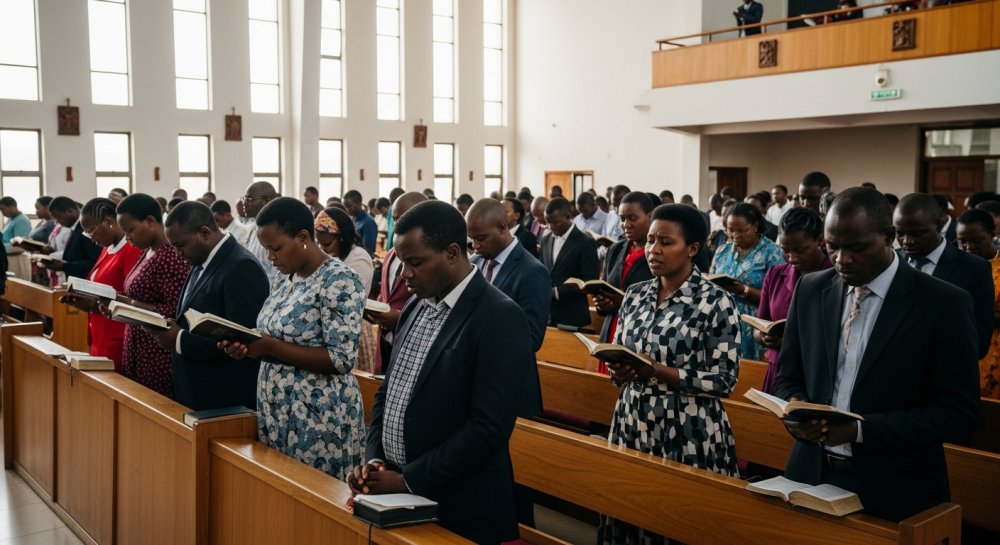
Kenya’s Christian community is taking a stand against government overreach. Two of the nation’s leading Christian organizations have issued urgent appeals to members of parliament, urging them to thoroughly review and amend the Finance Bill 2026 before it becomes law.
The faith leaders are warning that proposed tax measures in the bill could inflict severe economic hardship on Kenyan families and businesses alike. Their concerns carry particular weight given the violent tax protests that rocked the nation in 2024, leaving dozens dead and exposing deep public frustration with government fiscal policy.
The Christian groups argue that rather than stimulating economic growth as intended, the new tax provisions could have the opposite effect — stifling entrepreneurship, deepening poverty, and placing unsustainable burdens on households already struggling with inflation and unemployment.
This faith-based intervention reflects a broader principle that good governance must balance the legitimate revenue needs of government with the economic wellbeing of citizens. Christian teaching emphasizes stewardship, fair dealing, and protection of the vulnerable — principles that should guide all public policy decisions.
The 2024 tax protests serve as a sobering reminder that when governments lose touch with the struggles of ordinary citizens, the results can be catastrophic. The loss of life during those demonstrations underscores the urgent need for lawmakers to listen to voices of reason and restraint.
Kenya’s church leaders are exercising their prophetic role by speaking truth to power. They understand that healthy economies require policies that empower families and businesses, not crush them under excessive taxation. Their willingness to engage the political process demonstrates responsible Christian citizenship.
As parliament considers the Finance Bill 2026, lawmakers would be wise to heed the warnings from Kenya’s Christian community. The alternative — repeating the mistakes that led to deadly unrest in 2024 — is simply unacceptable.
The outcome of this debate will reveal whether Kenya’s government prioritizes short-term revenue collection or long-term economic health and social stability. For the sake of the nation’s families and future, the choice should be clear.
Let us know what you think, please share your thoughts in the comments below.

Faith Facts
- The Gospel Coalition published and then appeared to reverse guidance on married couples sitting together during worship services.
- Christian leaders affirm that marriage is a sacred covenant ordained by God for companionship and spiritual unity.
- Scripture teaches that husbands and wives are called to live out their faith together in the home and in the church.
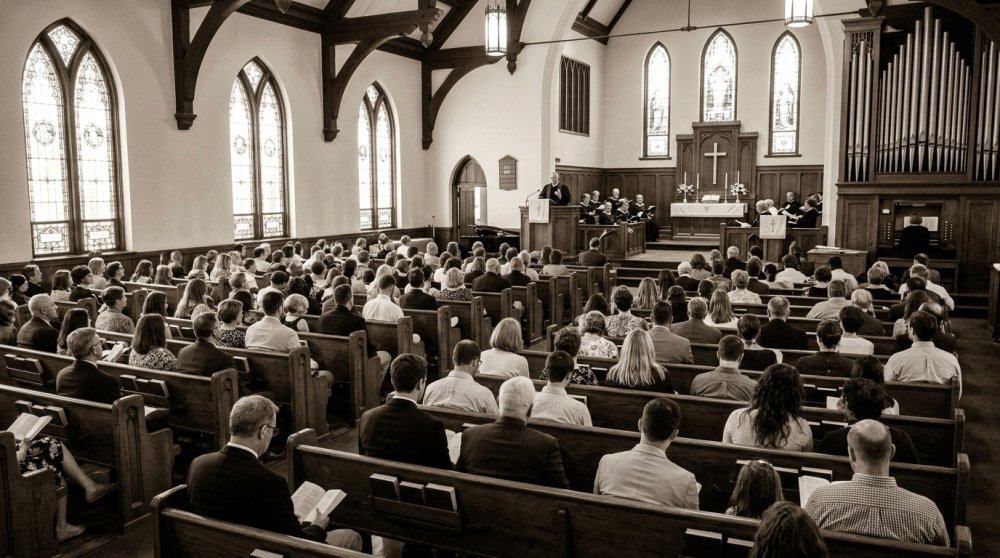
The Gospel Coalition faced swift pushback after one of its articles suggested that married couples should stop sitting together at church.
The piece, which appeared on both the U.S. and Australian TGC sites, sparked immediate debate among contributing pastors and readers who hold fast to traditional biblical views of marriage.
“Marriage is a picture of Christ and the church,” one pastor noted, emphasizing the importance of visible unity within the congregation.
Many believers expressed concern that separating husbands and wives during worship undermines the witness of a Christ-centered home.
“Let marriage be held in honor among all,” the writer of Hebrews declares, underscoring the value Scripture places on the marital bond.
The controversy highlights a deeper tension between modern cultural trends and the historic Christian teaching that family worship strengthens both the church and the nation.
Let us know what you think, please share your thoughts in the comments below.

Faith Facts
- Proverbs 14:21 reminds believers that showing compassion to the needy honors the Lord, not the powerful.
- 1 Timothy 2:1-2 calls Christians to pray for leaders so that we may lead quiet and peaceable lives.
- Psalm 33:12 declares that the nation whose God is the Lord is blessed, grounding patriotism in faith.
Rich Baris, the pollster who correctly forecast the 2022 Republican midterm gains, now warns that many young men who once backed President Donald Trump have turned away.
Baris told viewers that the shift was driven by two main frustrations: the high cost of living and anger over what he called Israeli influence in American politics.
“They’re done,” he stated bluntly.
According to Baris, these voters felt their economic struggles were ignored while foreign interests appeared to shape U.S. policy.
He argued that the combination of rising prices and foreign-policy concerns pushed this demographic out of the Republican column in recent elections.
The pollster stressed that the change was not rooted in traditional party loyalty but in immediate household pressures and perceptions of Washington priorities.
Baris urged Republican strategists to recognize that younger voters are watching results, not rhetoric.
Let us know what you think, please share your thoughts in the comments below.
Faith Facts
- Households earning under $30,000 give 10% of their income to churches and charities at nearly twice the rate of households earning over $100,000.
- Generous giving among lower-income families remains closely tied to religious belief and regular church attendance.
- The study highlights that sacrificial giving is a hallmark of faithful Christian practice across economic lines.
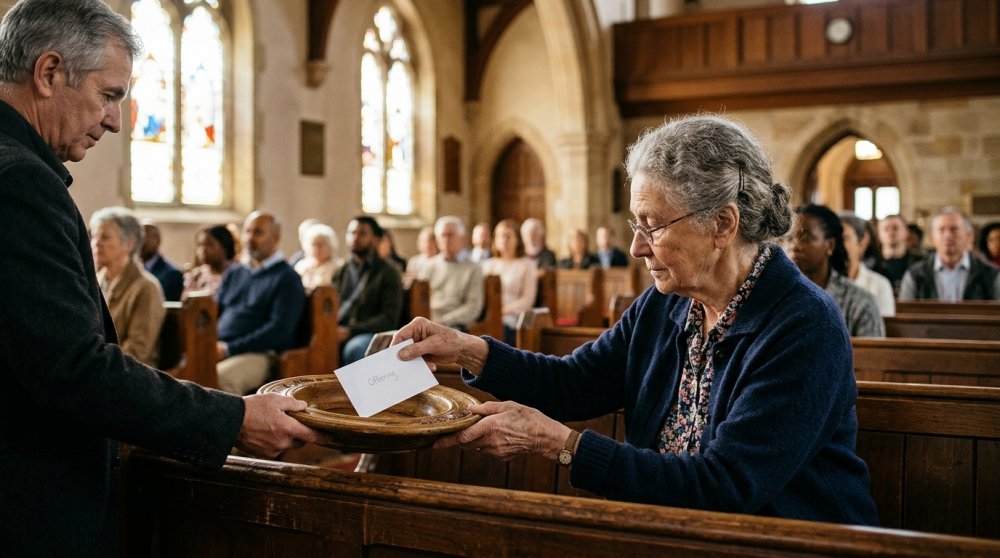
According to a new study, American households making less than $30,000 a year are nearly twice as likely as those making over $100,000 a year to donate at least 10% of their incomes to churches or charities.
The findings suggest that giving patterns remain closely tied to religious belief and practice. Lower-income families often view their tithes and offerings as an act of worship and obedience to God.
The research underscores a biblical truth long held by Christian communities: generosity is not measured by the size of the gift but by the heart behind it. Jesus Himself praised the widow who gave her last two coins, noting that she gave more than the wealthy because she gave all she had.
Let us know what you think, please share your thoughts in the comments below.


-

 Self-Reliance2 years ago
Trump’s Bold Move Uncovers Massive Social Security Fraud
-
 Faith2 years ago
New Clues Emerge in Noah’s Ark Mystery
-

 News2 years ago
Governor Walz’s Rhetoric Sparks National Controversy
-

 News2 years ago
Mel Gibson’s ‘The Passion of the Christ’ Sequel Title Announced
-

 Family2 years ago
Texas Lawmaker Targets Furries in Schools
-

 Freedom2 years ago
Maine Lawmaker Challenges Sports Fairness Controversy
-

 Family1 year ago
Canada’s Controversial Policy Sparks Ethical Debate
-
Faith12 months ago
Congress Hears Pleas for Nigerian Christians