
News
JD Vance Draws Sharp Line Between Church Authority and Foreign Policy

Faith Facts
- Vice President JD Vance urged the Vatican to focus on morality and internal Church matters rather than weighing in on U.S. policy decisions
- The comments come after President Trump criticized Pope Leo over disagreements on foreign policy and national security issues
- Vance suggested that disagreement between the Catholic Church leadership and the Trump administration on political matters is natural and inevitable
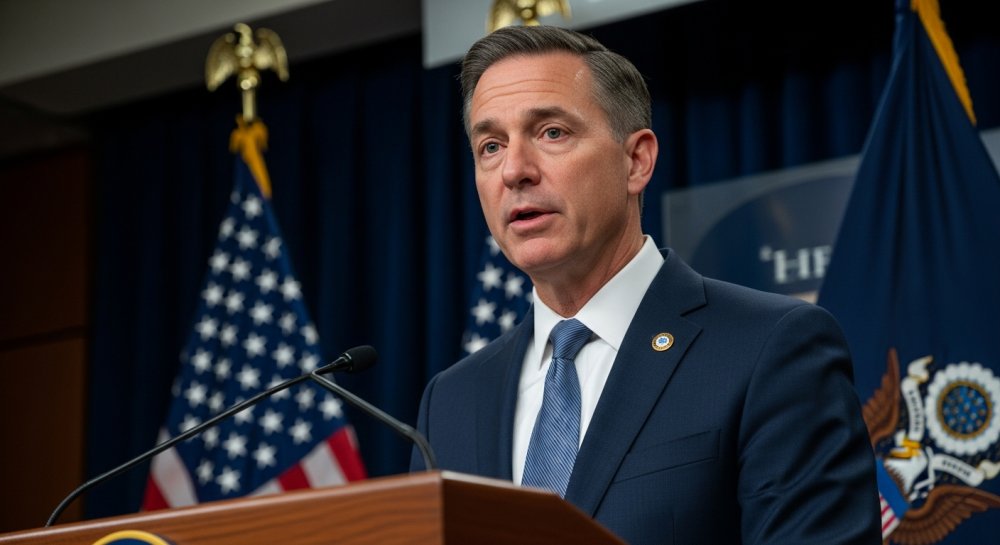
Vice President JD Vance has entered the ongoing conversation about the proper role of religious authority in political affairs, offering a pointed response to recent tensions between President Donald Trump and Pope Leo. His message was clear: the Vatican should concentrate on spiritual and moral guidance rather than inserting itself into matters of American governance and foreign policy.
Vance’s remarks come at a time when many Christian conservatives are wrestling with the balance between respecting religious leadership and maintaining national sovereignty. The Vice President made the case that while the Catholic Church holds an important role in addressing moral questions, disagreement on political and policy matters between Church leaders and elected officials is not only acceptable but expected.
“The Vatican should stick to matters of morality and what’s going on in the Catholic Church,” Vance stated, drawing a distinction between the spiritual mission of the Church and the practical responsibilities of secular government.
The Trump administration has faced criticism from various religious quarters on issues ranging from immigration enforcement to foreign policy decisions. However, many Christian conservatives argue that American leaders have a constitutional duty to prioritize the security and interests of American citizens, even when those decisions may not align with the political preferences of international religious figures.
This latest exchange highlights a broader question facing people of faith in America: when does rightful spiritual guidance cross the line into political interference? For many believers who value both their faith and their country, the answer lies in recognizing that religious leaders can offer moral wisdom without dictating specific policy outcomes.
The Vice President’s comments reflect a growing sentiment among Christian conservatives that religious institutions should focus on their core mission of spiritual guidance, evangelism, and addressing moral decay within their own communities. This perspective doesn’t diminish the importance of faith in public life; rather, it affirms that elected officials must answer to the voters who put them in office and the Constitution they swore to uphold.
President Trump’s willingness to disagree publicly with Pope Leo on certain issues demonstrates the administration’s commitment to putting American interests first, even when facing pressure from influential international voices. For supporters of the administration, this represents the kind of principled leadership they voted for—one that respects religious faith while maintaining independence in matters of national policy.
The tension between religious authority and political sovereignty is not new in American history. The Founders carefully crafted a system that protects religious freedom while preventing any single religious institution from exercising governmental power. Vance’s comments can be seen as a reaffirmation of these founding principles.
Let us know what you think, please share your thoughts in the comments below.

Faith Facts
- Fifty pro-life leaders, including pastors, issued a joint statement urging the FDA nominee to restore safety standards on mifepristone.
- The leaders emphasize protecting the unborn and upholding traditional family values in public policy.
- The statement calls for a thorough safety review before any further regulatory decisions on the abortion drug.
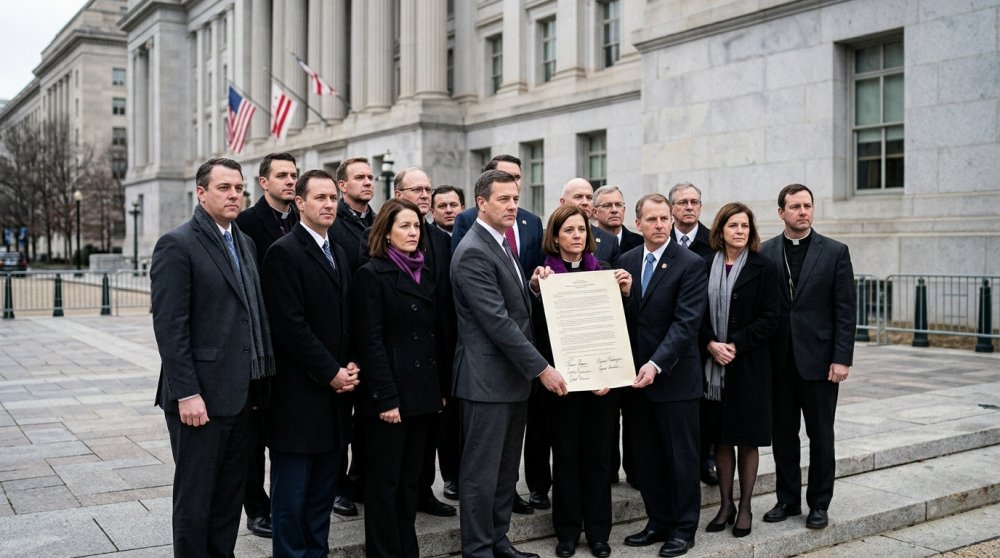
A coalition of 50 pro-life leaders, including pastors, released a joint statement on Thursday calling on FDA Commissioner nominee Dr. Heidi Overton to restore earlier safeguards on the abortion drug mifepristone while the agency finishes a long-running safety review.
“We urge Dr. Overton to prioritize the health and safety of women and the protection of unborn life by reinstating the minimal safeguards that were previously in place,”
The leaders’ statement highlights the importance of restoring safeguards that were removed in recent years.
“The FDA has a responsibility to ensure that all medications, especially those used to end unborn lives, meet the highest standards of safety and oversight,”
Let us know what you think, please share your thoughts in the comments below.
Faith Facts
- The Word of God teaches that truth will prevail over oppressive regimes that seek to silence people.
- Free access to information aligns with biblical principles of liberty and human dignity.
- Christian believers are called to stand for righteousness and support nations that defend freedom.
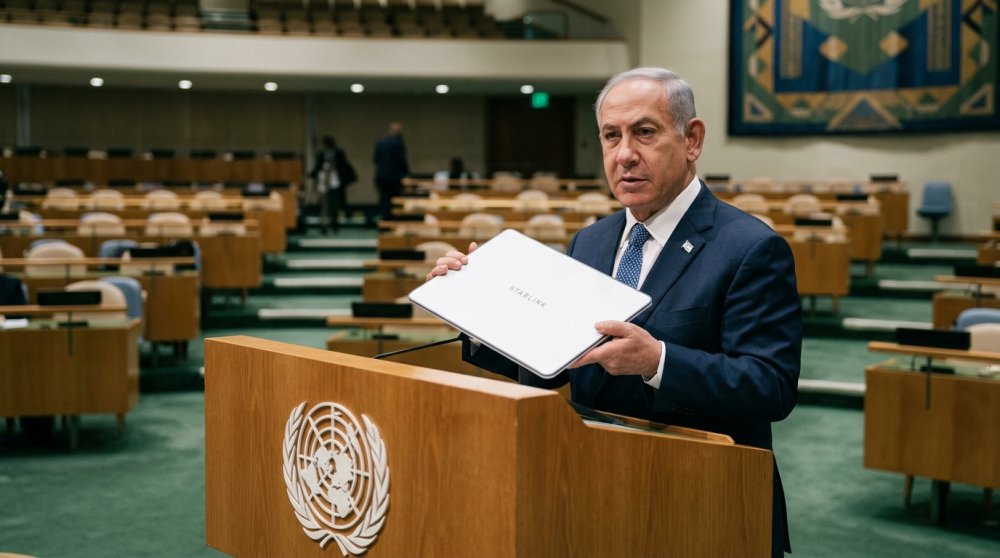
Israeli Prime Minister Benjamin Netanyahu addressed the United Nations General Assembly with a Starlink satellite internet device in hand. He used the device to highlight how the Iranian regime restricts its citizens’ access to the outside world.
Netanyahu stated that the regime’s days are numbered. He made clear that the government in Tehran cannot forever hide the truth from its own people.
“Their murderous regime will fall.”
The demonstration drew attention to the contrast between open societies and authoritarian states. Netanyahu emphasized that modern technology can bypass censorship and empower ordinary citizens.
Many observers saw the move as a symbolic gesture against tyranny. The Prime Minister connected the device to broader calls for freedom and accountability in the Middle East.
Let us know what you think, please share your thoughts in the comments below.
Faith Facts
- God calls His people to uphold justice and reject deceit in all civic matters
- Scripture commands citizens to respect lawful authority and honest elections
- Truth and integrity remain foundational to a free and godly republic
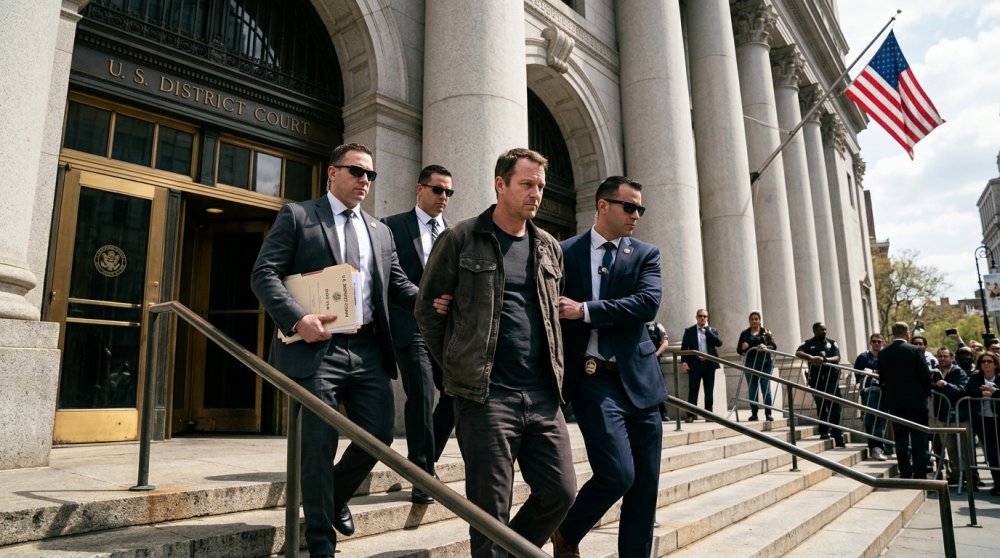
The U.S. Department of Justice has charged sixteen individuals in a sweeping federal operation targeting illegal voting practices ahead of the November midterms. Among those arrested is a Venezuelan DACA recipient, underscoring the ongoing challenge of securing the nation’s electoral process.
Officials say the arrests reflect a renewed commitment to enforcing voter eligibility laws and protecting the sanctity of the ballot box. The DOJ’s action sends a clear message that attempts to undermine fair elections will face serious consequences.
“We will not tolerate any form of voter fraud,” a senior Justice official stated.
The operation comes as states across the country prepare for high-stakes contests that could shape policy for years to come. Lawmakers and election officials have stressed that only citizens meeting all legal requirements should cast ballots.
“Every legal vote must count and every illegal vote must be prevented,” another official remarked.
Christian conservatives have long warned that weak enforcement invites fraud and erodes public trust. Many view the DOJ’s crackdown as a necessary step toward restoring confidence in America’s democratic institutions.
Let us know what you think, please share your thoughts in the comments below.


-

 Self-Reliance1 year ago
Trump’s Bold Move Uncovers Massive Social Security Fraud
-

 Faith1 year ago
New Clues Emerge in Noah’s Ark Mystery
-

 News2 years ago
Governor Walz’s Rhetoric Sparks National Controversy
-

 News1 year ago
Mel Gibson’s ‘The Passion of the Christ’ Sequel Title Announced
-

 Family2 years ago
Texas Lawmaker Targets Furries in Schools
-

 Freedom2 years ago
Maine Lawmaker Challenges Sports Fairness Controversy
-

 Family1 year ago
Canada’s Controversial Policy Sparks Ethical Debate
-
Faith10 months ago
Congress Hears Pleas for Nigerian Christians