
Faith
Is Jesus Truly the Only Way to God?

Faith Facts
- Christianity teaches that Jesus is the sole path to God and eternal life.
- Pluralism suggests all religions lead to the divine, but logic reveals exclusive truth claims cannot all be correct.
- Jesus’s sacrifice and resurrection offer salvation as a free gift to anyone, transcending culture and background.
In a world that prizes tolerance and inclusivity, the exclusive claim of Christ as the only way to God often sparks intense debate. Christianity stands boldly on Jesus’s words, affirming that He alone can reconcile us to the Father.
Religious pluralism has grown alongside our increasingly connected global community, presenting the idea that many spiritual paths lead to the same destination. Yet, a closer examination highlights that core beliefs among major world religions profoundly differ, especially in their understanding of God and salvation.
Christian teaching claims that human sin has created a barrier that only God Himself, through Jesus, could repair. Christians proclaim the gospel—good news that Jesus’s death and resurrection make fellowship with God possible, not because of our efforts, but through faith in Christ’s finished work.
“Jesus said to him, ‘I am the way, and the truth, and the life. No one comes to the Father except through me.’” (John 14:6)
The belief that not all roads lead to God isn’t rooted in arrogance, but in the conviction that truth by nature is exclusive. Unlike preferences, truth corresponds to reality—for instance, two contradictory beliefs cannot both be correct.
Faith in Jesus is not culturally exclusive; His invitation is universal and inclusive of every person who seeks forgiveness and new life. This conviction has propelled Christianity’s growth across nations and backgrounds, making Christ’s hope available worldwide.
Remain steadfast in sharing the hope and certainty that Christ offers, confident in the truth of the gospel and committed to living out faith, family, and freedom in every sphere of society.



Faith Facts
- Reform UK’s head of policy confirms the party will be ‘far friendlier’ to Christians than other parties if they win office
- Party leadership demonstrates genuine commitment to Christianity beyond political rhetoric, according to senior officials
- Reform positioning itself as alternative for voters seeking policies aligned with traditional Christian values
Reform UK is making a bold promise to Christian voters: if elected to office, the party will be significantly more supportive of Christianity than any other political party. This commitment comes directly from the party’s head of policy, signaling a deliberate strategic direction that prioritizes traditional faith values.
The party’s approach represents a departure from what many Christians perceive as indifference or hostility from establishment parties. By explicitly committing to policies that support Christian communities and values, Reform is positioning itself as a home for voters who feel their faith has been marginalized in the public square.
According to Reform’s head of policy, party leader Nigel Farage is demonstrating authentic support for Christianity that goes beyond mere political posturing.
“Farage is not just giving lip service to Christianity,” the policy chief stated.
This assurance addresses a common concern among Christian voters who have grown weary of politicians who court their votes during election season but fail to defend their values once in office. The emphasis on genuine commitment rather than superficial appeals suggests Reform understands the importance of credibility with faith-based constituents.
The party’s explicit promise to be “far friendlier” to Christians touches on issues that have concerned many believers in recent years. From freedom of conscience protections to defending traditional family structures, Christians across the Western world have watched as policies increasingly conflict with their deeply held beliefs.
Reform’s positioning comes at a time when many Christians feel their values are under assault in the political arena. Issues such as religious liberty, parental rights, and the sanctity of life have become flashpoints where traditional Christian teaching often conflicts with progressive political agendas.
By staking out clear ground as a party that will actively support Christian communities, Reform is offering an alternative to voters who feel politically homeless. This strategy recognizes the significant voting bloc that Christians represent and acknowledges their desire for political representation that respects rather than dismisses their worldview.
The question now is whether Reform can translate these commitments into concrete policies that defend religious freedom, support faith-based institutions, and uphold traditional values. For Christian voters weighing their options, actions will ultimately speak louder than words.
Let us know what you think, please share your thoughts in the comments below.
Faith Facts
- The All-Party Parliamentary Group has launched a formal inquiry into safeguarding practices across churches, mosques, temples, and other religious organizations in the United Kingdom
- The investigation aims to strengthen child protection measures within faith communities following ongoing concerns about abuse prevention
- Religious institutions across denominations will be examined for their policies and procedures protecting vulnerable members
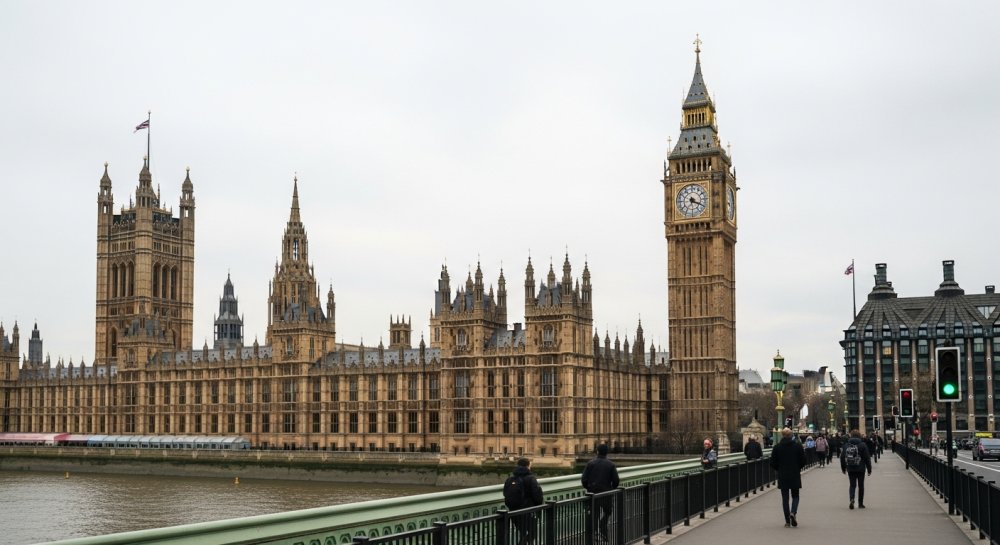
A British parliamentary body has initiated a comprehensive examination of how religious institutions protect children and vulnerable individuals. The All-Party Parliamentary Group on Safeguarding in Faith Communities (APPG) announced the launch of its inquiry, signaling increased governmental scrutiny of safety practices within houses of worship.
The investigation will focus on child protection measures across multiple faith traditions, including Christian churches, mosques, temples, and other religious settings throughout the United Kingdom. This development comes at a time when churches worldwide have faced mounting pressure to demonstrate accountability and transparency in their safeguarding protocols.
For American Christians watching developments across the Atlantic, this inquiry represents a broader international conversation about how faith communities can best fulfill their biblical mandate to protect the vulnerable. Scripture repeatedly calls believers to defend the defenseless and ensure that places of worship remain sanctuaries in the truest sense of the word.
The parliamentary group’s work reflects growing recognition that religious freedom must be balanced with rigorous protection standards for children and at-risk individuals. Churches in America have similarly strengthened their safeguarding policies in recent years, implementing background checks, training requirements, and reporting protocols designed to prevent abuse.
While the details of the British inquiry are still emerging, faith leaders on both sides of the Atlantic agree that protecting children is a sacred responsibility that transcends denominational boundaries. The challenge lies in developing effective oversight mechanisms that respect religious autonomy while ensuring that no institution becomes a haven for predators.
As this investigation unfolds, it may provide valuable insights for American congregations seeking to enhance their own protective measures. The ultimate goal remains unchanged: creating environments where families can worship freely, knowing their children are safe under the watchful care of faithful stewards.
Let us know what you think, please share your thoughts in the comments below.
Faith Facts
- Pastor John Piper affirms that believers enter Christ’s presence immediately upon death, rejecting the “soul sleep” doctrine
- The biblical evidence shows consciousness continues after death, with believers experiencing immediate fellowship with Jesus
- This teaching provides comfort and hope to Christian families facing loss and grief
Pastor and theologian John Piper has delivered a powerful message of hope for believers concerned about what happens in the moments after death. In a clear rejection of the “soul sleep” doctrine, Piper emphasized that Christians do not enter an unconscious state but instead are welcomed immediately into the presence of Jesus Christ.
The question of what happens between death and resurrection has puzzled many Christians throughout history. Some have suggested that believers enter a period of unconscious existence, waiting in a sleep-like state until Christ’s return. But Piper’s teaching provides biblical clarity on this crucial matter of faith.
According to the respected pastor, Scripture provides clear evidence that our souls remain conscious and aware after physical death. For believers, this means an immediate transition into the glorious presence of our Savior, not a period of darkness or unknowing.
This understanding carries profound implications for how Christians approach death and grief. Rather than viewing death as a frightening void or period of unconscious waiting, believers can take comfort in knowing their loved ones who died in Christ are already experiencing the joy of His presence.
The doctrine of immediate presence with Christ upon death has been the mainstream Christian teaching for centuries, rooted in biblical passages that describe believers departing to be with the Lord. This view stands in stark contrast to various alternative theories that have emerged over the years.
Piper’s affirmation of this traditional Christian doctrine provides reassurance to families walking through the valley of grief. The knowledge that Christian loved ones are not sleeping unconsciously but are alive and aware in Christ’s presence brings genuine comfort during life’s most difficult moments.
For American Christians navigating an increasingly secular culture that often denies or dismisses life after death entirely, this biblical teaching stands as a beacon of hope. It reminds us that our faith is not wishful thinking but grounded in the promises of God’s Word.
The pastor’s teaching also underscores the importance of sound biblical theology in addressing life’s biggest questions. In an age of confusion and competing voices, returning to Scripture for answers remains the foundation of genuine Christian faith.
Let us know what you think, please share your thoughts in the comments below.


-

 Self-Reliance1 year ago
Trump’s Bold Move Uncovers Massive Social Security Fraud
-

 Faith1 year ago
New Clues Emerge in Noah’s Ark Mystery
-

 News1 year ago
Governor Walz’s Rhetoric Sparks National Controversy
-

 News1 year ago
Mel Gibson’s ‘The Passion of the Christ’ Sequel Title Announced
-

 Family1 year ago
Texas Lawmaker Targets Furries in Schools
-

 Freedom1 year ago
Maine Lawmaker Challenges Sports Fairness Controversy
-

 Family12 months ago
Canada’s Controversial Policy Sparks Ethical Debate
-
Faith5 months ago
Congress Hears Pleas for Nigerian Christians