
Faith
Immigration Delays Disrupt Christian University Students

Faith Facts
- Federal visa interviews were paused, preventing many international students from reaching Christian universities for fall classes.
- Policy changes and bans impacted students from countries such as Rwanda, Myanmar, Venezuela, and Iran, with immediate effects on enrollment and student futures.
- Christian universities are turning to prayer, increased communication, and faith-based support as they help international students face uncertainty.
Several Rwandan students could not return to Oklahoma Christian University due to paused summer visa appointments. Many other schools with Church of Christ ties report similar hurdles, affecting their ability to welcome new and returning students from abroad.
Delays arose because the Department of State instructed embassies to temporarily stop student visa interviews, then later added strict vetting protocols. This resulted in appointment dates far beyond the start of the academic term for many hopeful scholars.
“We’ve appealed those dates for an expedited process to see if we can get them here sooner,” said John Osborne, Oklahoma Christian’s director of international programs.
Rochester Christian University and Freed-Hardeman University officials described students forced to reschedule interviews too late for the semester or facing denied renewals despite prior US study. Some students, though already established at their schools, are left waiting for the opportunity to return and continue their education.
“He went home for the summer, his visa expired, and he was trying to renew it. They won’t renew his visa even though he’s already been here. His appointment is scheduled a month and a half away from now.”
Additional visa restrictions this spring caused the revocation or termination of visas for more than 1,800 international students, including some at Oklahoma Christian. Some bans target new student and business visas from several countries, further complicating plans for students from affected nations.
Lucy Dawson, Abilene Christian University’s PDSO, said that a graduate student from Myanmar cannot enter the country due to the proclamation’s ban on new visas from his nation.
Grant Goodman from Freed-Hardeman shared that Venezuelan students face arrival under temporary protected status, which may soon expire, leaving their education uncertain. Students from Iran and other named countries worry that even minor infractions could jeopardize their future in the United States.
“In the world of immigration, anything can happen right now,” said Mallory Smith, York University’s PDSO.
Colleges are responding by increasing faith-centered communication and practical assistance. Josh Jones from Florida College highlighted that Christian values motivate staff to give extra support and reassurance to affected students during this trying period.
The Christian community remains committed to standing in faith with international students, trusting that God will open doors and provide a way even through bureaucratic obstacles. Stay vigilant and steadfast in prayer for all students facing these challenges.


Faith Facts
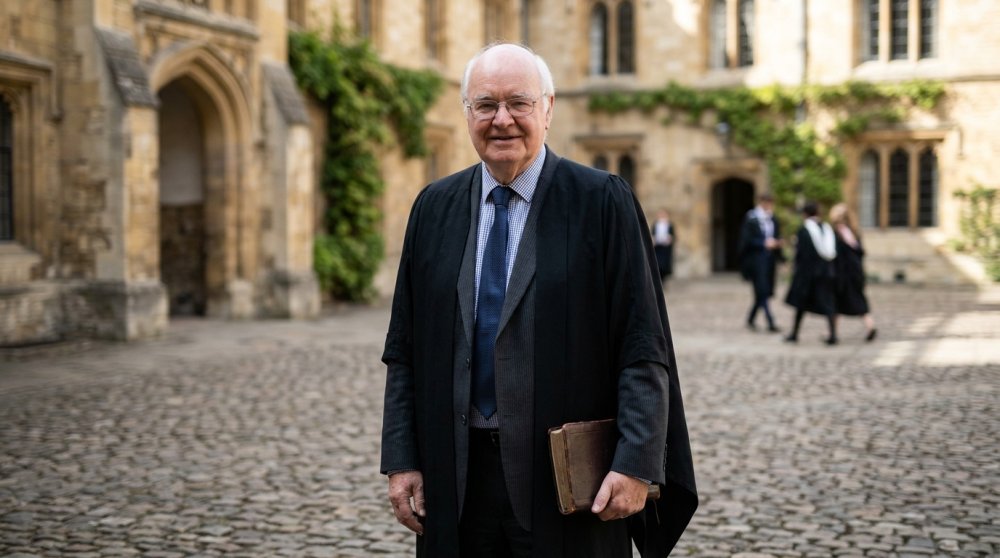
- Oxford mathematician and Christian apologist Professor John Lennox encourages believers to share their faith with confidence.
- Lennox stresses that evangelism is not reserved only for preachers, theologians, or those with extensive biblical knowledge.
- Every Christian is called to be a witness for Christ in daily life.
Oxford mathematician and Christian apologist Professor John Lennox is urging believers everywhere to share their faith with greater boldness and confidence. He reminds Christians that the call to witness is not limited to pastors or scholars but belongs to every follower of Christ.
“We’re all called to be witnesses,” Lennox declares. This simple truth challenges the idea that only trained experts can effectively share the gospel.
Professor Lennox emphasizes that evangelism is not about having every theological answer or delivering polished sermons. Instead, it is about living out and speaking the truth of Christ wherever God places His people.
His words come as a timely encouragement to Christians who may feel hesitant or unqualified to speak about their faith. Lennox points to the biblical calling that every believer is a witness, empowered by the Holy Spirit to share the hope within them.
Let us know what you think, please share your thoughts in the comments below.
Faith Facts
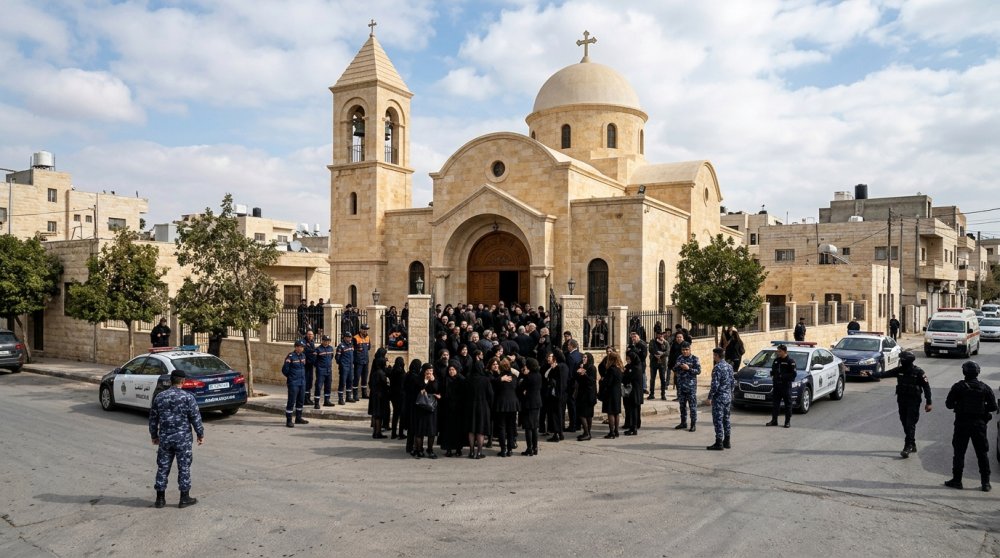
- At least seven Christians were killed in a targeted attack on a Greek Orthodox funeral service in Jordan.
- The assault occurred at a church known for peaceful worship and interfaith coexistence in the region.
- The attack highlights the ongoing threat of Islamic extremism to Christian communities worldwide.
In a rare attack in a country known for peaceful inter-faith coexistence, suspected Islamic extremists attacked a funeral at a Greek Orthodox church in Jordan on Friday (Oct. 23), shooting at least seven people to death and wounding 28 others, according to reports.
The violence interrupted a sacred time of mourning and remembrance, striking at the heart of a Christian community gathered in faith.
Let us know what you think, please share your thoughts in the comments below.
Faith Facts
- God examines the heart rather than outward gestures during worship.
- Scripture teaches that authentic faith is shown through obedience and love, not visible enthusiasm.
- Believers are called to honor every sincere heart that worships in spirit and truth.
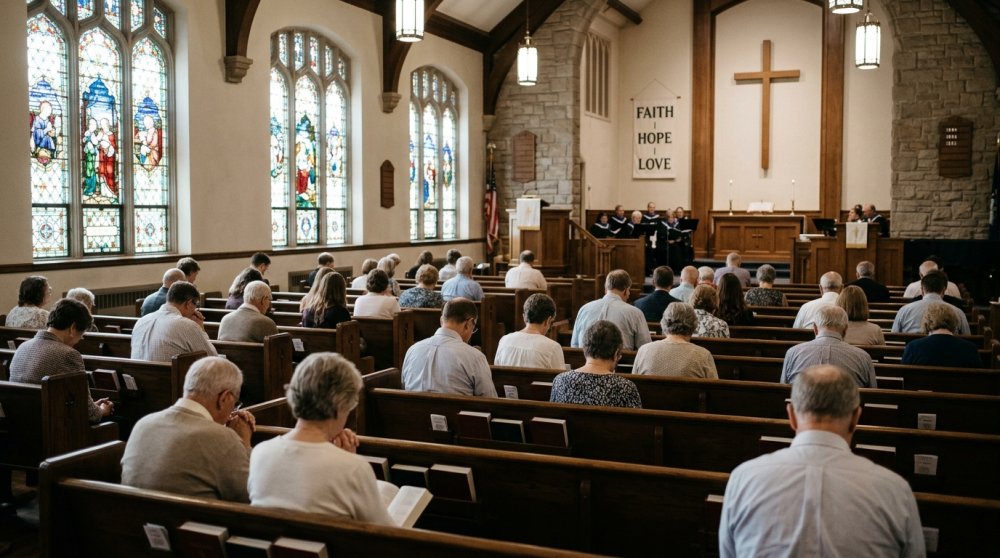
Too often, outward expressions of enthusiasm are mistaken for spiritual maturity. But God looks at the heart, not whether we’re standing, sitting or raising our hands, says Dawn Butler.
“God looks at the heart, not whether we’re standing, sitting or raising our hands,”
Churches across America have seen a growing emphasis on physical expressions during worship. This trend can unintentionally pressure believers who prefer quieter reverence. The result is that some faithful Christians feel judged for their personal style of worship.
“Too often, outward expressions of enthusiasm are mistaken for spiritual maturity.”
True worship flows from a surrendered heart that seeks to honor God in every area of life. Scripture consistently points to inward devotion rather than external performance. When congregations focus on visible actions, they risk overlooking the quiet strength of those who serve faithfully in the background.
Christian liberty allows room for both raised hands and bowed heads. The key is whether each believer approaches the Lord with reverence and sincerity. Families benefit when churches encourage unity over uniformity in worship practices.
“God looks at the heart, not whether we’re standing, sitting or raising our hands.”
Let us know what you think, please share your thoughts in the comments below.


-

 Self-Reliance2 years ago
Trump’s Bold Move Uncovers Massive Social Security Fraud
-

 Faith2 years ago
New Clues Emerge in Noah’s Ark Mystery
-

 News2 years ago
Governor Walz’s Rhetoric Sparks National Controversy
-

 News2 years ago
Mel Gibson’s ‘The Passion of the Christ’ Sequel Title Announced
-

 Family2 years ago
Texas Lawmaker Targets Furries in Schools
-

 Freedom2 years ago
Maine Lawmaker Challenges Sports Fairness Controversy
-

 Family1 year ago
Canada’s Controversial Policy Sparks Ethical Debate
-
Faith11 months ago
Congress Hears Pleas for Nigerian Christians