
Faith
How Jesus Shaped Reality TV Winners’ Journeys

Faith Facts
- Jasmine Mitchell credited prayer and God’s strength for her Bake Off victory.
- Tommy Fury, Alexandra Burke, Glyn Wise, and Liberty Poole publicly shared how their Christian faith influenced their reality TV experiences.
- Each contestant drew on faith to find peace, courage, and a sense of purpose amid public pressure.
Jasmine Mitchell won The Great British Bake Off with record-breaking creativity, but she shared that it was deep faith and prayer that anchored her through the competition.
Her open reliance on Jesus throughout the process is a testimony to finding strength beyond human ability.
Tommy Fury, rising to fame on Love Island, often speaks about prayer and gratitude to Christ for his achievements, making his faith central both in and out of the spotlight.
“First things first, I want to thank my Lord and Saviour Jesus Christ for this victory tonight, without him, none of this would be possible.”
Alexandra Burke’s music and career have always been undergirded by her relationship with God, with prayer providing comfort and focus even during high-pressure moments.
“There is no joking when it comes to praying – I’m always praying.”
She highlighted church attendance and gospel music as vital for keeping hope and thankfulness at the center of her life and work.
Big Brother’s Glyn Wise, supported by private prayers, later stepped into Christian leadership, reminding others to trust God’s promises of peace over anxiety.
“God doesn’t want you to be worried or anxious, God wants you to have peace. The Bible says for us to give our worries and anxieties over to God.”
Similarly, Liberty Poole credits finding Christ for guiding her out of depression and giving her new hope, now courageously sharing the Biblical message of redemption.
“All I had in that moment, because I had nothing left, was just to hold onto God.”
The stories of these contestants reflect how faith in Jesus provides peace, purpose, and moral clarity even when facing immense pressure in the public eye.
Let us continue to cheer for lasting faith and Gospel witness in every sphere of culture—including the world’s biggest stages.


Faith Facts
- Mitchell Boles, a 17-year-old member of Beech Bethany Church of Christ in Celina, Tennessee, passed away on Tuesday, August 25, 2026, after battling a rare and aggressive bone cancer.
- Known for his simple yet profound description of his faith—”Shine your light, do what’s right”—Mitchell’s testimony touched his church family and community throughout his illness.
- Despite being autistic and facing a terminal diagnosis, Mitchell’s humor, friendliness, and unwavering Christian witness made him beloved by all who knew him.
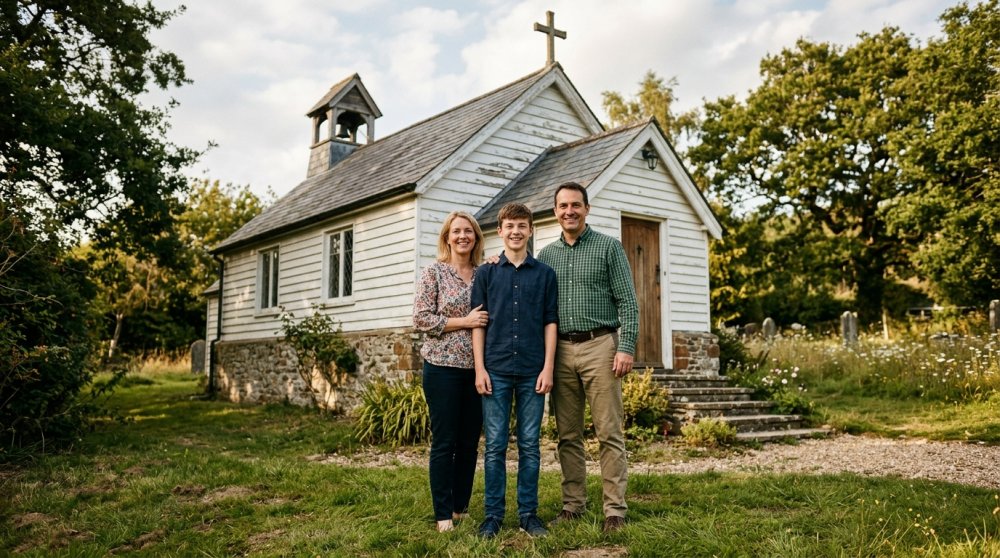
Mitchell Boles, a 17-year-old church member whose faith outshone his cancer, went home to be with the Lord on Tuesday, August 25, 2026. He was a faithful member of the Beech Bethany Church of Christ in Celina, Tennessee, where his testimony became a beacon of hope to many.
Boles was profiled in a July 2026 feature that chronicled his remarkable faith journey. His story captured the hearts of believers across the region as he faced his diagnosis with courage rooted in Christ.
“We love Mitchell.”
That phrase echoed through the pews of Beech Bethany Church of Christ, across group texts and hospital rooms, since 17-year-old Mitchell Boles was diagnosed last summer with a rare, aggressive bone cancer. Boles, who grew up in the Middle Tennessee church, was known for his humor, friendliness and diehard college football fandom.
“People keep telling me how much they love him,” said Mitchell’s mother, Hanna. “He’s always made people smile.”
Whether it was the teenager’s love for fishing or long debates about the rivalry between his Auburn Tigers and the Alabama Crimson Tide, those close to him said his personality always set him apart. Boles, who was autistic, often described his faith in simple yet profound terms: “Shine your light, do what’s right.”
That simple statement became Mitchell’s life motto and testimony. In an age where many young people struggle to articulate their faith, Mitchell’s clarity and conviction stood as a powerful witness to the transforming power of Christ in a believer’s life.
His courage in the face of a terminal diagnosis encouraged countless believers in their own faith walks. Members of his church family and the wider Christian community followed Mitchell’s journey, drawing strength from his unwavering trust in God’s goodness even amid suffering.
Mitchell’s legacy reminds us that faith isn’t measured by eloquence or theological complexity, but by a heart fully surrendered to Christ. His life demonstrated that even in our weakest moments, God’s light can shine brightest through us.
The young man’s funeral service was held later that week, where family, friends, and church members gathered to celebrate a life well-lived for the glory of God. Though Mitchell’s time on earth was far too short by earthly standards, his eternal impact on those who knew him will endure.
Mitchell Boles is survived by his parents, Ray and Hanna Boles, and his church family at Beech Bethany Church of Christ. His testimony continues to inspire believers to “shine their light” and “do what’s right” in honor of a young man who lived those words every day.
Let us know what you think, please share your thoughts in the comments below.
Faith Facts
- Christian organizational structures often reflect deeper theological beliefs about authority, community, and partnership than official statements suggest
- True mutuality in church relationships requires more than rhetoric—it demands structural accountability and reciprocal commitment
- The global Church faces critical questions about whether its institutional frameworks genuinely embody biblical principles of unity and equality
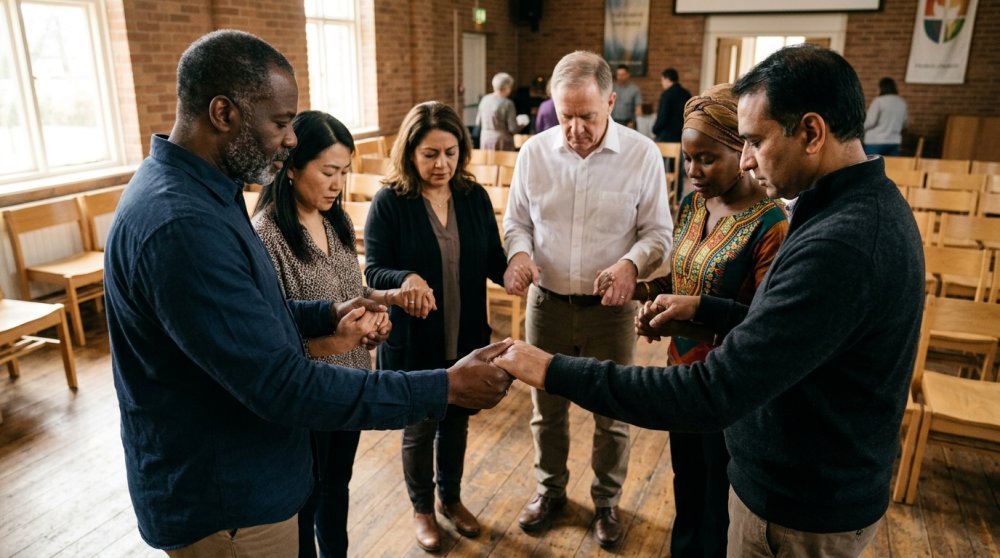
The way we organize our churches and ministries speaks volumes about what we actually believe—often more than our carefully crafted mission statements or theological declarations. Our structures are our theologies embodied, revealing what our communities truly believe about God, the Church, authority, and one another.
If our structures do not embrace true mutuality, they proclaim a theology that no amount of rhetoric about unity and partnership can conceal. This disconnect between what we say and what we do represents one of the most pressing challenges facing Christian institutions today.
For the well-being of the Church globally, believers must honestly examine the nature of their commitments. Are we building relationships based on genuine partnership, or are we perpetuating hierarchies that contradict the servant leadership Christ modeled?
The call to Christian unity runs throughout Scripture, from Jesus’s prayer in John 17 that His followers “may be one” to Paul’s exhortations for believers to bear with one another in love. Yet unity without mutuality becomes a hollow imitation—words without the substance of sacrificial, reciprocal relationship.
When church structures concentrate power and decision-making in the hands of a few, when international partnerships flow in only one direction, when voices from certain communities are consistently marginized, the organizational framework itself preaches a message contrary to the Gospel. True Christian unity requires structures that reflect mutual submission, shared authority, and reciprocal blessing.
The question facing American Christians—particularly those in positions of leadership and influence—is whether we are willing to examine our institutional arrangements through this lens. Do our denominational structures, mission partnerships, and organizational hierarchies genuinely reflect biblical mutuality? Or do they preserve inequities we would never openly defend?
Building authentically mutual relationships requires humility, sacrifice, and the willingness to relinquish control. It means creating space at decision-making tables for voices historically excluded. It demands listening before speaking, learning before teaching, and recognizing that the Body of Christ is enriched by its diversity.
As the global Church continues to grow—with the majority of Christians now living outside the West—the imperative for structural mutuality becomes even more urgent. American Christians must ask whether their institutions are prepared to embrace genuine partnership or whether they will cling to outdated models that centralize authority and resources.
The integrity of our witness depends on alignment between our words and our structures. When what we build reflects what we believe about the inherent worth and dignity of every believer, we demonstrate the transformative power of the Gospel in practical, observable ways.
Let us know what you think, please share your thoughts in the comments below.
Faith Facts
- Dolly Parton grew up in poverty in Tennessee’s Smoky Mountains, attending a Pentecostal church where her grandfather was pastor
- She has described her relationship with God as deeply personal, crediting faith for sustaining her through career challenges and personal struggles
- Throughout her career, Parton has recorded gospel albums and openly shared how Christian values shaped her generosity and character
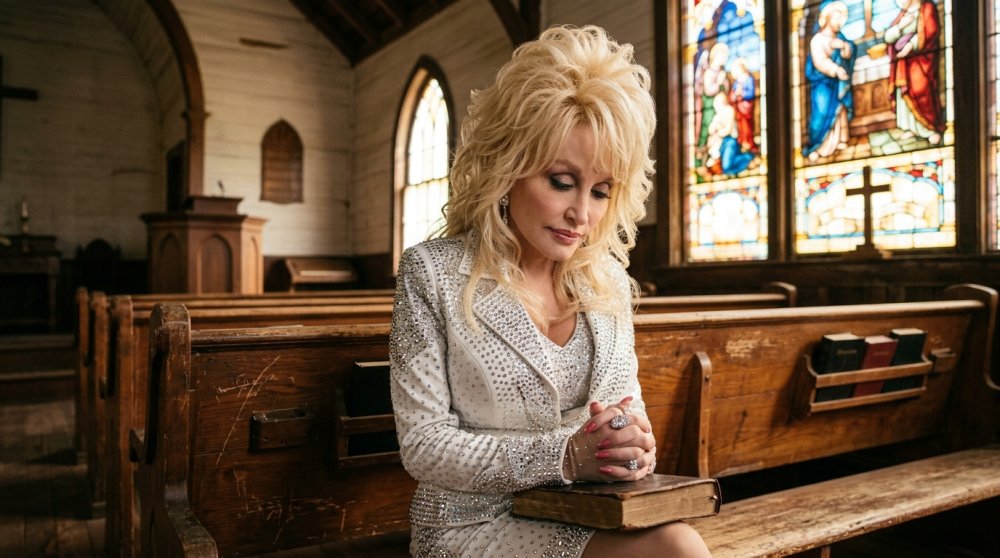
The Queen of Country music’s legacy extends far beyond her chart-topping hits and glamorous persona. For those who looked closely, Dolly Parton’s life revealed a genuine Christian faith that guided her extraordinary generosity and humble spirit.
Born into a large family in rural Tennessee, Parton’s earliest memories were shaped by the Pentecostal church where her grandfather served as pastor. The Smoky Mountain church community instilled values of faith, family, and service that would remain central throughout her seven-decade career.
“I was brought up in the Church of God, which is a Holiness church,” Parton explained in past interviews. “We believed in the power of prayer and the presence of the Holy Spirit.”
Despite achieving global fame and fortune that could have easily pulled her away from her roots, Parton maintained her connection to Christian faith. She recorded multiple gospel albums throughout her career, treating these projects not as commercial ventures but as personal expressions of worship and testimony.
Her faith manifested most visibly through her philanthropic work. From her Imagination Library program, which has distributed millions of free books to children, to her significant donations supporting medical research and disaster relief, Parton exemplified Christian generosity without seeking recognition.
“I’ve always believed that if God blesses you financially, you should share it,” she often said, putting Jesus’s teachings into practical action.
Christian songwriter Philippa Hanna, who studied Parton’s faith journey, noted how the country icon balanced worldly success with spiritual authenticity. Parton never compromised her Christian values to achieve mainstream acceptance, yet she approached all people with grace and compassion.
Throughout interviews spanning decades, Parton spoke openly about prayer, reading Scripture, and seeking God’s guidance in major decisions. She credited her relationship with Jesus for providing strength during difficult seasons and keeping her grounded amid extraordinary success.
“My faith has always been very important to me,” Parton shared. “It’s personal, and it’s between me and God.”
Her family’s statement announcing her passing reflected the faith that defined her life, saying she has been welcomed into “the arms of Jesus.” For believers, this serves as a reminder that earthly success, no matter how spectacular, pales in comparison to eternity with Christ.
Parton’s life demonstrates that Christians can engage culture, achieve excellence in their fields, and maintain authentic faith simultaneously. Her legacy challenges believers to consider how they’re using their own gifts and resources to serve others and glorify God.
In an entertainment industry often hostile to Christian values, Dolly Parton stood as a remarkable example of someone who never hid her faith yet won the respect and admiration of people across all backgrounds. Her genuine love for people reflected the heart of Christ in practical, tangible ways.
Let us know what you think, please share your thoughts in the comments below.


-

 Self-Reliance1 year ago
Trump’s Bold Move Uncovers Massive Social Security Fraud
-

 Faith1 year ago
New Clues Emerge in Noah’s Ark Mystery
-

 News1 year ago
Governor Walz’s Rhetoric Sparks National Controversy
-

 News1 year ago
Mel Gibson’s ‘The Passion of the Christ’ Sequel Title Announced
-

 Family1 year ago
Texas Lawmaker Targets Furries in Schools
-

 Freedom1 year ago
Maine Lawmaker Challenges Sports Fairness Controversy
-

 Family1 year ago
Canada’s Controversial Policy Sparks Ethical Debate
-
Faith9 months ago
Congress Hears Pleas for Nigerian Christians