Faith
Hope Ignites as Trump Declares Victory Over Middle East Threat
Faith Facts
- The Iranian regime has spent decades calling for the destruction of Israel, a nation significant to many people of faith.
- The President noted that the regime has tragically killed 45,000 of its own citizens who were seeking freedom through protests.
- U.S. leadership maintains that protecting the world from nuclear-armed terrorists is a moral imperative for global safety.
President Donald Trump addressed the nation from the White House, declaring that the military conflict against the radical Iranian regime is nearing a successful conclusion.
He emphasized that the objective is to eliminate the nuclear threat and protect both American interests and our ally, Israel.
The President detailed the decimation of Iran’s military capabilities, noting that their navy and command structures have been dismantled after decades of hostility.
He reaffirmed that the United States will not allow a thuggish regime to develop nuclear weapons or continue its global campaign of terror.
Faith
Gibson’s Passion Sequel Arrives in Two Parts: First Images Released
Faith Facts
- Lionsgate confirmed “The Resurrection of the Christ” will release in two parts beginning in 2027, continuing Mel Gibson’s biblical epic series
- The film serves as a follow-up to “The Passion of the Christ,” which became one of the highest-grossing Christian films in history
- First-look images have been unveiled, offering audiences their first glimpse at the anticipated biblical drama
Lionsgate has confirmed the theatrical release schedule for Mel Gibson’s highly anticipated biblical epic “The Resurrection of the Christ,” the follow-up to his groundbreaking 2004 film “The Passion of the Christ.” The studio announced the film will arrive in two parts, with the first installment scheduled for 2027.
Gibson’s original film became a cultural phenomenon, grossing over $600 million worldwide and sparking widespread conversation about faith, sacrifice, and the final hours of Jesus Christ. The director’s commitment to authenticity and powerful storytelling resonated deeply with Christian audiences across America and around the world.
The new project promises to continue that legacy by focusing on the resurrection narrative, one of the most central tenets of Christian faith. By dividing the story into two parts, the filmmakers will have the opportunity to explore the profound theological and historical significance of Christ’s triumph over death in greater depth.
First-look images released by Lionsgate provide audiences with their initial glimpse into the visual approach Gibson and his team are taking with this project. The images suggest a continuation of the visceral, authentic style that made the original film so impactful for believers seeking a more realistic portrayal of biblical events.
The decision to release the film in two parts reflects both the scope of the material and the industry’s recognition that faith-based audiences are hungry for substantive, well-crafted content that honors Scripture. This approach allows for a more comprehensive exploration of the resurrection account and its immediate aftermath.
Gibson’s return to biblical filmmaking comes at a time when Christian audiences continue to demonstrate strong support for quality faith-based entertainment. The success of recent Christian films has proven there is a substantial market for productions that treat Scripture with reverence and artistic excellence.
The 2027 release date gives the production team ample time to ensure the film meets the high standards established by its predecessor. For millions of Christians who found “The Passion of the Christ” to be a deeply moving meditation on Christ’s sacrifice, the upcoming resurrection story promises to offer a similarly powerful cinematic experience.
Let us know what you think, please share your thoughts in the comments below.

Faith
Faith Leaders Push Back on Alarming New Threats to Religious Freedom
Faith Facts
- Religious freedom advocates are responding to growing efforts to classify evangelism and Christian witness as harmful or even criminal behavior
- Critics of faith-based speech are increasingly framing gospel proclamation as a violation of human rights rather than an exercise of religious liberty
- Christian leaders emphasize that sharing truth in love remains both a biblical mandate and a constitutional right protected under the First Amendment
A troubling trend has emerged in modern discourse: the redefinition of Christian evangelism as an offense against human dignity. What our founders enshrined as a fundamental freedom—the right to freely practice and share one’s faith—is now being challenged by secular voices who claim religious speech itself constitutes a form of harm.
This represents a dangerous inversion of American values and constitutional principles.
The effort to silence Christian witness goes beyond mere disagreement. It seeks to fundamentally reframe religious expression as aggression, turning the First Amendment on its head. Rather than protecting the free exercise of religion, this new framework would punish it.
For centuries, the Christian understanding has been clear: love compels us to share truth, even when that truth challenges contemporary sensibilities. The gospel message has always been countercultural, calling people to repentance and transformation. This has never been considered a violation of rights—it is, in fact, an act of profound care for eternal souls.
The claim that evangelism violates human rights rests on a fundamental misunderstanding of both rights and love. True human rights protect the ability of individuals to hear, consider, and respond to ideas—including religious truth claims. Shielding people from uncomfortable truths doesn’t protect their dignity; it diminishes their capacity for meaningful choice.
When Christians share the gospel, they exercise the same freedom of speech and religion that protects all Americans. They do not coerce, they do not compel, they simply offer the most important truth they possess: that salvation is available through Jesus Christ.
The loving thing is indeed to tell the truth, even when it’s uncomfortable. Throughout Scripture, we see examples of faithful witnesses who spoke boldly despite opposition, knowing that eternal stakes far outweigh temporary discomfort. From the apostles before hostile authorities to modern missionaries in restricted nations, Christians have understood that genuine love means sharing hope, not withholding it to avoid offense.
This principle applies not only to evangelism but to all biblical teaching. When the culture embraces behaviors that Scripture identifies as sinful, Christians face a choice: remain silent to preserve social acceptance, or speak truth motivated by love for both God and neighbor. The latter has always been the faithful path, even when labeled as intolerant or harmful.
Religious freedom in America has traditionally meant that all citizens—regardless of faith tradition—can freely practice, proclaim, and persuade others of their beliefs. This marketplace of ideas strengthens rather than weakens society, allowing truth to be tested and embraced voluntarily rather than imposed by force or suppressed by censorship.
The attempt to criminalize or marginalize evangelism represents an existential threat not only to Christianity but to the entire framework of American liberty. If sharing religious truth can be deemed a rights violation, then free speech itself becomes conditional, subject to the sensibilities of those in power. This path leads inevitably to authoritarianism, where approved thoughts flourish and dissent is punished.
Defenders of religious liberty must remain vigilant and articulate. The stakes extend beyond any single issue or denomination—they encompass the foundational freedoms that have allowed faith to flourish in America for nearly 250 years. Allowing evangelism to be redefined as harm would fundamentally alter the American experiment.
Christians must continue to engage the culture with both grace and truth. This means speaking boldly while living compassionately, defending constitutional freedoms while demonstrating the love of Christ through action. The gospel has always advanced through persuasion, not coercion—a model that respects human dignity far more than the censorship increasingly demanded by secular voices.
As cultural pressure intensifies, believers should remember that their commission to share the good news predates the Constitution and will outlast any earthly government. While we defend our legal rights as American citizens, our ultimate allegiance remains to a higher authority who commands us to make disciples of all nations.
Let us know what you think, please share your thoughts in the comments below.
Faith
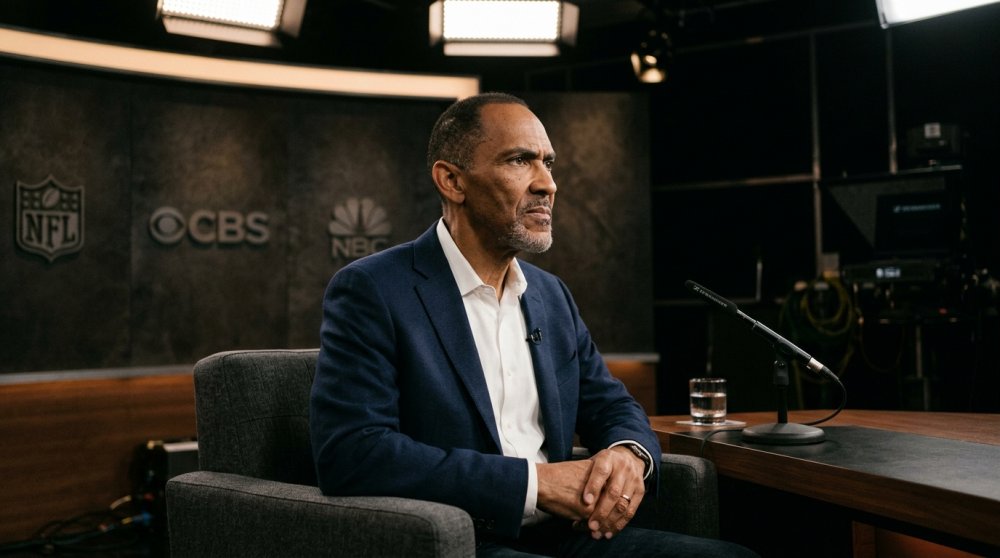
Netflix Documentary Exposes Crisis the Church Must Address
Faith Facts
- A new Netflix documentary examines the rise of secular masculinity influencers who are shaping an entire generation of young men outside church influence
- Christian leaders warn the Church has largely abdicated its role in teaching biblical manhood, leaving a vacuum filled by profit-driven online personalities
- The documentary highlights how young men are increasingly turning to secular sources for identity formation rather than Scripture and faith communities
A troubling new Netflix documentary has exposed a crisis that should concern every Christian parent and pastor in America. “Inside the Manosphere” reveals how millions of young men are learning what it means to be masculine from secular influencers who profit by promoting resentment, shallow relationships, and consumerist ideology.
The question demanding an answer is straightforward: How did the Church allow this to happen? For generations, Christian communities provided clear, biblical teaching on manhood rooted in servant leadership, sacrificial love, and Christ-like character.
That foundation has eroded. Today’s young men are growing up in a cultural moment that simultaneously attacks traditional masculinity while offering no positive alternative grounded in truth. Into this void have stepped online personalities who monetize male insecurity and anger.
These influencers build followings by inflaming appetite rather than disciplining it. They teach contempt for women rather than honor. They promote self-serving ambition rather than sacrificial service.
The documentary serves as an uncomfortable mirror for American Christianity. While the Church has been occupied with other priorities, an entire generation of young men has been catechized by voices that directly contradict biblical wisdom about masculinity, sexuality, and purpose.
The solution is not complicated, though it will require intentionality. Churches must reclaim their role as the primary source of masculine identity formation. This means older Christian men must actively mentor younger men, fathers must model biblical manhood in their homes, and pastors must preach clearly about what Scripture actually teaches regarding male identity and calling.
Young men are searching for answers about who they are and what they should become. The question is whether they will find those answers in Scripture and the Christian community, or whether they will continue turning to secular sources that profit from their confusion.
The Netflix documentary has done the Church a service by exposing this crisis. Now the responsibility falls to Christian leaders and families to respond with urgency. The stakes could not be higher for the next generation of American men.
Let us know what you think, please share your thoughts in the comments below.
-
Self-Reliance1 year agoTrump’s Bold Move Uncovers Massive Social Security Fraud
-

Faith1 year agoNew Clues Emerge in Noah’s Ark Mystery
-

News1 year agoGovernor Walz’s Rhetoric Sparks National Controversy
-

News1 year agoMel Gibson’s ‘The Passion of the Christ’ Sequel Title Announced
-

Family1 year agoTexas Lawmaker Targets Furries in Schools
-

Freedom1 year agoMaine Lawmaker Challenges Sports Fairness Controversy
-

Family1 year agoCanada’s Controversial Policy Sparks Ethical Debate
-
Faith6 months ago
Congress Hears Pleas for Nigerian Christians