
Faith
Historic Election Unites U.S. Lawmakers in Celebration Of New Pope

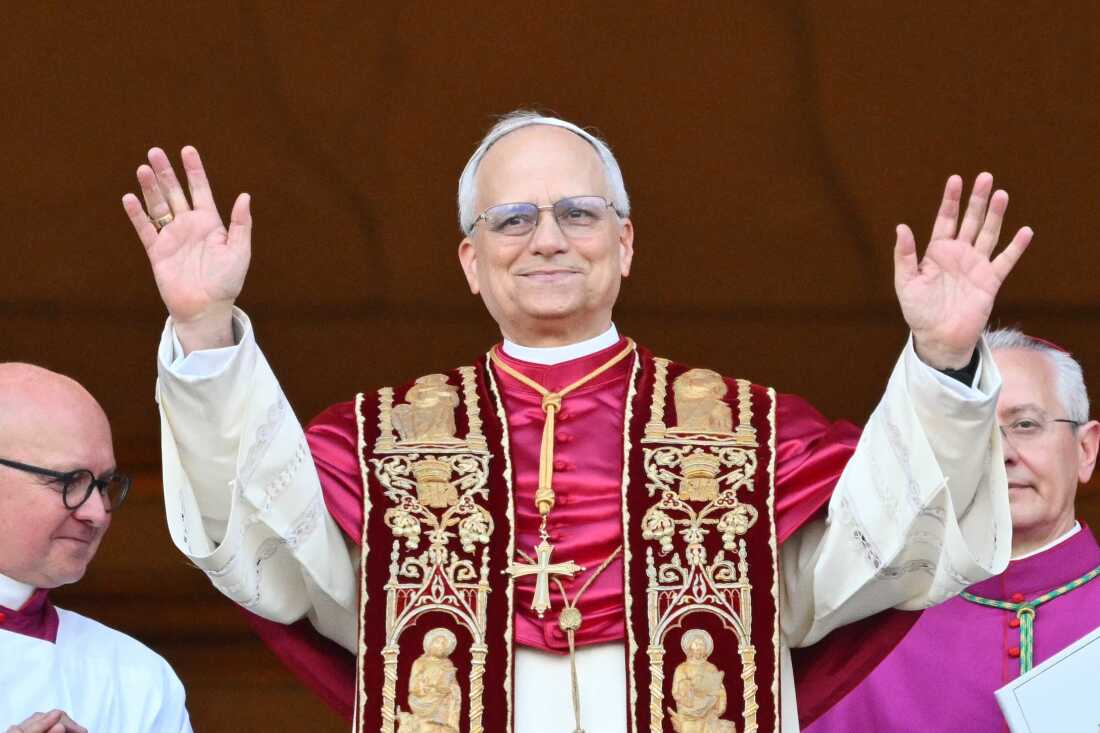
In a remarkable display of unity, U.S. lawmakers have come together to honor a momentous event in the history of the Catholic Church and the United States. A resolution has been introduced to congratulate Pope Leo XIV on his election as the first American-born pontiff. This historic achievement is not only a milestone for American Catholics but also a testament to the enduring values of faith and service that define our great nation.
The resolution, spearheaded by Representative Blake Moore of Utah and co-sponsored by Representative Thomas Suozzi of New York, underscores the significance of Pope Leo’s election for both the American and global Catholic communities. It is a moment that resonates deeply with those who cherish the principles of faith, family, and freedom.
Pope Leo XIV, formerly known as Robert Francis Prevost, hails from Dolton, Illinois, and was elected as the 267th pope on May 8, 2025. His election has captured the attention and admiration of political leaders across the United States, including President Donald Trump, who described it as a “great honor” for the country and expressed his eagerness to meet the new pontiff.
The resolution pays tribute to Pope Leo’s upbringing in a patriotic American family and his unwavering commitment to faith and service. His work as a missionary and church leader in Peru, along with his academic achievements and multilingual abilities, reflect a life dedicated to the principles that many American Christians hold dear.
In choosing the name Leo, Pope Leo XIV honors Pope Leo I, a figure celebrated for his dedication to Catholic social teaching and the dignity of work. This choice underscores the new pope’s commitment to upholding the values that have long been cherished within the Church.
In his inaugural public address, Pope Leo XIV emphasized the importance of fidelity over popularity, a sentiment that resonates with those who prioritize truth and moral integrity. He stated, “The credibility of the Church does not come from popularity, but from fidelity.” This powerful message serves as a reminder of the timeless values that should guide both our spiritual and civic lives.
As Americans, we can take pride in this historic moment, which highlights the profound impact of faith and moral leadership on the world stage. Pope Leo XIV’s election is a testament to the enduring influence of Christian values and the importance of upholding the principles that have shaped our nation’s character.
In these challenging times, let us draw inspiration from Pope Leo XIV’s example and recommit ourselves to the values of faith, family, and freedom that have made America a beacon of hope and prosperity.
Let us know what you think, please share your thoughts in the comments below.



Faith Facts
- Joni and Friends, a global Christian disability ministry, reached a historic milestone by distributing its 250,000th wheelchair to an 11-year-old girl in Thailand.
- The young recipient had previously depended entirely on her mother to carry her everywhere, lacking any mobility independence.
- This achievement represents decades of faithful service bringing dignity, freedom, and the love of Christ to disabled individuals worldwide.
A global Christian disability ministry has reached an extraordinary milestone that testifies to the power of faith in action. Joni and Friends celebrated the distribution of its 250,000th wheelchair, presenting this life-changing gift to an 11-year-old girl in Thailand who had spent her entire childhood being carried by her mother.
The young Thai girl’s story reflects the reality faced by millions of disabled individuals in developing nations where wheelchairs and mobility devices remain inaccessible luxuries. For her mother, every trip outside their home meant physically carrying her daughter, limiting both their independence and opportunities.
Founded by Joni Eareckson Tada, who became a quadriplegic after a diving accident at age 17, Joni and Friends has transformed countless lives by providing wheelchairs and sharing the Gospel message. The organization’s work demonstrates how Christian compassion can restore dignity and open doors that disability had closed.
This quarter-million milestone wheelchair represents more than just a number—it symbolizes 250,000 individuals who have gained newfound freedom, independence, and hope. Each wheelchair delivered carries with it the testimony of Christ’s love and the Christian call to serve “the least of these.”
The ministry’s work extends beyond simply providing equipment. Joni and Friends trains local churches and communities to welcome and minister to people with disabilities, creating lasting infrastructure that continues serving long after their teams depart.
For the young Thai girl receiving wheelchair number 250,000, this gift means the freedom to attend school, play with friends, and experience childhood in ways previously impossible. Her mother, too, gains relief from the physical burden of constant carrying and the joy of watching her daughter navigate the world independently.
Joni Eareckson Tada’s personal journey from paralysis to purpose has inspired this global movement. Her unwavering faith turned personal tragedy into a platform for serving others, proving that God can use any circumstance for His glory and the benefit of His children.
The distribution of 250,000 wheelchairs across dozens of countries stands as a testament to faithful Christian stewardship and the power of believers working together. This achievement challenges American Christians to consider how their own resources and talents might serve Kingdom purposes.
As Joni and Friends continues its mission, this milestone serves as both celebration and motivation. Millions more disabled individuals worldwide still wait for the mobility, dignity, and Gospel hope that a simple wheelchair can provide.
Let us know what you think, please share your thoughts in the comments below.
Faith Facts
- Belgian footballer Jérémy Doku temporarily left his national team during World Cup to attend the birth of his first child
- The Christian athlete faced harsh public criticism for prioritizing family over professional sports
- His decision reflected biblical values of family stewardship and demonstrated faith-driven priorities in a secular culture
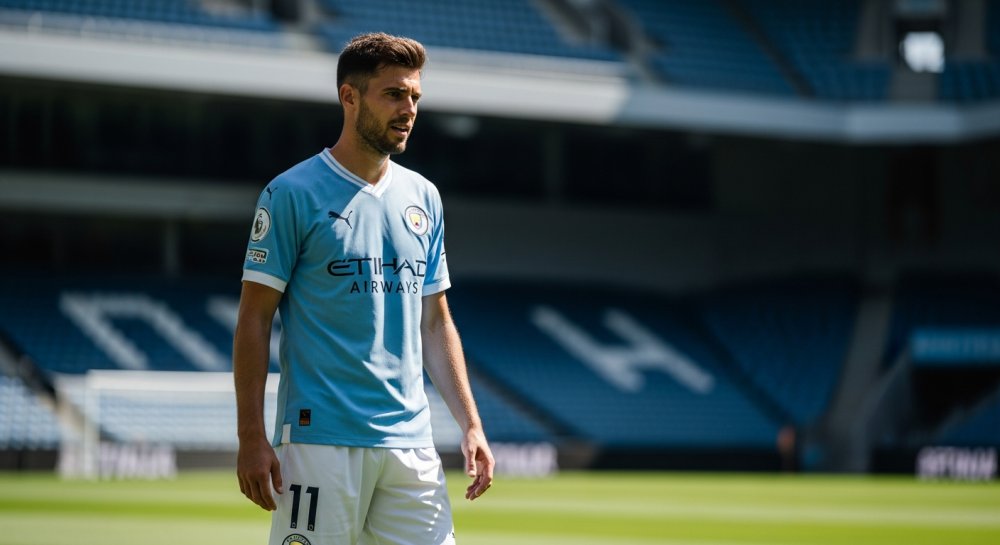
When Belgian international footballer Jérémy Doku made the decision to step away from his national team during World Cup competition to be present for the birth of his first child, the response from media and critics was swift and harsh. One television presenter expressed “outrage” at the 22-year-old Manchester City winger’s choice to put family before the world’s most prestigious football tournament.
But for those who understand Christian values, Doku’s decision was not only understandable—it was commendable.
The criticism Doku faced reveals a troubling cultural priority that places professional achievement and entertainment above the sacred bonds of family. In a world that increasingly devalues fatherhood and traditional family structures, Doku’s choice to be present for one of life’s most significant moments stands as a counter-cultural witness to biblical truth.
The Bible is clear about a man’s responsibility to his family. Scripture teaches that a man who does not provide for his own household has denied the faith and is worse than an unbeliever. While this passage primarily addresses material provision, the principle extends to emotional and spiritual presence, especially during pivotal family moments.
Doku’s decision also reflects the biblical understanding that our identities are not rooted in our careers or achievements, but in our roles as image-bearers of God and stewards of the families He has entrusted to us. In a culture obsessed with performance and public success, choosing to prioritize an intimate family moment over global recognition demonstrates a proper ordering of values.
The outrage directed at Doku highlights how far modern culture has drifted from traditional Christian understanding of vocation and family. While work is good and God-honoring, it is not ultimate. A football match, no matter how important in the eyes of the world, cannot compare to the miracle of new life and the beginning of fatherhood.
Furthermore, Doku’s choice models healthy masculinity for a generation desperately in need of such examples. In an era when fathers are often portrayed as optional or incompetent, a young man choosing to be present for his child’s birth sends a powerful message about the importance of engaged, committed fatherhood.
The criticism also reveals the idolatry of sports in contemporary culture. When a man is condemned for prioritizing his newborn child over a game, something has gone profoundly wrong with our collective values. Sports can be enjoyable and even character-building, but when they demand total allegiance at the expense of family, they have become false gods.
It’s worth noting that Doku’s temporary absence from the World Cup camp did not demonstrate a lack of commitment to his team or country. Rather, it showed a man with properly ordered priorities who understands that some moments cannot be reclaimed. His child will only be born once; there will be other matches, other tournaments, other opportunities to represent Belgium.
For Christian athletes navigating the intense pressures of professional sports, Doku’s decision offers an important example. The world will always demand total commitment to career success, but believers are called to a different standard—one that recognizes the eternal significance of family relationships and the temporal nature of earthly achievements.
In the broader context of cultural witness, moments like these matter. When a public figure makes a decision that reflects biblical values in the face of criticism, it creates opportunities for conversations about what truly matters in life. Doku’s choice invites reflection on our own priorities and challenges the assumption that professional success should always take precedence over family.
The response to Doku’s decision also serves as a reminder that living according to Christian principles will often bring misunderstanding and criticism from a world that operates by different values. This is not a reason to compromise, but rather confirmation that we are called to be salt and light, even when doing so is countercultural.
As American Christians committed to family values, we should celebrate Doku’s decision and support others who make similar choices. In a culture that increasingly devalues both fatherhood and the sanctity of family, every example of a man prioritizing his wife and child deserves recognition and encouragement.
The birth of a child is not merely a biological event, but a sacred moment when a new soul enters the world and a man becomes a father. Missing such a moment for any professional obligation, no matter how prestigious, represents a fundamental misunderstanding of what matters most in this life and the next.
Jérémy Doku was absolutely right to leave Belgium’s World Cup camp to be present for his child’s birth. His decision reflected biblical priorities, demonstrated Christian character, and provided a much-needed example of faithfulness in an age that desperately needs men willing to put family first.
Let us know what you think, please share your thoughts in the comments below.
Faith Facts
- The Bible has now been translated into 800 languages, with the second set of 400 translations completed in just 28 years compared to nearly 2,000 years for the first 400
- Approximately 1.5 billion people worldwide still lack access to the complete Bible in their native language
- Wycliffe Bible Translators continues leading global efforts to ensure every person can read Scripture in their heart language
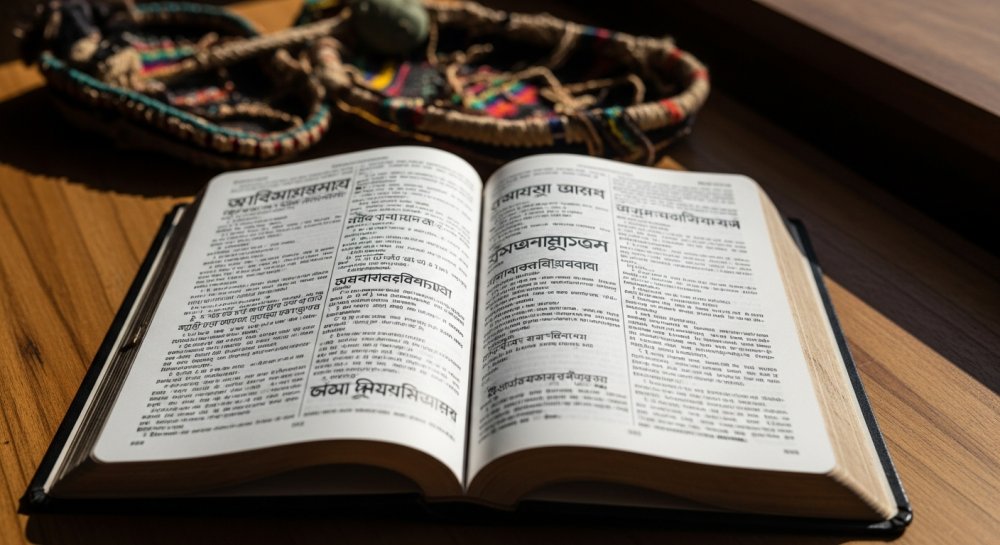
The Christian faith has reached a historic milestone that demonstrates both the rapid advancement of Bible translation work and the enduring challenges that remain. After nearly two millennia to translate God’s Word into the first 400 languages, the pace of translation has accelerated dramatically, with the next 400 languages achieved in just 28 years.
This remarkable acceleration reflects the dedication of Christian organizations like Wycliffe Bible Translators, who have pioneered innovative approaches to bringing Scripture to communities that have never had access to the complete Word of God in their own tongue. The organization’s work represents a fulfillment of the Great Commission to spread the Gospel to all nations.
Jeremy Weightman from Wycliffe Bible Translators emphasized the significance of this achievement while acknowledging the work that remains ahead. The milestone of 800 language translations represents countless hours of faithful service by linguists, translators, and local community members working together to preserve both linguistic heritage and spiritual truth.
Despite this progress, the mission is far from complete. An estimated 1.5 billion people around the world still await the Bible in their native language. For these communities, the lack of Scripture in their heart language creates a barrier to fully understanding and embracing the Christian faith in a deeply personal way.
The acceleration in translation speed can be attributed to several factors, including improved technology, better coordination among mission organizations, and the involvement of native speakers in the translation process. These advances have allowed Christian translators to work more efficiently while maintaining the accuracy and spiritual integrity essential to Scripture translation.
This milestone serves as a powerful reminder of the global nature of Christianity and the universal hunger for God’s Word. As believers in America, we can take inspiration from this progress and remember our responsibility to support missionary work that brings the light of Christ to every corner of the earth.
The dedication required to translate Scripture into hundreds of diverse languages reflects the core Christian belief that every person, regardless of their native tongue, deserves direct access to the transformative message of the Gospel. This work preserves cultural identity while simultaneously building bridges across the global body of Christ.
As we celebrate this 800-language milestone, it’s worth reflecting on how blessed we are to have multiple English translations readily available. This abundance should inspire gratitude and motivate us to support ongoing efforts to ensure that every person can experience the life-changing power of reading God’s Word in their own language.
Let us know what you think, please share your thoughts in the comments below.


-

 Self-Reliance1 year ago
Trump’s Bold Move Uncovers Massive Social Security Fraud
-

 Faith1 year ago
New Clues Emerge in Noah’s Ark Mystery
-

 News1 year ago
Governor Walz’s Rhetoric Sparks National Controversy
-

 News1 year ago
Mel Gibson’s ‘The Passion of the Christ’ Sequel Title Announced
-

 Family1 year ago
Texas Lawmaker Targets Furries in Schools
-

 Freedom1 year ago
Maine Lawmaker Challenges Sports Fairness Controversy
-

 Family1 year ago
Canada’s Controversial Policy Sparks Ethical Debate
-
Faith7 months ago
Congress Hears Pleas for Nigerian Christians