
News
Historian Challenges Church of England’s £100 Million Slavery Reparations as Historically Flawed


Faith Facts
- Royal Historical Society Professor Richard Dale criticizes the Church of England’s £100 million slavery reparations plan as based on “deeply flawed” historical analysis
- The Church of England has committed to paying reparations for historical connections to the slave trade
- Growing debate among historians and theologians questions the foundation and effectiveness of institutional reparations programs
A prominent historian is raising serious questions about the Church of England’s decision to allocate £100 million toward slavery reparations. Professor Richard Dale of the Royal Historical Society has publicly challenged the historical basis for the church’s costly commitment.
The Church of England’s reparations plan represents one of the most significant financial commitments by a religious institution to address historical slavery connections. However, Professor Dale argues the decision rests on historical analysis that does not withstand scholarly scrutiny.
“The Church of England’s plan to pay £100 million in slavery reparations is based on ‘deeply flawed’ historical analysis,” Professor Dale stated.
The controversy highlights a broader debate within Christian institutions about how to address historical wrongs while maintaining theological and historical integrity. Critics of large-scale reparations programs question whether modern institutions should bear financial responsibility for actions taken centuries ago by different individuals and organizational structures.
The £100 million commitment comes at a time when the Church of England faces declining attendance and financial pressures. Some observers question whether such funds might be better directed toward current ministry needs, evangelism, or direct charitable work that addresses contemporary poverty and injustice.
Professor Dale’s criticism raises important questions about the standards of historical research guiding major institutional decisions. As a member of the Royal Historical Society, his assessment carries significant academic weight in evaluating the historical claims underlying reparations proposals.
The debate also touches on theological questions about repentance, restitution, and corporate responsibility. While Christians universally affirm the evil of slavery and the importance of addressing injustice, thoughtful believers disagree about whether monetary reparations represent the most biblically sound or practically effective response.
This controversy may signal growing pushback against institutional decisions made without thorough historical vetting or broad consultation with affected communities. The Church of England has not yet publicly responded to Professor Dale’s specific criticisms of their historical analysis.
Let us know what you think, please share your thoughts in the comments below.

Faith Facts
- Churches of Christ membership is declining across the United States.
- Christian universities tied to the fellowship continue to see rising enrollment in professional programs such as nursing, pharmacy, law, and engineering.
- Most of these institutions maintain policies requiring faculty and board members to share a commitment to the Church of Christ faith tradition.
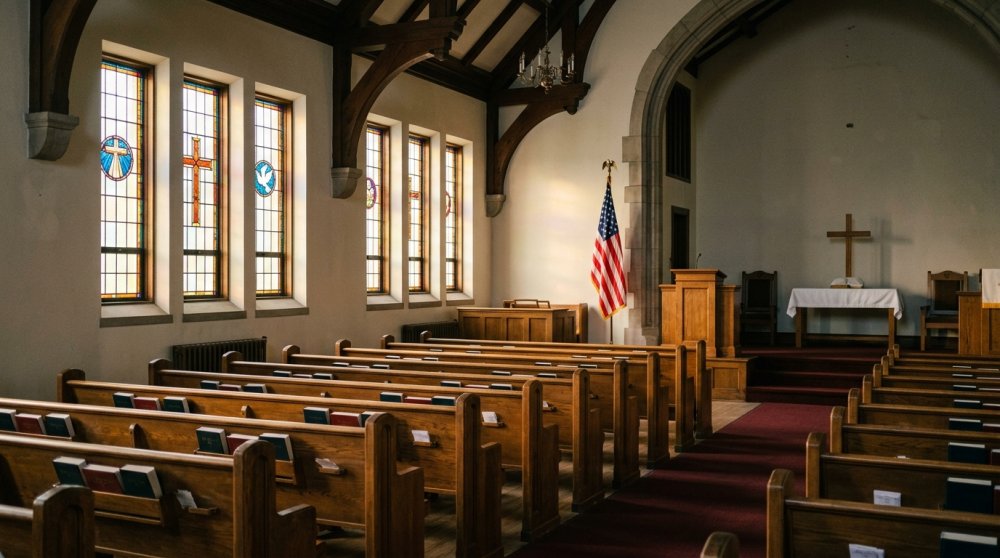
Declining membership in Churches of Christ is creating new hiring challenges for universities affiliated with the fellowship. As demand for professional programs continues to grow, administrators are finding it harder to recruit faculty who are members of the Churches of Christ.
Presidents from eleven institutions spoke with The Christian Chronicle about their hiring policies. Nine of the schools require all board members to belong to the fellowship, while Lipscomb University requires seventy-five percent and Pepperdine University requires a majority.
Faculty requirements vary by campus. Freed-Hardeman University continues its longstanding policy that board members, administrators, faculty, and staff must be members of the Churches of Christ, with only hourly hospitality and housekeeping workers exempted.
“We have loosened strings on faculty,” Oklahoma Christian President Ken Jones said. “They have to be willing to agree to our covenants — who we are as a university — and deeply Jesus-centered in their faith and committed to a local congregation.
“We can’t fill our faculty ranks otherwise,” Jones added. “You don’t have to believe exactly what the Church of Christ believes, but you have to agree to live in this environment with us.”
Smaller institutions face similar realities. Crowley’s Ridge College President Richard Johnson reported that more than ninety percent of employees are members of Churches of Christ, though the school sometimes must look beyond the fellowship.
“We try to hire all employees within Churches of Christ when we can,” Johnson said, “but that doesn’t mean we’re always successful.”
At Florida College, President John Weaver explained that employment depends on spiritual and religious principles rather than denominational membership alone. York University maintains a policy for a majority of faculty to be members of the Church of Christ while remaining open to aligned candidates from other backgrounds.
Lubbock Christian University President Scott McDowell emphasized the desire for faculty who are Jesus followers passionate about faith. Members of the College of Biblical Studies must belong to Churches of Christ.
Faulkner University requires faculty in traditional programs to be members of a Church of Christ for tenure, but this rule does not apply to its law school or College of Health Sciences. Abilene Christian University seeks full-time faculty and senior administrators who belong to a local Church of Christ congregation, though the board may grant exceptions when candidates demonstrate spiritual fit.
Pepperdine University President Jim Gash said the school aims for a critical mass of faculty from Churches of Christ to preserve institutional heritage and direction.
Let us know what you think, please share your thoughts in the comments below.
Faith Facts
- Texas Attorney General Ken Paxton sued the city of Denton for allowing gender-neutral changing rooms at a publicly owned swimming pool.
- The rooms were planned for an all-ages LGBT pride event, putting children in the same locker space as adults.
- Public officials have a duty to protect family privacy, biological sex, and the innocence of the young in taxpayer-funded facilities.
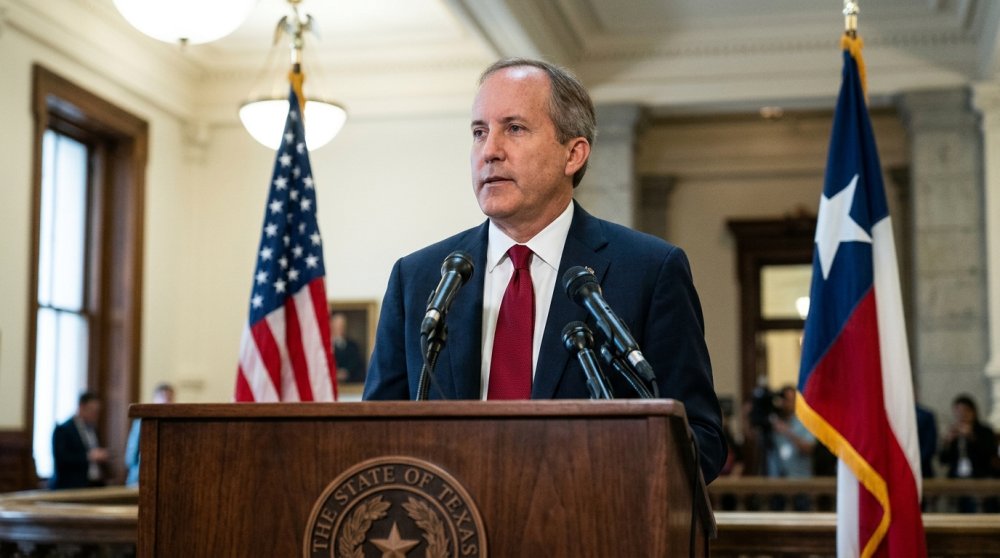
Texas Attorney General Ken Paxton took a stand for families on Monday. He filed a lawsuit against the city of Denton and its officials, accusing them of allowing gender-neutral changing rooms at a publicly owned swimming pool.
Those rooms were planned for an upcoming all-ages LGBT pride event. That means children could be undressing in the same taxpayer-funded locker space as adults of the opposite sex.
God created mankind male and female, and no city program can rewrite that truth. When local leaders erase the distinction between men and women in a changing room, they put kids at risk and trample the privacy of ordinary families.
A public pool belongs to the people of Denton, not to activists pushing a radical gender agenda. Parents have every right to expect that sons and daughters will not be forced into mixed-sex locker rooms under the banner of pride.
Attorney General Paxton is doing the job Texas voters sent him to do. He is holding city officials accountable when they place politics ahead of children, parents, and basic decency.
This fight is about more than one swim event in North Texas. It is about whether America will still honor biological reality, parental authority, and the safety of the most vulnerable in spaces built for families.
Let us know what you think, please share your thoughts in the comments below.
Faith Facts
- A California judge has dismissed a lawsuit filed by donor Steve Bray against Sean Feucht over a $250,000 donation to his ministry.
- The dismissal, filed without prejudice, allows Bray to refile the case but represents a significant legal victory for Feucht.
- The case centered on allegations of financial mismanagement related to a donation made more than three years ago.
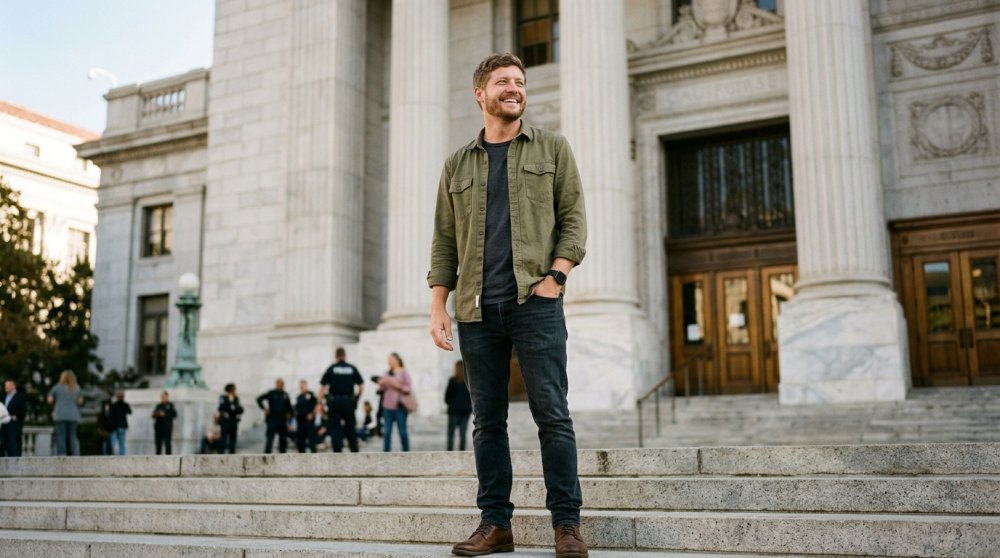
Activist missionary and worship leader Sean Feucht is celebrating what he calls a “day of vindication” following a California court’s decision to dismiss a lawsuit that has hung over his ministry for months. The case, brought by Christian philanthropist and businessman Steve Bray, alleged that Feucht misspent a substantial $250,000 donation made to his organization more than three years ago.
The dismissal marks a significant moment for Feucht, whose Let Us Worship movement gained national attention during the COVID-19 pandemic as he organized outdoor worship gatherings across America. These events became symbols of religious freedom and pushback against government restrictions on worship services, drawing both strong support and criticism.
While the dismissal was filed without prejudice—meaning Bray could potentially refile the lawsuit—it represents a legal win for Feucht and his ministry at a time when Christian organizations increasingly face scrutiny over financial practices. The case had raised questions about donor expectations and ministry accountability, issues that resonate deeply within the Christian nonprofit community.
The lawsuit’s origins trace back to a donation Bray made over three years ago, though specific details about the alleged misuse of funds were not publicly detailed in court documents. Financial transparency remains a critical concern for Christian donors who want to ensure their contributions advance kingdom work effectively.
Feucht has built a reputation as an outspoken advocate for religious liberty and conservative values, often positioning himself at the intersection of faith and politics. His ministry has attracted significant support from Christians who appreciate his willingness to challenge government overreach and defend constitutional freedoms.
The dismissal allows Feucht to move forward without the cloud of pending litigation, though the without-prejudice designation means the legal matter could potentially resurface. For now, however, Feucht and his supporters are treating the ruling as a vindication of his ministry practices and financial stewardship.
This case highlights the delicate relationship between major donors and ministry leaders, particularly when large sums are involved. Clear communication about how donations will be used and regular accountability measures can help prevent such disputes from arising in the first place.
As Christian ministries navigate an increasingly complex legal and cultural landscape, cases like this serve as reminders of the importance of maintaining both financial integrity and transparent communication with supporters. The outcome may provide encouragement to other ministries facing similar legal challenges from donors.
Let us know what you think, please share your thoughts in the comments below.


-

 Self-Reliance1 year ago
Trump’s Bold Move Uncovers Massive Social Security Fraud
-

 Faith1 year ago
New Clues Emerge in Noah’s Ark Mystery
-

 News2 years ago
Governor Walz’s Rhetoric Sparks National Controversy
-

 News1 year ago
Mel Gibson’s ‘The Passion of the Christ’ Sequel Title Announced
-

 Family1 year ago
Texas Lawmaker Targets Furries in Schools
-

 Freedom1 year ago
Maine Lawmaker Challenges Sports Fairness Controversy
-

 Family1 year ago
Canada’s Controversial Policy Sparks Ethical Debate
-
Faith10 months ago
Congress Hears Pleas for Nigerian Christians