
Faith
Grand Canyon University’s Nonprofit Status Affirmed

Faith Facts
- The Department of Education has officially restored Grand Canyon University’s nonprofit status after prolonged legal dispute, upholding the Ninth Circuit Court’s decision.
- An IRS audit completed in May 2025 confirmed GCU meets all legal standards as a 501(c)(3) tax-exempt nonprofit, supporting its mission as a Christian university.
- GCU’s President, Brian Mueller, expressed gratitude and commitment to furthering Christian education and overcoming challenges in higher learning.
This decision opens doors for Grand Canyon University to partner more broadly with donors and ministries, increase scholarships, and foster new relationships with hospitals and schools, supporting a faith-based mission.
The restored status also allows GCU to participate fully in NCAA athletics and redirect resources to student opportunities, rather than costly legal battles over its Christian mission.
“We are appreciative that officials within the current Department of Education adhered to the recent Ninth Circuit decision in our favor and conducted an objective and thorough review of GCU’s operations in determining GCU’s nonprofit status under the correct legal standard,” said President Brian Mueller.
This case reminds us of the importance of standing firm in faith, advocating for religious liberty, and demonstrating integrity as we navigate challenges to Christian values in public life.
Stay engaged with us as we continue to highlight victories for faith, family, and freedom in education and beyond.



Faith Facts
- Chris Tomlin led thousands in worship at the AWAKE Houston event on September 19
- The gathering filled the Smart Financial Centre with beloved contemporary Christian anthems
- Believers came together to honor Jesus Christ through music and unified prayer
Chris Tomlin stood before a packed house at the Smart Financial Centre in Houston, leading thousands of worshipers in an hour-long celebration of praise and adoration.
The worship leader guided the congregation through some of the most recognizable anthems in contemporary Christian music, creating an atmosphere of reverence and unity.
“We honor You” echoed throughout the venue as believers lifted their voices in one accord, setting aside the concerns of the world to focus on the majesty of Jesus Christ.
Let us know what you think, please share your thoughts in the comments below.
Faith Facts
- David Henrie publicly shared how his decision to follow Christ led to the loss of his former inner circle.
- Henrie credited his Catholic faith with providing new purpose and new friendships after the transition.
- The actor reflected on the spiritual convictions that prompted his return to the Catholic Church.
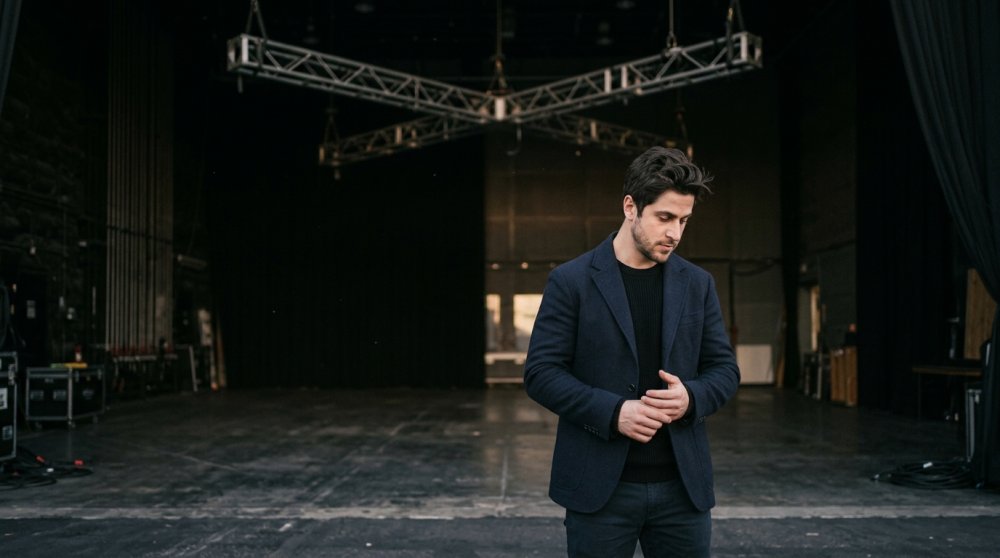
Actor David Henrie is speaking candidly about the personal cost of his Christian conversion in an industry often hostile to traditional faith.
The former Disney star said he “lost everyone” in his inner circle after embracing Christ.
“I lost everyone.”
Henrie explained that the decision to live openly as a believer forced him to rebuild relationships from the ground up.
He has since formed new friendships grounded in shared faith and values.
“I made new friends.”
Henrie also reflected on the deeper spiritual questions that led him back to the Catholic Church.
Let us know what you think, please share your thoughts in the comments below.
Faith Facts
- At least one Christian was killed every 86 minutes in Nigeria from January through early September.
- Most victims lived in regions that receive little attention from Nigerian or U.S. security planners.
- The data comes from a U.S.-based aid agency tracking ongoing violence against believers.
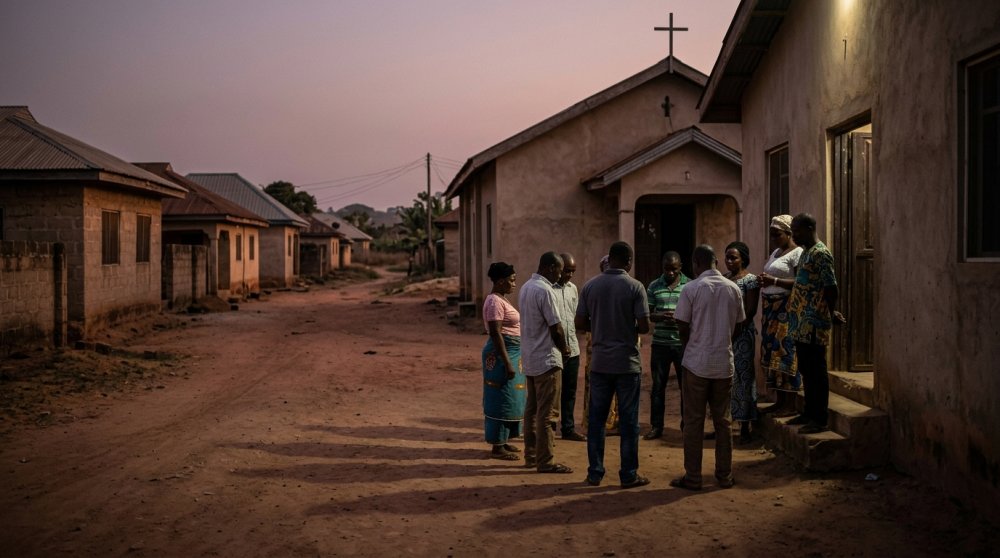
Christians in Nigeria continue to face relentless violence that shows little sign of slowing. A new report from a U.S.-based aid agency documents the grim pace of persecution, with at least one believer killed every 86 minutes between January 1 and September 8. The numbers paint a stark picture of targeted attacks that have claimed the lives of faithful men and women across the nation.
Many of the killings occurred in areas that rarely receive priority attention from either Nigerian officials or American security planners. This lack of focus leaves communities vulnerable and allows violence to continue unchecked. The report underscores how strategic neglect can have deadly consequences for those simply trying to live out their faith.
The findings serve as a sobering reminder that Christians remain among the most persecuted religious groups worldwide. In Nigeria, the pattern of violence often targets believers in rural and semi-rural regions where government presence is thin and security forces are stretched thin. Families are left to mourn loved ones while the international community struggles to respond effectively.
Let us know what you think, please share your thoughts in the comments below.


-

 Self-Reliance1 year ago
Trump’s Bold Move Uncovers Massive Social Security Fraud
-

 Faith1 year ago
New Clues Emerge in Noah’s Ark Mystery
-

 News2 years ago
Governor Walz’s Rhetoric Sparks National Controversy
-

 News1 year ago
Mel Gibson’s ‘The Passion of the Christ’ Sequel Title Announced
-

 Family2 years ago
Texas Lawmaker Targets Furries in Schools
-

 Freedom2 years ago
Maine Lawmaker Challenges Sports Fairness Controversy
-

 Family1 year ago
Canada’s Controversial Policy Sparks Ethical Debate
-
Faith10 months ago
Congress Hears Pleas for Nigerian Christians