
Faith
Global Church Leader Calls for Unity Amid Rising Christian Persecution Worldwide

Faith Facts
- Rev. Prof. Dr. Jerry Pillay serves as General Secretary of the World Council of Churches, representing over 500 million Christians from 352 member churches across 120 countries
- Christian persecution has intensified globally, with believers facing increasing threats in multiple regions including the Middle East, Africa, and parts of Asia
- The World Council of Churches has maintained its headquarters at the Ecumenical Centre in Geneva, Switzerland since 1966, serving as a hub for global Christian cooperation
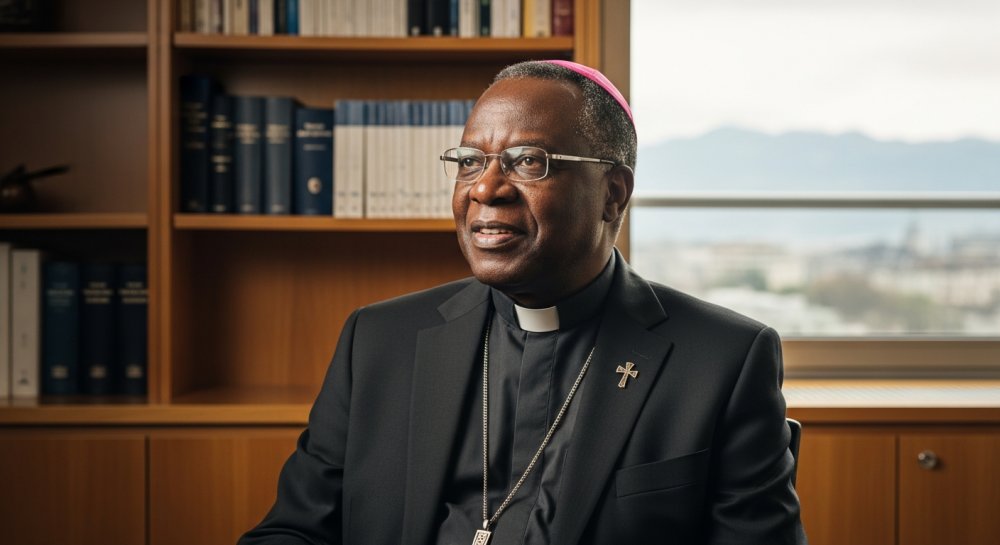
In an exclusive conversation at the historic Ecumenical Centre in Geneva, the leader of one of Christianity’s most influential global organizations shared his vision for strengthening the worldwide body of Christ during times of unprecedented challenge.
Rev. Prof. Dr. Jerry Pillay, General Secretary of the World Council of Churches (WCC), spoke about the critical importance of Christian unity as believers face mounting pressures from persecution, political instability, and cultural opposition to traditional faith values. The WCC represents over 500 million Christians from 352 member churches spanning 120 countries.
“We are stronger together,” Pillay emphasized, articulating a message that resonates deeply with Christians worldwide who understand that the strength of the global Church lies in its unity around the Gospel of Jesus Christ.
The conversation at the Ecumenical Centre — the WCC’s home since 1966 on the Chemin du Pommier in Geneva — covered crucial topics facing today’s global Christian community. These include the intensifying persecution of believers in multiple regions, the ongoing situation in Russia and Eastern Europe, and the future direction of ecumenical cooperation among Bible-believing churches.
Christian persecution has reached alarming levels in many parts of the world, with faithful believers enduring violence, imprisonment, and discrimination for their commitment to Christ. From the Middle East to Africa to parts of Asia, brothers and sisters in the faith face daily threats simply for professing the name of Jesus.
Pillay’s leadership comes at a pivotal moment when the global Church must stand firm in biblical truth while extending the love of Christ across denominational and cultural boundaries. The challenges are significant, but so is the opportunity for Christians to demonstrate the power of unity rooted in shared devotion to Scripture and traditional Christian values.
The WCC’s work encompasses supporting persecuted Christians, promoting religious freedom, and fostering cooperation among churches that hold to historic Christian faith. This mission aligns with the biblical call for believers to bear one another’s burdens and to stand together against forces that oppose the Gospel.
For American Christians, the global perspective offered by leaders like Pillay provides important context for understanding how believers in other nations face challenges that dwarf the cultural pressures experienced in the United States. It serves as both a sobering reminder and a call to prayer and action on behalf of the persecuted Church worldwide.
The conversation also touched on the complex situation involving Russia and the role of Christian churches in regions affected by political conflict. Maintaining Christian witness and unity amid geopolitical tensions requires wisdom, courage, and unwavering commitment to biblical principles of peace and justice.
As the WCC looks to the future of ecumenical work, the focus remains on cooperation that honors biblical truth while respecting the diverse expressions of genuine Christian faith around the world. True unity comes not from compromising core biblical values, but from standing together on the foundation of Scripture and the lordship of Jesus Christ.
Let us know what you think, please share your thoughts in the comments below.

Faith Facts
- Vice President JD Vance led rally attendees in reciting the Lord’s Prayer when a woman collapsed nearby.
- The moment highlighted the continued presence of Christian faith in American public life and political gatherings.
- Vance personally left the stage to check on the woman after leading the prayer.
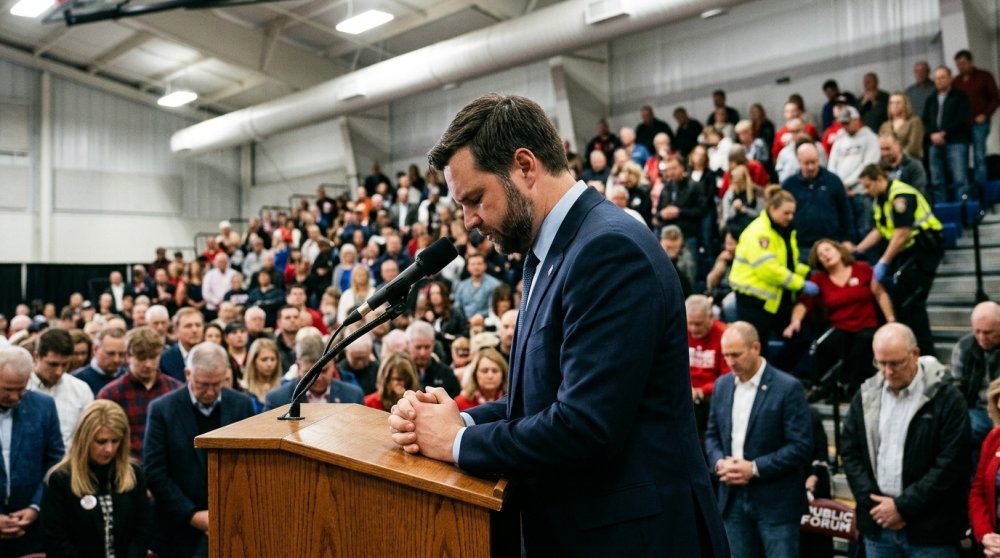
Vice President JD Vance paused a Nebraska campaign rally to lead the crowd in the Lord’s Prayer after a woman collapsed in the audience.
The incident took place during a live event where Vance addressed supporters and addressed policy issues.
“Pray as the Lord taught us to pray,” Vance said before leading the audience in the traditional prayer.
After finishing the prayer, Vance stepped down from the stage and made his way into the stands to personally check on the woman who had collapsed.
The spontaneous act of faith and compassion drew praise from attendees who witnessed the moment.
Let us know what you think, please share your thoughts in the comments below.
Faith Facts
- Oxford mathematician and Christian apologist Professor John Lennox encourages believers to share their faith with confidence.
- Lennox stresses that evangelism is not reserved only for preachers, theologians, or those with extensive biblical knowledge.
- Every Christian is called to be a witness for Christ in daily life.
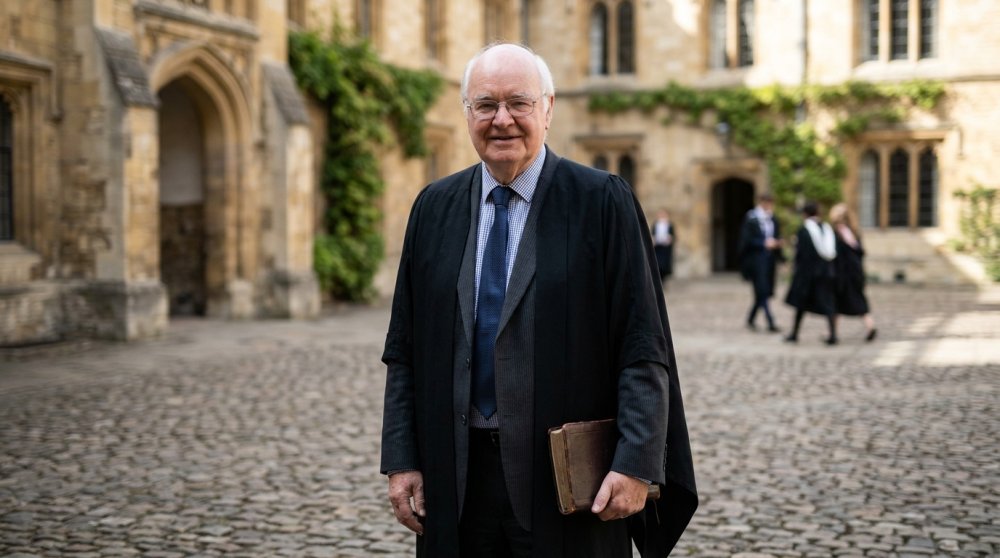
Oxford mathematician and Christian apologist Professor John Lennox is urging believers everywhere to share their faith with greater boldness and confidence. He reminds Christians that the call to witness is not limited to pastors or scholars but belongs to every follower of Christ.
“We’re all called to be witnesses,” Lennox declares. This simple truth challenges the idea that only trained experts can effectively share the gospel.
Professor Lennox emphasizes that evangelism is not about having every theological answer or delivering polished sermons. Instead, it is about living out and speaking the truth of Christ wherever God places His people.
His words come as a timely encouragement to Christians who may feel hesitant or unqualified to speak about their faith. Lennox points to the biblical calling that every believer is a witness, empowered by the Holy Spirit to share the hope within them.
Let us know what you think, please share your thoughts in the comments below.
Faith Facts
- At least seven Christians were killed in a targeted attack on a Greek Orthodox funeral service in Jordan.
- The assault occurred at a church known for peaceful worship and interfaith coexistence in the region.
- The attack highlights the ongoing threat of Islamic extremism to Christian communities worldwide.
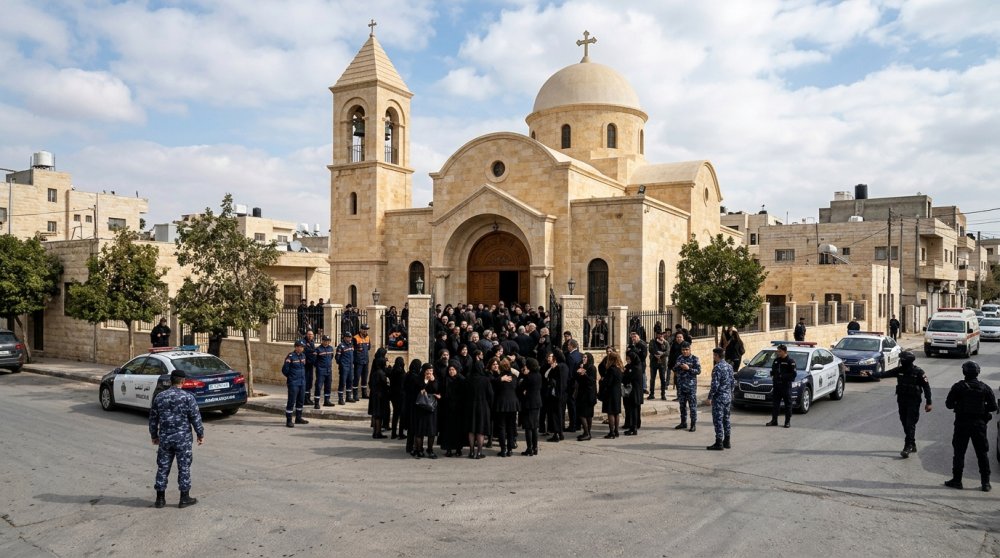
In a rare attack in a country known for peaceful inter-faith coexistence, suspected Islamic extremists attacked a funeral at a Greek Orthodox church in Jordan on Friday (Oct. 23), shooting at least seven people to death and wounding 28 others, according to reports.
The violence interrupted a sacred time of mourning and remembrance, striking at the heart of a Christian community gathered in faith.
Let us know what you think, please share your thoughts in the comments below.


-

 Self-Reliance2 years ago
Trump’s Bold Move Uncovers Massive Social Security Fraud
-

 Faith2 years ago
New Clues Emerge in Noah’s Ark Mystery
-

 News2 years ago
Governor Walz’s Rhetoric Sparks National Controversy
-

 News2 years ago
Mel Gibson’s ‘The Passion of the Christ’ Sequel Title Announced
-

 Family2 years ago
Texas Lawmaker Targets Furries in Schools
-

 Freedom2 years ago
Maine Lawmaker Challenges Sports Fairness Controversy
-

 Family1 year ago
Canada’s Controversial Policy Sparks Ethical Debate
-
Faith11 months ago
Congress Hears Pleas for Nigerian Christians