
News
Germany’s Population Crisis Deepens as Birth Deficit Reaches Historic Low


Faith Facts
- Germany recorded its largest natural population decline in postwar history during 2025, according to the Federal Statistical Office.
- The historic gap between births and deaths marks a deepening demographic crisis for Europe’s largest economy.
- The trend reflects broader concerns about family decline and the erosion of traditional values across Western nations.
Germany is facing an unprecedented demographic crisis as the nation recorded its largest natural population decline since World War II in 2025. The Federal Statistical Office reports that the gap between births and deaths has reached historic proportions, raising serious concerns about the future of Europe’s largest economy.
The dramatic population decline reflects a troubling trend that has been building for years across Western Europe. As traditional family structures continue to erode and birth rates plummet, Germany now confronts the stark reality of a shrinking native population.
This demographic collapse comes as no surprise to those who have long warned about the consequences of abandoning faith-based family values. For decades, secularization and the promotion of lifestyles that prioritize career over family have contributed to declining birth rates across the Western world.
The natural population deficit—the difference between births and deaths—signals more than just statistical concern. It represents a fundamental shift away from the biblical mandate to be fruitful and multiply, and points to a society that has lost sight of the blessing that children represent.
Germany’s situation serves as a cautionary tale for America and other Western nations. When societies devalue marriage, family, and faith, the inevitable result is demographic decline that threatens economic stability and cultural continuity.
The economic implications are severe. A shrinking working-age population means fewer taxpayers to support growing numbers of retirees, straining social welfare systems and potentially leading to economic stagnation.
From a Christian perspective, this crisis underscores the importance of promoting strong families rooted in biblical principles. Children are described in Scripture as a heritage from the Lord and a reward, yet modern Western culture increasingly treats them as optional or even burdensome.
The demographic winter gripping Germany and much of Europe stands in stark contrast to communities that maintain strong faith traditions and family values. Nations and communities that continue to honor marriage and welcome children tend to maintain healthier demographic profiles.
As Germany grapples with this existential challenge, the lesson for America is clear: societies that abandon traditional values and fail to support families will face similar consequences. The path forward requires a renewed commitment to faith, family, and the time-honored understanding that children are a blessing, not a burden.
Let us know what you think, please share your thoughts in the comments below.


Faith Facts
- Pete Greig, founder of 24-7 Prayer, addressed the Wildfires festival calling for prayer regarding national defense.
- Alan Storkey argues that increased military spending conflicts with the Christian call to peace.
- The discussion highlights ongoing tensions between traditional Christian values of peace and national security concerns.
During a recent appearance at the Wildfires festival, Pete Greig, leader of 24-7 Prayer, urged Christians to pray for peace while also calling on the UK Prime Minister to increase defense spending. The remarks sparked debate among believers about how faith communities should respond to growing global instability.
Alan Storkey, a Christian commentator, responded to Greig’s message by questioning whether higher military budgets align with the Gospel’s emphasis on peace. Storkey argues that Christians have a responsibility to seek solutions that reduce conflict rather than prepare for it.
“Prepare for war,” Greig stated during his talk, emphasizing the need for stronger national defense in uncertain times.
Storkey counters that such an approach risks escalating tensions rather than resolving them. He suggests that prayer for wisdom in foreign policy and diplomatic solutions should take precedence over increased military expenditure.
The exchange reflects broader conversations within Christian circles about how believers should engage with issues of war, peace, and government policy. Many traditional Christians continue to wrestle with balancing national security concerns against biblical calls for peacemaking.
Let us know what you think, please share your thoughts in the comments below.
Faith Facts
- Samuel Rodriguez is a prominent Hispanic evangelical leader focused on faith, family, and freedom.
- Conservative values emphasize personal responsibility, limited government, and secure borders.
- Latino voters have historically prioritized faith-based principles and traditional American ideals.
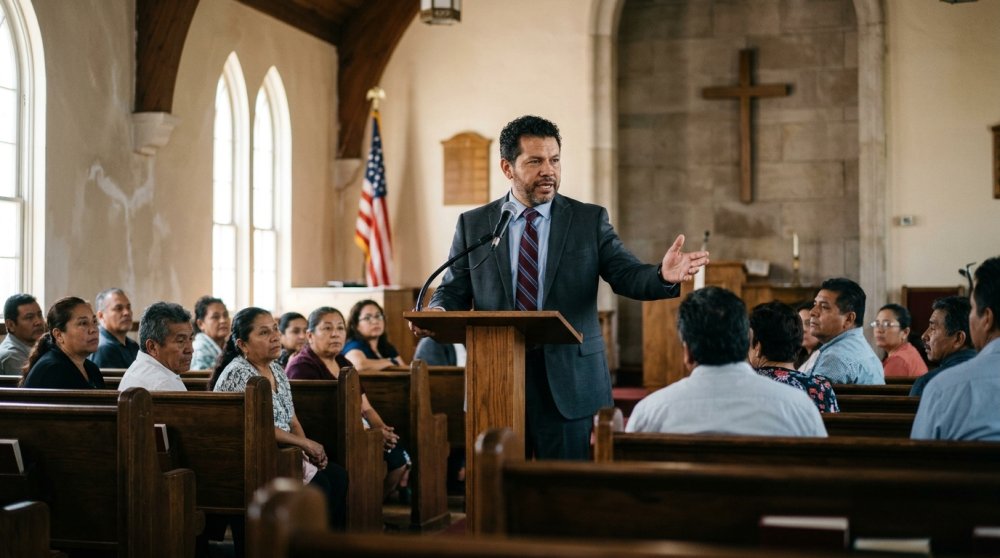
Samuel Rodriguez, president of the National Hispanic Christian Leadership Conference, warned that Republican candidates could face significant Latino voter abstention during the 2026 midterm elections. He attributes this risk to rising living costs and the Trump administration’s firm immigration policies.
"Hispanic Evangelical leader Samuel Rodriguez believes conservatives could most certainly lose ground with Latino voters in the 2026 midterm elections through what he calls votes of abstention as the community struggles with higher costs of living and the Trump administration’s aggressive immigration enforcement."
Rodriguez highlights that many Latino families are feeling financial strain from inflation and everyday expenses. These pressures, combined with strict border enforcement, may lead some voters to stay home on election day.
"Hispanic Evangelical leader Samuel Rodriguez believes conservatives could most certainly lose ground with Latino voters in the 2026 midterm elections through what he calls votes of abstention as the community struggles with higher costs of living and the Trump administration’s aggressive immigration enforcement."
While acknowledging the importance of border security, Rodriguez urges Republican leaders to communicate their policies with compassion and clarity to maintain support among faith-minded Latino voters.
Let us know what you think, please share your thoughts in the comments below.
Faith Facts
- Scripture warns against false witness and calls believers to defend truth with love and clarity.
- Christian teaching upholds the unique biblical connection of the Jewish people to the land of Israel.
- Faithful Christians are called to stand with Israel and reject rhetoric that distorts history or stirs division.
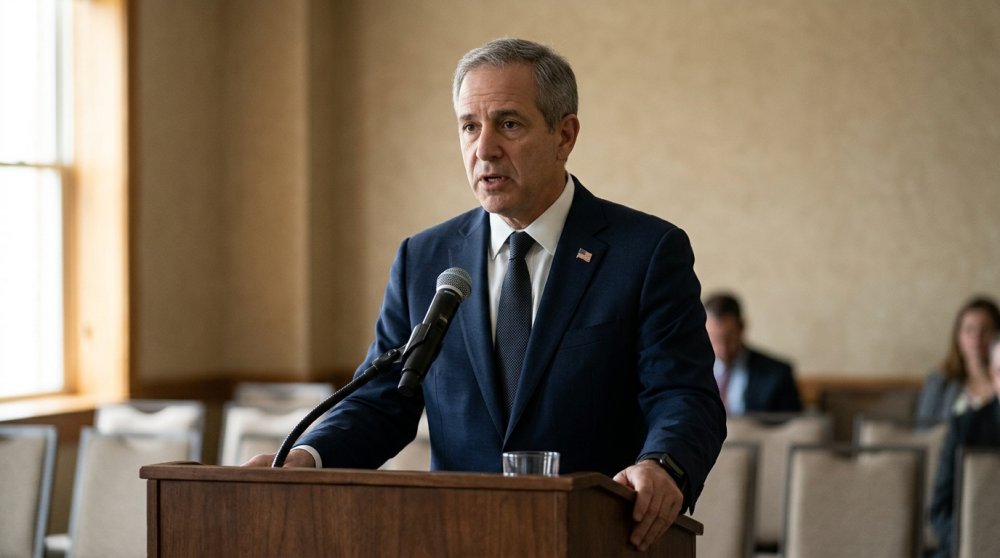
Former President Barack Obama recently told an audience in Belfast that the Jews “took land off people” and were “excessive.” The remarks drew swift and pointed criticism from Elisha Wiesel, son of the late Nobel laureate Elie Wiesel. Wiesel’s public response highlighted the troubling nature of the former president’s language.
Christians who hold to the authority of Scripture recognize that such statements misrepresent both history and God’s covenant promises. The Bible consistently affirms the Jewish people’s connection to the land of Israel, from Genesis through the prophets.
“It is dangerous for a former president of the United States to use such language,” Elisha Wiesel stated.
The comment comes amid ongoing global debates over Israel’s right to exist and defend itself. Many American believers see these discussions as spiritual as well as political, rooted in the promises recorded in Scripture.
“Words have consequences, especially when spoken by those who once held the highest office in our nation,” Wiesel added.
Faithful Christians are increasingly vocal in their support for Israel and their concern over rhetoric that echoes historic patterns of blame. Standing with the Jewish people remains a matter of biblical conviction for many American believers.
Let us know what you think, please share your thoughts in the comments below.


-

 Self-Reliance2 years ago
Trump’s Bold Move Uncovers Massive Social Security Fraud
-

 Faith2 years ago
New Clues Emerge in Noah’s Ark Mystery
-

 News2 years ago
Governor Walz’s Rhetoric Sparks National Controversy
-

 News2 years ago
Mel Gibson’s ‘The Passion of the Christ’ Sequel Title Announced
-

 Family2 years ago
Texas Lawmaker Targets Furries in Schools
-

 Freedom2 years ago
Maine Lawmaker Challenges Sports Fairness Controversy
-

 Family1 year ago
Canada’s Controversial Policy Sparks Ethical Debate
-
Faith11 months ago
Congress Hears Pleas for Nigerian Christians