
Faith
Franklin, Whitefield, and a Revival That Shaped America

Faith Facts
- George Whitefield was a central figure in the First Great Awakening, preaching a message of spiritual renewal across the colonies.
- Benjamin Franklin, the son of a Puritan, used his influence to promote Whitefield’s religious gatherings despite their different spiritual leanings.
- The film “A Great Awakening” explores how faith-based unity served as a precursor to the birth of the United States.
As our nation prepares for its 250th anniversary, we reflect on the providential foundations laid during the First Great Awakening.
This historical movement united our ancestors under the proclamation of liberty in Christ and established the moral bedrock of our democracy.
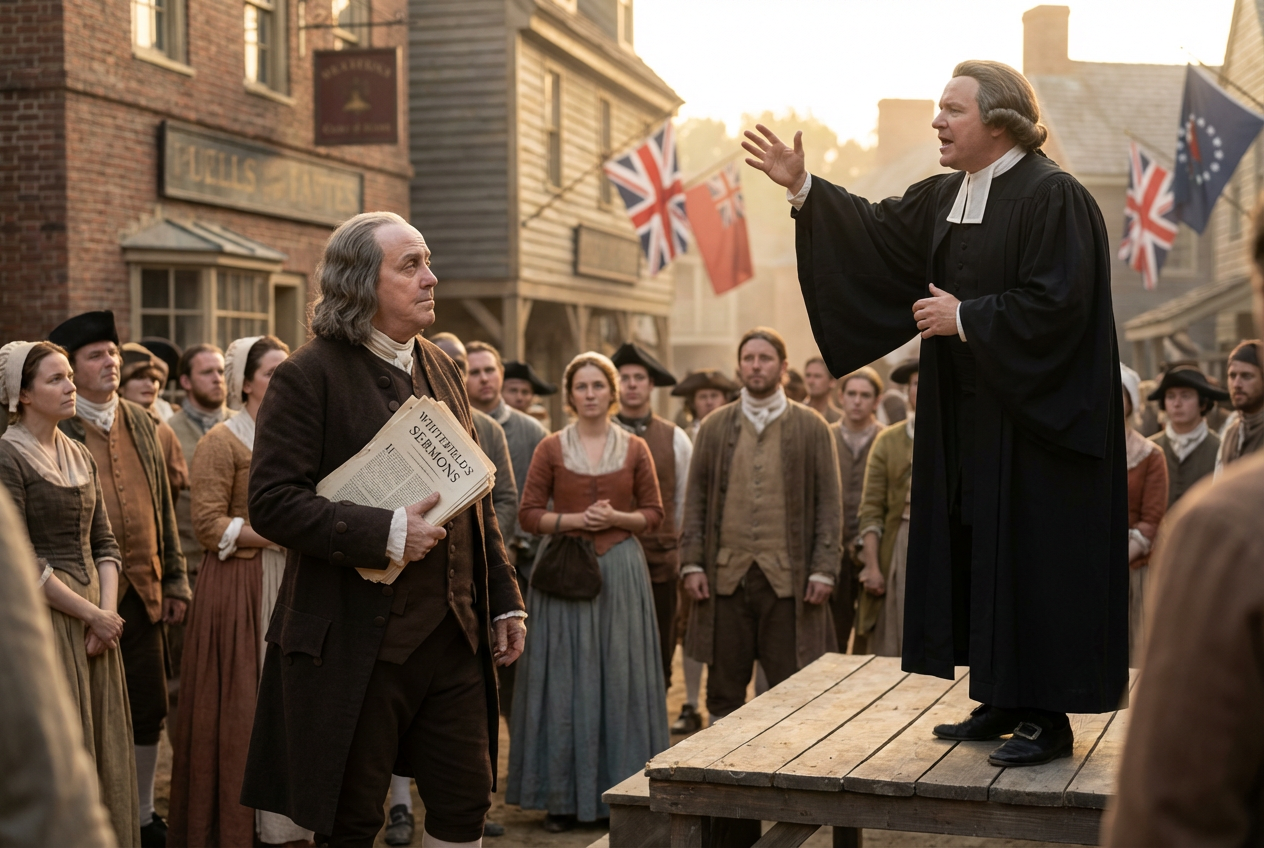
Sight & Sound Theaters is releasing a new feature film, “A Great Awakening,” to highlight the unlikely friendship between Benjamin Franklin and Reverend George Whitefield.
This partnership served as a powerful catalyst for spiritual revival throughout the American colonies.
“The Lord redeemed that calling that was on Ben Franklin’s life by having him promote this uprising of faith,” says Joshua Enck, Chief Story Officer at Sight & Sound.
Despite his secular reputation, Franklin was the primary promoter of Whitefield’s ministry, demonstrating how God uses diverse individuals to accomplish His divine purposes.
Their shared commitment to truth helped shape the early identity of a people seeking both spiritual and political freedom.
Explore this inspiring chapter of our American heritage and see how God’s hand guided our nation’s earliest leaders toward the light of the Gospel.


Faith Facts
- Christianity offers the only worldview that truly explains the existence and purpose of pleasure
- A culture fixated on immediate gratification consistently fails to provide lasting fulfillment
- Biblical wisdom reveals that true joy comes through honoring God’s design for human flourishing
The Christian worldview is not hostile to pleasure. In fact, Christianity is the only worldview that can truly explain why pleasure exists at all.
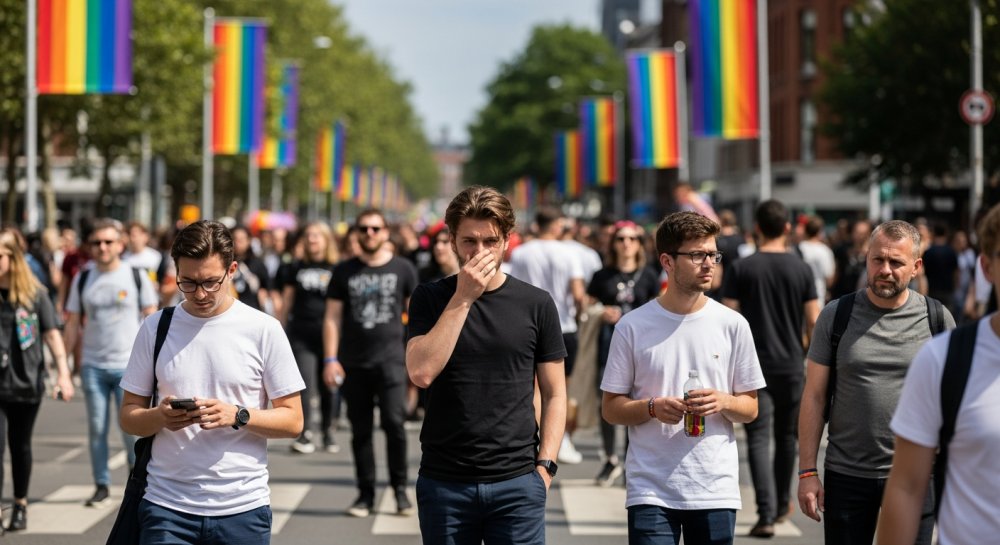
While our culture celebrates various forms of self-gratification, particularly during designated months of recognition, it consistently fails to deliver on its central promise: genuine happiness and fulfillment. This represents one of the great ironies of our time — a society obsessed with pleasure finds itself increasingly empty.
Scripture teaches that God created pleasure for our good, but within a framework of purpose and design. When we pursue pleasure as an end in itself, disconnected from the Creator who fashioned it, we find only temporary satisfaction that quickly fades.
The Christian understanding recognizes that human beings are made for something greater than momentary gratification. We are created in God’s image with eternal souls, designed for relationship with our Maker and with one another in ways that honor His design.
True pleasure — the kind that satisfies deeply and endures — comes not from rebellion against God’s standards but from aligning our lives with His purposes. This is the path to genuine joy that our culture, in its pursuit of autonomy, has abandoned.
When we reject God’s design for human sexuality, marriage, and family, we don’t liberate ourselves into greater pleasure. Instead, we cut ourselves off from the very source of lasting joy.
The answer to our culture’s emptiness isn’t more celebration of self-directed desire, but a return to the wisdom of our Creator. Only in Him do we find the abundant life He promises — a life where pleasure finds its proper place within His good design.
Let us know what you think, please share your thoughts in the comments below.
Faith Facts
- First Baptist Dallas broke ground on a new sanctuary nearly two years after a devastating fire destroyed their historic building
- The congregation is targeting Easter 2028 for the debut of the new sanctuary
- The groundbreaking ceremony marks a milestone of faith and resilience for one of America’s most prominent evangelical churches
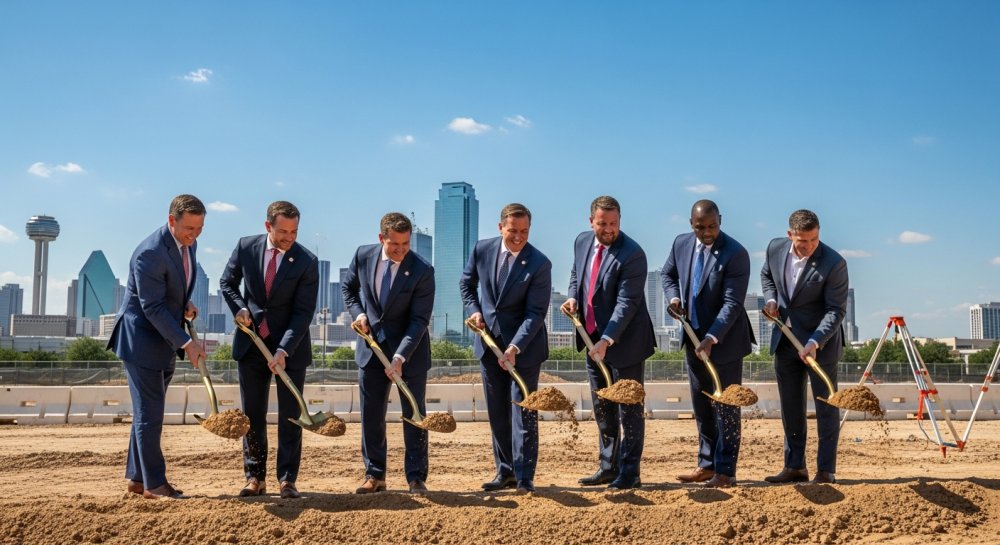
In a powerful display of faith and determination, First Baptist Dallas held a groundbreaking ceremony marking the official start of their rebuilding process. The historic church was devastated by fire nearly two years ago, but the congregation has remained steadfast in their commitment to restore their spiritual home.
The new sanctuary represents more than just bricks and mortar—it symbolizes the unwavering spirit of a Christian community that refused to be defeated by tragedy. Church leaders and members gathered to celebrate this significant milestone in their journey of restoration.
First Baptist Dallas has long stood as a beacon of evangelical Christianity in America, known for its bold proclamation of biblical truth and traditional values. The congregation’s resilience in the face of this devastating loss demonstrates the enduring power of faith and community.
The ambitious timeline targets Easter 2028 for the debut of the new sanctuary, a fitting resurrection timeline that mirrors the hope and renewal central to the Christian faith. This sacred deadline gives special meaning to the rebuilding effort, connecting the physical restoration of the church building to the spiritual renewal celebrated at Easter.
The groundbreaking ceremony brought together church members who have weathered this storm together, maintaining their worship and fellowship despite the loss of their historic sanctuary. Their perseverance serves as an inspiration to Christian communities across the nation facing their own challenges.
As construction begins, the project stands as a testament to what can be accomplished when a faith community remains united in purpose and committed to their mission. The new sanctuary will continue First Baptist Dallas’s legacy of proclaiming the Gospel and upholding Christian values in an increasingly secular culture.
Let us know what you think, please share your thoughts in the comments below.
Faith Facts
- A veteran Southern Baptist pastor reports the 2024 SBC Annual Meeting showed renewed unity and optimism after years of division
- Attendees displayed noticeably higher morale and excitement about the convention’s future direction
- The gathering marked a potential turning point for America’s largest Protestant denomination amid cultural challenges
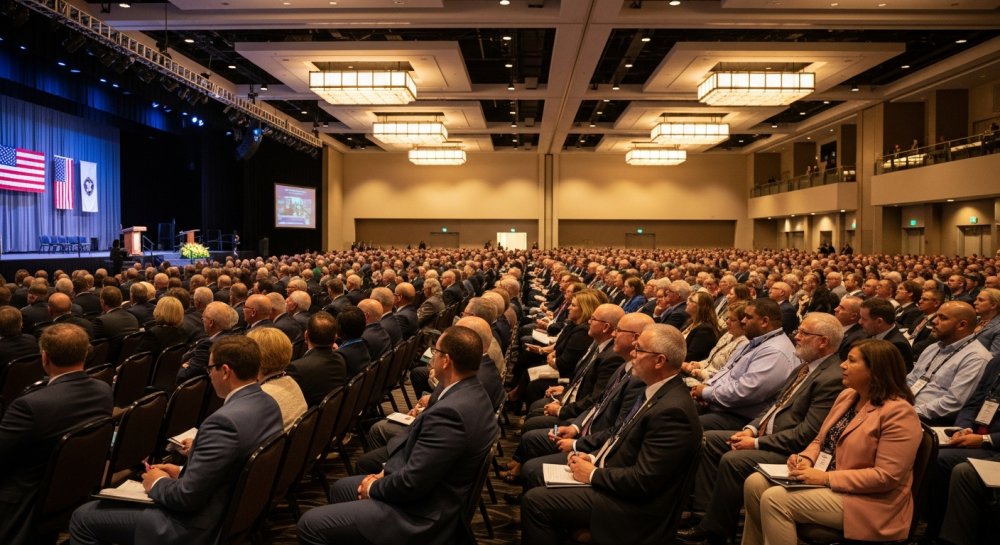
After five decades of attending Southern Baptist Convention Annual Meetings, one seasoned pastor says the 2024 gathering offered something increasingly rare in recent years: genuine hope.
The mood shift was unmistakable. People were happier than in recent years and, most importantly, were anticipating the SBC’s future with both encouragement and excitement.
For an observer who has witnessed half a century of convention politics, theological debates, and institutional struggles, the change in atmosphere represents more than just improved sentiment. It signals a potential turning point for the nation’s largest Protestant denomination at a time when faithful witness has never been more critical.
The Southern Baptist Convention has weathered significant storms in recent years, from internal divisions over race and politics to high-profile scandals that tested member loyalty. Yet the 2024 meeting suggested the denomination may be finding its footing again, returning to core mission priorities that first united its churches.
What made this particular gathering stand out was not any single decision or resolution, but rather the collective spirit of messengers who seemed ready to move forward together. The divisions that had characterized recent meetings appeared to give way to a renewed sense of common purpose centered on the Great Commission.
For those who care deeply about the future of evangelical Christianity in America, the health of the SBC matters enormously. With over 47,000 churches and 13 million members, the convention’s direction influences not just Southern communities but the broader conservative Protestant witness nationwide.
The improved morale at the convention reflects what many pastors are seeing at the local church level: believers hungry for unity around biblical truth rather than endless infighting. In an age of cultural confusion, Christians are rediscovering the power of standing together on essentials while extending grace on secondary matters.
This shift toward encouragement and forward-looking vision couldn’t come at a better time. American culture desperately needs the moral clarity and compassionate ministry that faithful Southern Baptist churches have historically provided to their communities.
As the convention moves forward from this encouraging meeting, the challenge will be maintaining this renewed sense of purpose and translating positive sentiment into effective ministry. The test of any annual meeting is not the feelings it generates but the fruit it produces in local churches doing the work of the gospel.
Still, after 50 years of conventions, this veteran observer knows that momentum matters. When God’s people gather with genuine excitement about serving Him together, remarkable things become possible. That’s reason enough for encouragement.
Let us know what you think, please share your thoughts in the comments below.


-

 Self-Reliance1 year ago
Trump’s Bold Move Uncovers Massive Social Security Fraud
-

 Faith1 year ago
New Clues Emerge in Noah’s Ark Mystery
-

 News1 year ago
Governor Walz’s Rhetoric Sparks National Controversy
-

 News1 year ago
Mel Gibson’s ‘The Passion of the Christ’ Sequel Title Announced
-

 Family1 year ago
Texas Lawmaker Targets Furries in Schools
-

 Freedom1 year ago
Maine Lawmaker Challenges Sports Fairness Controversy
-

 Family1 year ago
Canada’s Controversial Policy Sparks Ethical Debate
-
Faith7 months ago
Congress Hears Pleas for Nigerian Christians