
Faith
Franklin Graham Defends Just War Amid Papal Criticism of Trump’s Military Strikes

Faith Facts
- Franklin Graham told Piers Morgan there is justification for war “when you’re fighting evil,” directly challenging Pope Francis’s recent criticism of military action
- The evangelical leader’s comments come amid escalating tensions between the Vatican and President Trump over the use of military force
- Graham emphasized that while he does not want or support war generally, Christians must recognize the biblical precedent for confronting evil with force when necessary
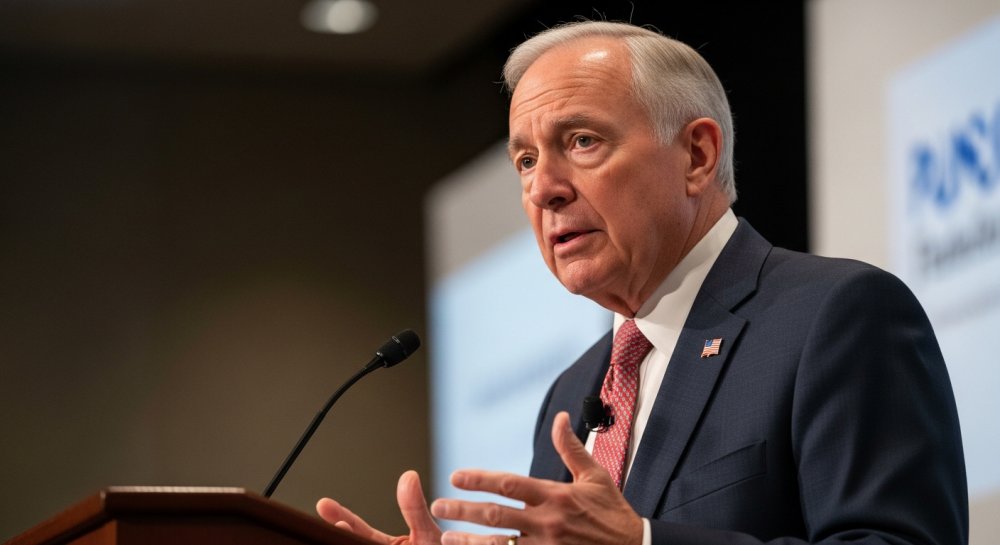
In a bold defense of traditional Christian just war doctrine, Franklin Graham has pushed back against Pope Francis’s recent comments criticizing military action, arguing that there are times when force is morally justified in the fight against evil. The prominent evangelical leader’s remarks come as tensions between the Vatican and President Trump have escalated over U.S. military strikes and foreign policy.
Speaking with British journalist Piers Morgan, Graham acknowledged the complexity of the issue while standing firm on biblical principles. He explained that while peace is always preferable, there are circumstances where military action becomes a moral necessity.
“I don’t want war, I don’t support war,” Graham said. “But there is justification for it when you’re fighting evil.”
The statement represents a direct challenge to Pope Francis’s more pacifist stance on military conflict. The pontiff has been increasingly vocal in his criticism of military action, particularly aimed at the Trump administration’s foreign policy decisions. This has created a rare public divide between prominent Christian leaders on matters of war, peace, and the proper response to evil in the world.
Graham’s position reflects a long-standing Christian tradition of just war theory, which holds that while war is tragic and should be avoided when possible, it can be morally justified under certain circumstances. This doctrine has deep roots in Christian theology, dating back to St. Augustine and further developed by St. Thomas Aquinas. It stands in contrast to absolute pacifism, which rejects all use of military force regardless of circumstances.
The evangelical leader’s comments carry significant weight within American Christian conservative circles. As the son of the late Billy Graham and president of the Billy Graham Evangelistic Association, Franklin Graham commands respect among millions of believers who look to him for moral and spiritual guidance on contemporary issues.
The exchange highlights a growing theological and political divide between evangelical Protestantism in America and the current Vatican leadership. While Pope Francis has pushed the Catholic Church toward more progressive stances on various social and political issues, many American evangelicals have remained committed to traditional conservative values and a more robust view of national defense.
Graham’s willingness to speak plainly about the need to confront evil—even when it requires military force—resonates with Christians who believe that protecting the innocent and defending freedom sometimes demands difficult choices. This perspective sees American military strength not as an instrument of aggression, but as a necessary deterrent against tyranny and a shield for the vulnerable.
The debate between Graham and the Pope also reflects broader tensions within global Christianity about the proper relationship between faith and politics, particularly regarding America’s role in the world. Many American Christians see their nation as having a special responsibility to stand against evil regimes and terrorist organizations that threaten peace and religious liberty worldwide.
This is not the first time Graham has found himself at odds with Pope Francis on matters of politics and policy. The evangelical leader has previously defended President Trump against Vatican criticism, arguing that the president deserves support from Christians for his policies protecting religious freedom and defending traditional values.
As the discussion continues, Graham’s position serves as a reminder that faithful Christians can hold different views on complex moral questions while still sharing core beliefs about the reality of evil and the call to protect the innocent. His comments invite believers to engage seriously with Scripture and Christian tradition as they wrestle with the difficult questions of when and how to respond to threats against freedom and human dignity.
Let us know what you think, please share your thoughts in the comments below.


Faith Facts
- A North Carolina church baptized 458 people in one day.
- This event marks the largest single-day baptism in the congregation’s 137-year history.
- The congregation attributes the record turnout to God at work in their community.
A multisite church in North Carolina baptized 458 people in a single day. This remarkable turnout set a new record for the congregation.
The milestone surpasses any previous single-day baptism in the church’s 137-year history. Church leaders say the outpouring reflects God’s active work among their members and surrounding communities.
Let us know what you think, please share your thoughts in the comments below.
Faith Facts
- Dylan Mandell, a Christian social media influencer, has received his fourth cancer diagnosis in four years.
- Mandell publicly declares he is standing on God’s promise of long life despite the repeated health trials.
- The influencer’s testimony highlights unwavering faith and reliance on Scripture amid suffering.
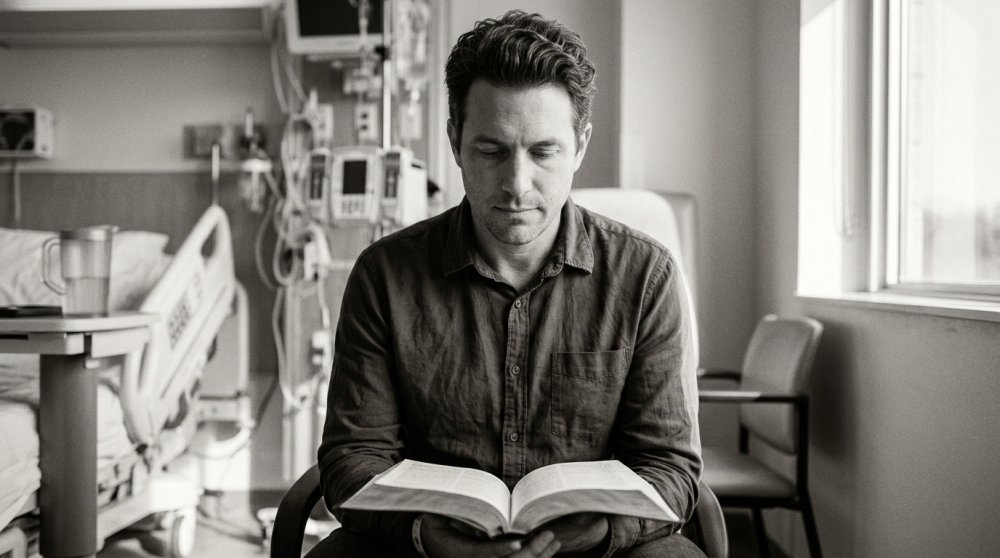
Christian social media influencer Dylan Mandell has been diagnosed with cancer for the fourth time in four years. Yet he refuses to let fear define his story. Instead, he is clinging to the biblical promise of long life.
“I am holding on to God’s promise of long life,” Mandell said. The statement reflects his determination to trust Scripture even when circumstances appear grim.
Family, friends, and followers have rallied around Mandell as he faces this latest battle. His transparency about his health has encouraged many believers to strengthen their own faith during trials.
Through every diagnosis, Mandell has pointed others back to the Word of God. He continues to share messages of hope grounded in Scripture rather than statistics.
Let us know what you think, please share your thoughts in the comments below.
Faith Facts
- Frank Turek continues sharing the Gospel on college campuses despite the trauma of witnessing Charlie Kirk’s assassination.
- Turek credits his faith in Christ for helping him process the violence and remain committed to truth.
- The Christian apologist warns that America is engaged in a spiritual battle over reality itself.
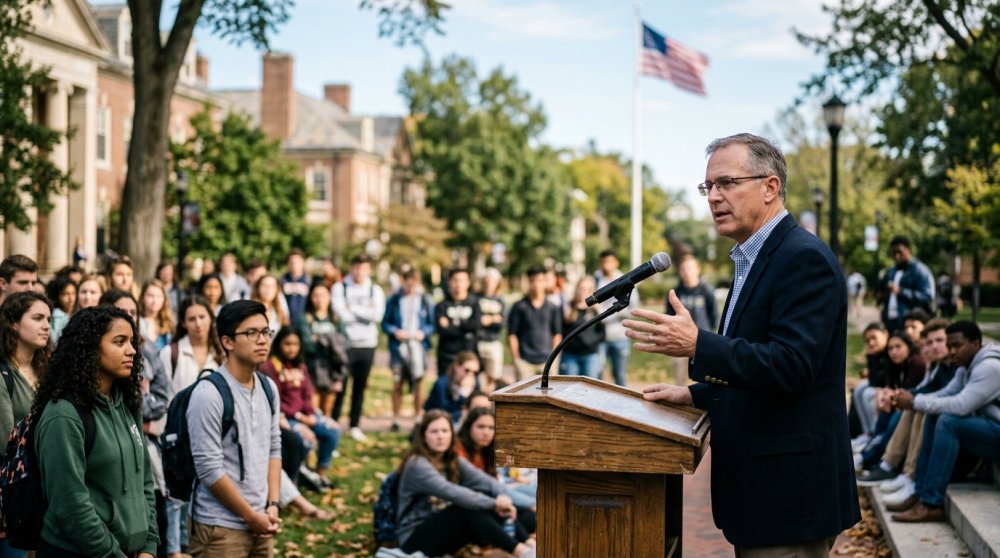
Christian apologist Frank Turek has spoken candidly about the profound effect of watching Charlie Kirk’s assassination unfold before his eyes. The shocking act of violence has not silenced his message. Instead, it has strengthened his resolve to continue proclaiming the Gospel on university campuses across the nation.
Turek explained that his faith has been the anchor keeping him steady through the aftermath of the tragedy. He described turning to Scripture and prayer as he grappled with the reality of what he witnessed. That same faith now fuels his determination to keep engaging students with biblical truth.
“The war on reality is real, and it is spiritual,” Turek stated.
He emphasized that the same cultural forces celebrating the murder of Charlie Kirk are the forces actively opposing biblical Christianity on campuses and in the public square. Turek refused to retreat in the face of such hostility, insisting that the Gospel must still be proclaimed even when the cost is high.
“I refuse to back down,” he declared.
Turek’s commitment reflects a broader pattern among Christian leaders who view current cultural battles as part of an ongoing spiritual conflict. He continues to equip believers with apologetics while urging them to stand firm in the face of increasing opposition to traditional values and religious liberty.
Let us know what you think, please share your thoughts in the comments below.


-

 Self-Reliance1 year ago
Trump’s Bold Move Uncovers Massive Social Security Fraud
-

 Faith1 year ago
New Clues Emerge in Noah’s Ark Mystery
-

 News2 years ago
Governor Walz’s Rhetoric Sparks National Controversy
-

 News1 year ago
Mel Gibson’s ‘The Passion of the Christ’ Sequel Title Announced
-

 Family2 years ago
Texas Lawmaker Targets Furries in Schools
-

 Freedom2 years ago
Maine Lawmaker Challenges Sports Fairness Controversy
-

 Family1 year ago
Canada’s Controversial Policy Sparks Ethical Debate
-
Faith10 months ago
Congress Hears Pleas for Nigerian Christians