
News
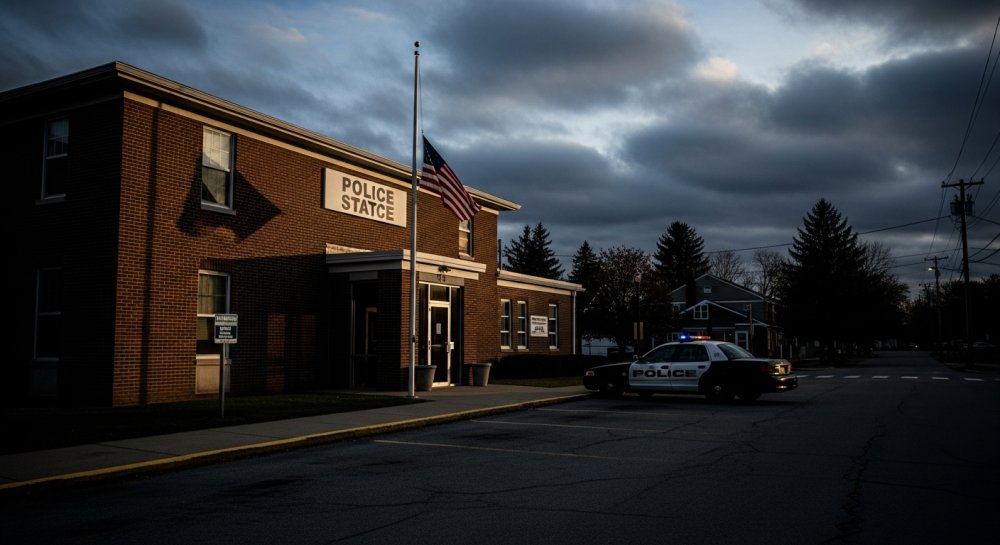
Former Youth Pastor Charged With Wife’s Murder Takes Own Life in Custody

Faith Facts
- A former youth pastor charged with murdering his wife nearly two decades ago died by suicide in police custody this week.
- Authorities reopened the cold case after new evidence emerged in what was previously ruled an accidental death.
- The case highlights the importance of justice and accountability, even when years have passed since a tragedy occurred.
A former youth pastor who served in ministry nearly 20 years ago has died by suicide while in police custody after being charged this week with the murder of his wife, authorities confirmed.
The man was arrested following a reopened investigation into his wife’s death, which had long been ruled accidental. New evidence reportedly prompted law enforcement to revisit the case and ultimately bring murder charges against him.
The tragedy has sent shockwaves through the community where the former pastor once served. Many who knew the couple decades ago expressed disbelief at the allegations and the subsequent death in custody.
Authorities have not released specific details about what new evidence led to the charges or the circumstances surrounding the suicide. The investigation into the original death remains ongoing, even as the suspect’s own death closes the possibility of a trial.
The case serves as a sobering reminder that justice, though sometimes delayed, remains essential for victims and their families. It also underscores the profound responsibility that comes with positions of spiritual leadership and the devastating impact when trust is violated.
For families affected by both the original tragedy and this week’s developments, the path forward will require faith, healing, and the support of their communities. The pursuit of truth and accountability, even after many years, reflects a commitment to justice that honors victims and upholds the rule of law.
Let us know what you think, please share your thoughts in the comments below.

Faith Facts
- Hillsong United worship leader Joel Houston has spoken openly about a season of deep personal reflection after facing significant challenges in recent years.
- The well-known worship artist revealed that he spent two to three years largely removed from regular church involvement during this difficult period.
- Houston’s experience highlights the reality that even prominent Christian leaders face seasons of testing and spiritual struggle.
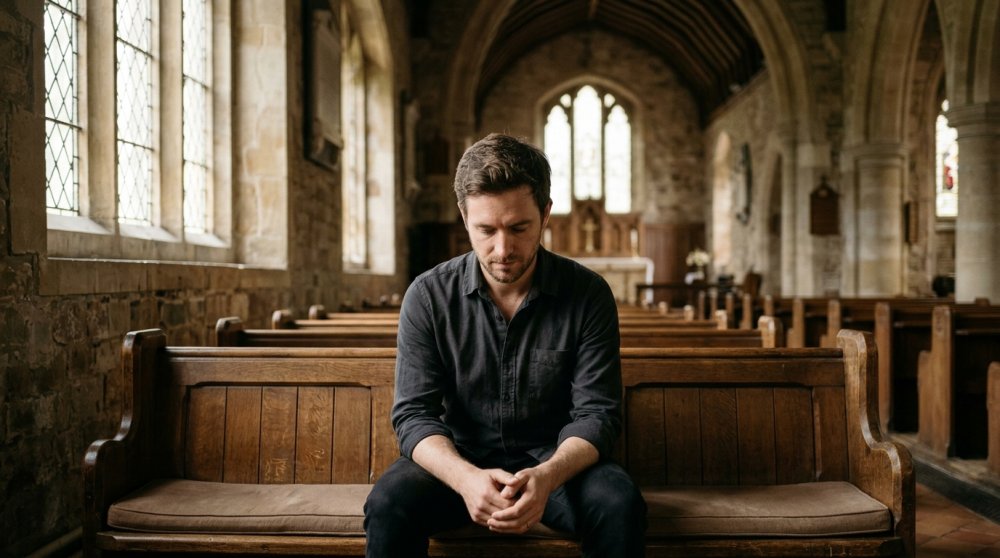
Joel Houston, the frontman for Hillsong United, has been candid about navigating a challenging season marked by personal struggles and spiritual introspection.
The worship leader shared that this period led him to step back significantly from church involvement for an extended time.
“I spent two to three years largely away from church,” Houston stated regarding his time of soul-searching.
His honesty about this chapter in his life serves as a reminder that faith journeys are not always straightforward, even for those in leadership positions within the Christian community.
Let us know what you think, please share your thoughts in the comments below.

Faith Facts
- Christian teaching affirms the sanctity of human life from conception to natural death
- Scripture calls believers to defend the vulnerable and protect the dignity of every person
- Traditional values uphold family responsibility and compassionate care rather than state-sanctioned ending of life
A recent report on Australia’s assisted suicide practices is drawing fresh concern from pro-life organizations across the nation.
According to the findings, a required nine-day waiting period is frequently being bypassed, raising questions about whether adequate safeguards are in place.
“We are seeing people rushed through a process that was meant to include reflection and protection,”
one pro-life advocate stated.
Supporters of the current law argue that the waiting period can be waived in cases where death is imminent or where the patient is experiencing severe suffering. Critics, however, warn that such exceptions risk turning a carefully regulated system into one that can be fast-tracked without sufficient oversight.
“The data shows that the safeguards are not being consistently applied,”
another voice in the debate noted.
Pro-life groups emphasize that every life holds inherent value and that society should focus resources on palliative care and family support instead of hastening death. They point to Australia’s experience as a cautionary example for other nations considering similar legislation.
“We must stand for life at every stage and reject the notion that some lives are expendable,”
a statement from one organization declared.
The report is expected to intensify debate as lawmakers and faith communities examine the long-term implications of assisted suicide laws.
Let us know what you think, please share your thoughts in the comments below.

Faith Facts
- Scripture teaches believers to guard against alliances that compromise the defense of truth and righteousness (2 Corinthians 6:14-15).
- American elections remain a sacred trust entrusted to voters who must weigh candidates’ associations with care.
- Christian voters have a duty to examine every candidate’s record on religious liberty and national security.
Democratic U.S. Senate candidate James Talarico is under fresh scrutiny after hosting a closed-door fundraising meet-and-greet with Muslim community leaders. Reports indicate that one of the organizers belongs to a coalition that has previously appeared alongside the Council on American-Islamic Relations.
The private event has raised eyebrows among Texas voters who worry that Talarico may be courting groups whose public stances clash with core American principles of religious freedom and security.
“Transparency matters,” one longtime Texas voter said. “Texans deserve to know exactly whom their candidates are meeting behind closed doors.”
Critics point out that the Council on American-Islamic Relations has long been viewed skeptically by many Americans because of its documented ties to organizations that do not share our nation’s Judeo-Christian heritage.
Supporters of Talarico insist the gathering was simply outreach to a growing demographic. Yet the closed nature of the event leaves unanswered questions about what commitments, if any, were discussed.
“We are committed to building relationships with every community,” a Talarico campaign spokesperson stated. “This was one of many conversations we are having across Texas.”
Breaking News: James Talarico fundraises with the Dallas Palestine Coalition… a group with close ties to CAIR, the group designated a terror organization by TX Governor Abbott. Is this who you want in the Senate? https://t.co/exjIhzEjI4
— Grant Stinchfield (@stinchfield1776) October 20, 2026
Faith leaders across the state are urging voters to measure any candidate’s associations against biblical standards of wisdom and discernment.
Let us know what you think, please share your thoughts in the comments below.


-

 Self-Reliance2 years ago
Trump’s Bold Move Uncovers Massive Social Security Fraud
-

 Faith2 years ago
New Clues Emerge in Noah’s Ark Mystery
-

 News2 years ago
Governor Walz’s Rhetoric Sparks National Controversy
-

 News2 years ago
Mel Gibson’s ‘The Passion of the Christ’ Sequel Title Announced
-

 Family2 years ago
Texas Lawmaker Targets Furries in Schools
-

 Freedom2 years ago
Maine Lawmaker Challenges Sports Fairness Controversy
-

 Family1 year ago
Canada’s Controversial Policy Sparks Ethical Debate
-
Faith11 months ago
Congress Hears Pleas for Nigerian Christians