
Faith
Former Senator’s Cancer Battle Reveals Unexpected Spiritual Breakthrough


Faith Facts
- Former Republican Senator Ben Sasse credits providence, prayer, and medical treatment for extending his life beyond the initial four-month prognosis for Stage 4 pancreatic cancer
- Sasse reports his terminal diagnosis has brought him into a deeper relationship with God during his battle
- The former senator warns Americans about the spiritual dangers of the digital revolution while reflecting on eternal matters
Former Republican Senator Ben Sasse of Nebraska is sharing how his terminal cancer diagnosis has transformed his spiritual life, bringing him closer to God than ever before. Four months after receiving devastating news that he had Stage 4 pancreatic cancer with just months to live, Sasse credits divine intervention alongside medical treatment for exceeding his initial prognosis.
The former senator, who also served as president of the University of Florida before his diagnosis, attributes his extended survival to what he describes as a combination of “providence, prayer and a miracle drug” called daraxonrasib. His testimony offers hope to believers facing their own health battles while highlighting the power of faith during life’s darkest valleys.
Sasse’s journey through cancer has not only deepened his personal relationship with Christ but has also sharpened his perspective on the challenges facing American culture. Even as he battles a terminal illness, the conservative leader continues to speak out about threats to the spiritual well-being of the nation, particularly regarding the digital revolution’s impact on faith and family life.
The senator’s willingness to be vulnerable about both his medical condition and his spiritual growth serves as a powerful reminder that God can use even the most difficult circumstances to draw His children closer. His testimony demonstrates that trials can become opportunities for deeper faith when believers turn to the Lord rather than away from Him during suffering.
Sasse’s experience reflects a biblical pattern seen throughout Scripture, where God’s people often find their strongest faith forged in the furnace of affliction. From Job to Paul, believers throughout history have discovered that suffering can produce spiritual fruit when surrendered to God’s purposes.
As he continues his fight against cancer, Sasse remains focused on both his eternal destination and his earthly calling to warn fellow Americans about cultural threats. His dual message of personal faith and public concern exemplifies how Christians are called to maintain both vertical relationship with God and horizontal responsibility to their communities.
The former senator’s story offers encouragement to believers that God remains faithful even when circumstances seem hopeless. His testimony that cancer has drawn him closer to the Lord challenges others to consider how they respond to trials and whether they allow difficulties to strengthen or weaken their faith.
Let us know what you think, please share your thoughts in the comments below.

Faith Facts
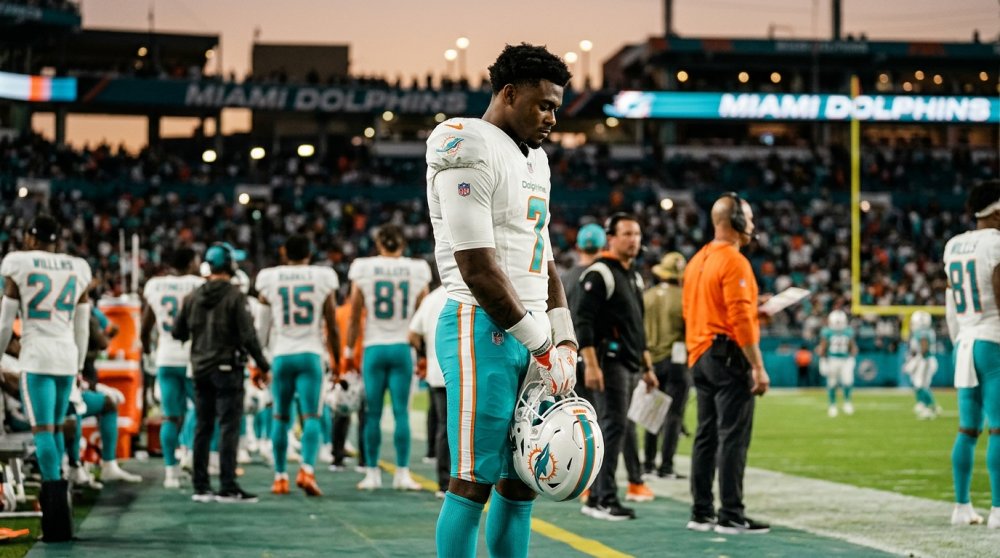
- Malik Willis, a former Liberty University standout, now plays quarterback for the Miami Dolphins.
- Willis has openly credited his Christian faith for helping him stay grounded in professional football.
- He reminds himself that Jesus endured far greater hardships than any NFL challenge.
Miami Dolphins quarterback Malik Willis is leaning on his Christian faith as he navigates the demands of the NFL.
The former Liberty University standout has spoken about the importance of staying rooted in Christ while facing professional pressure.
“Jesus has it way harder than I do.”
Willis has emphasized that remembering the suffering of Jesus helps him maintain perspective during difficult seasons.
“Jesus has it way harder than I do.”
His comments reflect a growing trend among Christian athletes who publicly tie their identity to faith rather than performance.
Let us know what you think, please share your thoughts in the comments below.
Faith Facts
- Since 1956, the Bell Trust has distributed approximately $40 million in grants to individual congregations for minister salaries, building maintenance, and mission vehicles.
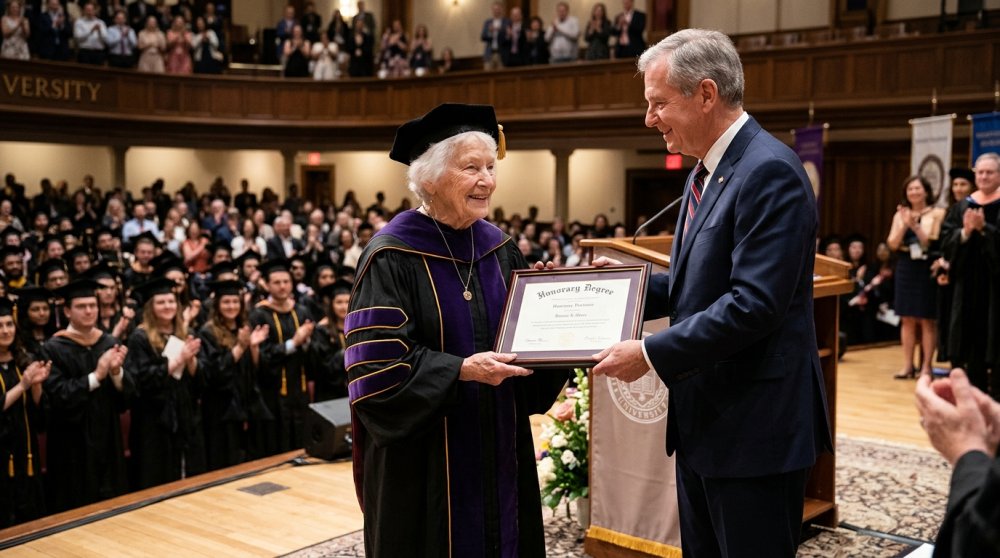
- Barbara Bell Packer, now 98, has served continuously as a trustee since the trust’s founding, representing one of the longest recorded tenures for any foundation board member.
- Family members spanning three generations continue to oversee the trust’s mission of advancing the gospel through Churches of Christ around the world.
The Bell family built one of Dallas’s largest grocery empires and then turned their resources toward eternal purposes. Robert and Katharine Bell established the Bell Trust in 1956 to support the advancement of religious, missionary, and charitable works within Churches of Christ.
Seventy years later, the Texas-based foundation has awarded roughly $40 million to congregations for needs ranging from minister and missionary salaries to church building maintenance and mission vehicles.
“Churches are always dreaming of how they can impact the kingdom,” said Clark Packer, great-grandson of the founders and the trust’s executive trustee since 2020.
“If we can play a small part in helping some of those dreams come to reality, that’s a powerful testimony to the heart of the Bells from the beginning.”
Legacy Church of Christ in North Richland Hills, Texas, has received support to send missionaries to Australia, Brazil, New Zealand, and Ukraine. Missions committee chairwoman Nancy Snelson praised the trust’s model that keeps missionaries accountable to their sending congregations rather than the foundation itself.
Tom Riley, senior minister at Canyon Church of Christ in Phoenix, received grants that helped plant a new congregation in Arizona in 2003. He described the trust as a “cruciform ministry” shaped by the cross of Christ, noting that the trustees seek to make Jesus memorable rather than themselves.
Robert Bell served more than three decades as an elder at Preston Road Church of Christ in Dallas before his death in 1982. The original board consisted of his daughters, sons-in-law, and minister Hulen L. Jackson, all of whom served faithfully for decades.
Barbara Bell Packer, approaching her 98th birthday, remains an active trustee. Her son Barry Packer called the family’s multi-generational commitment “very rarefied,” noting that no one he knows has served as a trustee for any organization for seventy years.
J. Terry Johnson, former president of Oklahoma Christian University and longtime friend of the family, observed that the fruit of the trust’s investment is incalculable, with congregations planted across the United States and abroad, souls saved, and human needs met in the name of Jesus.
The current nine-member board continues to meet quarterly in Dallas to review grant applications. While family members remain the predominant focus, the board also includes ministry and missions representatives to ensure wise stewardship of resources.
Collin Packer, director of strategic development for Let’s Talk Race Ministries, said it is an honor to carry on the legacy and pass down the same values that guided his great-grandparents when they first established the trust.
Let us know what you think, please share your thoughts in the comments below.
Faith Facts
- Scripture commands believers to care for one another in times of crisis (Galatians 6:2).
- Christian churches in America have historically stepped forward during national emergencies to provide shelter, food, and spiritual support.
- Prepared congregations can become reliable centers of hope when government resources are stretched thin.
Covid-19 exposed gaps in many church emergency plans. Leaders across the nation are now reviewing those lessons to ensure their congregations can serve faithfully when the next crisis arrives.
The United Kingdom’s recent guidance urging households to stock three days of supplies has renewed attention on local preparedness. American churches can draw wisdom from this approach and apply it within their own communities.
“Covid-19 caught many churches off-guard,”
Rev. Jules Middleton observed. She urged fellow leaders to learn from the pandemic so congregations can serve more effectively when future emergencies strike.
Practical steps include establishing a disaster response team, creating communication chains that function without electricity, and identifying members with medical or technical skills. Churches should also map vulnerable households and secure backup power for essential ministries.
Food, water, and hygiene supplies kept on-site allow churches to open their doors quickly. Partnerships with local first responders and county emergency offices help coordinate efforts and avoid duplication of services.
Training volunteers in basic first aid and trauma-informed care equips the body of Christ to minister both physically and spiritually. Regular drills keep plans fresh and reveal weaknesses before disaster hits.
Scripture reminds believers that wise planning honors God and protects neighbors. Churches that prepare now can become beacons of stability and compassion when the unexpected arrives.
Let us know what you think, please share your thoughts in the comments below.


-

 Self-Reliance2 years ago
Trump’s Bold Move Uncovers Massive Social Security Fraud
-

 Faith2 years ago
New Clues Emerge in Noah’s Ark Mystery
-

 News2 years ago
Governor Walz’s Rhetoric Sparks National Controversy
-

 News2 years ago
Mel Gibson’s ‘The Passion of the Christ’ Sequel Title Announced
-

 Family2 years ago
Texas Lawmaker Targets Furries in Schools
-

 Freedom2 years ago
Maine Lawmaker Challenges Sports Fairness Controversy
-

 Family1 year ago
Canada’s Controversial Policy Sparks Ethical Debate
-
Faith11 months ago
Congress Hears Pleas for Nigerian Christians