
News
Federal Agency Targets Major Trans Medical Group Over Child Treatment Claims

Faith Facts
- The Federal Trade Commission and four states filed a lawsuit against the World Professional Association for Transgender Health for alleged deceptive practices in treating children with gender dysphoria
- WPATH is accused of making false claims about the safety and effectiveness of medical interventions for gender-confused minors
- The legal action represents a significant federal intervention in the ongoing debate over experimental medical treatments for children questioning their gender identity
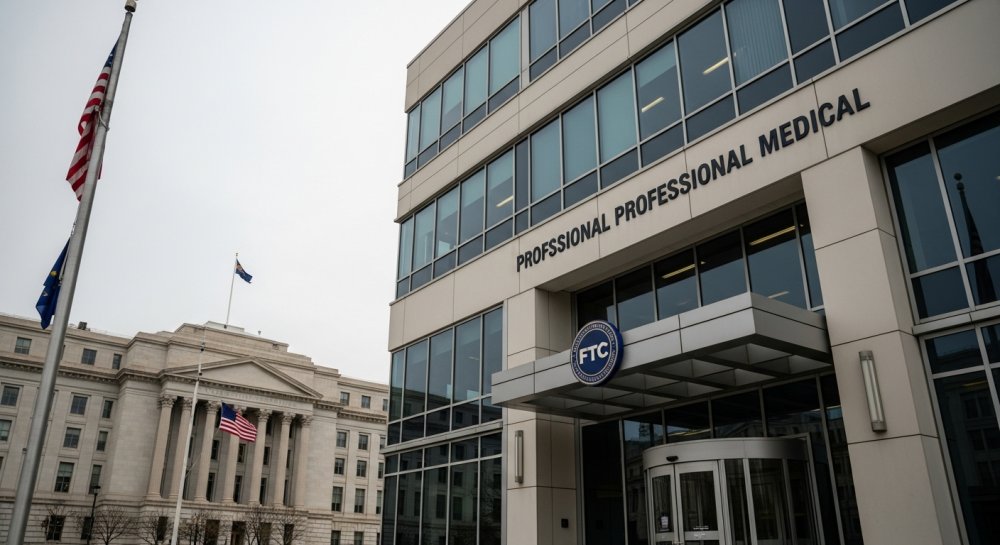
The Federal Trade Commission has taken unprecedented action against one of the world’s most influential transgender medical organizations. On Wednesday, the federal agency joined forces with four states to file a lawsuit against the World Professional Association for Transgender Health, alleging the group engaged in deceptive practices regarding treatments for children experiencing gender dysphoria.
The lawsuit marks a turning point in the national conversation about medical interventions for gender-confused youth. WPATH has long positioned itself as the leading authority on transgender healthcare standards, but this legal challenge raises serious questions about the organization’s credibility and the safety of its recommendations.
Federal regulators are specifically targeting claims WPATH has made about the safety and effectiveness of controversial medical treatments for children. These interventions, which can include puberty blockers, cross-sex hormones, and surgical procedures, have become increasingly scrutinized by medical professionals, parents, and lawmakers across the country.
The involvement of the FTC signals that concerns about these treatments have moved beyond state legislatures and into the realm of consumer protection law. The agency’s decision to pursue this case suggests federal officials believe WPATH may have misled parents, medical professionals, and the public about the risks and benefits of gender-related medical interventions for minors.
This lawsuit comes at a time when more families are speaking out about the rapid medicalization of gender-questioning children. Many parents have reported feeling pressured by medical professionals to affirm their children’s gender confusion immediately, without adequate consideration of underlying mental health issues or the long-term consequences of irreversible treatments.
The coalition of states joining the FTC in this legal action demonstrates growing bipartisan concern about protecting children from experimental medical procedures. States across the nation have been grappling with how to balance compassionate care for struggling youth with the fundamental responsibility to protect minors from potentially harmful and irreversible medical decisions.
WPATH’s guidelines have been used to justify medical interventions in thousands of cases involving minors. Critics have long argued that these standards lack sufficient scientific evidence and fail to adequately account for the developmental vulnerabilities of children and adolescents.
The lawsuit represents a significant challenge to the medical establishment’s approach to childhood gender dysphoria. For years, concerned parents, medical professionals, and faith leaders have questioned whether rushing children into life-altering medical treatments truly serves their best interests or whether a more cautious, holistic approach would better protect vulnerable youth.
As this case moves forward, it will likely shed light on the evidence—or lack thereof—supporting the aggressive medicalization of gender-confused children. The discovery process could reveal internal communications and research that has previously been kept from public scrutiny.
The outcome of this lawsuit could have far-reaching implications for how gender dysphoria is treated in minors across the United States. It may also embolden other states and federal agencies to take a closer look at organizations promoting medical interventions for children struggling with gender identity questions.
Let us know what you think, please share your thoughts in the comments below.

Faith Facts
- Six young Christian men were arrested in Egypt for posting a TikTok video authorities deemed offensive to Islam.
- Egyptian officials continue to enforce strict blasphemy laws that disproportionately affect religious minorities.
- Believers worldwide are called to stand firm in faith amid rising persecution.
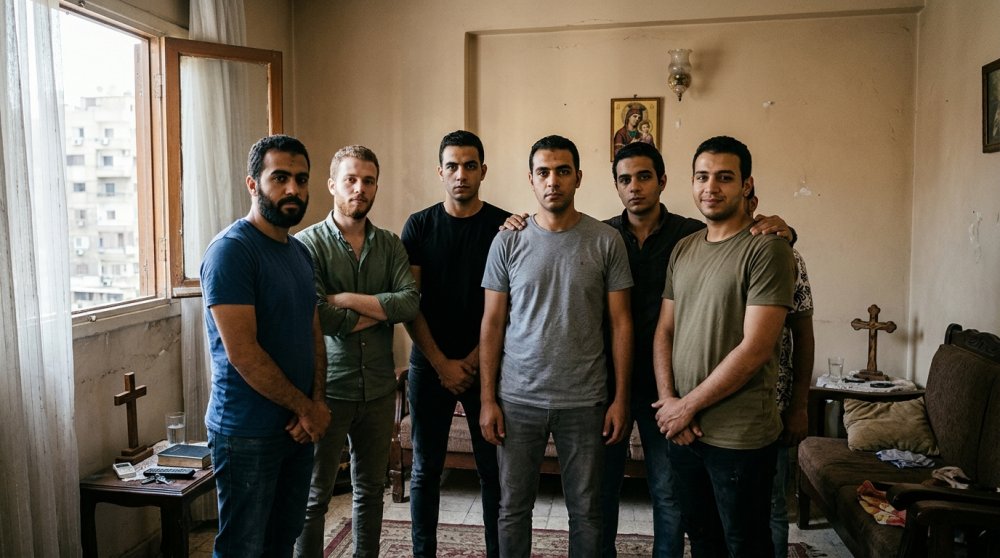
Six young Christian men in Egypt were taken into custody after posting a short video on TikTok. Authorities claimed the content insulted Islam.
The arrests highlight the ongoing pressure faced by Egypt’s Christian community. Christians make up roughly ten percent of the population and often encounter legal and social obstacles.
Local reports indicate the video was filmed privately and shared among friends before authorities intervened. No evidence of intent to incite violence has been presented.
“We are concerned that these young men are being targeted simply for their faith,”
“Such actions create an atmosphere of fear for believers who wish to express themselves online,”
Advocates for religious freedom note that blasphemy cases in Egypt frequently lack transparency and due process. Families of the detained men are seeking legal counsel and prayer support.
International Christian groups are urging the Egyptian government to uphold constitutional guarantees of religious liberty. They stress the importance of protecting minority rights in a nation striving for stability.
Let us know what you think, please share your thoughts in the comments below.

Faith Facts
- Isadora Borges, a veterinary medicine student, faces up to ten years in prison for two social media posts that prosecutors label as transphobia.
- Brazil’s federal prosecutors have filed a special appeal to reopen the case after earlier proceedings stalled.
- Christians worldwide are watching as governments increasingly criminalize biblical views on gender and sexuality.
Brazil’s federal prosecutors have lodged a special appeal seeking to reopen the prosecution of Christian student Isadora Borges.
The young woman, who studies veterinary medicine, is accused of committing “transphobia” through two posts on X.
She could face up to ten years behind bars if convicted under the revived case.
Prosecutors argue the posts violate new speech laws protecting gender identity.
Supporters say the prosecution represents a direct assault on free speech and religious liberty.
“I posted my convictions rooted in Scripture,” Borges said in a statement released by her legal team.
“I will not apologize for believing what the Bible teaches about men and women.”
Legal observers note that Brazil’s courts have grown increasingly aggressive in enforcing gender-identity statutes against Christians.
Many fear the precedent could chill open discussion of traditional beliefs on marriage and human sexuality.
Advocates for religious freedom are urging Brazilian Christians to stand firm and pray for courage in the face of mounting legal pressure.
Let us know what you think, please share your thoughts in the comments below.
Faith Facts
- Two members of the South Main Church of Christ in Weatherford, Texas, died while serving on a mission trip in Zambia.
- Jim Mynaugh founded Divine Water, a ministry that has brought clean drinking water to thousands across Africa in the name of Christ.
- Both men were remembered by fellow believers as faithful servants who lived out the Gospel through practical love and sacrifice.
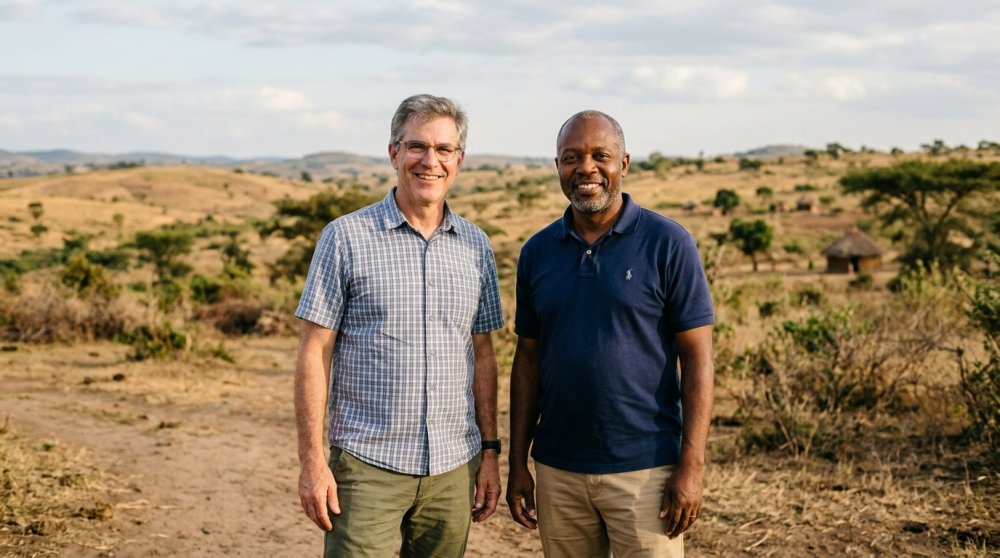
Two Texas men died in a head-on collision while carrying out Christian mission work in southern Africa. Richard Gill and Jim Mynaugh, both 67, were passengers in a Toyota Fortuner when it collided with a Hino Ranger on the Great North Road near Zimba, Zambia. Zambian police said the crash resulted from an improper overtaking maneuver.
The men were members of the South Main Church of Christ in Weatherford, west of Fort Worth. They were traveling to support water projects when tragedy struck on October 20.
“The accident occurred when the driver of the Hino Ranger attempted to overtake improperly while traveling uphill, resulting in a collision with the Toyota Fortuner,” police official Moono Namalongo stated.
Gill and Mynaugh died at the scene. The Toyota driver, Michael Namafente, and another passenger were injured along with the Hino’s driver and passengers. All were taken to a hospital in Livingstone.
Jim Mynaugh founded Divine Water, a Texas nonprofit that installs hand-pump wells in impoverished communities. The ministry partners with Churches of Christ organizations including Healing Hands International and Kibo Group to bring clean water and the message of Christ’s living water to people in need.
“Getting easy access to clean, safe drinking water simply changes lives,” Mynaugh wrote in a 2024 social media post showing villagers in Uganda celebrating a new well.
Mynaugh and Gill were brothers-in-law. Just days before the crash, Mynaugh had joined Kibo Group members at a conference in Rome to discuss sustainable development and sharing the Gospel through practical service.
“Less than a week ago, we were together in Rome, talking about our shared passion for walking alongside others and supporting sustainable, community-led development,” Kibo Group workers said. “Jim was a tireless advocate for ensuring that everyone has access to clean water and the opportunity to experience Christ’s living water.”
“Over the past 12-plus years, Jim helped bring clean water to thousands of people, leaving a lasting impact on countless lives and communities,” the statement continued. “Today, our hearts are with our friends at Divine Water and the Mynaugh and Gill families. We grieve alongside them and lift them up in prayer.”
In June, Mynaugh announced that the Rotary Club of Weatherford had funded two new wells in Zambia, with teams set to begin work in six villages the following month. Zambian Christian Obrain Masaka Muleya posted tributes online, urging prayer for the families and for continued ministry to the poor.
Let us know what you think, please share your thoughts in the comments below.


-

 Self-Reliance2 years ago
Trump’s Bold Move Uncovers Massive Social Security Fraud
-

 Faith2 years ago
New Clues Emerge in Noah’s Ark Mystery
-

 News2 years ago
Governor Walz’s Rhetoric Sparks National Controversy
-

 News2 years ago
Mel Gibson’s ‘The Passion of the Christ’ Sequel Title Announced
-

 Family2 years ago
Texas Lawmaker Targets Furries in Schools
-

 Freedom2 years ago
Maine Lawmaker Challenges Sports Fairness Controversy
-

 Family1 year ago
Canada’s Controversial Policy Sparks Ethical Debate
-
Faith11 months ago
Congress Hears Pleas for Nigerian Christians