
Faith
Faith Tested as BBC Faces Questions Over Religious Understanding


Faith Facts
- Roger Bolton warned that the BBC struggles to understand and report religious matters accurately.
- He said religion matters deeply to many British citizens, yet is often treated dismissively by journalists.
- Archbishop Stephen Cottrell said the corporation shows an appalling lack of religious understanding.
- Critics say public broadcasting increasingly reflects secular priorities over Christian concerns.
A former veteran editor has sounded the alarm regarding the BBC’s systemic failure to understand and accurately report on religious matters.
Roger Bolton, a long-time presenter for the corporation, recently lamented the media giant’s profound illiteracy concerning both the nature and practice of faith.
Bolton highlighted a troubling mismatch between the vital importance of religion to British citizens and the dismissive way it is often represented by journalists.
This gap highlights a growing divide between elite media circles and the values held by traditional families.
The Archbishop of York noted that this lack of literacy is not just found in religious programming but is pervasive throughout all news categories.
This failure often stems from a liberal middle-class background that lacks a true understanding of the Christian worldview.
“My concern is much more about the place of religion across the whole output of the BBC.”
As believers, we must remain vigilant against media bias that seeks to marginalize our faith and heritage.
We pray for a restoration of truth and respect for Biblical values within the halls of public broadcasting.


Faith Facts
- Seven children seized from a Christian orphanage in northern Nigeria over six years ago remain in government custody despite promises of return
- A recent meeting to finalize the children’s handover ended without their release from Kano State authorities
- The prolonged separation raises serious concerns about religious freedom and parental rights in the region
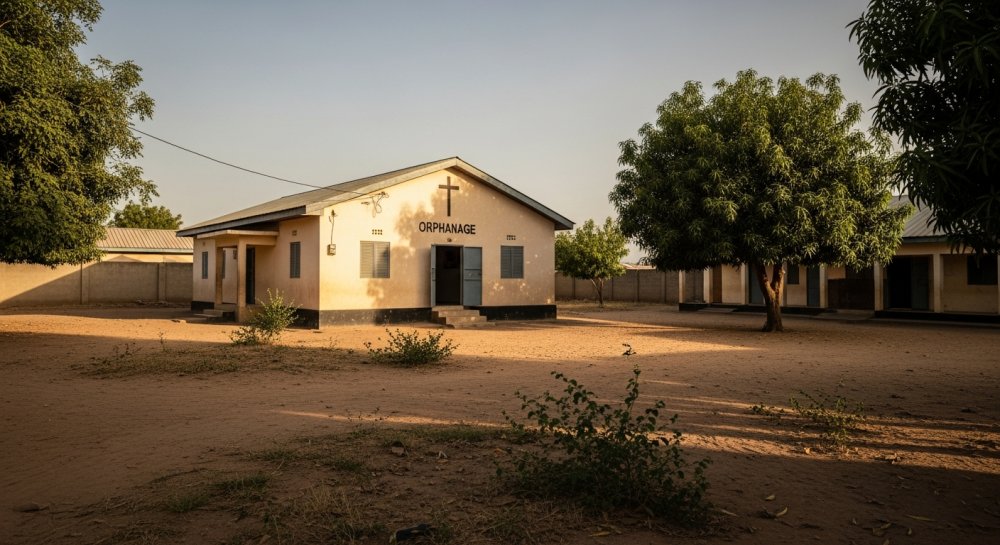
More than six years after authorities seized seven children from a Christian orphanage network in northern Nigeria, the children remain in government custody following a failed handover meeting. The situation continues to raise alarm among faith-based communities about religious liberty and the protection of vulnerable children.
Kano State officials convened a meeting intended to finalize the return of the children to their rightful guardians. However, the gathering concluded without any transfer taking place, leaving families and ministry leaders frustrated and searching for answers.
The original seizure occurred at a Christian orphanage that had been providing care for vulnerable children in northern Nigeria, a region where Christians often face persecution and discrimination. The prolonged detention of these children by state authorities has become a symbol of broader religious freedom concerns in the area.
Christian advocates have been working tirelessly for over six years to secure the children’s release and return to appropriate care. The failed handover represents another setback in what has become a lengthy battle through bureaucratic and legal channels.
The case highlights ongoing tensions between Christian ministries and government authorities in northern Nigeria, where Islamic law influences many aspects of public life. Faith-based orphanages and social services have faced increasing scrutiny and interference in recent years.
Families connected to the children and Christian organizations supporting their cause have expressed deep concern about the welfare of the children during their extended time in state custody. Questions remain about the conditions of their care and whether their spiritual needs are being met.
The situation underscores the vulnerability of Christian institutions operating in regions where they represent a religious minority. Advocates argue that the prolonged separation of these children from Christian care violates both religious freedom principles and the best interests of the children themselves.
As the standoff continues, supporters are calling for prayer and continued advocacy efforts to bring about the children’s safe return. The case serves as a reminder of the challenges faced by Christians serving the most vulnerable in difficult environments around the world.
Let us know what you think, please share your thoughts in the comments below.
Faith Facts
- Jesus commanded believers to love God first, then neighbor—an order that establishes true discipleship over superficial compassion
- Many modern churches are filled with attendees but lack genuine disciples prepared for the realities of faith outside the sanctuary walls
- When churches reverse or soften Christ’s priorities, the result is a diluted Christianity that feels compassionate but lacks transformative depth
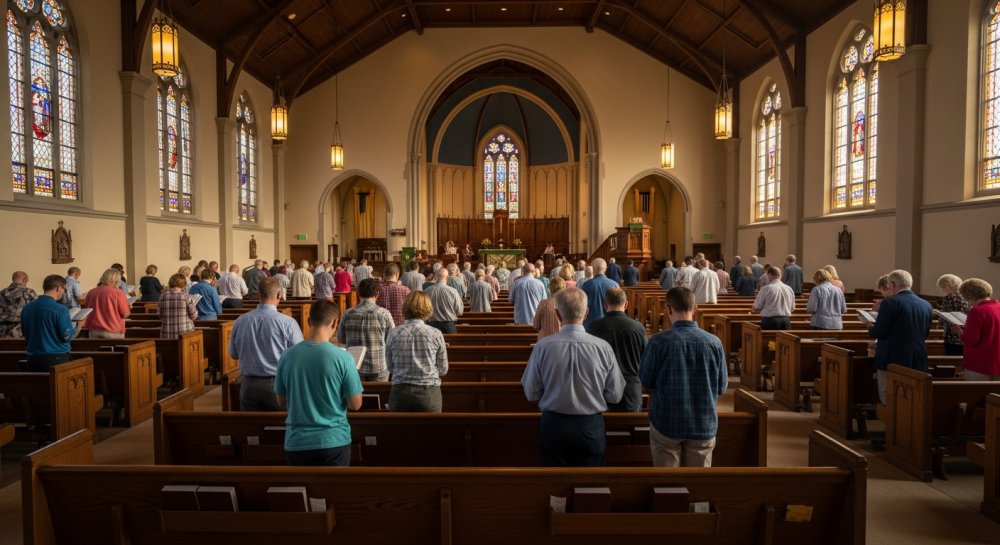
Across America, churches are experiencing a troubling trend that threatens the very foundation of Christian witness. Pews may be filled on Sunday mornings, but a critical shortage exists—not of believers, but of true disciples equipped to live out their faith in an increasingly hostile culture.
The distinction matters more than many church leaders want to admit.
Jesus established a clear priority in Scripture: love God first, then love your neighbor. This divine ordering isn’t arbitrary—it’s foundational to genuine discipleship. When churches soften this sequence or reverse it entirely, they produce a version of Christianity that may feel compassionate on the surface but lacks the transformative depth that changes lives and cultures.
Too many congregations have become comfortable spaces that fail to prepare believers for the spiritual warfare and cultural challenges they face the moment they leave the sanctuary. The church’s responsibility extends far beyond Sunday morning inspiration—it must equip God’s people with biblical truth, doctrinal clarity, and the courage to stand firm when the world demands compromise.
The current crisis reveals itself in multiple ways: believers who cannot articulate basic biblical principles, Christians who adopt secular values without recognizing the contradiction, and congregants who prioritize feelings over truth. These are symptoms of churches that have prioritized attendance over discipleship, comfort over conviction.
America’s spiritual renewal won’t come from fuller pews alone. It requires churches willing to embrace their biblical mandate to make disciples—followers of Christ who know what they believe, why they believe it, and how to live it out with courage and conviction in every area of life.
The cost of continuing down the current path is nothing less than another generation lost to a watered-down gospel that cannot save, transform, or sustain faith when tested. Churches must return to their first calling: making disciples who love God supremely and love their neighbors as the natural outflow of that primary devotion.
Let us know what you think, please share your thoughts in the comments below.
Faith Facts
- Southern Baptist Theological Seminary President Al Mohler warns that confusion over the biblical role of pastor threatens the denomination’s future
- The Baptist Faith and Message 2000 explicitly reserves the office of pastor for men according to Scripture
- The controversy centers on whether women can hold pastoral titles in Southern Baptist churches
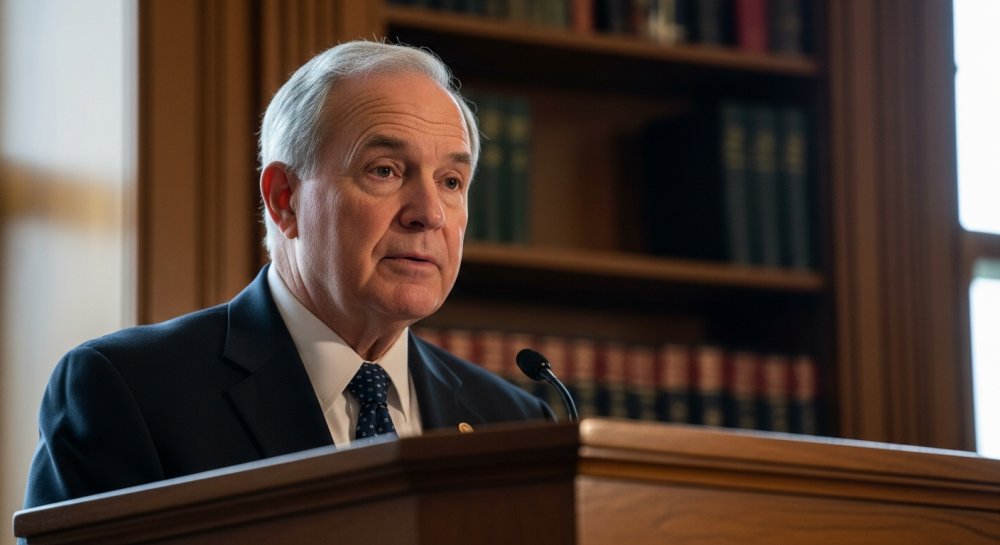
Southern Baptist Theological Seminary President Al Mohler is sounding the alarm about what he sees as a critical threat to the future of the Southern Baptist Convention. The issue at hand: growing confusion over who can biblically serve as a pastor.
The Baptist Faith and Message 2000, the denomination’s statement of faith, clearly defines the pastoral office as reserved for men. Yet this foundational conviction is now being challenged within SBC churches, creating what Mohler describes as a dangerous ambiguity that must be resolved.
The debate strikes at the heart of biblical authority and the proper ordering of church leadership. For decades, Southern Baptists have maintained a complementarian view of gender roles, believing that Scripture establishes distinct but equally valuable roles for men and women in the home and church.
This understanding flows from passages throughout the New Testament that outline qualifications and responsibilities for church leaders. The question now facing the denomination is whether churches can remain in fellowship while operating under fundamentally different interpretations of these biblical texts.
Mohler’s warning comes at a time when many evangelical denominations face pressure to conform to contemporary cultural views on gender and leadership. The Southern Baptist Convention has historically stood firm on traditional biblical teaching, but internal disagreement on this issue could fragment the nation’s largest Protestant denomination.
The stakes extend beyond organizational unity. At issue is whether the SBC will continue to submit to Scripture as its final authority or accommodate modern cultural pressures. For conservative Christians, the pastor’s role is not a matter of tradition or preference but of obedience to God’s revealed Word.
The resolution of this controversy will likely determine the character and direction of the Southern Baptist Convention for generations to come. Churches, pastors, and denominational leaders must decide whether they will uphold the biblical standards that have defined their fellowship or chart a different course.
Let us know what you think, please share your thoughts in the comments below.


-

 Self-Reliance1 year ago
Trump’s Bold Move Uncovers Massive Social Security Fraud
-

 Faith1 year ago
New Clues Emerge in Noah’s Ark Mystery
-

 News1 year ago
Governor Walz’s Rhetoric Sparks National Controversy
-

 News1 year ago
Mel Gibson’s ‘The Passion of the Christ’ Sequel Title Announced
-

 Family1 year ago
Texas Lawmaker Targets Furries in Schools
-

 Freedom1 year ago
Maine Lawmaker Challenges Sports Fairness Controversy
-

 Family11 months ago
Canada’s Controversial Policy Sparks Ethical Debate
-
Faith5 months ago
Congress Hears Pleas for Nigerian Christians