
Faith
Faith and Discernment In a Digital World

Faith Facts
- Discernment begins with knowing God’s character, not just seeking answers.
- Artificial intelligence reflects the spiritual climate of our culture, not an inherent deficiency in technology itself.
- Faith formation requires consistent presence and intention rooted in biblical truth.
In today’s fast-paced digital era, countless voices offer quick answers, yet finding true spiritual clarity is more challenging than ever. Genuine discernment calls believers to anchor their trust in God’s unchanging nature rather than fleeting technological solutions.
“God told me to divorce my wife so I could pursue a relationship with a woman I’ve been seeing on the side.”
This troubling claim highlights the danger of confusing personal conviction with divine guidance, reminding us that God’s voice aligns with Scripture and never contradicts His character.
Technology, while increasingly woven into our lives, often lacks the spiritual formation required for authentic faith.
Researchers recently assessed artificial intelligence systems and found that faith and spirituality were consistently weak areas.
These findings exposed not a technical failure, but a reflection of how our culture undervalues faith.
“Faith is not a function of intelligence or information, but a relational response to God’s self-revelation.”
Long-term studies show a notable decline in perceived importance of faith among Americans, with fewer identifying as practicing Christians and a weakened sense of responsibility to share the gospel.
These shifts explain the challenges AI faces in meaningfully expressing Christian principles.
Youth and young adults are beginning to show curiosity about spiritual matters, yet this trend requires intentional encouragement and direction rooted in biblical wisdom.
Concerns have arisen about AI-powered toys and technologies forming relationships with children in ways that once belonged to family and faith communities.
True spiritual formation comes from the consistent presence of godly influences, not unfiltered digital interaction.
“Faith formation does not require intention. It requires presence.”
Biblical wisdom begins with reverence for the Lord, shaping lives that reflect His truth even in a culture of rapid change.
Trusting God means celebrating His faithfulness and letting His Word guide every decision, even amid digital noise.
Now is the time for Christians to model intentional faith formation, uphold family values, and defend spiritual freedom.
We must ensure our children are shaped by God’s truth above all else.


Faith Facts
- President Donald Trump affirmed America will always remain ‘one nation under God’ at the Road to Majority Conference
- Trump warned that ‘Godless communists’ threaten the nation’s future and traditional values
- The president emphasized his administration’s commitment to protecting religious freedom for all Americans
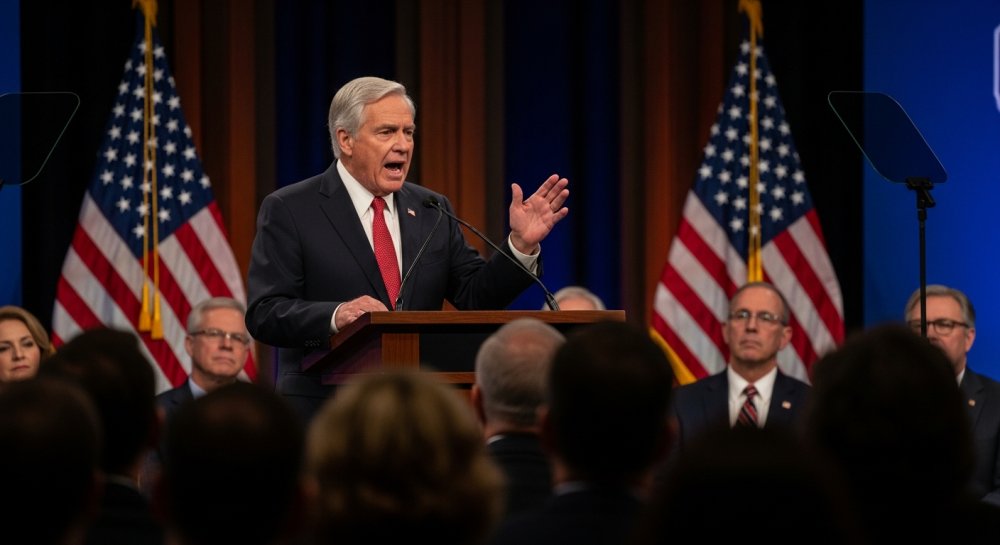
President Donald Trump delivered a powerful address to conservative Christians, reaffirming his commitment to preserving America’s spiritual foundation. Speaking at the Road to Majority Conference, the president made clear that faith remains central to the nation’s identity and future.
The president’s remarks centered on the enduring relationship between America and its Judeo-Christian heritage. He emphasized that regardless of political pressures or cultural shifts, the United States would maintain its founding commitment to God.
“We will always remain one nation under God,” Trump declared to the assembled faith leaders and conservative activists.
Trump did not shy away from addressing what he sees as serious threats to religious liberty and traditional American values. He specifically called out what he termed “Godless communists” as forces working against the nation’s spiritual and political foundations.
The president’s warning resonated with the audience of Christian conservatives who have long expressed concern about secularization in government, education, and public life. Many attendees view the current cultural moment as a critical juncture for religious freedom in America.
Throughout his address, Trump highlighted his administration’s efforts to protect and expand religious liberty. These initiatives have included actions to safeguard the rights of faith-based organizations, protect religious expression in the public square, and defend conscience rights for believers.
The Road to Majority Conference has become a significant gathering for Christian conservatives and Republican leaders. The event provides a platform for addressing policy priorities that align with traditional family values and biblical principles.
Trump’s message reflected a broader concern among many Christians that secular ideologies are gaining ground in American institutions. From schools to corporate boardrooms, believers increasingly face pressure to compromise their convictions or remain silent about their faith.
The president’s use of strong language—calling out “Godless communists”—represents his willingness to identify ideological opponents of religious freedom by name. This direct approach has endeared him to many evangelical and Catholic voters who appreciate leaders willing to defend faith publicly.
Religious freedom advocates have noted that protections for conscience and worship are not merely political issues but fundamental human rights. The ability to live according to one’s deeply held beliefs without government interference remains a cornerstone of American liberty.
Trump’s commitment to these principles has strengthened his support among faith communities. Many Christian voters view him as a defender of their rights in an increasingly hostile cultural environment.
The president’s remarks at the conference underscored the vital role that people of faith play in shaping America’s future. He called on believers to remain engaged, vocal, and active in preserving the nation’s spiritual heritage.
Let us know what you think, please share your thoughts in the comments below.

Faith Facts
- A Christian man remains hospitalized after being attacked following evangelistic outreach in eastern Uganda on June 14
- The believer and his wife had participated in sharing the Gospel before the violent assault occurred
- The attack highlights the growing dangers Christians face for evangelism in certain regions of Uganda
A Christian evangelist in eastern Uganda continues to receive medical treatment after suffering a violent attack for sharing his faith. The believer was targeted following an evangelistic outreach event on June 14, where he and his wife had been ministering to their community.
The incident underscores the increasing persecution Christians face in parts of Uganda simply for proclaiming the Gospel. While Uganda has historically been considered more tolerant of Christianity compared to other East African nations, certain regions have seen rising hostility toward open evangelism and Christian witness.
The injured believer remains under medical care as he recovers from injuries sustained in the attack. His wife was not physically harmed during the incident, according to sources familiar with the situation.
This attack serves as a sobering reminder of the sacrifice many Christians worldwide make to share the Good News of Jesus Christ. In an era where religious freedom is increasingly threatened globally, believers in America must remember to pray for their persecuted brothers and sisters who risk their lives to advance God’s kingdom.
The courage displayed by this couple—continuing to evangelize despite known risks—exemplifies the commitment to the Great Commission that Christ called all believers to uphold. Their willingness to face danger for the sake of the Gospel stands as both an inspiration and a call to action for Christians living in nations where religious liberty remains protected.
Let us know what you think, please share your thoughts in the comments below.
Faith Facts
- Housing and Urban Development Secretary Scott Turner accuses the Biden administration of deliberately sidelining Christian organizations from federal programs.
- The Trump administration is pledging to restore partnerships with faith-based groups to address homelessness, addiction, and social challenges across America.
- Turner’s comments signal a major shift in how the federal government will work with religious organizations under President Trump’s leadership.
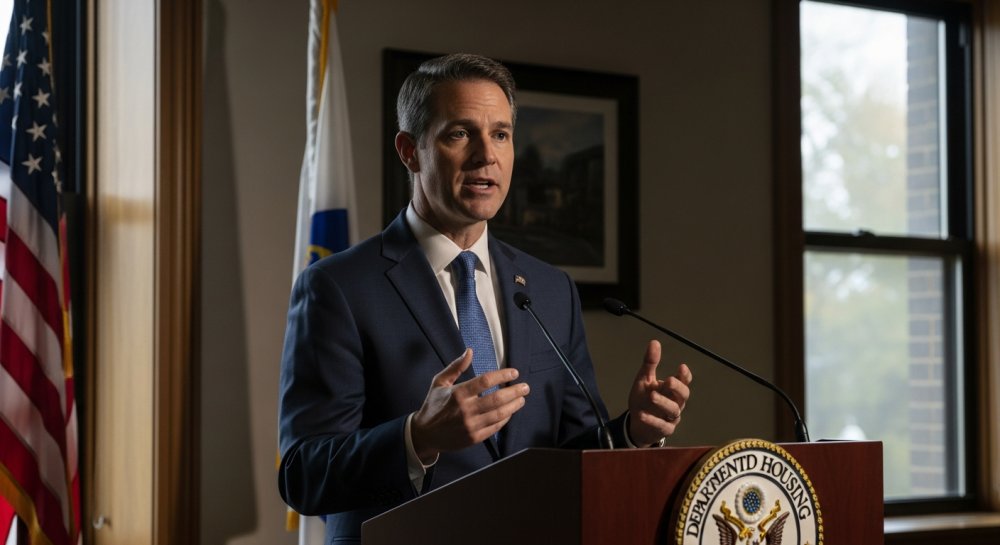
Housing and Urban Development Secretary Scott Turner is making waves with a bold accusation against the previous administration. According to Turner, the Biden administration actively pushed Christian organizations to the sidelines, excluding them from crucial work on some of America’s most pressing social issues.
The allegation comes as the Trump administration charts a dramatically different course. Turner has pledged that under President Trump’s leadership, the Department of Housing and Urban Development will actively partner with faith-based groups to tackle homelessness, addiction, and other challenges facing American communities.
This represents a fundamental shift in federal policy toward religious organizations. For four years under President Biden, many faith leaders complained that their groups faced new barriers to accessing federal programs and partnerships that had previously been open to them.
Turner’s commitment signals that the Trump administration views churches and Christian organizations not as problems to be managed, but as solutions to be embraced. This approach recognizes what conservatives have long understood: faith-based groups are often the most effective at reaching people struggling with homelessness, addiction, and poverty.
The secretary’s announcement aligns with President Trump’s broader agenda of protecting religious freedom and ensuring that people of faith have a seat at the table in addressing America’s social challenges. Rather than treating religion as something to be kept out of public life, this administration is acknowledging the vital role that Christian organizations play in serving vulnerable populations.
For millions of Americans who have watched faith-based initiatives face increasing hostility from government bureaucrats, Turner’s pledge represents a welcome return to common sense. Churches, ministries, and Christian nonprofits have centuries of experience in caring for the poor, feeding the hungry, and helping people overcome addiction—expertise that should be utilized, not sidelined.
This policy shift could have far-reaching implications for how America addresses homelessness and addiction. Rather than relying solely on government programs that often fail to address the spiritual dimensions of these crises, HUD will now work alongside organizations that understand that lasting change requires transformation of the heart as well as material assistance.
Let us know what you think, please share your thoughts in the comments below.


-

 Self-Reliance1 year ago
Trump’s Bold Move Uncovers Massive Social Security Fraud
-

 Faith1 year ago
New Clues Emerge in Noah’s Ark Mystery
-

 News1 year ago
Governor Walz’s Rhetoric Sparks National Controversy
-

 News1 year ago
Mel Gibson’s ‘The Passion of the Christ’ Sequel Title Announced
-

 Family1 year ago
Texas Lawmaker Targets Furries in Schools
-

 Freedom1 year ago
Maine Lawmaker Challenges Sports Fairness Controversy
-

 Family1 year ago
Canada’s Controversial Policy Sparks Ethical Debate
-
Faith7 months ago
Congress Hears Pleas for Nigerian Christians