
Faith
Egyptian Convert Faces Imprisonment and Torture for Leaving Islam

Faith Facts
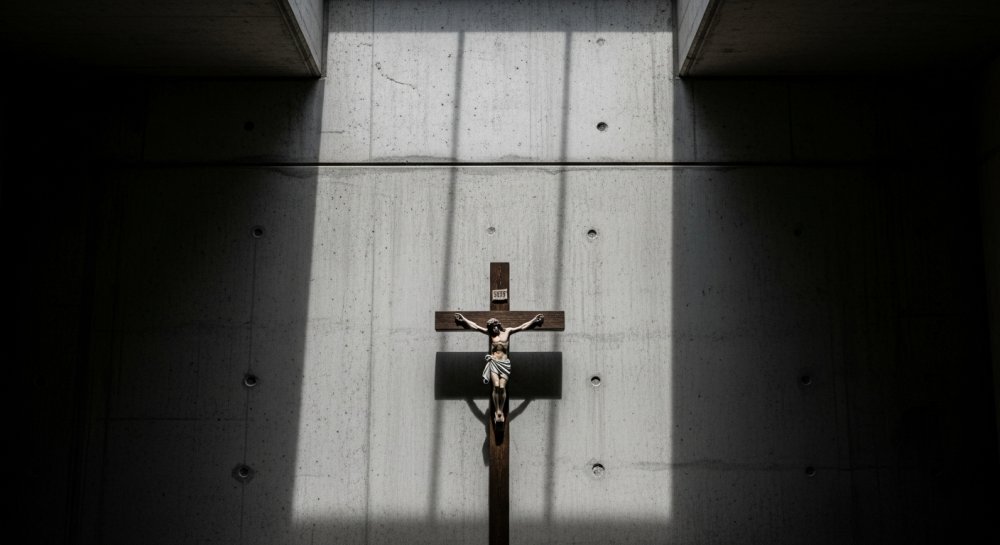
- An Egyptian Christian man was imprisoned and tortured in a crucifixion position after converting from Islam to Christianity
- The convert is facing criminal charges for attempting to change his religious designation on official identity documents
- His trial opened last week in Cairo, highlighting ongoing religious persecution of Christians in Egypt
A Christian man in Egypt is facing severe persecution, including imprisonment and torture, simply for embracing faith in Jesus Christ. The believer, who converted from Islam, endured harrowing treatment at the hands of authorities after attempting to legally change his religious designation on his identity papers.
According to reports, the man was hung in a crucifixion position while detained, a brutal reminder of the price many believers pay for following Christ in Muslim-majority nations. His trial commenced last week in Cairo on charges related to his conversion and his efforts to update his official documents to reflect his Christian faith.
The case underscores the dangerous reality facing converts from Islam in Egypt and throughout much of the Middle East. While Egypt’s constitution theoretically protects freedom of belief, converting from Islam to another religion remains socially taboo and legally problematic. Christians who leave Islam face not only government prosecution but also threats from family members and communities who view apostasy as a grave offense.
In Islamic law, apostasy—leaving the Muslim faith—is considered a serious crime, and in some interpretations, punishable by death. Though Egypt does not officially execute apostates, converts face systematic discrimination, legal obstacles, and violence. The Egyptian government maintains strict control over religious identity documentation, making it nearly impossible for Muslims to officially convert to Christianity or any other faith.
This case illustrates the ongoing persecution of Christians in the region, where believers often worship in secret and risk their lives to follow Jesus. For American Christians who enjoy constitutional protections for religious liberty, the plight of persecuted believers abroad serves as both a sobering reminder of our blessings and a call to prayer and advocacy.
The treatment of this Egyptian convert—being hung in a position reminiscent of Christ’s crucifixion—carries profound symbolism for the global Church. Throughout history and continuing today, countless believers have suffered torture and death for their faith, following in the footsteps of the early apostles and martyrs.
As this man’s trial proceeds, Christians worldwide should remember him in prayer and advocate for religious freedom in Egypt and throughout the Muslim world. The persecution of converts represents not only a violation of human rights but an assault on the fundamental freedom to worship God according to one’s conscience.
The case also highlights the importance of American leadership in defending international religious freedom. Our nation has historically championed the right of all people to practice their faith without fear of government persecution, and we must continue to hold nations like Egypt accountable for protecting religious minorities and respecting the rights of converts.
Let us know what you think, please share your thoughts in the comments below.

Faith Facts
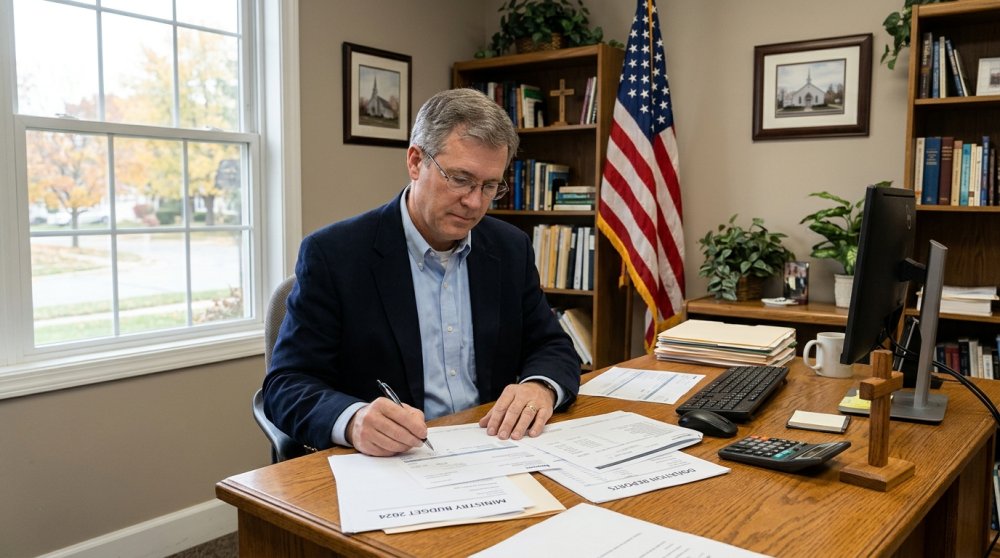
- Bank of America closed a Christian ministry’s account in 2020 citing internal policies against certain business types.
- Multiple ministries and faith-based organizations have reported similar account closures from major financial institutions.
- Faith-based groups are increasingly facing challenges accessing traditional banking services across the United States.
In 2020, Bank of America informed a Christian ministry that its account was being closed because the institution had chosen not to service certain types of businesses. The ministry initially believed this decision was isolated to their organization alone.
Further investigation revealed that other faith-based groups had encountered the same treatment from the same financial institution. The pattern suggests a broader policy affecting religious organizations seeking banking services.
“I thought we were the only ones. We weren’t.”
This experience highlights growing concerns among Christian ministries about access to essential financial services. Many traditional banks appear to be reevaluating their relationships with faith-based organizations.
The closure of accounts for religious ministries raises questions about religious liberty and equal access to financial services. Christian organizations across the country are exploring alternative banking options that align with their values and mission.
Let us know what you think, please share your thoughts in the comments below.
Faith Facts
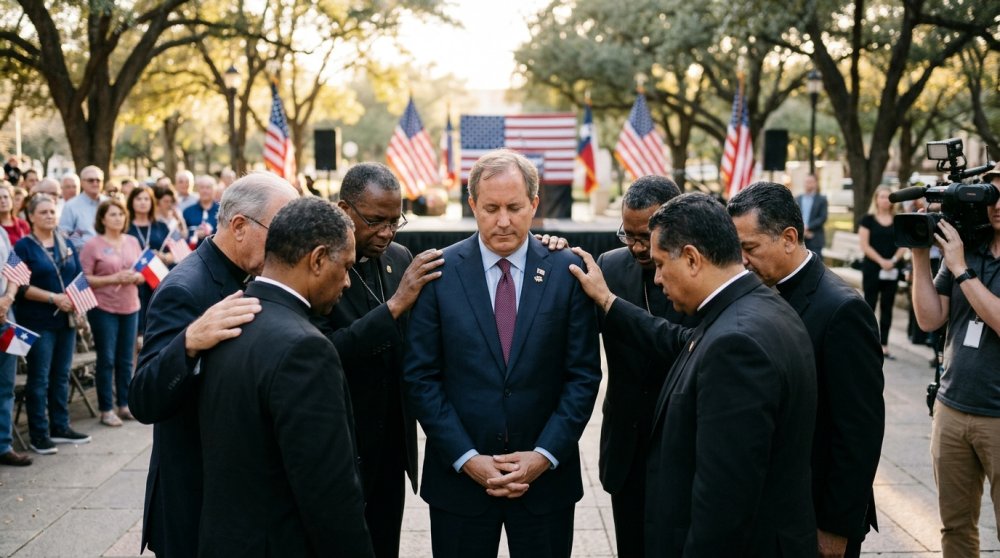
- A group of pastors gathered to pray over Texas Attorney General Ken Paxton at a campaign rally, calling on God for supernatural favor in the final weeks before the Senate election.
- The clergy specifically invoked Romans 13, urging divine support for Paxton as he seeks to represent Texas in the United States Senate.
- The public prayer event reflects a growing trend of faith leaders openly supporting conservative candidates who align with traditional Christian values.
A group of Texas pastors publicly prayed over Republican Attorney General Ken Paxton at a campaign rally this week, asking God to grant him favor with voters in the final stretch of his Senate bid.
The clergy cited Romans 13 during the prayer, reminding supporters that governing authorities are called to serve as ministers of God for justice and order.
Pastors for Paxton gathered to pray over @KenPaxtonTX at his rally today in Conroe. Pastors @Steve_Riggle and @BuntrockJames led us in asking God to grant him wisdom, strength, and protection as he serves Texas. ???? https://t.co/8GQVrU5zxO
— Pastors For Paxton (@pastors4paxton) October 20, 2026
“Give him favor with voters.”
Paxton, who has long positioned himself as a defender of biblical values on issues like life, marriage, and religious liberty, welcomed the spiritual covering from the pastors in attendance.
The event underscores the deep connection many conservative voters in Texas feel between their faith and their political choices.
Let us know what you think, please share your thoughts in the comments below.
Faith Facts
- Frank Turek wakes each morning and ends each evening thinking of Charlie Kirk.
- One year after witnessing the assassination of the conservative activist, Turek continues his commitment to share the Gospel on college campuses.
- The loss of Charlie Kirk has strengthened Turek’s resolve to defend biblical truth among young people.
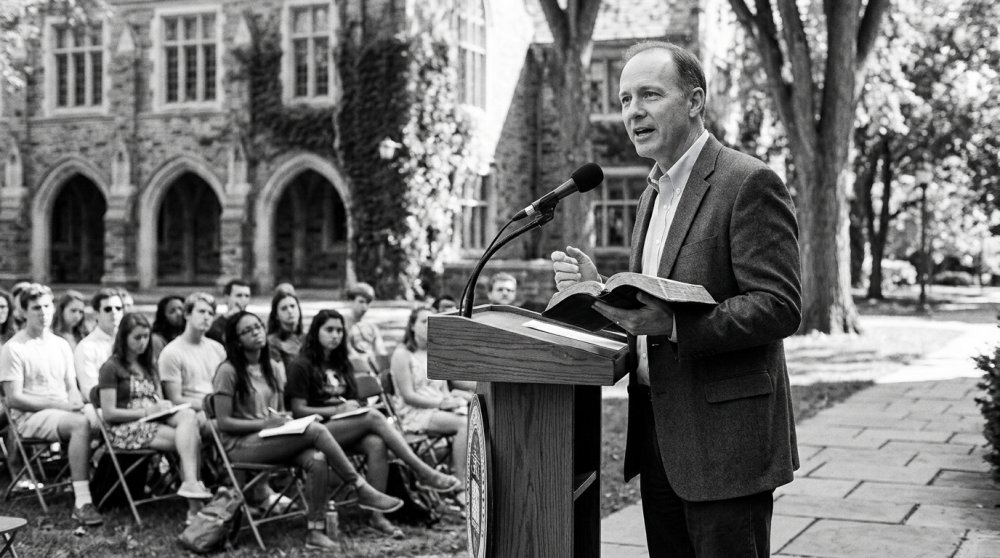
Christian apologist Frank Turek has carried the memory of Charlie Kirk with him every single day since witnessing the conservative activist’s assassination at Utah Valley University. The grief remains real, yet so does his steadfast determination to keep proclaiming the Gospel.
Each morning when he wakes and each night before he sleeps, Turek’s first and last thoughts return to Kirk. The loss of a friend and fellow defender of truth has left a deep mark, but it has not silenced his mission.
“The first person I think of when I wake up is Charlie.”
Turek’s ongoing work on college campuses reflects a commitment to the same values Kirk championed. He continues reaching students with biblical truth, refusing to let tragedy silence the message of Christ.
Let us know what you think, please share your thoughts in the comments below.


-

 Self-Reliance2 years ago
Trump’s Bold Move Uncovers Massive Social Security Fraud
-

 Faith2 years ago
New Clues Emerge in Noah’s Ark Mystery
-

 News2 years ago
Governor Walz’s Rhetoric Sparks National Controversy
-

 News2 years ago
Mel Gibson’s ‘The Passion of the Christ’ Sequel Title Announced
-

 Family2 years ago
Texas Lawmaker Targets Furries in Schools
-

 Freedom2 years ago
Maine Lawmaker Challenges Sports Fairness Controversy
-

 Family1 year ago
Canada’s Controversial Policy Sparks Ethical Debate
-
Faith11 months ago
Congress Hears Pleas for Nigerian Christians