
Self-Reliance
Discover the Timeless Wisdom Behind the Seven-Day Week


In a world where time is often dictated by nature, the concept of a week stands as a testament to divine wisdom. Unlike a day, month, or year, which are defined by celestial movements, the seven-day week has no natural explanation. Its origin is deeply rooted in the Bible, where God commands, “Six days you shall work, and on the seventh you shall rest.”
This biblical principle is not just a religious edict but a profound insight into human life and productivity. The Soviet Union’s failed attempt in the 1930s to abolish the seven-day week in favor of a four or five-day week, aimed at eradicating religious influence, only underscores the enduring truth found in Scripture.
The Bible’s guidance on work and rest is clear and universal. It elevates work from mere necessity to a value, emphasizing that “you shall work.” This perspective transforms work into a meaningful endeavor, whether it’s paid employment, volunteering, or the noble task of child-rearing. The key is that the activity is demanding, consistent, and productive.
The story of Joseph in the Bible exemplifies this principle. Despite his circumstances as a slave and prisoner, Joseph is twice called a “success,” always attributing his achievements to God’s presence. His life illustrates that success is not merely about outcomes but about the divine purpose and fulfillment in our work.
The seventh day, known as Shabbat in Jewish tradition, is more than a break from labor. It is a sacred time to reflect, reconnect, and experience “a taste of Heaven on Earth.” This divine rhythm of work and rest is a cornerstone of a balanced and fulfilling life.
For much of the 20th century, work was often seen as a burdensome necessity, a sentiment echoed in popular culture through songs lamenting the drudgery of daily labor. However, as society shifted around the year 2000, busyness became a status symbol, leading to the “crazy busy” phenomenon. Yet, neither extreme—endless leisure nor relentless work—leads to true happiness.
Modern studies consistently show that happiness at work is crucial to overall life satisfaction. This is because we spend a significant portion of our lives working, and finding meaning in our work is essential. The concept of “job crafting,” where individuals find purpose in their roles, aligns with the biblical view of work as a valuable pursuit. Those who see their work as part of a greater mission, like hospital custodians involved in “healing patients,” find greater fulfillment.
Yet, there is a limit to productivity, known as the “productivity ceiling.” Historical research, such as the British Ministry of Munitions’ findings during World War I, revealed that working without a Sabbath reduces overall output. Modern analysis confirms that productivity peaks at 49 hours per week, with no increase beyond 55 hours.
Remarkably, this aligns with the biblical model of work and rest. A Sabbath observer can work a productive 55-hour week, balancing six days of meaningful labor with a day of sacred rest. This divine design offers a blueprint for a life that honors both work and rest, embodying the values of faith, family, and freedom that are central to our worldview.
In embracing this timeless wisdom, we affirm the importance of biblical principles in shaping a society that values individual responsibility, traditional values, and the freedom to live a life of purpose and faith.
Let us know what you think, please share your thoughts in the comments below.


Faith Facts
- The Bible teaches that believers are called to be good stewards of the resources God has entrusted to them.
- Scripture consistently warns against the love of money and the pursuit of wealth through dishonest gain.
- Christian teaching emphasizes that true prosperity comes through honest work and wise investment, not through games of chance.
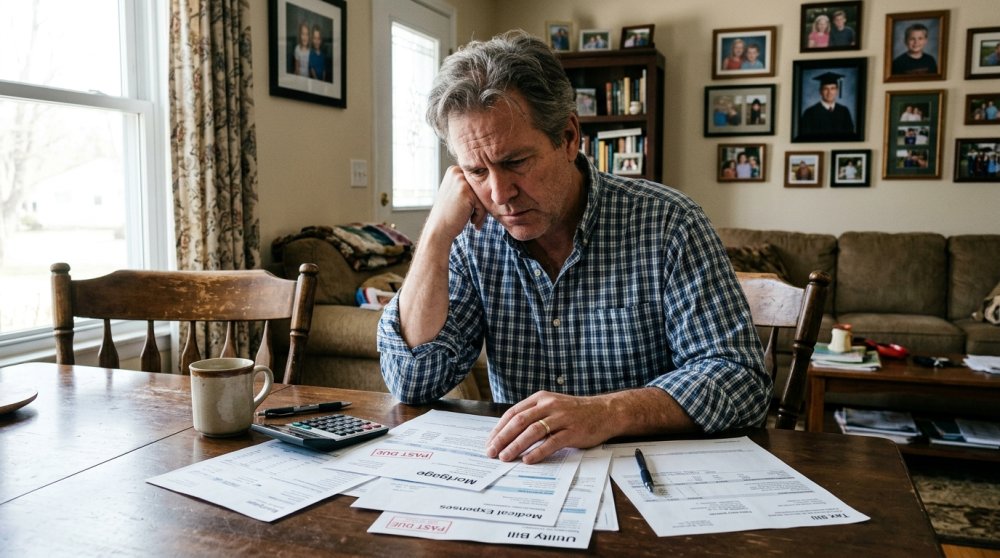
Investing creates a win/win for all involved, but the opposite is true in gambling. For me to win, others must lose.
“A faithful man will be richly blessed, but one eager to get rich will not go unpunished.”
The contrast between investing and gambling reveals a fundamental difference in purpose and outcome. When individuals invest in productive enterprises, they contribute to economic growth that benefits workers, communities, and families across the nation.
Gambling, however, operates on a zero-sum principle where one person’s gain necessarily comes at another’s expense. This stands in direct opposition to the biblical call to love our neighbors as ourselves.
“The plans of the diligent lead surely to abundance, but everyone who is hasty comes only to poverty.”
Christian families across America have witnessed how gambling addiction destroys marriages, devastates household finances, and leaves children without the stable homes they need. The ripple effects extend far beyond the individual gambler to entire communities that bear the social costs.
Traditional American values have long emphasized hard work, thrift, and prudent financial management as pathways to prosperity. These principles align with Scripture’s wisdom about building wealth through honest means rather than seeking shortcuts through games of chance.
Let us know what you think, please share your thoughts in the comments below.
Faith Facts
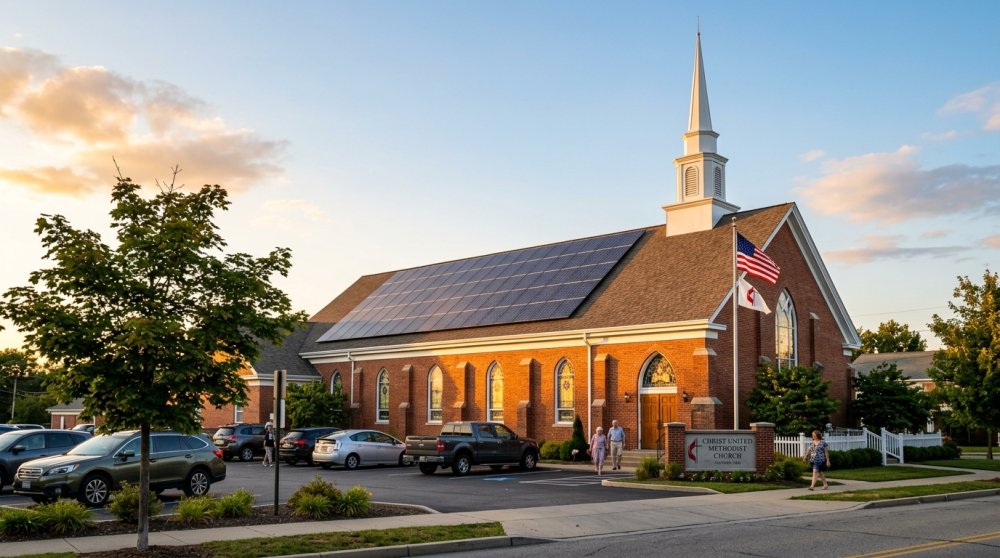
- The United Methodist Church has launched a pilot program to install solar panels on church buildings across the United States.
- The initiative includes training for congregations to advance sustainability efforts alongside energy infrastructure upgrades.
- The program represents the denomination’s environmental stewardship focus as it navigates significant membership changes.
The United Methodist Church is rolling out a new program designed to equip congregations with solar panel installations and sustainability training. The initiative aims to provide churches with renewable energy infrastructure while educating members on environmental stewardship practices.
The pilot program will offer participating congregations the opportunity to install solar energy systems on their church buildings. Along with the physical installations, the denomination will provide training resources to help local churches implement broader sustainability efforts within their ministries and facilities.
This environmental initiative comes as the United Methodist Church continues to face significant changes in its membership and organizational structure. The denomination has experienced substantial departures in recent years, with thousands of congregations disaffiliating over theological disagreements, particularly regarding human sexuality and biblical authority.
For many traditional Christians, the focus on environmental programs raises questions about denominational priorities during a time of theological crisis. While stewardship of creation is a biblical principle, some conservative believers emphasize that the primary mission of the church should remain proclaiming the Gospel and making disciples, as commanded in Scripture.
The solar panel program reflects broader trends within mainline Protestant denominations to engage with contemporary social and environmental issues. Supporters argue that caring for God’s creation aligns with biblical stewardship principles. Critics within the conservative Christian community often contend that such initiatives can distract from core doctrinal matters and evangelistic mission.
Churches participating in the pilot program will receive both the solar infrastructure and educational materials designed to help congregations reduce their environmental footprint. The denomination has not disclosed specific details about funding sources, the number of churches that will participate, or the total cost of the initiative.
For congregations considering participation, the program offers potential long-term cost savings on utility expenses, which could free up resources for ministry activities. However, churches will need to carefully evaluate whether such investments align with their facility needs and ministry priorities, particularly in a time when many denominational churches face declining attendance and financial pressures.
The United Methodist Church’s environmental emphasis is consistent with positions adopted by many mainline Protestant bodies, which have increasingly incorporated climate and sustainability concerns into their institutional priorities. This approach often differs from evangelical and conservative Christian perspectives that prioritize direct evangelism and biblical teaching as the church’s central calling.
Let us know what you think, please share your thoughts in the comments below.

Faith Facts
- Christian financial expert Chuck Bentley reveals families are using Buy Now, Pay Later services and even gambling to afford basic school supplies
- Bentley warns that predictable expenses like back-to-school shopping are being treated as financial emergencies due to poor planning
- The rise of BNPL services is creating a debt trap for American families, turning routine purchases into long-term financial burdens
A troubling trend is emerging in American households as families struggle with what should be one of the most predictable expenses of the year: back-to-school shopping. Christian financial expert Chuck Bentley is sounding the alarm about parents turning to dangerous financial solutions for routine purchases.
“Some parents at my kids’ school resorted to Buy Now, Pay Later — and even gambling — just to cover school supplies,” Bentley reveals, highlighting a crisis that extends far beyond simple budgeting challenges.
The proliferation of Buy Now, Pay Later (BNPL) services has created what Bentley describes as a debt trap for unsuspecting families. These services, which allow consumers to split purchases into installment payments, often without traditional credit checks, have exploded in popularity in recent years. What appears as a convenient payment option is actually leading families into cycles of debt for purchases they should be planning for months in advance.
Bentley’s observation about parents resorting to gambling to cover school supplies represents an even more alarming development. The desperation to provide basic necessities for children has pushed some families toward high-risk behaviors that threaten to compound their financial difficulties rather than solve them.
The core issue, according to Bentley, is a fundamental misunderstanding of financial planning and stewardship. Back-to-school shopping occurs at the same time every year, making it one of the most predictable expenses a family with school-age children will face. Yet many American families find themselves caught off guard, scrambling to cover costs that should have been anticipated and saved for throughout the year.
This financial unpreparedness reflects broader challenges in American household economics. Without proper budgeting and planning, families are vulnerable to financial products that seem helpful in the moment but create long-term obligations. BNPL services often carry hidden fees, and missed payments can result in significant penalties that trap consumers in debt cycles.
The solution, Bentley emphasizes, lies in proactive financial planning. Families should be setting aside money throughout the year for predictable expenses like school supplies, clothing, and fees. By treating these known costs as part of a monthly budget rather than unexpected emergencies, parents can avoid the pitfalls of high-cost borrowing and maintain financial stability.
Biblical principles of stewardship call for wisdom and foresight in managing resources. Proverbs 21:5 reminds us that “the plans of the diligent lead surely to abundance, but everyone who is hasty comes only to poverty.” This wisdom applies directly to household budgeting and the importance of planning for known expenses rather than reacting to them as crises.
Christian families particularly should embrace these principles, recognizing that good stewardship honors God and provides stability for their households. Rather than falling prey to financial schemes that promise easy solutions, parents can demonstrate faith and wisdom by planning ahead and living within their means.
The rise of BNPL services and the desperation that drives some parents to gambling represents a spiritual crisis as much as a financial one. When families feel they have no choice but to turn to risky financial products or behavior, it reveals a deeper need for education, support, and a return to time-tested principles of financial management.
Churches and Christian communities have an opportunity to provide practical support and teaching in this area. Financial literacy programs, budgeting workshops, and support networks can help families break free from cycles of financial stress and build sustainable practices that create long-term stability.
As families prepare for future school years, the message is clear: predictable expenses require predictable planning. By starting now to save for next year’s back-to-school season, parents can avoid the debt traps that are ensnaring too many American families and instead model faithful stewardship for their children.
Let us know what you think, please share your thoughts in the comments below.


-

 Self-Reliance1 year ago
Trump’s Bold Move Uncovers Massive Social Security Fraud
-

 Faith1 year ago
New Clues Emerge in Noah’s Ark Mystery
-

 News2 years ago
Governor Walz’s Rhetoric Sparks National Controversy
-

 News1 year ago
Mel Gibson’s ‘The Passion of the Christ’ Sequel Title Announced
-

 Family2 years ago
Texas Lawmaker Targets Furries in Schools
-

 Freedom2 years ago
Maine Lawmaker Challenges Sports Fairness Controversy
-

 Family1 year ago
Canada’s Controversial Policy Sparks Ethical Debate
-
Faith10 months ago
Congress Hears Pleas for Nigerian Christians