
News
Dallas Megachurch Pastor Invokes Biblical Warning in Standoff with Denomination

Faith Facts
- Highland Park United Methodist Church in Dallas remains in conflict with its regional conference over changes to the church’s governing documents
- The church’s pastor compared the denominational dispute to the biblical story of Cain and Abel, warning against division among brothers
- The standoff reflects broader tensions within the United Methodist Church as congregations navigate theological differences and organizational authority
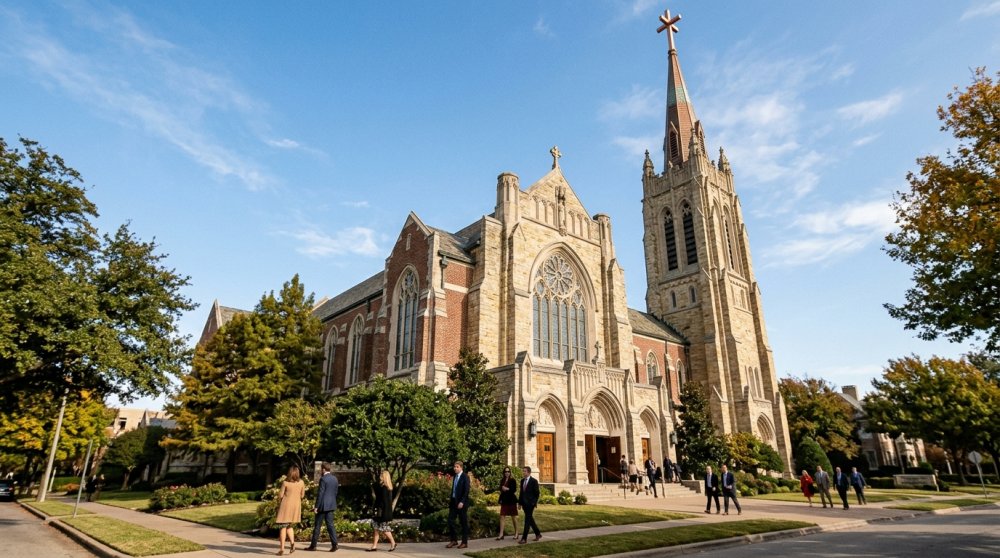
A prominent Dallas megachurch continues its public dispute with regional United Methodist leadership over fundamental questions of church governance and autonomy. Highland Park United Methodist Church finds itself at odds with the denomination’s regional body as both sides dig in over proposed changes to the congregation’s foundational documents.
The controversy has escalated to the point where the church’s pastor invoked one of Scripture’s most sobering examples of fraternal discord. By comparing the situation to Cain and Abel, the biblical brothers whose relationship ended in tragedy, church leadership signaled the seriousness of the rift and the spiritual stakes involved in the denominational standoff.
The dispute centers on Highland Park UMC’s attempts to modify its governing documents, a move that has drawn resistance from regional conference officials. Such conflicts have become increasingly common within the United Methodist Church as local congregations assert greater independence amid the denomination’s ongoing theological divisions.
For many traditional Christians, the standoff represents a microcosm of larger debates about denominational authority versus congregational autonomy. Churches across America face similar tensions as they balance accountability to broader church structures with responsiveness to their local communities and theological convictions.
The biblical reference to Cain and Abel serves as a powerful reminder of what can happen when brothers in faith allow disagreement to devolve into destructive conflict. The story from Genesis 4 recounts how jealousy and anger led to fratricide, establishing a pattern of division that would plague humanity throughout Scripture and history.
Highland Park United Methodist Church, located in one of Dallas’s most affluent neighborhoods, has long been a influential voice within Texas Methodism. The church’s size and prominence make this dispute particularly significant for observers watching how the United Methodist Church navigates its ongoing realignment.
The United Methodist Church has experienced unprecedented upheaval in recent years as congregations nationwide grapple with fundamental disagreements over biblical interpretation, sexuality, and marriage. Thousands of conservative churches have departed the denomination, seeking to maintain traditional Christian teaching on these issues.
This latest conflict in Dallas demonstrates that even among churches remaining within the UMC, questions of governance and authority continue to generate friction. Regional conferences hold significant power over member churches under Methodist polity, creating potential flashpoints when local congregations seek to chart independent courses.
For Christians committed to biblical authority and traditional doctrine, these disputes often reveal deeper questions about the nature of Christian unity and the proper relationship between individual congregations and denominational structures. Scripture calls believers to both truth and unity, but navigating that balance becomes challenging when fundamental disagreements arise.
The invocation of Cain and Abel suggests Highland Park’s leadership views the dispute as more than mere administrative disagreement. It signals concern that the conflict could inflict lasting damage on relationships and witness, much as Cain’s action forever marked human history with the stain of brother harming brother.
As the standoff continues, both sides face questions about how to pursue their convictions while maintaining Christian charity. The outcome may influence how other UMC congregations approach similar tensions between local autonomy and denominational accountability in an era of widespread church realignment.
Let us know what you think, please share your thoughts in the comments below.

Faith Facts
- Pastor Rob Ketterling addressed the Somali gang problem in Minnesota following a gang-related shooting at Eden Prairie High School’s homecoming game.
- The shooting on October 2 left two teenagers wounded outside Aerie Stadium, prompting calls for Christian involvement in addressing the crisis.
- Ketterling framed the issue as a case of ‘compassion without a standard’ in state settlement policies.
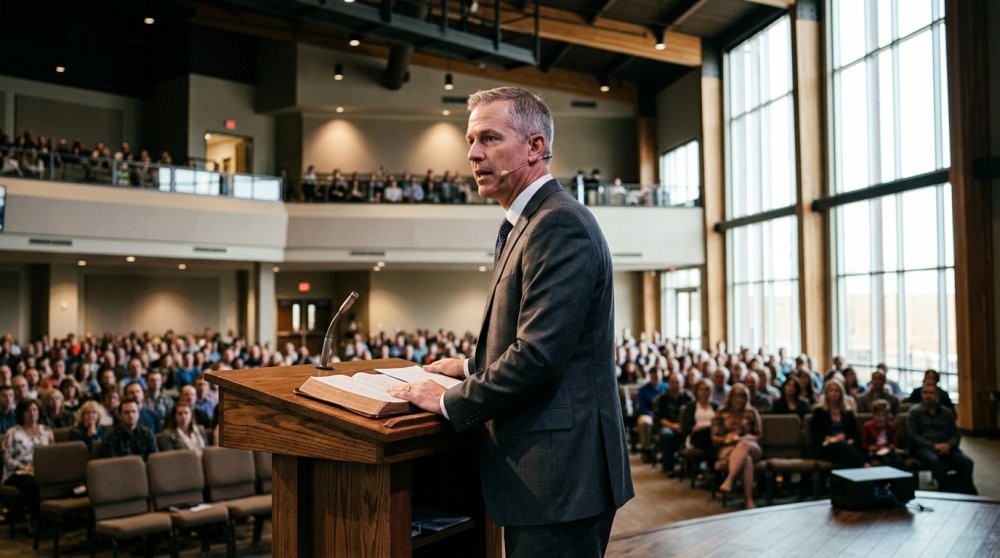
A day after a gang-related shooting disrupted Eden Prairie High School’s homecoming football game in Minnesota on Oct. 2, leaving two teenagers wounded in the parking lot outside Aerie Stadium, megachurch Pastor Rob Ketterling called on Christians to help fix the state’s “Somali gang problem,” which he later blamed on “compassion without a standard.”
“We have to have compassion, but we also have to have a standard,” Ketterling told his congregation. “When you have compassion without a standard, you get chaos.”
The pastor’s comments came amid growing concerns from Minnesota residents about rising gang activity linked to Somali communities in the state. Many families who settled in Minnesota under refugee programs have struggled with integration, leading to the formation of criminal networks that now threaten public safety in suburban areas.
“This is not about race,” Ketterling emphasized. “This is about culture, values, and the rule of law.”
Local law enforcement officials have reported an increase in violent incidents involving Somali gangs, particularly in the Twin Cities metropolitan area. The Eden Prairie shooting marks the latest in a string of public safety concerns that have prompted questions about the effectiveness of federal and state refugee resettlement policies.
“We welcome people who want to embrace American values and contribute to our communities,” Ketterling said. “But when policies prioritize numbers over proper vetting and assimilation standards, we endanger our own citizens.”
The pastor urged his congregation and fellow believers across Minnesota to pray for wisdom and to engage constructively in finding solutions that balance compassion with accountability. Many Christian leaders in the state have echoed similar concerns about the long-term impact of unchecked immigration policies on traditional American communities.
Let us know what you think, please share your thoughts in the comments below.
Faith Facts
- Human dignity flows from being made in the image of God, and every life deserves protection and justice.
- Scripture commands believers to defend the vulnerable and pursue righteousness in public life.
- Strong families and moral communities are essential safeguards against the evils that destroy lives.
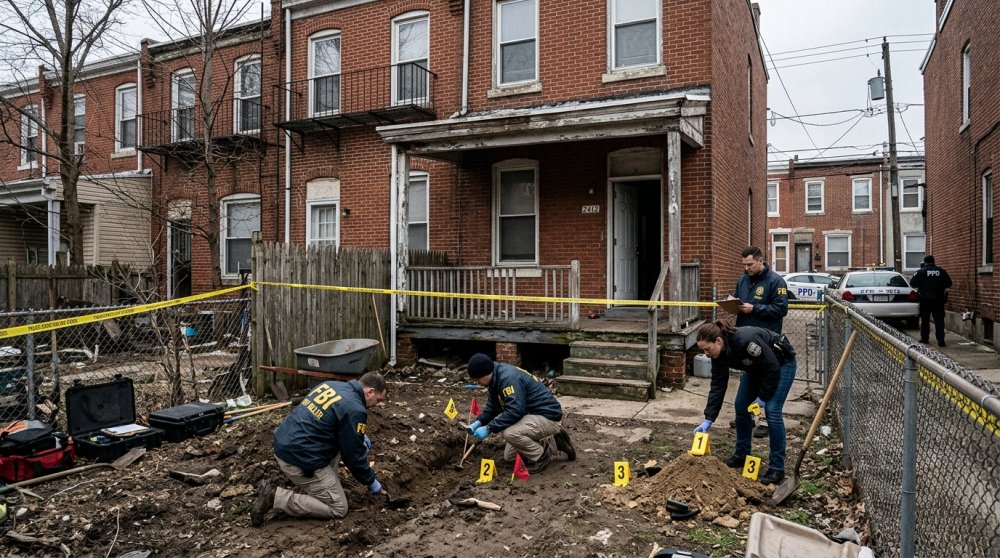
Philadelphia police and FBI agents have uncovered human bones in the backyard of a residence once occupied by a man accused of producing pornography and linked to the disappearance of multiple women.
Search teams continue to comb the property for additional evidence connected to at least seven missing persons cases.
“We are treating this location as an active crime scene and will follow every lead,” a department spokesperson stated.
Neighbors expressed shock that such a site could exist in their community and called for swift justice.
“This kind of darkness has no place among families,” one longtime resident said.
City officials have pledged full cooperation with federal investigators as the probe expands.
Let us know what you think, please share your thoughts in the comments below.
Faith Facts
- White Evangelical Protestants remain the only religious group where a majority continues to approve of President Donald Trump.
- Support for President Trump among White Evangelicals has dropped 20 percentage points since earlier in his presidency.
- Most other religious groups in the United States now favor Democratic candidates in the upcoming midterm elections.
A new Pew Research Center survey reveals a clear divide among American faith communities ahead of the midterm elections. White Evangelical Protestants stand out as the sole religious group maintaining majority support for President Donald Trump.
The survey shows that while this core constituency continues to back Republican candidates, their enthusiasm has cooled compared to previous years. President Trump’s approval among White Evangelicals has declined by 20 points from its earlier peak.
Other religious demographics show a different pattern. Most non-evangelical groups lean toward Democratic candidates, creating a widening gap between traditional faith communities and the broader electorate.
“White Evangelical Protestants are the only religious group in which most approve of President Donald Trump,” the Pew survey finds.
The findings highlight how faith and politics continue to intersect in American elections. White Evangelicals remain a reliable voting bloc for conservative candidates despite the measurable decline in support.
Let us know what you think, please share your thoughts in the comments below.


-

 Self-Reliance2 years ago
Trump’s Bold Move Uncovers Massive Social Security Fraud
-

 Faith2 years ago
New Clues Emerge in Noah’s Ark Mystery
-

 News2 years ago
Governor Walz’s Rhetoric Sparks National Controversy
-

 News2 years ago
Mel Gibson’s ‘The Passion of the Christ’ Sequel Title Announced
-

 Family2 years ago
Texas Lawmaker Targets Furries in Schools
-

 Freedom2 years ago
Maine Lawmaker Challenges Sports Fairness Controversy
-

 Family1 year ago
Canada’s Controversial Policy Sparks Ethical Debate
-
Faith11 months ago
Congress Hears Pleas for Nigerian Christians