
News
Civil Rights Giant Takes Dangerous Stand That Could Hurt Student Athletes


Faith Facts
- The NAACP is urging college athletes to boycott competitions in states with constitutional marriage amendments, potentially jeopardizing their athletic careers and scholarships.
- This protest strategy puts student-athletes’ futures at risk while the organization pursues a political agenda that conflicts with traditional values held by many Americans.
- The boycott call represents a departure from the NAACP’s original mission of protecting civil rights and economic opportunities for all Americans.
One of America’s most storied civil rights organizations has taken a troubling turn that could seriously harm the very people it claims to protect. The NAACP’s recent call for college athletes to boycott competitions in states with traditional marriage laws represents a reckless gamble with young people’s futures.
The organization is asking student-athletes to sacrifice their scholarships, their athletic careers, and their educational opportunities for a political cause. These young men and women have worked their entire lives to reach the collegiate level, and many depend on athletic scholarships to afford their education.
This is not about protecting anyone’s rights — it’s about punishing states that uphold traditional marriage values supported by millions of Americans, including many Christians and people of faith. The NAACP once stood for genuine civil rights protections and economic opportunity. Now it’s asking students to throw away their dreams for a political statement.
The timing couldn’t be worse. In an era when college athletics provides a pathway to education and economic advancement for countless young people, particularly in underserved communities, this boycott call could derail promising futures. Student-athletes face enough pressure already without being recruited as political pawns.
Many of these athletes come from families who have sacrificed greatly to support their children’s dreams. Parents have driven countless hours to practices and games, invested in training and equipment, and prayed for their children’s success. Now an organization claims to speak for their community while asking them to walk away from everything they’ve worked for.
The states being targeted have constitutional amendments that reflect the will of their voters — democratic decisions made by citizens exercising their rights. Americans of faith have every right to support traditional marriage values without being labeled as bigots or having their states subjected to economic blackmail.
This strategy also ignores the reality that student-athletes have obligations to their teams, their coaches, and their fellow students. A boycott doesn’t just affect the individual athlete — it impacts everyone who depends on that person’s participation. It’s a selfish demand dressed up as social justice.
The NAACP built its reputation fighting genuine injustices like segregation, discrimination in employment and housing, and unequal treatment under the law. Those were battles worth fighting. Asking college kids to sacrifice their futures because some states define marriage traditionally is not in the same category.
Christian Americans have long supported equal opportunity and fair treatment for all people. But we also believe in religious freedom, traditional values, and the right of states and citizens to govern themselves according to their convictions. These are not incompatible principles — they’re foundational American values.
What makes this protest particularly cynical is that it places all the risk on young people who have the least power and the most to lose. The NAACP leadership won’t suffer if these boycotts happen — the athletes will. They’ll lose playing time, scholarships, and opportunities that may never come again.
Student-athletes and their families should think carefully before heeding this call. Your education, your future, and your dreams matter more than any political organization’s agenda. You’ve earned your place on the field or court through talent, dedication, and hard work. Don’t let anyone pressure you into throwing that away.
America needs organizations that genuinely advocate for opportunity and advancement. We need leaders who protect young people’s futures rather than using them as instruments of political protest. The NAACP once filled that role with distinction. This latest campaign shows how far it has drifted from those founding principles.
Our country works best when we respect differences of opinion, allow democratic processes to function, and protect individuals from being exploited for political purposes. This boycott call violates all three of those principles. It’s time for people of good faith to speak up for the student-athletes being put in this impossible position.
Let us know what you think, please share your thoughts in the comments below.


Faith Facts
- Kevin O’Leary’s resurfaced comments about Generation Z spending habits have reignited debate about fiscal responsibility and economic stewardship.
- The ‘Shark Tank’ investor’s warnings about generational finances highlight concerns about American values of thrift, self-discipline, and delayed gratification.
- The discussion underscores broader cultural tensions about responsibility, work ethic, and the economic challenges facing young Americans today.
A resurfaced interview clip featuring businessman and ‘Shark Tank’ star Kevin O’Leary has sparked intense national conversation about how younger Americans manage money and whether traditional values of financial prudence are being abandoned. The comments, originally made last year, have found renewed relevance as Americans grapple with economic pressures and cultural shifts affecting financial behavior across generations.
O’Leary’s observations about Generation Z spending patterns have divided Americans along both generational and ideological lines. Some view his critique as a necessary wake-up call rooted in time-tested principles of fiscal responsibility, while others argue it fails to account for the unique economic challenges facing today’s young adults.
Kevin O’Leary says Gen Z is financially cooked when people making K a year are spending on lunch pic.twitter.com/7s820Xnhg9
— Mikli (@CryptoMikli) May 18, 2026
The debate touches on core conservative values: personal responsibility, financial stewardship, delayed gratification, and the work ethic that built American prosperity. These principles, long championed in faith communities and conservative circles, emphasize living within one’s means and building wealth through discipline rather than immediate consumption.
For Christian conservatives, the conversation resonates with biblical teachings about wisdom in financial matters. Scripture repeatedly counsels prudence, saving, and avoiding debt—principles that stand in stark contrast to a consumer culture that often encourages spending beyond one’s means.
The controversy also highlights broader concerns about whether fundamental American values are being transmitted to younger generations. Traditional teachings about thrift, hard work, and financial discipline have historically been cornerstones of both Christian faith and American success.
Yet the discussion is complicated by legitimate economic realities. Young Americans today face housing costs, education expenses, and inflation rates that differ dramatically from previous generations. Balancing acknowledgment of these challenges with timeless principles of financial wisdom remains a tension point in the national conversation.
The viral nature of O’Leary’s comments demonstrates how deeply Americans care about these questions of values, responsibility, and generational legacy. Whether viewed as tough love or out-of-touch criticism, his words have prompted families and communities to examine their own financial practices and the values they’re passing down.
This moment offers an opportunity for faith communities to reinforce biblical financial principles while also extending grace and practical support to young people navigating genuinely difficult economic circumstances.
Let us know what you think, please share your thoughts in the comments below.

Faith Facts
- Vanessa Trump, ex-wife of Donald Trump Jr., has been diagnosed with breast cancer and is requesting privacy during treatment
- Ivanka Trump shared a message of prayer and support, asking for ‘continued strength’ for Vanessa
- Vanessa expressed gratitude for the outpouring of love and support from family and friends during this difficult time
Vanessa Trump, former wife of Donald Trump Jr., has opened up about a deeply personal health challenge she now faces. In a heartfelt social media announcement, she revealed her recent breast cancer diagnosis and asked the public to respect her privacy as she navigates treatment and recovery.
The mother of five, who was married to Trump Jr. from 2005 to 2018, shared the news with a tone of both vulnerability and resolve. She expressed deep appreciation for the support already shown by loved ones during this difficult season.
Ivanka Trump, Vanessa’s former sister-in-law, responded publicly with words of prayer and encouragement. She conveyed her heartfelt wishes for Vanessa’s continued strength throughout the journey ahead, reflecting the enduring family bonds that remain despite the changes in relationships over the years.
Breast cancer remains one of the most common cancers affecting women in America, with early detection and treatment significantly improving outcomes. Medical advances have made it possible for many patients to achieve full recovery, though the road often requires tremendous courage, faith, and perseverance.
Vanessa’s decision to share her diagnosis publicly demonstrates both bravery and an understanding of the power of community support during health crises. Many women facing similar battles find strength in knowing they are not alone, and Vanessa’s openness may encourage others to seek screening and treatment.
The Trump family has rallied around Vanessa during this time, demonstrating the importance of putting family first regardless of past circumstances. Their unified response serves as a reminder that some things transcend politics and personal history—faith, family, and health among them.
As Vanessa focuses on her treatment and recovery, she has asked for prayers and privacy. This request reflects a desire to protect not only herself but also her five children during what will undoubtedly be a challenging period for the entire family.
Many Americans will lift Vanessa Trump up in prayer as she faces this battle. The faith community understands the power of prayer in times of medical crisis and the comfort it brings to those walking through the valley.
Let us know what you think, please share your thoughts in the comments below.
Faith Facts
- President Trump stated a memorandum of understanding with Iran has been largely negotiated to end hostilities
- The proposed deal would include provisions to reopen the strategic Strait of Hormuz
- Iranian state-linked media disputes Trump’s characterization of control over the vital waterway
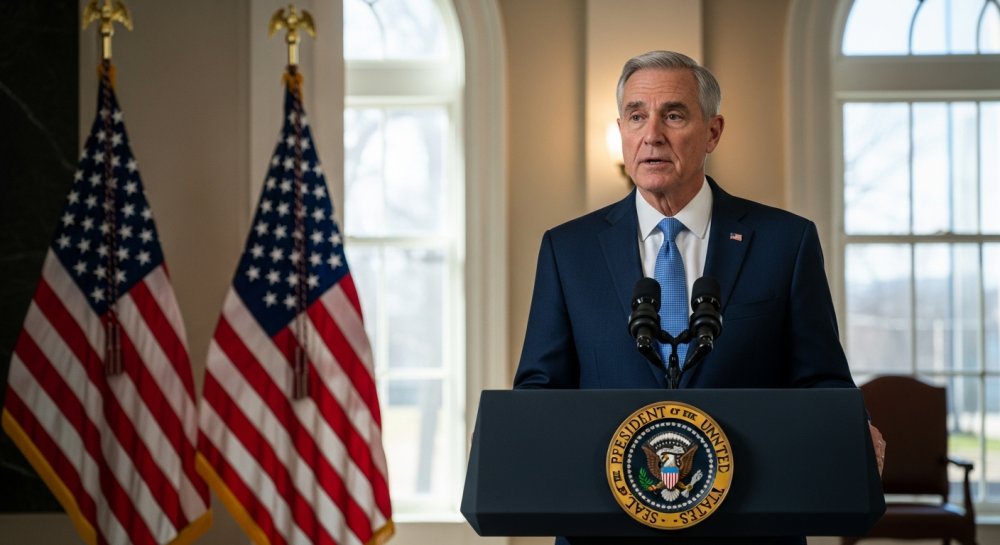
President Donald Trump announced significant progress in negotiations with Iran, revealing that a memorandum of understanding to end the ongoing conflict has been largely negotiated. The announcement marks a potentially pivotal moment in Middle East relations and could have far-reaching implications for American national security and global energy markets.
The proposed agreement would include provisions to reopen the Strait of Hormuz, one of the world’s most strategic waterways through which approximately one-fifth of global oil supplies pass. Control of this narrow passage has long been a point of contention between the United States and Iran, making its status a critical element of any peace framework.
However, Iranian state-linked media outlets quickly disputed President Trump’s account of the arrangement, particularly regarding who would maintain control over the strait. The conflicting narratives highlight the delicate nature of diplomatic negotiations with the Islamic Republic and the challenges inherent in reaching agreements with a regime that has repeatedly demonstrated hostility toward American interests and values.
For American families and businesses, the reopening of the Strait of Hormuz without threat of Iranian interference could mean greater energy security and more stable fuel prices. The waterway’s unimpeded operation is essential to global commerce and particularly important to maintaining American energy independence and economic strength.
The Trump administration’s approach to Iran has consistently prioritized American interests while maintaining pressure on the regime to cease its destabilizing activities in the region. This latest development suggests that diplomatic engagement, backed by strength, may be yielding results that could protect American lives and prosperity.
The discrepancy between the American and Iranian accounts of the deal’s terms underscores the importance of verification and accountability in any final agreement. Conservative leaders have long emphasized that any deal with Iran must include robust enforcement mechanisms and clear consequences for non-compliance, lessons learned from previous failed diplomatic efforts.
As negotiations continue, the American people deserve transparency about the specific terms being discussed and assurances that any agreement will genuinely advance national security rather than simply provide temporary relief. The stakes are too high for anything less than a deal that protects American interests and holds Iran accountable for its actions.
Let us know what you think, please share your thoughts in the comments below.


-

 Self-Reliance1 year ago
Trump’s Bold Move Uncovers Massive Social Security Fraud
-

 Faith1 year ago
New Clues Emerge in Noah’s Ark Mystery
-

 News1 year ago
Governor Walz’s Rhetoric Sparks National Controversy
-

 News1 year ago
Mel Gibson’s ‘The Passion of the Christ’ Sequel Title Announced
-

 Family1 year ago
Texas Lawmaker Targets Furries in Schools
-

 Freedom1 year ago
Maine Lawmaker Challenges Sports Fairness Controversy
-

 Family12 months ago
Canada’s Controversial Policy Sparks Ethical Debate
-
Faith6 months ago
Congress Hears Pleas for Nigerian Christians