
Faith
Churches Launch 21-Day Prayer Campaign for Korean Peninsula

Faith Facts
- Dozens of churches across South Korea and several nations will unite in a 21-day prayer campaign starting June 5
- The campaign focuses on the release of three Christian missionaries currently detained in North Korea
- Organizers seek “Gospel reunification” of the Korean Peninsula through sustained intercessory prayer
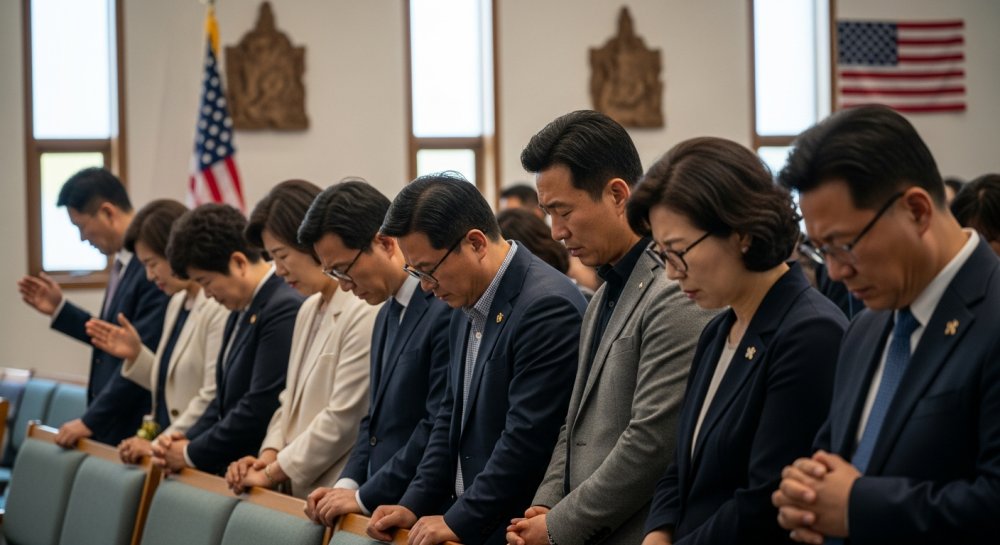
A powerful movement of prayer is mobilizing across international borders as Christian communities prepare to unite their voices for the Korean Peninsula. Beginning June 5, churches and Christian organizations spanning South Korea and multiple nations will embark on a focused 21-day prayer campaign with dual objectives: securing freedom for three missionaries imprisoned in North Korea and advancing what faith leaders describe as “Gospel reunification” between North and South Korea.
The coordinated prayer initiative represents a significant show of unity among believers who recognize the spiritual dimensions of the Korean conflict. While political and military tensions have dominated headlines for decades, these Christian communities are addressing the crisis through intercession, believing that genuine reconciliation must be rooted in spiritual transformation.
The three detained missionaries remain in North Korean custody under circumstances that highlight the persecution Christians face in one of the world’s most hostile environments for religious freedom. Their imprisonment serves as a sobering reminder of the cost of discipleship in regions where the Gospel is actively suppressed by authoritarian regimes.
The concept of “Gospel reunification” extends beyond mere political reconciliation. Organizers envision a Korea where both North and South experience spiritual renewal and where the Christian faith can flourish without government interference or persecution. This vision acknowledges that lasting peace requires more than diplomatic agreements—it demands hearts transformed by the power of God.
The 21-day timeframe reflects a biblical pattern of sustained, focused prayer seen throughout Scripture. From Daniel’s three weeks of intercession to the early church’s devotion to prayer before Pentecost, extended seasons of seeking God have historically preceded breakthrough moments in both individual lives and nations.
South Korean Christians have maintained a consistent prayer focus on their northern neighbors despite decades of separation and hostility. Underground churches in North Korea, though operating under extreme danger, testify to the resilience of faith even in the most oppressive circumstances. Reports from defectors and missionaries who have worked along the border consistently reveal that Christianity continues to survive in North Korea, though believers face severe punishment including imprisonment, labor camps, and execution.
The international scope of this prayer campaign demonstrates how the body of Christ transcends national boundaries. Believers from various countries are joining Korean Christians in intercession, recognizing that religious freedom and the advance of the Gospel are global concerns that unite all who follow Christ.
For American Christians observing this initiative, the campaign offers an opportunity to support fellow believers facing persecution and to pray for one of the world’s most closed nations. The situation in North Korea represents one of the most extreme examples of government hostility toward Christianity, making it a priority concern for those who value religious liberty.
As these churches unite in prayer beginning June 5, they carry forward a legacy of faith that believes God can penetrate even the most hardened political systems and transform nations. The release of imprisoned missionaries and the reunification of Korea under the influence of the Gospel may seem impossible by human standards, but history repeatedly demonstrates that prayer moves the hand of God in ways diplomacy and military might cannot achieve.
Let us know what you think, please share your thoughts in the comments below.

Faith Facts
- Christians are called to redeem every tool for God’s glory and the spread of the Gospel.
- Artificial intelligence is a human creation and remains under God’s sovereign authority.
- Believers must approach emerging technologies with wisdom rooted in Scripture.
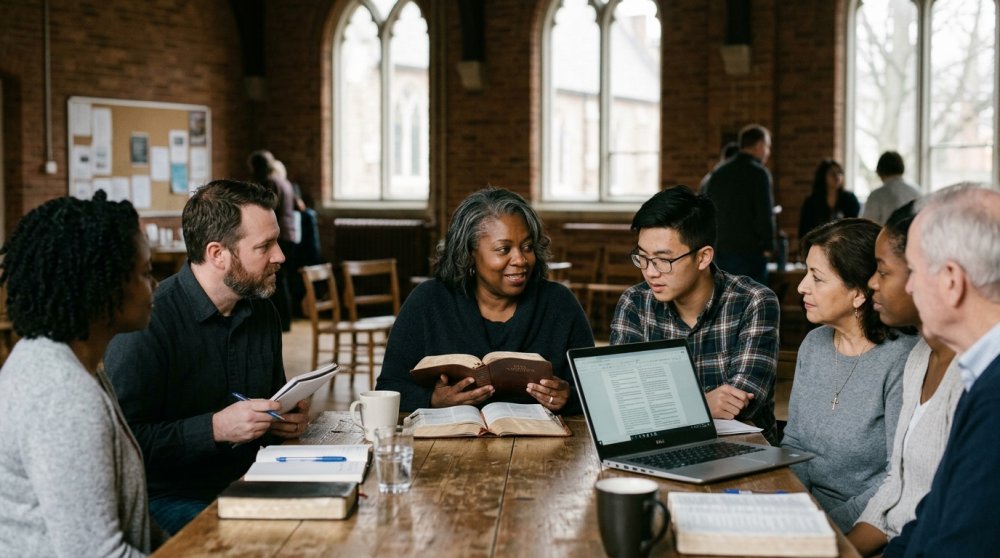
Christians around the world are asking an important question as artificial intelligence grows more powerful. How can this technology be captured for the glory of God and the advancement of the Gospel?
Scripture teaches that every good gift comes from above. Technology itself is not evil, but its use must be directed by truth and righteousness.
AI systems are built by people and trained on data created by people. They reflect human choices and remain limited by the boundaries God has established.
Believers have a responsibility to guide these tools toward purposes that honor Christ and serve others. That includes sharing the Gospel, protecting life, and strengthening families.
“Whether therefore ye eat, or drink, or whatsoever ye do, do all to the glory of God,” 1 Corinthians 10:31 reminds us.
Churches and ministries are already exploring ways to use AI for translation, accessibility, and discipleship resources. These efforts must stay anchored in sound doctrine and prayerful discernment.
At the same time, Christians are right to raise concerns about privacy, truth, and the temptation to place ultimate trust in machines rather than in the Lord.
“Trust in the Lord with all thine heart; and lean not unto thine own understanding,” Proverbs 3:5 declares.
Ultimately, the future belongs to the One who created all things, not to any algorithm or invention of man. AI will never have the final word over humanity.
Let us know what you think, please share your thoughts in the comments below.
Faith Facts
- The little log church has stood along the historic Oregon Trail route, serving as a steadfast reminder of Christian faith amid the rugged American frontier.
- U.S. Highway 191 passes near this enduring structure, connecting modern travelers to the spiritual legacy of pioneer families who settled the West.
- The church continues to bear witness to the traditional values of faith, family, and freedom that shaped our nation’s westward expansion.
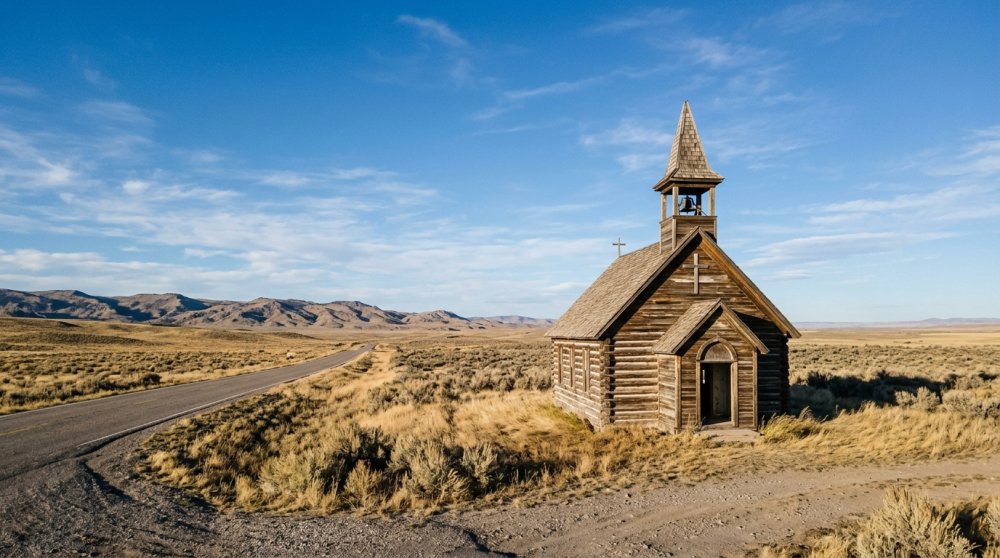
Along U.S. Highway 191 stands a little log church that looks as though it has occupied this windswept landscape since the days of wagon trains.
The humble structure serves as a tangible link to the pioneer families who carried their Bibles and their faith across the plains in search of new beginnings.
Its weathered logs and simple steeple rise against the vast Western sky, a quiet testament to the enduring strength of Christian witness in America.
Travelers passing by are reminded that the values of hard work, self-reliance, and devotion to God helped build this nation from the ground up.
Let us know what you think, please share your thoughts in the comments below.
Faith Facts
- Scripture teaches that creation groans under the weight of sin and awaits redemption
- Christian teaching holds that believers are called to reflect God’s compassion through practical help
- History shows the church has long been first on the scene after floods, fires, and storms
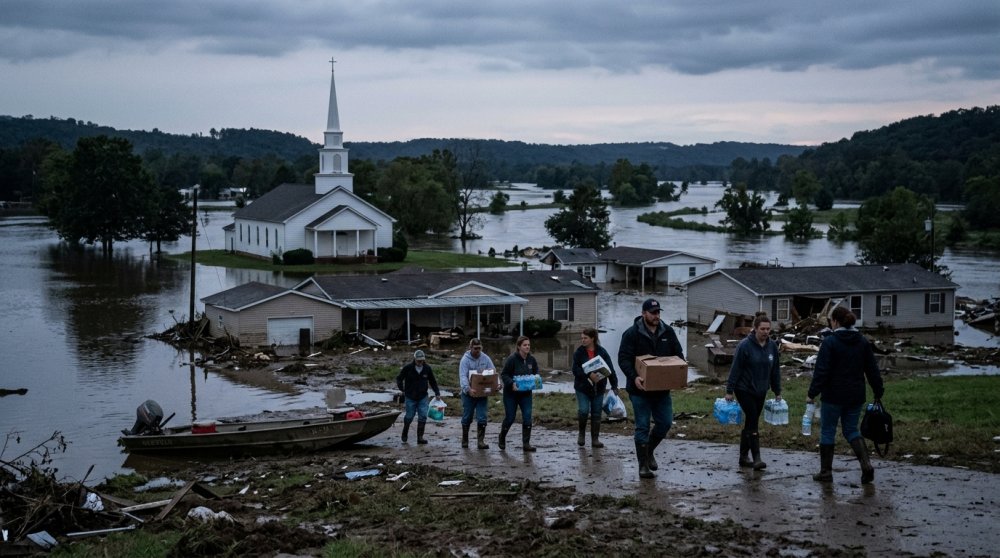
Every natural disaster reminds us that we live in a fallen world — that mankind’s sin irreparably marred the world’s original perfection.
We call these events “natural disasters,” but the reality is that these tragedies are anything but “natural.”
Let us know what you think, please share your thoughts in the comments below.


-

 Self-Reliance1 year ago
Trump’s Bold Move Uncovers Massive Social Security Fraud
-

 Faith1 year ago
New Clues Emerge in Noah’s Ark Mystery
-

 News2 years ago
Governor Walz’s Rhetoric Sparks National Controversy
-

 News1 year ago
Mel Gibson’s ‘The Passion of the Christ’ Sequel Title Announced
-

 Family1 year ago
Texas Lawmaker Targets Furries in Schools
-

 Freedom2 years ago
Maine Lawmaker Challenges Sports Fairness Controversy
-

 Family1 year ago
Canada’s Controversial Policy Sparks Ethical Debate
-
Faith10 months ago
Congress Hears Pleas for Nigerian Christians