
Faith
Christians Martyred in Mozambique Amid Rising Terror

Faith Facts
- Over 30 Christians were beheaded in northern Mozambique by Islamic State-aligned militants in recent attacks.
- The terrorists burned homes and churches, causing mass displacement of faithful believers.
- The violence has forced at least 50,000 people to flee, and more than 1 million have been displaced since the conflict began.
Christians in Mozambique are enduring unspeakable suffering as Islamic extremists continue their violent campaign. Entire communities are being targeted for their unwavering faith in Christ, with homes and churches set ablaze.
The recent attacks have devastated villages across Cabo Delgado and Nampula, including raids that killed and abducted innocent believers. Militants have executed civilians by beheading and gunfire, fueling fear and sorrow among families rooted in faith.
This escalating persecution is a call to prayer and unity among Christians worldwide. Security alliances have been formed, yet the violence persists, reminding us of the precious price paid by those who stand for Jesus.
Let us honor the courage of our persecuted brothers and sisters, praying for their protection and for God’s justice to prevail. Their testimony inspires us to cling to faith, family, and freedom, remembering that our hope rests in Christ alone.
Stand with the persecuted Church and encourage others to lift up Mozambique in daily prayer, trusting that the Lord is our refuge and strength.

Faith Facts
- Scripture consistently affirms marriage as the lifelong union of one man and one woman, established by God in Genesis 2:24.
- Christian teaching holds that sexual intimacy is designed exclusively for the covenant of marriage between husband and wife.
- Believers are called to defend biblical truth with gentleness and clarity amid shifting cultural definitions of family and relationships.
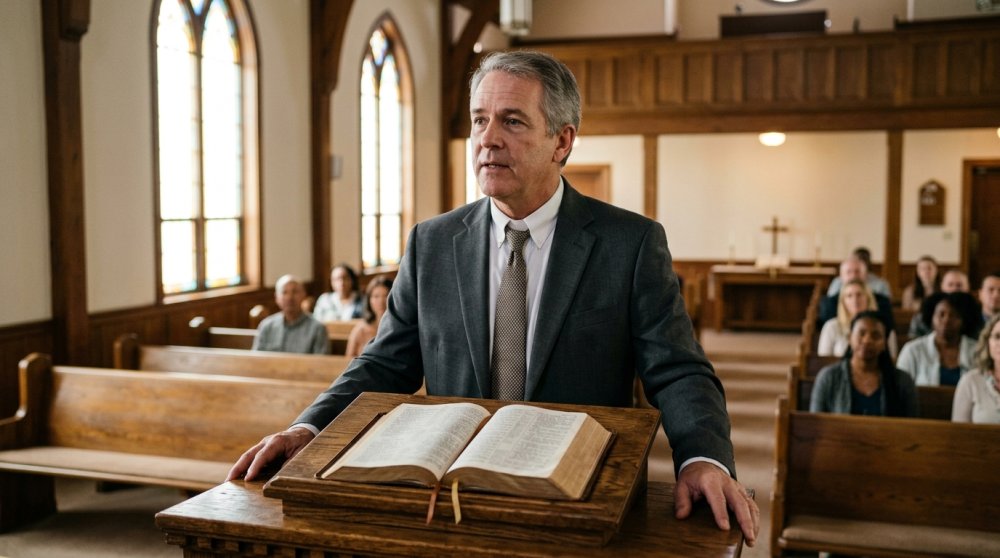
Activists pushing polyamory are now repeating the same lines once deployed to advance same-sex marriage. The familiar refrains about unclear biblical teaching and God being on the side of love are resurfacing in new debates. Christians must recognize the pattern and prepare faithful responses.
These arguments appear in recent opinion pieces and social media campaigns that frame polyamorous arrangements as simply another expression of committed love. Proponents claim that Scripture does not explicitly forbid multiple partners in all cases. They insist that genuine affection should override traditional definitions of family structure.
Yet the biblical witness remains consistent from Genesis through the New Testament. Marriage is presented as a covenant between one man and one woman, reflecting the relationship between Christ and His Church. Attempts to expand that definition rest on selective readings that ignore the full counsel of Scripture.
Church leaders and parents are increasingly confronted with these ideas in schools, workplaces, and even some congregations. Clear teaching on the sanctity of marriage provides the firm foundation needed to answer cultural pressure. Standing on God’s Word equips believers to respond with both truth and compassion.
Let us know what you think, please share your thoughts in the comments below.
Faith
Wycliffe reports record Bible translation momentum bringing God’s Word closer to every people group


Faith Facts
- Wycliffe Bible Translators reported remarkable progress in Bible translation work over the past year.
- The organization stated that the day is getting closer when everyone has access to God’s word in their own language.
- Translation momentum has continued without interruption during the past twelve months.
The day is getting closer when everyone has access to God’s word in their own language, thanks to the amazing momentum in the work of Bible translation that has continued in the past 12 months, Wycliffe Bible Translators has said.
The report comes as the organization continues its historic mission of ensuring that every people group can read Scripture in their heart language.
Christian believers around the world understand that access to God’s Word in one’s own tongue remains central to spreading the Gospel and strengthening the faith of families and communities.
Let us know what you think, please share your thoughts in the comments below.
Faith Facts
- Tauren Wells is a Grammy-nominated Christian artist and pastor who planted a church and experienced personal burnout during the process.
- His new album “Here Comes the Church” focuses on the beauty, diversity, and spiritual importance of Christian community.
- Wells believes rediscovering God’s presence in the local church is essential for believers facing modern cultural challenges.
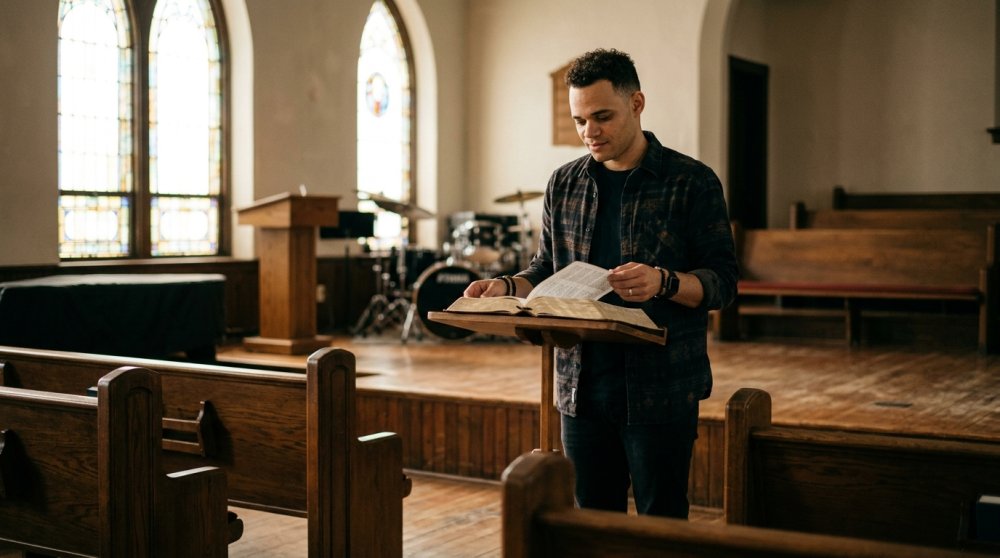
Grammy-nominated Christian artist and pastor Tauren Wells is speaking candidly about the spiritual and personal cost of planting a church. He describes how stepping into church leadership tested his faith and led to seasons of burnout.
Yet Wells says the experience ultimately deepened his trust in God and renewed his passion for ministry. He now hopes his latest album, “Here Comes the Church,” will help believers rediscover the true beauty and necessity of spiritual community.
“Here Comes the Church”
The album emphasizes the diversity and strength found in local congregations. Wells encourages Christians to see the church not as an outdated institution, but as God’s chosen instrument for reaching a hurting world.
Through honest storytelling and worshipful songs, Wells points listeners back to the foundational truth that faith is meant to be lived out together. His message resonates especially with believers weary from cultural division and spiritual isolation.
Let us know what you think, please share your thoughts in the comments below.


-

 Self-Reliance1 year ago
Trump’s Bold Move Uncovers Massive Social Security Fraud
-

 Faith1 year ago
New Clues Emerge in Noah’s Ark Mystery
-

 News2 years ago
Governor Walz’s Rhetoric Sparks National Controversy
-

 News2 years ago
Mel Gibson’s ‘The Passion of the Christ’ Sequel Title Announced
-

 Family2 years ago
Texas Lawmaker Targets Furries in Schools
-

 Freedom2 years ago
Maine Lawmaker Challenges Sports Fairness Controversy
-

 Family1 year ago
Canada’s Controversial Policy Sparks Ethical Debate
-
Faith10 months ago
Congress Hears Pleas for Nigerian Christians