
Freedom
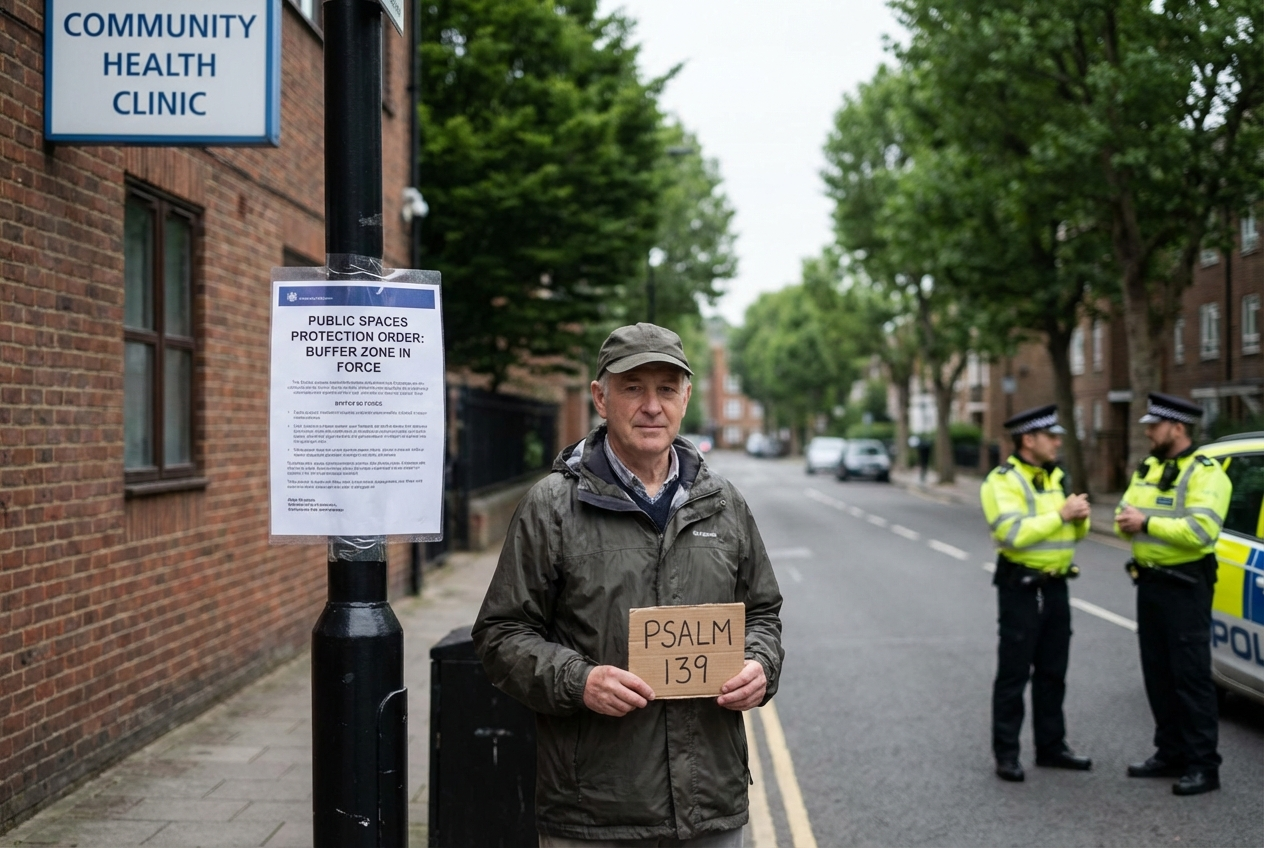
Christian’s Bible Verse Fine Sparks Free Speech Battle

Faith Facts
- Stephen Green was fined for displaying a Bible verse near an abortion clinic buffer zone.
- The court declared his public display of Psalm 139 as an act of protest against abortion, deeming it a violation of local prohibitions.
- Christian leaders and supporters argue this ruling is a threat to religious freedom and the right to share biblical truth.
Stephen Green, a faithful advocate for Christian values, faces penalties for expressing Scripture in public near an abortion facility.
His conviction brings renewed focus to Britain’s restrictive buffer zones, which many believe silence Christian witness and prayer in vital moments.
Green’s legal counsel argues that these regulations criminalize peaceful prayer and the open proclamation of God’s Word, undermining both freedom of religion and speech.
The issue now advances to higher courts in a growing stand for faith, life, and freedom of conscience.
“As a Christian I should be able to preach freely all over the land. Psalm 139 is about how we all belong to God from conception.”
“Buffer zones and this conviction is a direct attack on the Bible and free speech, which is being licenced by the state. I have no choice but to continue to defend myself and fight for justice.”
Green’s resolve, shared by supporters like the Christian Legal Centre, demonstrates a deep commitment to uphold the right to declare biblical truth in public life.
These moments call believers to steadfastness and to intercede for those defending truth in the public square.
Freedom to speak God’s Word and witness to life remains a core Christian conviction, and these legal battles shed light on the urgent need to defend this freedom for future generations.


Faith Facts
- Abraham Lincoln taught that the measure of any choice is whether it does more good than harm.
- Scripture repeatedly calls believers to choose what protects life, family, and freedom even when no perfect option exists.
- American history shows that principled citizens have often voted against greater evil to preserve liberty for future generations.
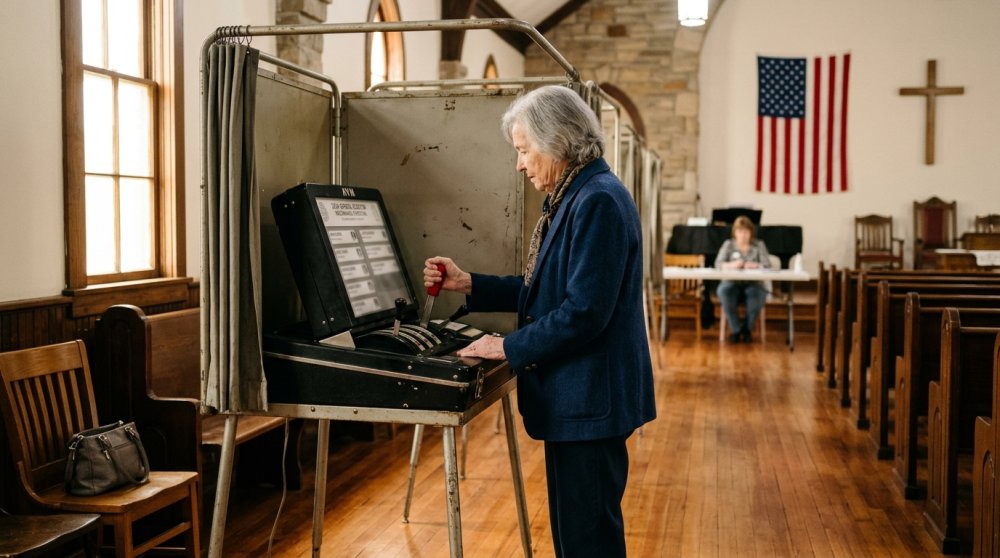
When the ballot offers only imperfect candidates, principled voters still have to choose. Abraham Lincoln argued that the real test of a choice isn’t whether it contains any evil, but whether it does more harm than good. By that test, voting against the worst is a moral act, not a compromise.
Many believers wrestle each election cycle with whether casting a ballot for the lesser of two evils betrays their convictions. Yet the alternative—staying home or scattering votes on third-party candidates—has repeatedly allowed the greater evil to prevail in close races.
History records several presidential contests where third-party efforts split the conservative vote and handed victory to policies hostile to faith, family, and freedom. Those outcomes remind Christians that abstaining is itself a choice with lasting consequences.
Let us know what you think, please share your thoughts in the comments below.
Faith Facts
- Virginia State University has required Christian student organizations to submit to oversight by a single university-employed campus minister.
- Two Christian groups filed suit alleging the policy violates their religious convictions and First Amendment rights.
- The groups claim doctrinal differences with the appointed minister make compliance impossible without compromising their beliefs.
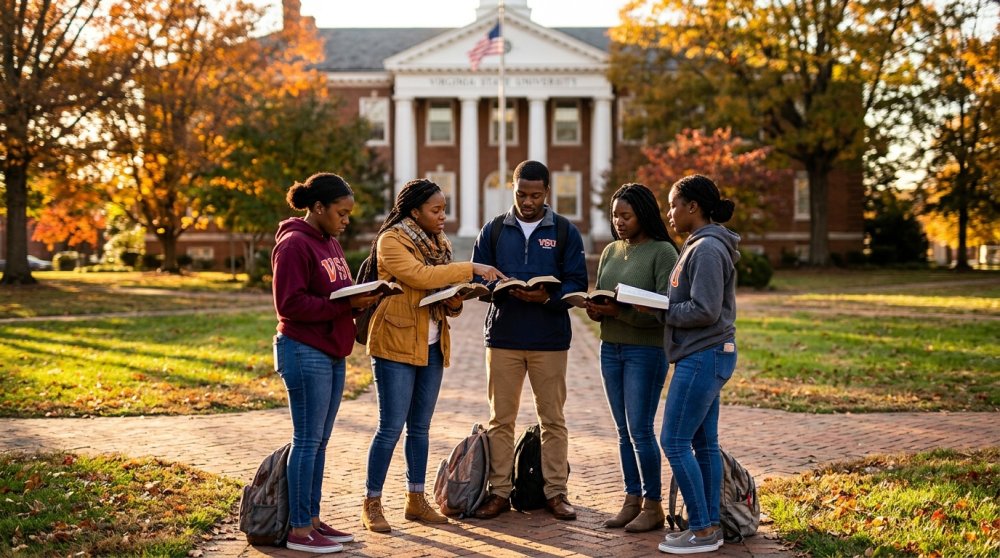
Two Christian student organizations have taken Virginia State University to court, asserting the school has violated their religious liberty by forcing them under the authority of a single campus minister.
The complaint states the policy requires all Christian clubs to operate under the governance of this university-appointed figure regardless of doctrinal alignment.
“The university is compelling these groups to accept spiritual leadership that contradicts their sincerely held beliefs,” the lawsuit argues.
The students maintain the mandate infringes on their freedom to choose leaders who share their theological convictions.
Legal observers note the case raises fresh questions about how public universities may regulate religious expression on campus.
Supporters of the plaintiffs argue that equal access should not require groups to surrender their core religious identity.
“We simply want the same rights extended to every other student organization without having our faith dictated by the state,” one plaintiff representative said.
The university has not yet issued a detailed public response beyond confirming receipt of the legal filing.
Let us know what you think, please share your thoughts in the comments below.
Faith Facts
- Parents hold the primary God-given responsibility to educate their children according to biblical principles.
- Traditional homeschooling has consistently produced graduates who serve their communities with integrity and skill.
- Local governments should respect parental authority and religious freedom rather than impose unnecessary credentialing barriers.
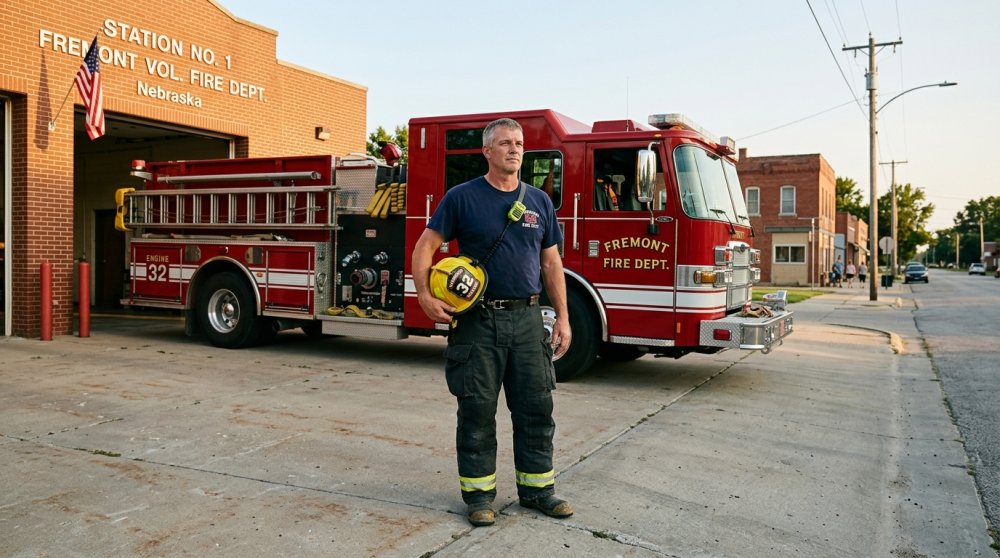
The city council of Fremont, Nebraska, has unanimously passed a resolution removing an education requirement that had prevented a homeschooled volunteer from applying for a paid firefighter position.
City leaders determined that the previous rule unfairly excluded capable individuals who had completed their education at home.
The decision came after a longtime volunteer firefighter, who graduated through homeschooling, was told he could not be considered for full-time employment because his diploma was not from an accredited institution.
“The council recognized that homeschool graduates bring the same dedication and training to the job as anyone else,” one council member stated during the meeting.
Council members agreed the change aligns with broader community values that honor parental choice in education.
Supporters of the resolution noted that many homeschool families in Nebraska choose this path for faith-based reasons and should not face employment discrimination for following their convictions.
The updated policy now allows the city to consider applicants based on their skills, certifications, and character rather than the source of their high school education.
Local firefighters and residents have welcomed the decision, viewing it as a practical step that strengthens public safety without compromising standards.
“This resolution simply removes an unnecessary obstacle so that qualified men and women can serve their neighbors,” another council member remarked.
City officials expect the change to expand the pool of dedicated candidates ready to protect Fremont families and property.
Let us know what you think, please share your thoughts in the comments below.


-

 Self-Reliance2 years ago
Trump’s Bold Move Uncovers Massive Social Security Fraud
-

 Faith2 years ago
New Clues Emerge in Noah’s Ark Mystery
-

 News2 years ago
Governor Walz’s Rhetoric Sparks National Controversy
-

 News2 years ago
Mel Gibson’s ‘The Passion of the Christ’ Sequel Title Announced
-

 Family2 years ago
Texas Lawmaker Targets Furries in Schools
-

 Freedom2 years ago
Maine Lawmaker Challenges Sports Fairness Controversy
-

 Family1 year ago
Canada’s Controversial Policy Sparks Ethical Debate
-
Faith11 months ago
Congress Hears Pleas for Nigerian Christians