
Faith
Catholic Bishops Uphold Biblical Gender Truths

Faith Facts
- Liberal Protestant and Jewish groups declared transgenderism “holy,” opposing the U.S. Conference of Catholic Bishops.
- The Catholic bishops voted to bar transgender procedures in their healthcare institutions, citing biblical teaching on creation and human dignity.
- More than one in seven Americans receive care from Catholic hospitals, impacting many rural families.
Some religious leaders from liberal denominations issued a statement asserting that transgenderism is holy, directly challenging recent Catholic directives. Their declaration claimed that diverse faith traditions unite in affirming gender ideology, but this stands in clear contrast to traditional Christian teachings.
The U.S. Conference of Catholic Bishops, relying on Scripture and Church tradition, reaffirmed that medical procedures to alter God-given sex are morally unacceptable. They referenced Vatican guidance, Pope Francis’ writings, and doctrinal notes emphasizing the inviolable dignity of the human person as created male and female by God.
“Catholic health care services must not perform interventions, whether surgical or chemical, that aim to transform the sexual characteristics of a human body into those of the opposite sex, or take part in the development of such procedures,” the bishops noted in their doctrinal statement.
Bishop Robert Barron highlighted the seriousness of defending biblical truth regarding gender, stating the necessity for the Church to speak clearly amid a culture of confusion.
As faithful believers, let us stand firm in God’s design for humanity and pray for courage to uphold His truth in our communities. Stay informed and rooted in the principles that preserve faith, family, and freedom.



Faith Facts
- The Bible commands children to honor their father and mother (Exodus 20:12).
- Scripture warns against bitterness and urges reconciliation within families (Ephesians 4:31-32).
- God places high value on generational relationships and the passing down of faith (Psalm 78:4-7).
At a recent breakfast three friends shared the same heartbreak: grown children who had cut off all contact even with grandchildren. It is a growing trend and one the Bible speaks to directly.
Many counselors and social media voices frame cutting off parents as healthy boundaries or necessary self-care. The practice has gained traction especially among younger adults influenced by therapeutic language that often places personal feelings above family duty.
Yet Scripture consistently elevates the lifelong responsibility children have toward their parents. The fifth commandment does not expire when a person turns eighteen and the call to honor remains even when relationships are imperfect.
“Honor your father and your mother, that your days may be long in the land that the Lord your God is giving you.”
Christian counselors note that estrangement often stems from unresolved conflicts that could be addressed through repentance forgiveness and godly counsel rather than permanent separation. The pattern of total cutoff also deprives grandchildren of the generational wisdom and love Scripture expects families to pass on.
“Fathers shall not be put to death for their children nor shall children be put to death for their fathers. Each one shall die for his own sin.”
The trend reflects a broader cultural shift that elevates individual autonomy over covenantal family bonds. While abuse must never be minimized or excused the biblical model still calls believers to pursue peace and reconciliation wherever possible.
Let us know what you think, please share your thoughts in the comments below.
Faith Facts
- J.R.R. Tolkien was a devout Catholic whose faith shaped his storytelling in The Hobbit and The Lord of the Rings.
- C.S. Lewis, a close friend of Tolkien, was a prominent Christian writer whose works also reflect deep faith.
- Both authors are celebrated for weaving Christian values into their literary masterpieces.
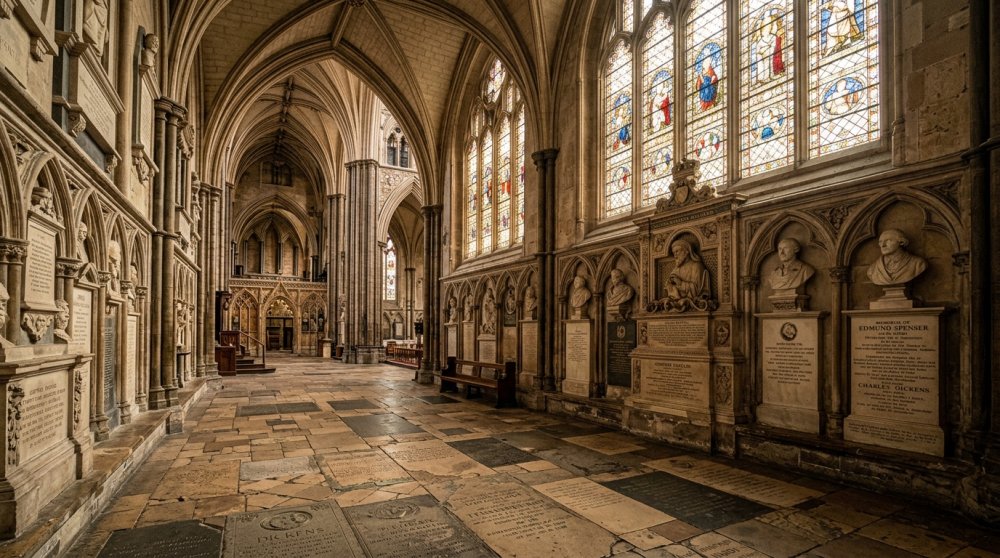
J.R.R. Tolkien, the devout Catholic author whose Christian beliefs helped shape The Hobbit and The Lord of the Rings, will be honored with a memorial in Westminster Abbey’s Poets’ Corner alongside his close friend and fellow Christian writer C.S. Lewis.
The decision to place Tolkien’s memorial in Poets’ Corner marks a fitting tribute to a man whose faith and imagination have touched millions of readers across generations.
“It is a joy to see Tolkien’s legacy recognized in such a historic and sacred place,”
“His stories continue to inspire readers with themes of courage, sacrifice, and redemption that echo the Gospel.”
Let us know what you think, please share your thoughts in the comments below.
Faith Facts
- Robin Rempel describes herself as an average person yet has witnessed God produce extraordinary fruit through her surrendered life.
- Scripture consistently shows the Lord using ordinary individuals to accomplish His purposes, as seen in the lives of Gideon, Esther, and the early disciples.
- Christian teaching affirms that genuine effectiveness flows not from personal strength but from humble dependence upon the Lord.
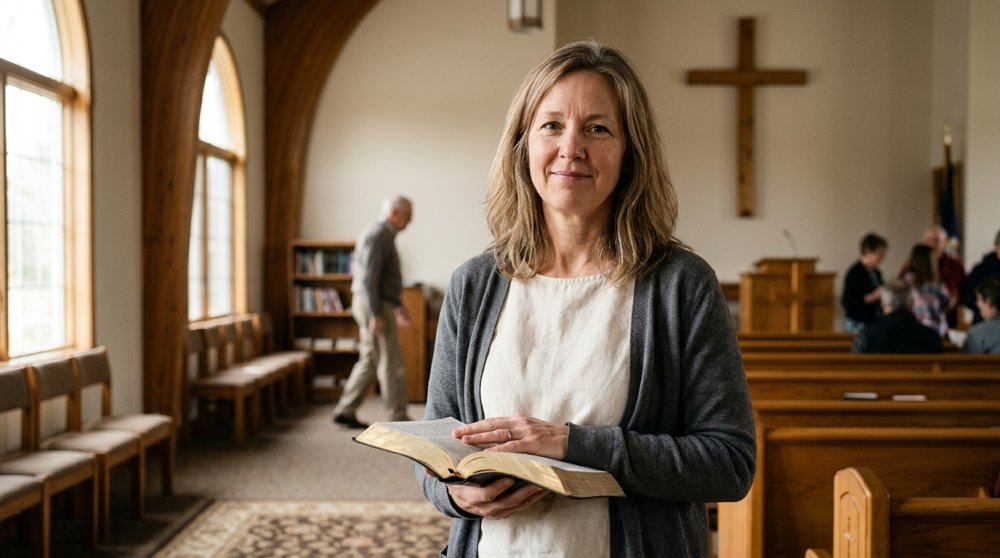
Often we think we must be extraordinary people for God to use us, but that is not true. Robin Rempel exemplifies this. She sees herself as quite an average person, yet with God’s help she has been part of an extraordinarily fruitful ministry.
This is her story.
Let us know what you think, please share your thoughts in the comments below.


-

 Self-Reliance1 year ago
Trump’s Bold Move Uncovers Massive Social Security Fraud
-

 Faith1 year ago
New Clues Emerge in Noah’s Ark Mystery
-

 News2 years ago
Governor Walz’s Rhetoric Sparks National Controversy
-

 News2 years ago
Mel Gibson’s ‘The Passion of the Christ’ Sequel Title Announced
-

 Family2 years ago
Texas Lawmaker Targets Furries in Schools
-

 Freedom2 years ago
Maine Lawmaker Challenges Sports Fairness Controversy
-

 Family1 year ago
Canada’s Controversial Policy Sparks Ethical Debate
-
Faith10 months ago
Congress Hears Pleas for Nigerian Christians