Connect with us

Faith

British Comedy Icon Breaks Silence on What Others Won’t Say About Nigerian Christians

Published

on

Faith Facts

  • British actor and comedian John Cleese publicly condemned the ongoing persecution and slaughter of Christians in Nigeria by Islamic extremists.
  • Cleese suggested the international community is hypocritically ignoring the suffering of Nigerian Christians for political reasons.
  • The statement brings renewed attention to the thousands of Christians who have been killed in Nigeria by radical Islamic groups in recent years.

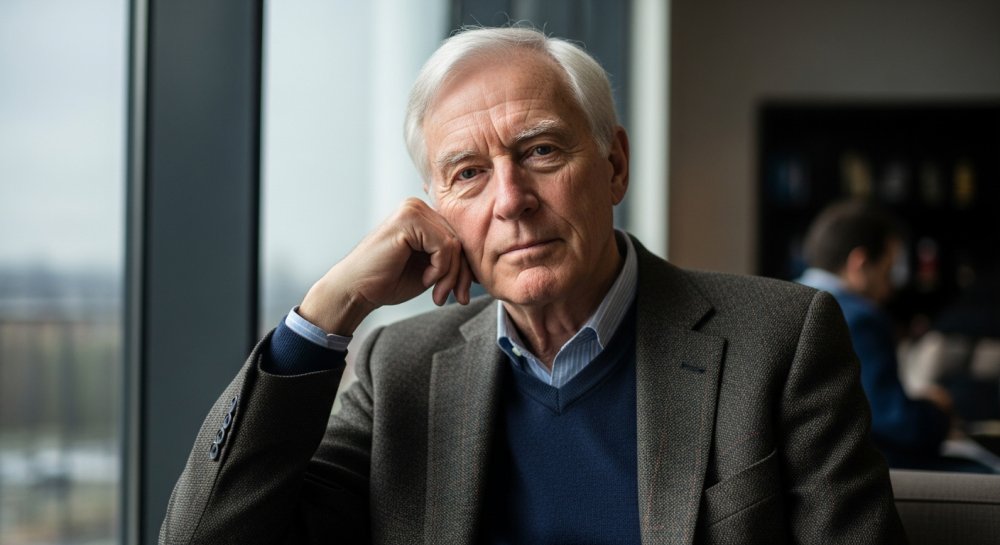
British comedy legend John Cleese has broken his silence on one of the world’s most underreported humanitarian crises: the systematic slaughter of Christians in Nigeria. In a bold statement, the actor and comedian called attention to what he described as a hypocritical silence from the global community regarding the violent persecution of believers in the African nation.

Cleese, known for his work with Monty Python and decades of comedic brilliance, took a serious turn to address the troubling reality facing Nigerian Christians. He suggested that the world is deliberately turning a blind eye to their suffering for political reasons, raising questions about why such atrocities receive so little international attention.

Nigeria has become one of the most dangerous places in the world to be a Christian. Radical Islamic groups, including Boko Haram and Fulani militants, have been responsible for the deaths of thousands of Christians in recent years. Churches have been burned, entire villages massacred, and women and children abducted or killed in acts of religious violence.

The silence from Western governments and mainstream media outlets has been deafening. While other international crises receive widespread coverage and diplomatic attention, the plight of Nigerian Christians remains largely ignored. Cleese’s willingness to speak out highlights the courage it takes to address uncomfortable truths in today’s political climate.

For years, Christian organizations and human rights groups have been sounding the alarm about the genocide-level violence targeting believers in Nigeria. Yet political correctness and reluctance to address Islamic extremism have kept this crisis out of the spotlight. The question remains: why does the suffering of Christians in Nigeria not warrant the same response as other humanitarian disasters?

Cleese’s statement comes at a critical time when religious freedom is under assault in multiple regions around the world. His willingness to name the problem directly—Islamic violence against Christians—sets him apart from many public figures who choose silence over potential controversy.

The British comedian’s comments serve as a reminder that speaking truth in defense of persecuted believers is not just a political act but a moral imperative. As Christians continue to face violence, displacement, and death in Nigeria, voices like Cleese’s help ensure their suffering is not forgotten.

The international community must decide whether it will continue to ignore the systematic targeting of Christians or finally take meaningful action to protect religious minorities. The time for political expediency at the expense of human lives must come to an end.

Let us know what you think, please share your thoughts in the comments below.

Continue Reading
Click to comment

Leave a Reply

Your email address will not be published. Required fields are marked *

Faith

When Power Corrupts: What Christians Must Do Differently

Published

on

Faith Facts

  • Recent high-profile abuse scandals reveal a pattern of power misuse across institutions, including churches
  • Christians are called to examine their own use of power and influence, no matter how small
  • Scripture provides a clear model for servant leadership that heals rather than harms

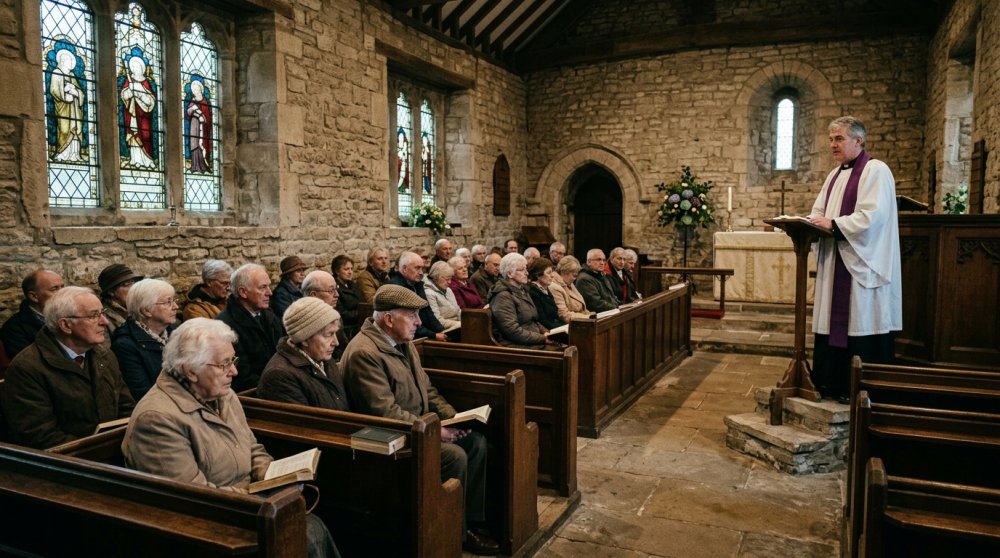
In an age marked by scandal after scandal involving powerful figures abusing their positions, it’s tempting for believers to grow discouraged. From corporate boardrooms to political offices, and tragically even within church walls, stories of exploitation and harm have become all too common. But Patrick Regan argues that this cultural moment presents Christians with a crucial opportunity for self-examination and transformation.

The pattern is unmistakable: those entrusted with authority often use it to serve themselves rather than those in their care. This betrayal of trust damages not only individual victims but undermines faith in institutions themselves. For Christians, these revelations should prompt serious reflection about how we wield whatever influence God has given us.

“We should take the opportunity to examine ourselves, and ask how we can use whatever power and influence we have to heal, not hurt,” Regan emphasizes.

This isn’t just about high-profile leaders. Every Christian exercises some form of power or influence—whether in our families, workplaces, churches, or communities. The question isn’t whether we have power, but how we use it. Do we leverage our positions to build others up, or do we subtly manipulate situations for our own benefit?

The biblical model stands in stark contrast to worldly power structures. Jesus himself, though possessing all authority, chose the path of servant leadership. He washed his disciples’ feet, touched lepers, and ultimately laid down his life. This is the pattern Christians are called to follow—using whatever influence we have not for personal gain, but for the good of others and the glory of God.

In practical terms, this means accountability. It means creating structures that prevent abuse rather than enabling it. It means listening to those with less power and taking their concerns seriously. It means choosing transparency over secrecy, and service over status.

The healing our culture desperately needs won’t come from new laws alone, though proper governance matters. Real transformation comes when people of faith model a different way—when Christians demonstrate that power and abuse don’t have to go together. We can show a watching world that authority exercised in submission to Christ looks radically different from worldly power plays.

This is our opportunity. Rather than becoming cynical or disengaged, believers can lead the way in creating cultures of accountability, protection, and genuine care. We can be the ones who use whatever influence we have—large or small—to heal wounds rather than inflict them.

The path forward requires honesty about our own temptations and blind spots. It requires humility to accept correction and wisdom to build safeguards. Most importantly, it requires daily surrender to the One who showed us that true greatness is found in service, and that the greatest power is exercised in self-giving love.

Let us know what you think, please share your thoughts in the comments below.
Continue Reading

Faith

Churches Hear Call to Step Into Growing Foster Care Crisis

Published

on

Faith Facts

  • Christian charities Home for Good and Safe Families UK are calling on British churches to address a critical shortage of foster families across the nation.
  • The organizations are urging church communities to actively support vulnerable children by becoming foster parents or supporting foster care efforts.
  • The initiative highlights the church’s historical role in caring for orphans and vulnerable children as a biblical mandate.

Christian charities across Britain are issuing an urgent call to churches to address a growing crisis in the nation’s foster care system. Home for Good and Safe Families UK are leading the charge, asking congregations to return to the biblical roots of caring for vulnerable children in need of loving homes.

The shortage of foster families has reached critical levels across the United Kingdom, leaving countless children without the stable, nurturing environments they desperately need. These Christian organizations believe the church is uniquely positioned to answer this call, drawing on a rich history of caring for orphans and the marginalized as commanded in Scripture.

“Pure religion and undefiled before God and the Father is this, To visit the fatherless and widows in their affliction,” James 1:27 reminds believers. This biblical imperative is at the heart of the campaign, which seeks to mobilize Christian families who can offer not just temporary shelter, but genuine love grounded in faith.

Home for Good has been at the forefront of encouraging churches to develop comprehensive fostering and adoption ministries. Their vision extends beyond individual families taking in children to creating entire church communities that rally around foster families with practical support, prayer, and long-term commitment.

Safe Families UK operates on a similar model, providing short-term care for children whose parents are facing temporary crises. This preventative approach keeps families together while ensuring children remain safe during difficult seasons, offering a compassionate alternative that reflects Christian values of both justice and mercy.

The organizations emphasize that churches can contribute in multiple ways beyond direct fostering. Congregations can offer respite care, provide meals, donate supplies, offer transportation, or simply befriend foster families who often feel isolated in their journey. Every act of support strengthens the network of care around vulnerable children.

Britain’s foster care crisis reflects broader cultural shifts away from traditional family structures and community support systems. As government resources stretch thin and fewer families step forward, the need for faith-based solutions grows more urgent. Churches have an opportunity to demonstrate the practical outworking of Christian love in a society hungry for authentic care.

For American Christians watching this development, the parallels are striking. The United States faces similar challenges in its foster care system, with hundreds of thousands of children awaiting permanent homes. The British example offers a model of how churches can mobilize effectively to meet this need, turning faith into action that transforms young lives.

The call goes beyond mere charity—it’s about reclaiming the church’s historic mission to be a family for the fatherless. In an age when institutional trust has eroded and government programs struggle to meet demand, communities of faith possess the relational networks, moral foundations, and long-term commitment necessary to provide genuine stability for children in crisis.

Home for Good and Safe Families UK are not asking churches to shoulder this burden alone, but to partner with existing systems while bringing the unique resources of faith communities: unconditional love, spiritual guidance, and extended family networks that can surround children with support extending far beyond a single household.

As these organizations press forward with their mission, they invite believers to prayerfully consider how God might be calling them to participate in caring for vulnerable children. Whether through direct fostering, adoption, supporting foster families, or advocating for better policies, every Christian has a role to play in ensuring no child faces the world alone.

Let us know what you think, please share your thoughts in the comments below.

Continue Reading

Faith

Why the Church Keeps Getting Prophecy Wrong

Published

on

Faith Facts

  • Christian leaders are responding inappropriately to false prophecies, undermining biblical accountability and discernment
  • Three common unhelpful reactions include silence, dismissiveness, and deflection when prophecies fail to materialize
  • Scripture calls believers to test all prophecies and hold false prophets accountable according to God’s Word

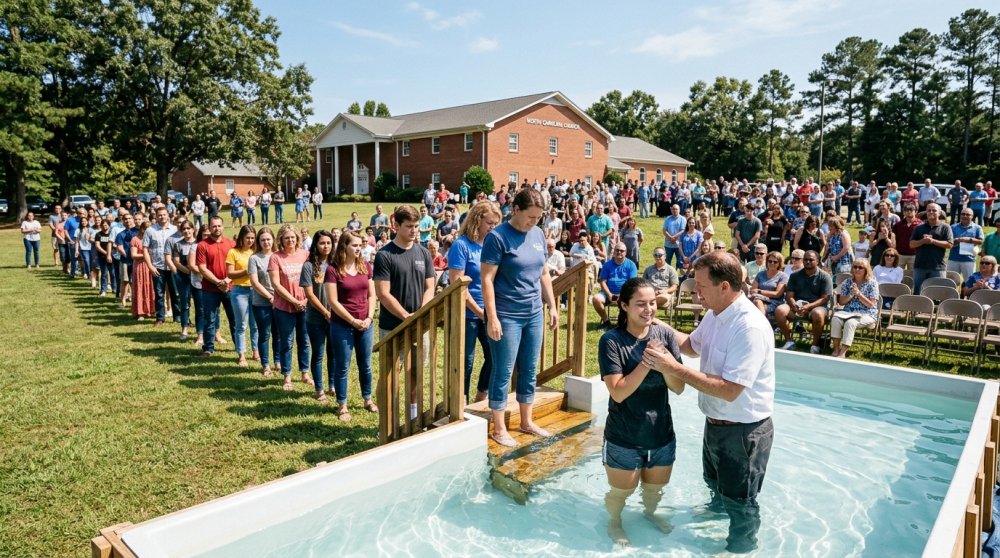
The American church faces a critical moment in how it handles failed prophecies. Too often, well-meaning believers fall into predictable patterns that undermine biblical truth and weaken the body of Christ.

Rather than applying scriptural standards, many Christians default to responses that protect false prophets while leaving congregations vulnerable to deception.

The first unhelpful response is silence. When bold predictions fail to come to pass, those who made them—and those who promoted them—often say nothing. They move on to the next message, the next conference, the next prophetic word, as if accuracy doesn’t matter.

But the Bible holds prophets to a strict standard of truthfulness. Deuteronomy 18:22 makes it clear: if a prophet speaks in the Lord’s name and it doesn’t happen, that word did not come from God.

The second problematic response is dismissiveness—treating failed prophecies as minor mistakes or learning opportunities. This attitude minimizes the seriousness of speaking presumptuously in God’s name.

When leaders claim divine authority for their words, accuracy isn’t optional. God’s reputation is at stake every time someone claims to speak on His behalf.

The third unhelpful pattern is deflection. Some respond to failed prophecies by attacking those who ask for accountability, labeling discernment as divisiveness or legalism. This defensive posture protects the institution rather than the truth.

Jesus warned repeatedly about false prophets. Paul instructed the Thessalonians to test everything and hold fast to what is good. Discernment isn’t unloving—it’s obedient.

American Christians must return to biblical standards for prophecy. This means expecting accuracy, requiring repentance when predictions fail, and prioritizing God’s Word over personal platforms or reputations. The integrity of the church’s witness depends on it.

Faithful believers honor God by upholding truth, even when it’s uncomfortable. The alternative is a church weakened by compromise, where emotional experiences replace biblical authority and feelings trump facts.

Our nation needs a church grounded in Scripture, not swayed by every wind of doctrine or claim of special revelation. Testing prophecies isn’t cynicism—it’s faithfulness to the God who is truth itself.

Let us know what you think, please share your thoughts in the comments below.
Continue Reading

Trending