
News
Brendan Fraser Reveals What Drew Him to Playing a President Who Prayed

Faith Facts
- Brendan Fraser stars as President Dwight Eisenhower in the new film “Pressure,” exploring the critical D-Day decision
- Fraser expressed deep respect for Eisenhower’s selfless leadership during one of history’s most consequential moments
- The film highlights the moral weight carried by leaders making decisions that affected millions of lives during World War II
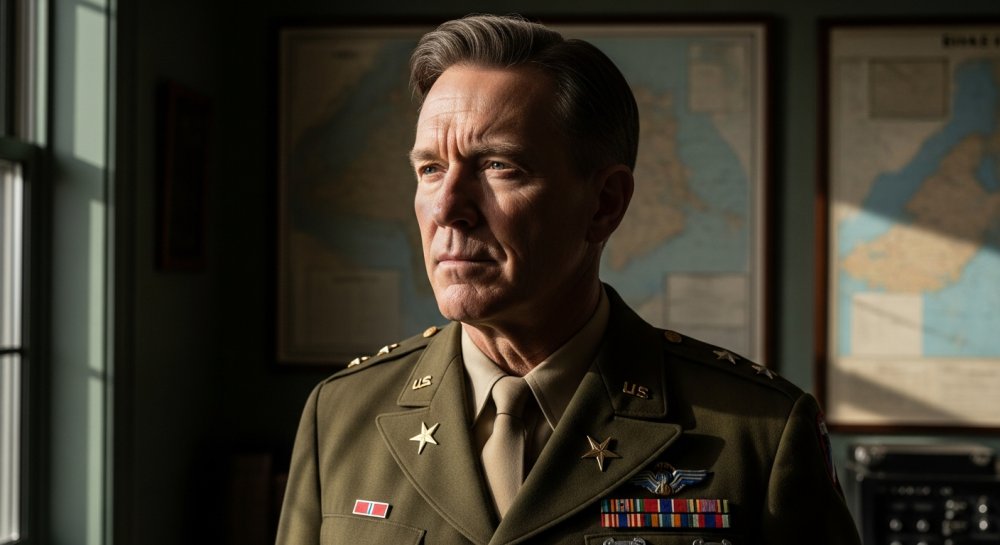
Academy Award-winning actor Brendan Fraser is opening up about his latest role portraying one of America’s most consequential leaders. In the new film “Pressure,” Fraser takes on the role of President Dwight D. Eisenhower during the critical hours leading up to the D-Day invasion.
The film explores the immense burden Eisenhower carried as Supreme Commander of Allied Forces in Europe. Fraser has shared that his portrayal focuses on the former president’s character traits that made him an exceptional leader during America’s darkest hours.
Fraser spoke about what drew him to the role, emphasizing Eisenhower’s selflessness and moral courage. The actor expressed profound respect for how Eisenhower handled decisions that would determine the fate of thousands of young American soldiers and the outcome of World War II.
“Pressure” examines the 72 hours before the Allied invasion of Normandy on June 6, 1944. The film showcases the enormous weight of responsibility Eisenhower bore as he consulted with meteorologists and military advisors while making decisions that would shape world history.
Eisenhower’s leadership during World War II exemplified the kind of servant leadership rooted in traditional American values. His willingness to shoulder responsibility for the lives of others reflected a deeply held sense of duty that resonated with the faith and patriotism of the Greatest Generation.
Fraser’s commitment to portraying this historical figure authentically demonstrates Hollywood’s occasional willingness to celebrate American heroes who embodied courage, sacrifice, and moral clarity. The film arrives at a time when many Americans are hungry for stories that remind us of the values that made our nation great.
The D-Day invasion remains one of the most pivotal moments in American and world history. Eisenhower’s leadership during this operation saved Western civilization from tyranny and preserved the freedoms we enjoy today.
By taking on this role, Fraser joins a tradition of actors who have brought America’s greatest leaders to life on screen. His respect for Eisenhower’s character and leadership offers a refreshing contrast to the cynicism often directed at American historical figures in contemporary entertainment.
Let us know what you think, please share your thoughts in the comments below.

Faith Facts
- The Texas city council denied a permit for an LGBT pride event at a local Episcopal church.
- The same event received approval and took place one year earlier.
- Local officials exercised their authority to uphold community standards on public property use.
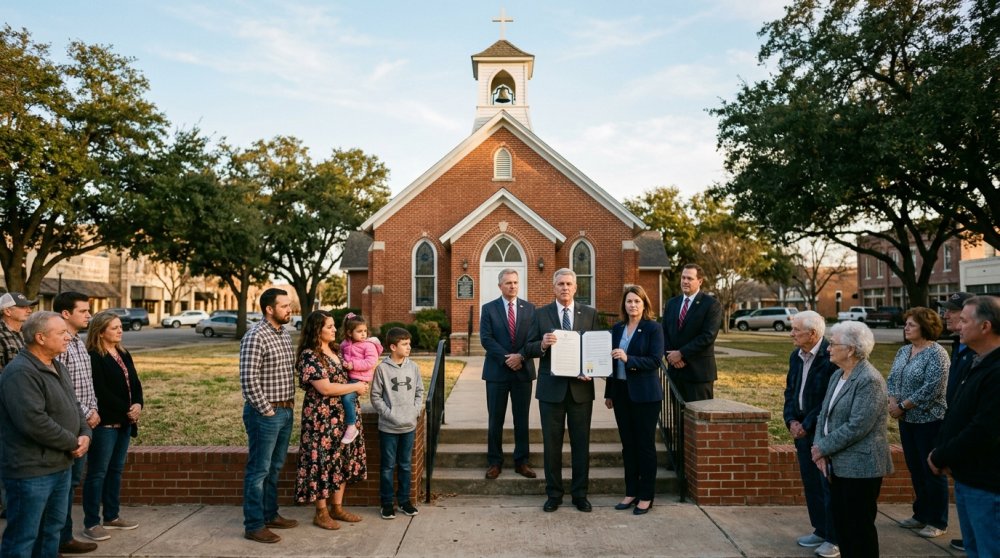
City leaders in Texas made a clear decision Tuesday when they refused a permit for an LGBT pride event scheduled at a local Episcopal church. The ruling came just one year after the same gathering was allowed to proceed.
Officials weighed the request against the city’s broader responsibility to protect the character and values of the community. Their action reflects the growing tension between traditional faith-based institutions and efforts to host events that many residents view as contrary to biblical teaching.
“We are called to stand for truth in love, even when culture pushes a different direction,”
Local pastors and concerned citizens voiced strong support for the council’s decision. They see the outcome as a necessary defense of religious liberty and the right of communities to set boundaries on public activities held on or near church grounds.
Supporters of the permit argued that the church property should remain open to all groups regardless of message. City leaders countered that approving the event would place an official stamp of approval on activities many families find morally objectionable.
“Our children deserve spaces that reinforce the values we teach at home and in church,”
The vote underscores a wider national debate over whether local governments should facilitate events that conflict with the historic Christian witness of houses of worship. Texas officials chose to prioritize the convictions of their constituents over external cultural pressure.
Churches across the country continue to navigate similar challenges as activist groups seek access to sacred spaces for events that promote lifestyles Scripture identifies as contrary to God’s design for human sexuality and family.
Let us know what you think, please share your thoughts in the comments below.

Faith Facts
- The Church of England revoked an interfaith award from a Muslim cleric after his past praise for Osama bin Laden was revealed.
- The decision reflects the importance of upholding Christian principles when engaging with other faiths.
- Faith leaders continue to stress that true interfaith work must rest on truth and shared moral foundations.
The Church of England has taken swift action to rescind an interfaith award after it came to light that the recipient had praised Osama bin Laden.
Church officials acted once the cleric’s earlier statements resurfaced, underscoring that honors must align with Christian convictions.
“The award has been withdrawn,” a Church spokesperson confirmed, emphasizing that the decision followed careful review of the cleric’s remarks.
The incident serves as a reminder that genuine dialogue between faiths cannot overlook fundamental differences in values.
“We must stand for truth even when it is uncomfortable,” another church leader stated.
Let us know what you think, please share your thoughts in the comments below.
Faith Facts
- Christian legal professionals in Pakistan face ongoing persecution for their faith and advocacy work
- The couple’s re-arrest highlights the struggle for religious freedom in nations hostile to Christianity
- Believers worldwide are called to pray for persecuted Christians serving in dangerous legal environments
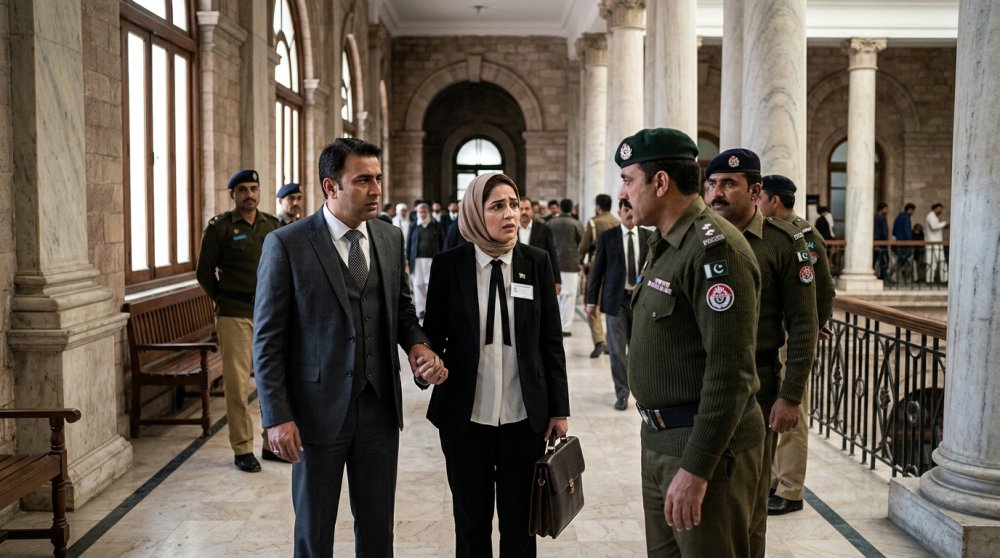
Leading human rights lawyers Imaan Zainab Mazari-Hazir and her husband, Hadi Ali Chattha, were re-arrested by Pakistani authorities just hours after the country’s Supreme Court suspended their prison sentences and granted them bail.
The couple had been imprisoned over controversial social media posts, drawing international attention to Pakistan’s handling of legal cases involving outspoken advocates.
“The Supreme Court had ordered their immediate release,” sources familiar with the case confirmed.
The timing of the re-arrest has raised serious questions about whether Pakistani authorities are respecting judicial decisions when they involve cases with religious and political implications.
“This action undermines the authority of the highest court in Pakistan,” legal observers noted.
The couple’s case reflects the broader challenges faced by Christians and other religious minorities seeking justice within Pakistan’s legal system.
Let us know what you think, please share your thoughts in the comments below.


-

 Self-Reliance1 year ago
Trump’s Bold Move Uncovers Massive Social Security Fraud
-

 Faith1 year ago
New Clues Emerge in Noah’s Ark Mystery
-

 News2 years ago
Governor Walz’s Rhetoric Sparks National Controversy
-

 News1 year ago
Mel Gibson’s ‘The Passion of the Christ’ Sequel Title Announced
-

 Family1 year ago
Texas Lawmaker Targets Furries in Schools
-

 Freedom1 year ago
Maine Lawmaker Challenges Sports Fairness Controversy
-

 Family1 year ago
Canada’s Controversial Policy Sparks Ethical Debate
-
Faith10 months ago
Congress Hears Pleas for Nigerian Christians