
Faith
Bishops Challenge Law Threatening Confessional Confidentiality

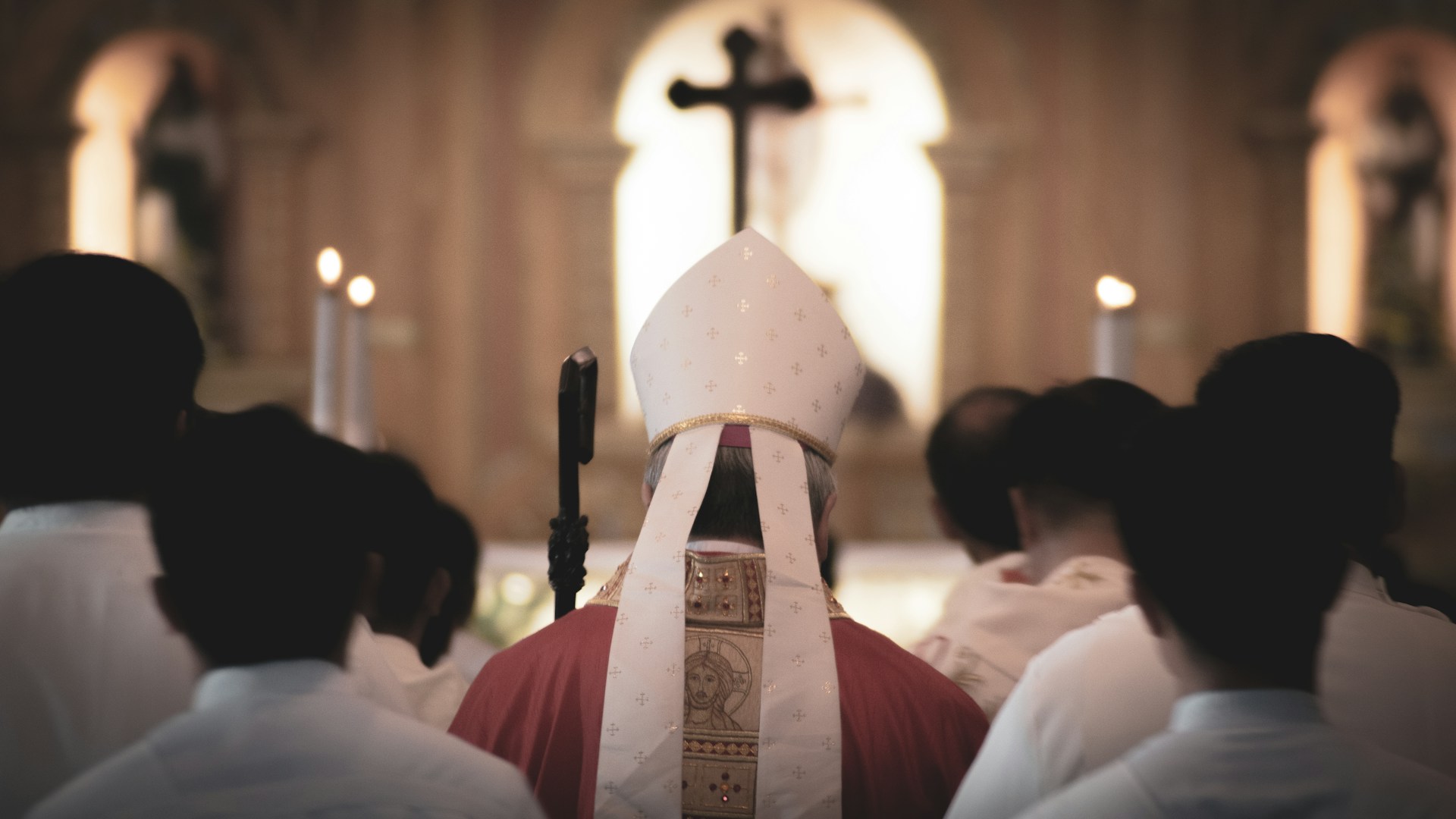
In a bold move to protect religious liberty and uphold the sanctity of the confessional seal, Roman Catholic bishops in Washington state are taking a stand against a new law that threatens to undermine core tenets of their faith. The bishops, representing the Archdiocese of Seattle and the Dioceses of Spokane and Yakima, have filed a lawsuit challenging Senate Bill 5375, which they argue is a direct affront to their First Amendment rights.
This legislation, signed into law by Democratic Governor Bob Ferguson, mandates clergy to report instances of child abuse or neglect to law enforcement, even if the information is obtained through privileged communication during confession. This is a clear violation of the sacred trust between a penitent and a priest, a trust that is foundational to the Catholic faith.
“The sacramental seal is inviolable,” states the Catholic Church’s Code of Canon Law, emphasizing the absolute confidentiality required in the sacrament of confession. The new law, set to take effect on July 27, would strip away this protection, leaving clergy with a difficult choice between adhering to their religious convictions or complying with state demands.
The lawsuit, filed in the U.S. District Court for the Western District of Washington, highlights the discriminatory nature of the law. While other privileged communications, such as those between attorney and client or physician and patient, remain protected, clergy are singled out. This raises serious concerns about the targeting of religious practices, a sentiment echoed in the complaint, which describes the measure as “a blatant intrusion into the free exercise of the Roman Catholic faith.”
Catholic leaders have reassured their congregations of their unwavering commitment to the confessional seal, even at the risk of imprisonment. Yet, the lawsuit warns of the chilling effect this law could have on the faithful. “Knowing that the inviolability of the sacramental seal is threatened…penitents may refuse to confess all their sins in confession or refuse to seek the sacrament of confession at all,” the complaint states. Such a scenario endangers the spiritual well-being of believers, potentially separating them from God’s grace.
The U.S. Department of Justice’s Civil Rights Division has also taken note, launching an investigation into the law’s development and passage. The DOJ’s scrutiny underscores the potential constitutional violations inherent in the legislation, aligning with the bishops’ assertion that the law contravenes both state and federal constitutional protections.
Despite support from secular organizations arguing that the law addresses a “dangerous loophole,” the fundamental issue remains: the preservation of religious freedom. As some claim, “The government has a compelling interest in protecting children from abuse,” yet this must not come at the expense of religious liberties enshrined in the Constitution.
In a nation founded on principles of faith and freedom, it is imperative to uphold the rights of individuals to practice their religion without interference. The Catholic bishops’ lawsuit is a crucial reminder of the need to protect the moral and spiritual fabric of our society, ensuring that faith, family, and freedom remain at the forefront of American values.
Let us know what you think, please share your thoughts in the comments below.


Faith Facts
- Vice President JD Vance led rally attendees in reciting the Lord’s Prayer when a woman collapsed nearby.
- The moment highlighted the continued presence of Christian faith in American public life and political gatherings.
- Vance personally left the stage to check on the woman after leading the prayer.
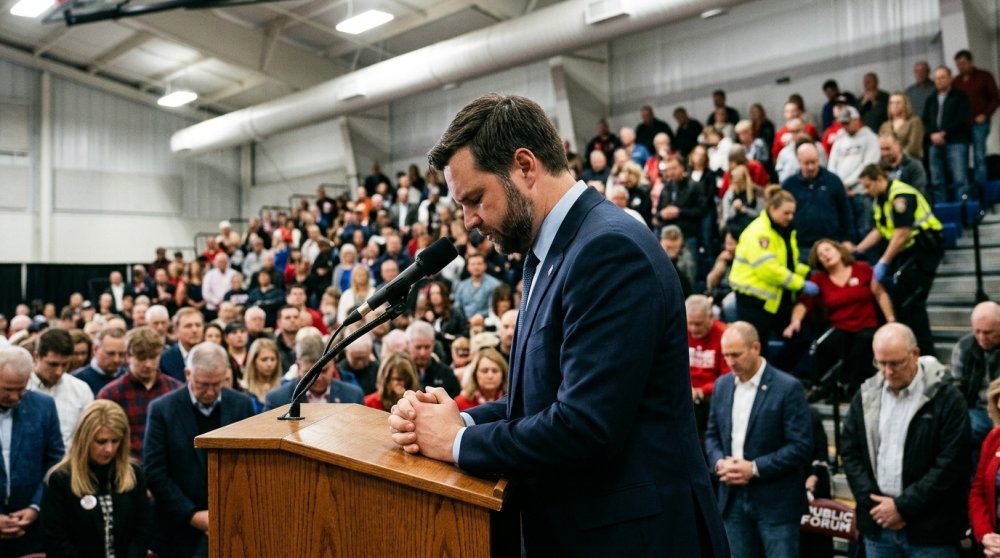
Vice President JD Vance paused a Nebraska campaign rally to lead the crowd in the Lord’s Prayer after a woman collapsed in the audience.
The incident took place during a live event where Vance addressed supporters and addressed policy issues.
“Pray as the Lord taught us to pray,” Vance said before leading the audience in the traditional prayer.
After finishing the prayer, Vance stepped down from the stage and made his way into the stands to personally check on the woman who had collapsed.
The spontaneous act of faith and compassion drew praise from attendees who witnessed the moment.
Let us know what you think, please share your thoughts in the comments below.
Faith Facts
- Oxford mathematician and Christian apologist Professor John Lennox encourages believers to share their faith with confidence.
- Lennox stresses that evangelism is not reserved only for preachers, theologians, or those with extensive biblical knowledge.
- Every Christian is called to be a witness for Christ in daily life.
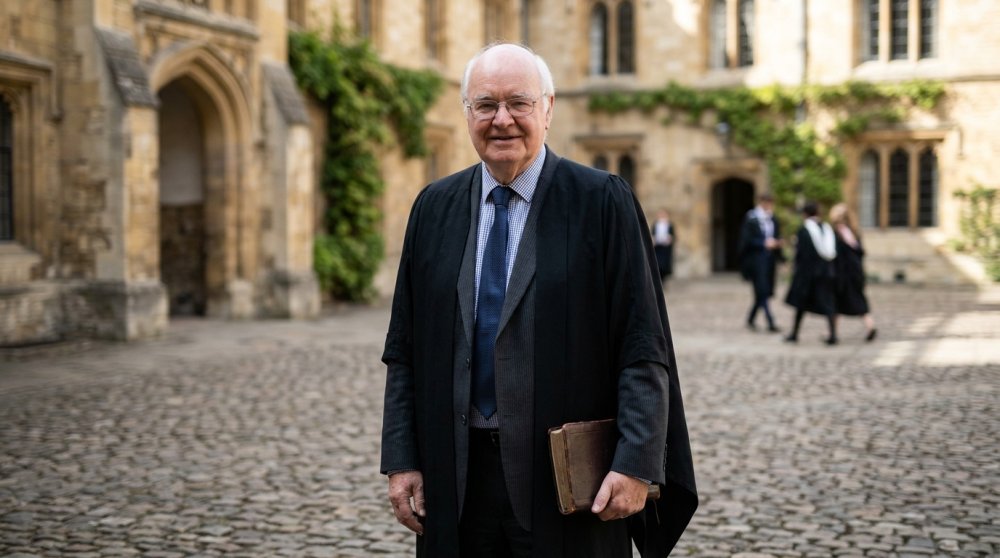
Oxford mathematician and Christian apologist Professor John Lennox is urging believers everywhere to share their faith with greater boldness and confidence. He reminds Christians that the call to witness is not limited to pastors or scholars but belongs to every follower of Christ.
“We’re all called to be witnesses,” Lennox declares. This simple truth challenges the idea that only trained experts can effectively share the gospel.
Professor Lennox emphasizes that evangelism is not about having every theological answer or delivering polished sermons. Instead, it is about living out and speaking the truth of Christ wherever God places His people.
His words come as a timely encouragement to Christians who may feel hesitant or unqualified to speak about their faith. Lennox points to the biblical calling that every believer is a witness, empowered by the Holy Spirit to share the hope within them.
Let us know what you think, please share your thoughts in the comments below.
Faith Facts
- At least seven Christians were killed in a targeted attack on a Greek Orthodox funeral service in Jordan.
- The assault occurred at a church known for peaceful worship and interfaith coexistence in the region.
- The attack highlights the ongoing threat of Islamic extremism to Christian communities worldwide.
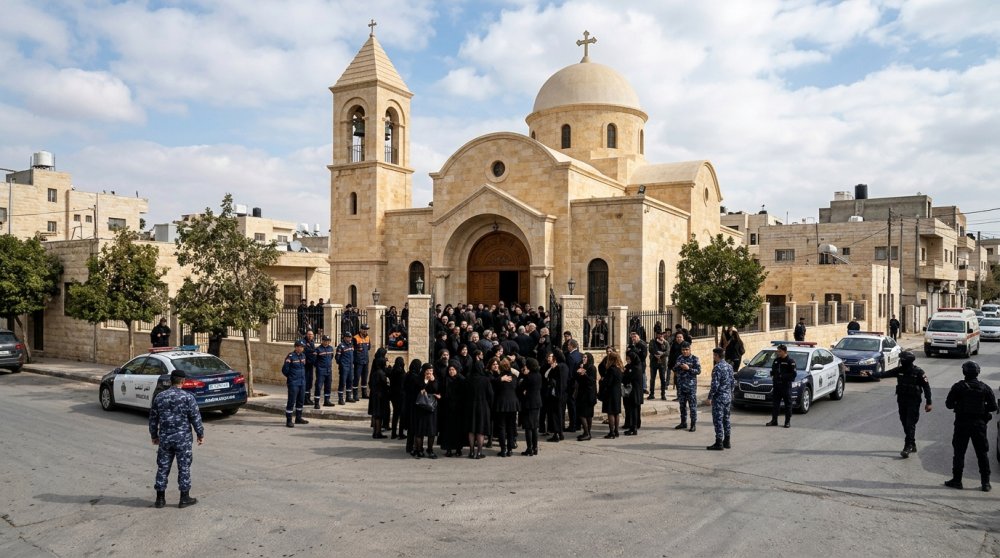
In a rare attack in a country known for peaceful inter-faith coexistence, suspected Islamic extremists attacked a funeral at a Greek Orthodox church in Jordan on Friday (Oct. 23), shooting at least seven people to death and wounding 28 others, according to reports.
The violence interrupted a sacred time of mourning and remembrance, striking at the heart of a Christian community gathered in faith.
Let us know what you think, please share your thoughts in the comments below.


-

 Self-Reliance2 years ago
Trump’s Bold Move Uncovers Massive Social Security Fraud
-

 Faith2 years ago
New Clues Emerge in Noah’s Ark Mystery
-

 News2 years ago
Governor Walz’s Rhetoric Sparks National Controversy
-

 News2 years ago
Mel Gibson’s ‘The Passion of the Christ’ Sequel Title Announced
-

 Family2 years ago
Texas Lawmaker Targets Furries in Schools
-

 Freedom2 years ago
Maine Lawmaker Challenges Sports Fairness Controversy
-

 Family1 year ago
Canada’s Controversial Policy Sparks Ethical Debate
-
Faith11 months ago
Congress Hears Pleas for Nigerian Christians