
Faith
Bible-Based Gate Zero Game Gains New Backing

Faith Facts
- Templar Media has acquired Bible X, securing the future of the Bible-inspired video game Gate Zero.
- The game aims to reach Gen Z and Gen Alpha by bringing Bible stories to life in a historical, interactive world.
- Gate Zero’s development reflects rising engagement with Christian themes in modern gaming.
Templar Media, an Atlanta-based publisher, has acquired Bible X to ensure long-term development and expansion of the highly anticipated Gate Zero video game.
This action-adventure game incorporates biblical events and truths, seeking to introduce a new generation to Scripture through immersive play.
“Gate Zero is a historical, semi open-world action-adventure with sci-fi elements, set in a dystopian future where a ruthless global regime is the sole arbiter of truth,” according to Templar Media.
John Gibson, CEO of Templar Media, sees this stewardship of Gate Zero as an opportunity to serve a vast, values-driven audience hungry for meaningful entertainment.
Arve Solli, studio head of Bible X, affirmed that expanded resources will help the team realize its original vision of bringing people into the story of the Bible in a unique and powerful way.
Gate Zero is aimed at young people worldwide and inspired by the demand for high-quality, faith-infused media content.
Solli highlighted the project’s origins, noting it started as an engaging, interactive experience for youth groups to explore Scripture together.
Game testing was conducted with thousands of young players, providing lessons that informed game enhancements and new single-player features.
The game allows players to experience pivotal events in biblical history realistically, helping them connect faith and learning in a dynamic way.


Faith Facts
- King Charles III now describes himself as protecting “the space for Faith” within a “multi-faith nation” rather than defending the Christian faith exclusively
- This language marks a departure from the traditional British monarch’s role as Defender of the Faith and Supreme Governor of the Church of England
- The new wording suggests equal validation of all religions, raising concerns among Christians about the erosion of Britain’s Christian heritage
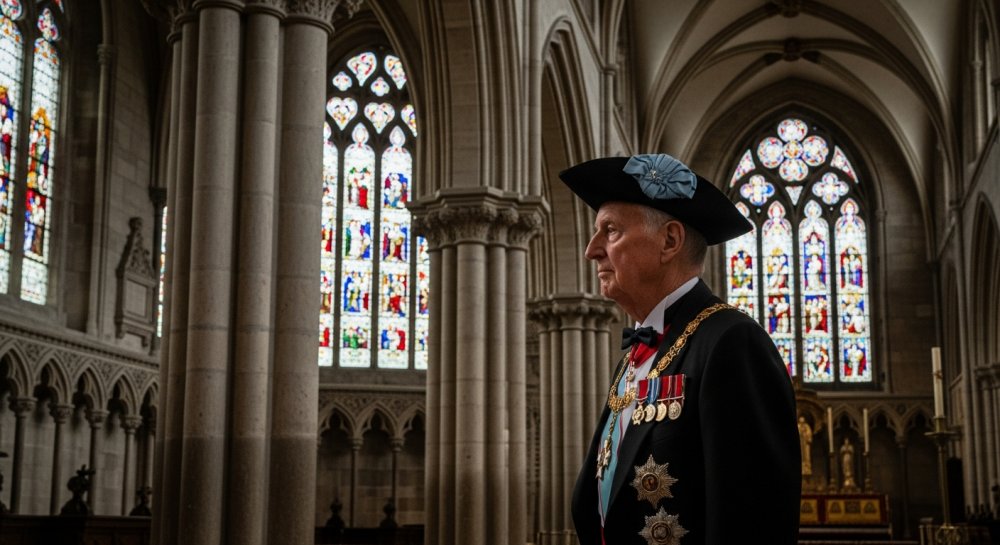
A troubling development has emerged from the British Crown’s latest annual report. King Charles III’s described role as “Supreme Governor of the Church of England” now includes “protecting the space for Faith within the multi-faith nation,” signaling a significant departure from centuries of Christian tradition.
The language shift documented in “The Sovereign Grant” annual report reveals more than mere word choice. It represents a fundamental reimagining of the monarchy’s relationship with Christianity and Britain’s spiritual foundation.
Traditionally, British monarchs have served as Defender of the Faith—specifically the Christian faith as expressed through the Church of England. This new formulation appears to place all faiths on equal footing, a position that contradicts biblical teaching about the exclusivity of Christ as the way to salvation.
For Christians who understand that Jesus declared “I am the way and the truth and the life. No one comes to the Father except through me” (John 14:6), this shift raises serious concerns. The idea that a monarch sworn to uphold Christianity would validate competing religious systems represents a troubling compromise with biblical truth.
Britain’s Christian heritage has shaped Western civilization for centuries, influencing law, culture, and governance throughout the English-speaking world. The weakening of this foundation in favor of religious pluralism reflects broader cultural trends that have seen Christian values increasingly marginalized in public life.
The monarchy’s evolution mirrors challenges facing Christians across the Western world as traditional institutions retreat from their Christian moorings. This development serves as a reminder that cultural Christianity—without genuine faith and biblical conviction—cannot withstand the pressures of secular multiculturalism.
American Christians should take note of this development. It illustrates how quickly historic Christian institutions can compromise foundational principles when cultural pressure mounts. The preservation of our own nation’s Christian heritage requires vigilance and commitment to biblical truth over cultural accommodation.
Let us know what you think, please share your thoughts in the comments below.
Faith Facts
- Egyptian Christian convert Saeid Mansour Abdulraziq has been detained nearly one year on terrorism charges for his faith conversion
- The Cairo court postponed his trial after refusing to hear prosecution witness testimony despite previously ordering it
- Religious freedom advocates report escalating persecution of Christians and converts in Egypt
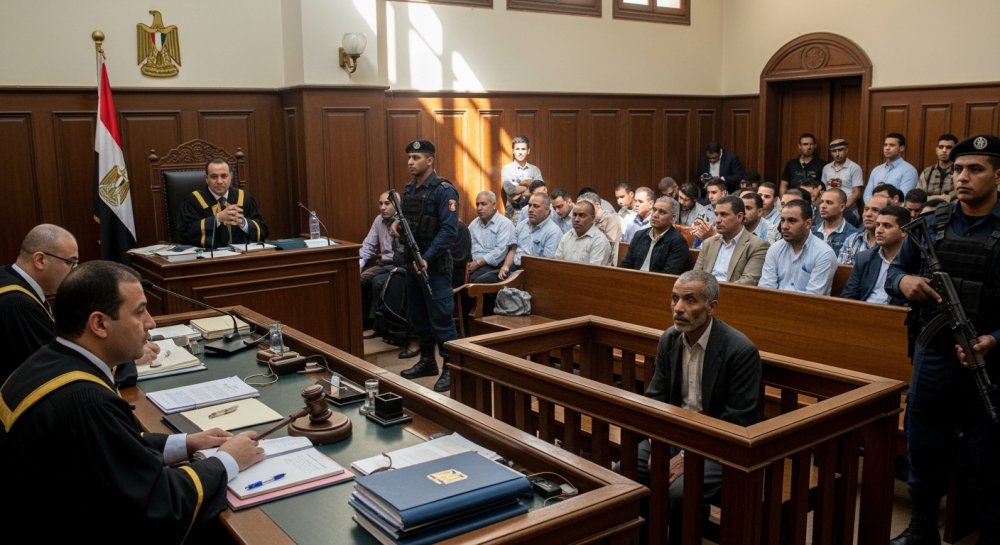
An Egyptian court has delayed the trial of a Christian convert accused of terrorism, leaving him imprisoned for almost a year without resolution. Saeid Mansour Abdulraziq faces charges that include joining a terrorist organization — allegations tied directly to his decision to leave Islam and embrace Christianity.
The Cairo court recently postponed proceedings after declining to take testimony from prosecution witnesses, despite having previously ordered such testimony. The delay continues a pattern that has kept Abdulraziq behind bars without a fair hearing since his detention began nearly 12 months ago.
The case highlights the dangerous reality for religious converts in Egypt, where changing one’s faith from Islam to Christianity can trigger severe legal and social consequences. Egyptian authorities have increasingly used broad terrorism statutes to target individuals whose only “crime” is exercising their God-given right to worship according to their conscience.
For Christians and advocates of religious liberty, Abdulraziq’s prolonged detention represents a troubling example of how governments suppress freedom of worship under the guise of national security. The right to freely practice one’s faith stands as a cornerstone of human dignity — a principle American Christians have long championed both at home and abroad.
The judicial delays raise serious questions about Egypt’s commitment to fair trial standards and religious freedom protections. International observers note that such cases often involve extended pretrial detention, with courts slow-walking proceedings while defendants languish in custody.
Egypt’s Christian minority, which comprises roughly 10% of the population, faces ongoing discrimination and periodic violence. Converts from Islam encounter particular hostility, as Islamic law traditionally forbids apostasy and some interpretations call for severe punishment.
The treatment of Abdulraziq serves as a stark reminder that religious persecution remains a pressing global crisis requiring sustained attention from the international community. American policymakers and faith leaders must continue pressing for the release of prisoners of conscience and accountability for nations that criminalize religious conversion.
As believers who cherish the freedom to worship openly, American Christians have a responsibility to stand with brothers and sisters facing persecution worldwide. Prayer, advocacy, and diplomatic pressure all play vital roles in defending those imprisoned for their faith.
Let us know what you think, please share your thoughts in the comments below.
Faith Facts
- Labour politician Andy Burnham identifies as Catholic but supports policies contradicting Church doctrine, including puberty blockers for transgender youth and assisted suicide.
- Burnham has championed conversion therapy bans that Christian leaders warn could criminalize prayer and pastoral counsel.
- His political positions reflect a growing tension between professed faith identity and policy advocacy among Western politicians.
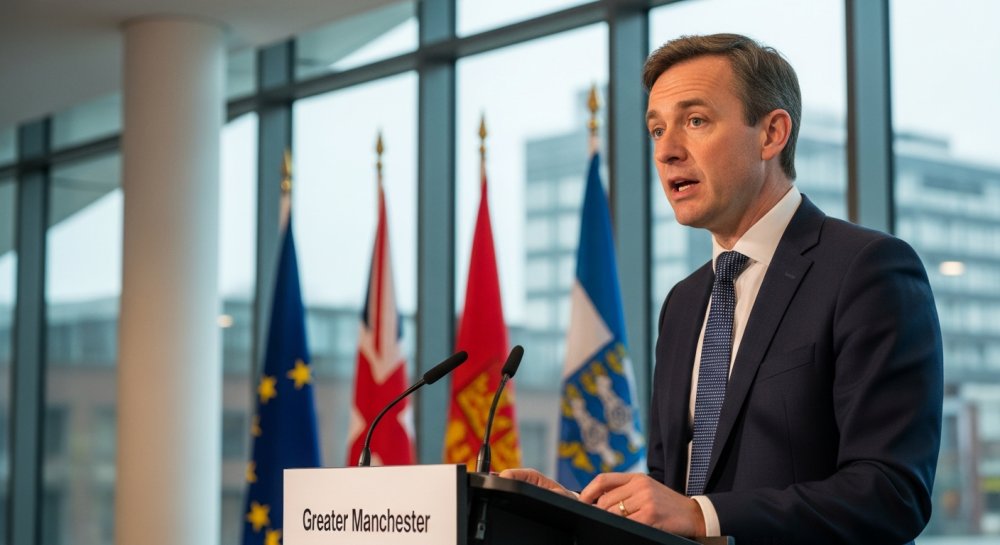
Andy Burnham, the Greater Manchester Mayor positioning himself for national leadership, presents a familiar paradox in modern politics: a self-identified Catholic whose policy positions directly contradict core teachings of his professed faith. For Christian voters seeking leaders who will defend religious freedom and uphold biblical values, this gap between personal religious identity and public action demands careful scrutiny.
Burnham’s Catholic upbringing is part of his public biography. Yet his political record reveals consistent advocacy for positions the Catholic Church—and broader Christian orthodoxy—firmly opposes.
On the issue of gender ideology, Burnham has championed the use of puberty blockers for transgender-identified adolescents, even as evidence mounts about their harmful effects. These experimental drugs, which halt normal physical development during a critical life stage, have been restricted or banned in multiple European countries after medical reviews found insufficient evidence of benefit and significant risks of harm. Christian teaching affirms the goodness of God’s design in creating humans male and female, and opposes medical interventions that deny biological reality and potentially sterilize children.
Burnham has also expressed sympathy for assisted dying legislation, a practice fundamentally at odds with Christian reverence for the sanctity of human life from conception to natural death. The Catholic Church teaches that euthanasia is “morally unacceptable” and represents a rejection of God’s sovereignty over life and death. Yet Burnham’s openness to legalizing physician-assisted suicide signals a willingness to prioritize political expediency over doctrine.
Perhaps most troubling for religious freedom is Burnham’s support for conversion therapy bans. While couched in language about protecting vulnerable people, such legislation threatens to criminalize ordinary pastoral care, parental guidance, and prayer ministry. Christian leaders across denominations have warned that these laws would effectively ban biblical teaching on sexuality and gender, making it illegal for pastors to help congregation members seeking to align their lives with scripture.
The pattern is clear: Burnham invokes his Catholic identity when convenient, yet consistently advances a progressive agenda that undermines Christian ethics in law and public policy.
This disconnect matters profoundly for Americans watching similar dynamics unfold domestically. Politicians who identify as Christian while championing policies that attack religious liberty, redefine marriage and family, promote abortion, or advance radical gender ideology must be held accountable. Faith is not merely a cultural label or demographic checkbox—it should inform moral reasoning and policy positions.
Christian voters have a responsibility to evaluate leaders not by their religious self-identification but by their fruits. Does their legislative record protect life, defend biblical marriage, safeguard parental rights, and preserve religious freedom? Or does it advance secular ideologies incompatible with Christian teaching?
Burnham’s trajectory illustrates a broader challenge facing the church in Western democracies: the rise of nominal Christianity divorced from theological substance or ethical consistency. As cultural Christians hold positions of power, they may invoke religious heritage while simultaneously enacting policies that erode the very foundations of faith and freedom.
For those committed to preserving a Christian foundation in public life, the lesson is clear. We must look beyond labels to examine actual policy commitments. We must demand that those who claim Christian faith demonstrate it through defending biblical values in the public square. And we must be willing to hold politicians accountable when their actions contradict their professed beliefs.
The stakes are too high for anything less. Religious freedom, the protection of children, the sanctity of life, and the integrity of marriage and family all hang in the balance. Politicians like Burnham who claim Christian identity while advancing an anti-Christian agenda must be called to account—or replaced by leaders who will faithfully uphold the values they profess.
Let us know what you think, please share your thoughts in the comments below.


-

 Self-Reliance1 year ago
Trump’s Bold Move Uncovers Massive Social Security Fraud
-

 Faith1 year ago
New Clues Emerge in Noah’s Ark Mystery
-

 News1 year ago
Governor Walz’s Rhetoric Sparks National Controversy
-

 News1 year ago
Mel Gibson’s ‘The Passion of the Christ’ Sequel Title Announced
-

 Family1 year ago
Texas Lawmaker Targets Furries in Schools
-

 Freedom1 year ago
Maine Lawmaker Challenges Sports Fairness Controversy
-

 Family1 year ago
Canada’s Controversial Policy Sparks Ethical Debate
-
Faith7 months ago
Congress Hears Pleas for Nigerian Christians