
Faith
BBC’s Portrait of Christianity Reveals Deeper Problem in Modern Media

Faith Facts
- BBC’s portrayal of Christian clergy has shifted from comedic caricatures to dramatic stereotypes, yet still fails to capture authentic faith
- Recent controversy over The Archers highlights ongoing tension between mainstream media and religious programming
- Entertainment industry’s representation of Christians reflects broader cultural disconnect with traditional religious values
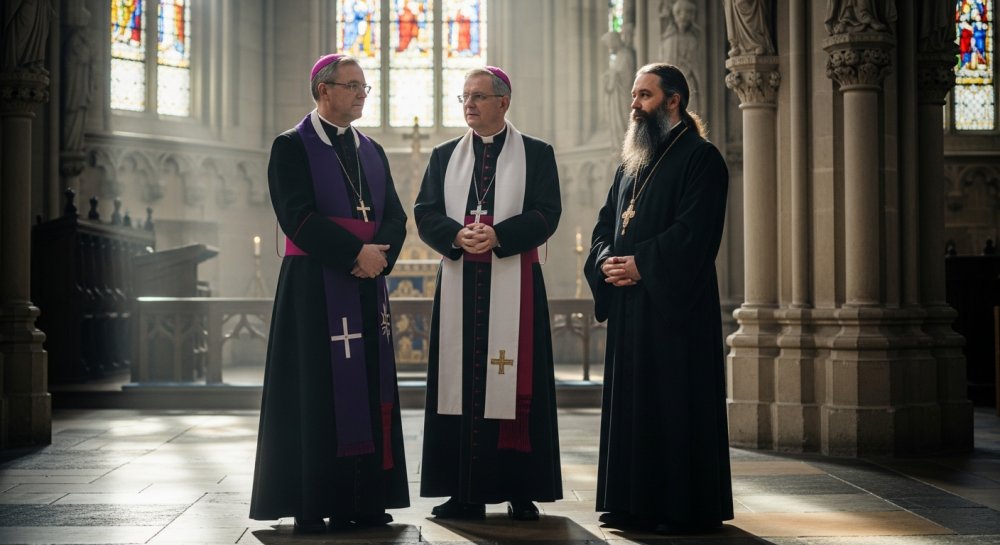
The British Broadcasting Corporation’s relationship with Christianity has long been complicated, marked by a persistent inability to authentically represent people of faith. A recent controversy surrounding the long-running radio drama The Archers has brought this troubled dynamic back into focus, revealing how little progress has been made despite decades of supposed evolution.
The claim that an archbishop complained about The Archers’ portrayal of religious characters is dubious at best. But the controversy itself speaks to a larger truth: the BBC, like much of modern media, fundamentally misunderstands what drives Christians and how they live their faith in daily life.
For years, Christian clergy on BBC programming were relegated to the role of bumbling fools—harmless, ineffectual figures of gentle mockery. The stereotype of the confused, socially awkward vicar became a staple of British comedy, perpetuating the notion that serious religious faith was incompatible with intelligence or competence. This characterization served to diminish Christianity’s intellectual and moral authority in the public square.
In recent years, the pendulum has swung in a different direction. Now the BBC opts for what might be called the “sexy priest” trope—clergy members portrayed as tortured, morally conflicted figures wrestling with desires that stand in tension with their vows. While this approach may generate dramatic tension, it still fails to capture the authentic experience of Christian ministry.
The entertainment industry’s struggle to portray Christianity accurately reflects a broader cultural divide. Writers and producers who lack personal understanding of faith often resort to stereotypes—either making clergy figures of fun or turning them into vessels for exploring doubt and moral compromise. Missing from these portrayals is the lived reality of millions: people whose faith provides meaning, purpose, and moral clarity in their daily lives.
This disconnect matters because media representation shapes public perception. When the primary images of Christianity available in popular culture are either ridicule or dysfunction, it becomes harder for genuine faith to be taken seriously in civic discourse. The mockery or sexualization of religious figures sends a message that traditional Christian values are either quaint relics or hypocritical facades.
American Christians can relate to similar struggles with media representation. Hollywood and mainstream networks often portray believers as judgmental villains or simpletons, rarely depicting the depth, compassion, and intellectual rigor that characterize authentic Christian communities. The problem isn’t that media should serve as propaganda for Christianity—it’s that honest, fair representation seems perpetually out of reach.
The solution isn’t to demand that broadcasters create sanitized, unrealistic versions of religious life. Christians, like all people, struggle with sin and doubt. Clergy members are human beings with flaws and failings. Honest storytelling can and should reflect these realities.
What’s missing is respect—a willingness to understand Christianity on its own terms rather than filtering it through secular assumptions about what religious people must really be like. The best religious programming doesn’t shy away from complexity or conflict, but it approaches faith with the seriousness and depth it deserves.
The BBC’s evolution from bumbling vicars to conflicted priests represents change without understanding. Until media institutions make genuine efforts to comprehend what animates people of faith—what they believe, why they believe it, and how it shapes their lives—their portrayals will continue to miss the mark. For Christians committed to sharing their faith in an increasingly secular culture, this ongoing misrepresentation presents both a challenge and an opportunity to tell their own stories more effectively.
Let us know what you think, please share your thoughts in the comments below.

Faith Facts
- Dylan Mandell, a Christian social media influencer, has received his fourth cancer diagnosis in four years.
- Mandell publicly declares he is standing on God’s promise of long life despite the repeated health trials.
- The influencer’s testimony highlights unwavering faith and reliance on Scripture amid suffering.
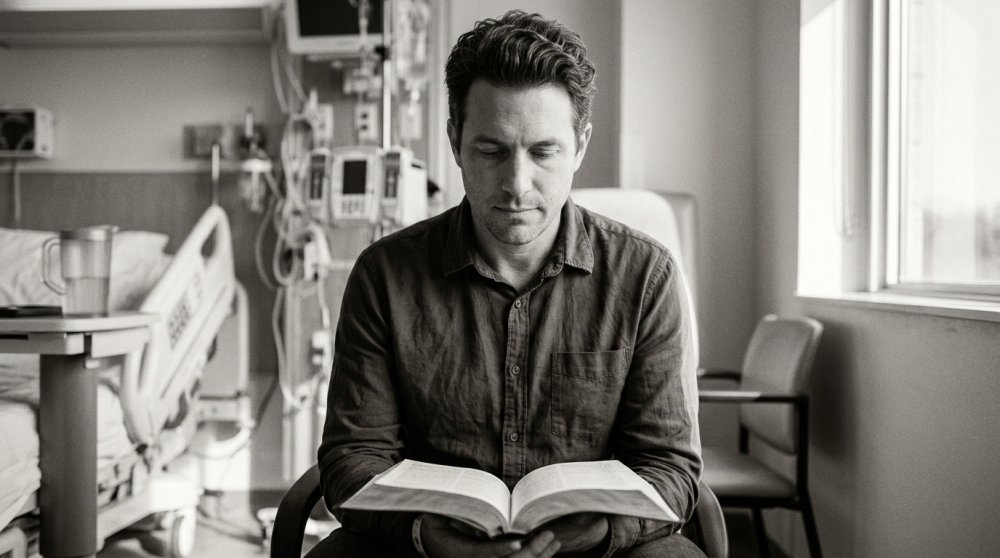
Christian social media influencer Dylan Mandell has been diagnosed with cancer for the fourth time in four years. Yet he refuses to let fear define his story. Instead, he is clinging to the biblical promise of long life.
“I am holding on to God’s promise of long life,” Mandell said. The statement reflects his determination to trust Scripture even when circumstances appear grim.
Family, friends, and followers have rallied around Mandell as he faces this latest battle. His transparency about his health has encouraged many believers to strengthen their own faith during trials.
Through every diagnosis, Mandell has pointed others back to the Word of God. He continues to share messages of hope grounded in Scripture rather than statistics.
Let us know what you think, please share your thoughts in the comments below.
Faith Facts
- Frank Turek continues sharing the Gospel on college campuses despite the trauma of witnessing Charlie Kirk’s assassination.
- Turek credits his faith in Christ for helping him process the violence and remain committed to truth.
- The Christian apologist warns that America is engaged in a spiritual battle over reality itself.
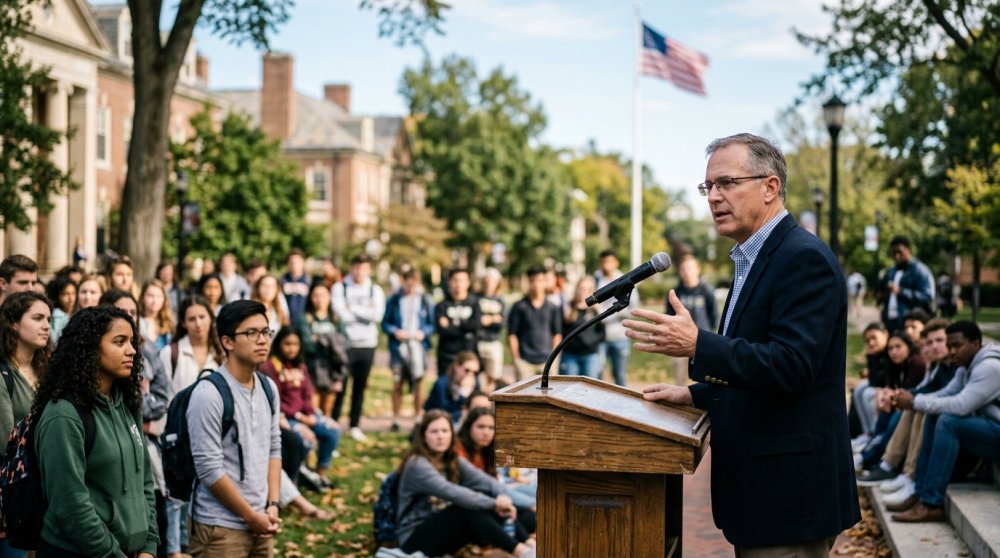
Christian apologist Frank Turek has spoken candidly about the profound effect of watching Charlie Kirk’s assassination unfold before his eyes. The shocking act of violence has not silenced his message. Instead, it has strengthened his resolve to continue proclaiming the Gospel on university campuses across the nation.
Turek explained that his faith has been the anchor keeping him steady through the aftermath of the tragedy. He described turning to Scripture and prayer as he grappled with the reality of what he witnessed. That same faith now fuels his determination to keep engaging students with biblical truth.
“The war on reality is real, and it is spiritual,” Turek stated.
He emphasized that the same cultural forces celebrating the murder of Charlie Kirk are the forces actively opposing biblical Christianity on campuses and in the public square. Turek refused to retreat in the face of such hostility, insisting that the Gospel must still be proclaimed even when the cost is high.
“I refuse to back down,” he declared.
Turek’s commitment reflects a broader pattern among Christian leaders who view current cultural battles as part of an ongoing spiritual conflict. He continues to equip believers with apologetics while urging them to stand firm in the face of increasing opposition to traditional values and religious liberty.
Let us know what you think, please share your thoughts in the comments below.
Faith Facts
- Parents in Connecticut challenged a state law that removed religious exemptions for school vaccine requirements.
- The lawsuit was dismissed after a judge ruled the exemptions are not protected under existing religious freedom statutes.
- The decision leaves families with no legal recourse when their sincerely held beliefs conflict with state mandates.
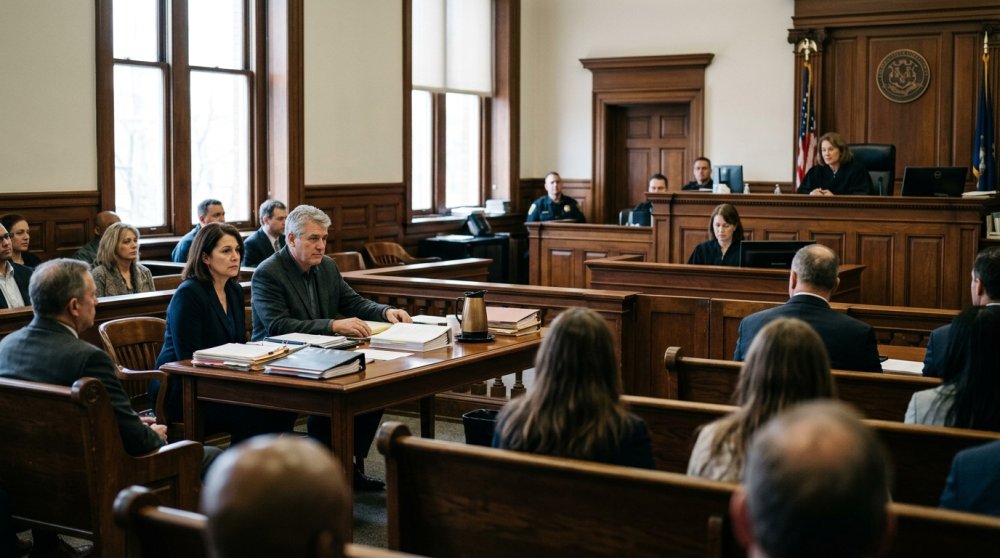
Parents who filed suit to protect their right to decline vaccines on religious grounds saw their case dismissed by a Connecticut judge. The court ruled that the state law eliminating religious exemptions does not violate the state’s religious freedom protections.
The decision means children whose parents hold sincere religious objections to certain vaccines will still be required to receive them in order to attend public school. Families who believe vaccination conflicts with their faith now face limited options within the state.
“The plaintiffs have failed to demonstrate that the religious exemptions are protected under the state religious freedom law,” the ruling stated.
Advocates for parental rights argue the ruling prioritizes government mandates over deeply held beliefs. They warn that similar efforts to remove religious exemptions could spread to other states if left unchallenged.
Critics of the original law contend it undermines the principle that parents, not the state, hold primary responsibility for medical decisions involving their children. They say the ruling sets a troubling precedent that could erode other conscience protections.
Let us know what you think, please share your thoughts in the comments below.


-

 Self-Reliance1 year ago
Trump’s Bold Move Uncovers Massive Social Security Fraud
-

 Faith1 year ago
New Clues Emerge in Noah’s Ark Mystery
-

 News2 years ago
Governor Walz’s Rhetoric Sparks National Controversy
-

 News1 year ago
Mel Gibson’s ‘The Passion of the Christ’ Sequel Title Announced
-

 Family2 years ago
Texas Lawmaker Targets Furries in Schools
-

 Freedom2 years ago
Maine Lawmaker Challenges Sports Fairness Controversy
-

 Family1 year ago
Canada’s Controversial Policy Sparks Ethical Debate
-
Faith10 months ago
Congress Hears Pleas for Nigerian Christians