
Faith
Baptist Pastor Fined Under Buffer Zone Law—What This Means for Gospel Freedom

Faith Facts
- A retired Baptist pastor was fined for preaching within an abortion facility buffer zone in the United Kingdom
- The Evangelical Alliance warns this case reveals the dangers of poorly crafted legislation that restricts religious expression
- Christian leaders caution against conflating legal consequences with religious persecution while defending the right to preach the Gospel
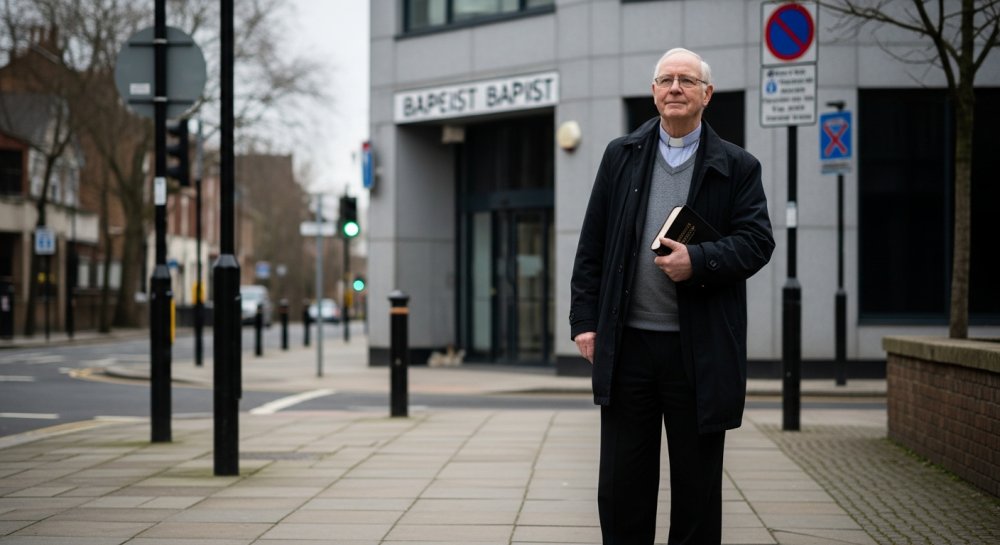
A retired Baptist pastor in the United Kingdom has been convicted and fined for preaching near an abortion facility, sparking fresh debate about religious liberty and the boundaries of free speech in public spaces. The case has raised serious concerns among Christian leaders about the scope and application of buffer zone laws.
The incident occurred within a government-designated buffer zone around an abortion clinic, where activities including prayer and evangelism are prohibited. The pastor was found guilty of violating these restrictions and received a financial penalty.
Peter Lynas of the Evangelical Alliance addressed the conviction, emphasizing that while the case highlights legitimate concerns about religious freedom, Christians must maintain perspective.
“This conviction does not mean UK Christians can’t preach the gospel,”
Lynas stated, urging believers to distinguish between legal restrictions in specific zones and broader religious persecution.
The case underscores ongoing tensions between protecting access to medical facilities and safeguarding fundamental freedoms of speech and religion. Buffer zones have been implemented in various locations across the UK, creating designated areas where certain expressive activities are criminalized.
Christian advocacy groups have long warned that these laws, while presented as protective measures, could be used to silence people of faith exercising their constitutional rights. The vague language in some buffer zone legislation leaves room for broad interpretation and inconsistent enforcement.
Lynas pointed to the quality of the legislation itself as a primary concern.
“It highlights the dangers of poor legislation,”
he explained, suggesting that hastily crafted or overly broad laws can inadvertently criminalize peaceful religious activity.
The conviction has prompted calls for greater clarity in how buffer zone laws are written and applied. Many Christian leaders argue that peaceful prayer, conversation, and offers of assistance should not be treated as criminal acts, even in sensitive areas.
Despite the concerning nature of this particular case, Lynas cautioned against exaggerating the threat.
“Christians should be careful not to conflate it with religious persecution,”
he advised, noting that true persecution involves systematic violence, imprisonment, and denial of basic rights—conditions not currently present in the United Kingdom.
The distinction matters because it shapes how Christians respond to legal challenges. While vigilance about religious freedom is appropriate, painting every legal restriction as persecution can undermine credibility and distract from genuine human rights abuses occurring globally.
American Christians watching developments in the UK should take note of similar legislative trends emerging stateside. Several jurisdictions have proposed or enacted buffer zone laws that could impact sidewalk counseling, prayer vigils, and Gospel proclamation near abortion facilities.
The case serves as a reminder that religious liberty requires constant defense through both legal advocacy and civic engagement. Christians must remain active in the legislative process, ensuring laws protect conscience rights while addressing legitimate public safety concerns.
Faith communities across denominational lines continue to affirm the Great Commission mandate to share the Gospel publicly. The question remains how societies can balance competing rights without unduly restricting the free exercise of religion.
As these legal battles continue, Christian organizations are mobilizing resources to defend religious freedom, provide legal counsel to those facing charges, and advocate for clearer, more balanced legislation that respects both religious expression and public order.
Let us know what you think, please share your thoughts in the comments below.

Faith Facts
- Vice President JD Vance credits his faith for guiding his political service and life decisions.
- Vance says he has not yet felt a divine call to pursue the presidency in 2028.
- He remains open to the possibility that God may lead him toward a future presidential campaign.
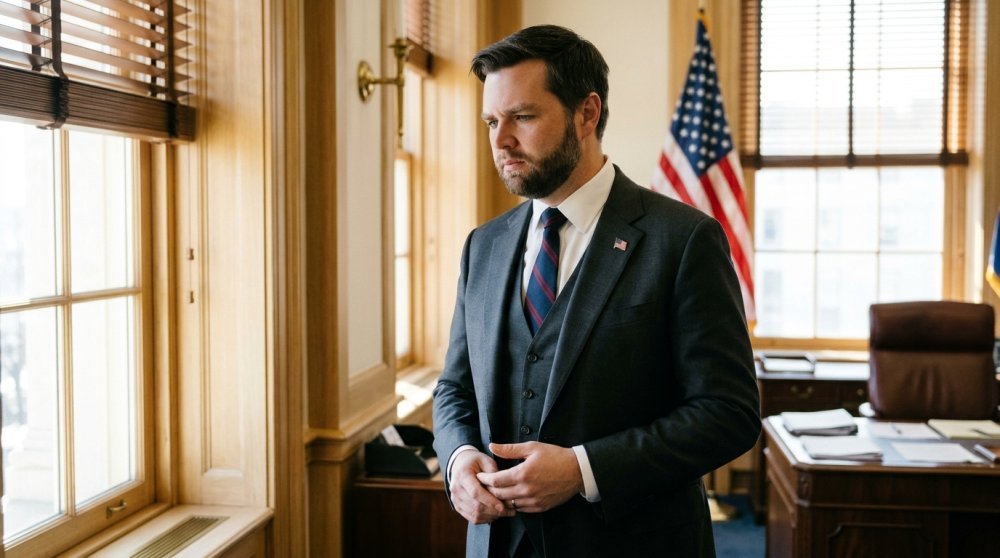
Vice President JD Vance has stated that his faith remains central to his decision-making as he weighs a potential 2028 presidential campaign. The Ohio senator-turned-vice president spoke candidly about how he continues to seek God’s direction before making major political moves.
Vance emphasized that he has not yet sensed a clear calling from God regarding a presidential run. He noted that this could change in time but stressed the importance of waiting for divine guidance.
“I haven’t yet felt God’s call for a presidential run in 2028,”
“Maybe that’ll change.”
Vance’s comments reflect a growing trend among conservative leaders who publicly acknowledge their dependence on prayer and Scripture when facing major career decisions. His approach resonates with many Americans who value leaders willing to submit their ambitions to God’s will.
The vice president also reflected on how his conversion to Christianity has shaped his worldview and public service. Vance has often spoken about the transformative power of faith in both his personal life and his political philosophy.
Let us know what you think, please share your thoughts in the comments below.
Faith Facts
- Vice President JD Vance led rally attendees in reciting the Lord’s Prayer when a woman collapsed nearby.
- The moment highlighted the continued presence of Christian faith in American public life and political gatherings.
- Vance personally left the stage to check on the woman after leading the prayer.
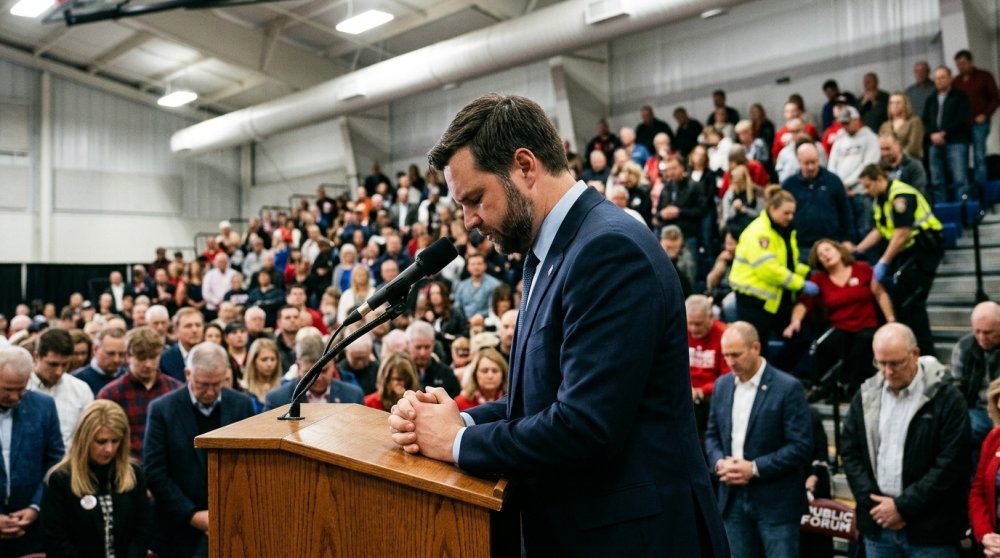
Vice President JD Vance paused a Nebraska campaign rally to lead the crowd in the Lord’s Prayer after a woman collapsed in the audience.
The incident took place during a live event where Vance addressed supporters and addressed policy issues.
“Pray as the Lord taught us to pray,” Vance said before leading the audience in the traditional prayer.
After finishing the prayer, Vance stepped down from the stage and made his way into the stands to personally check on the woman who had collapsed.
The spontaneous act of faith and compassion drew praise from attendees who witnessed the moment.
Let us know what you think, please share your thoughts in the comments below.
Faith Facts
- Oxford mathematician and Christian apologist Professor John Lennox encourages believers to share their faith with confidence.
- Lennox stresses that evangelism is not reserved only for preachers, theologians, or those with extensive biblical knowledge.
- Every Christian is called to be a witness for Christ in daily life.
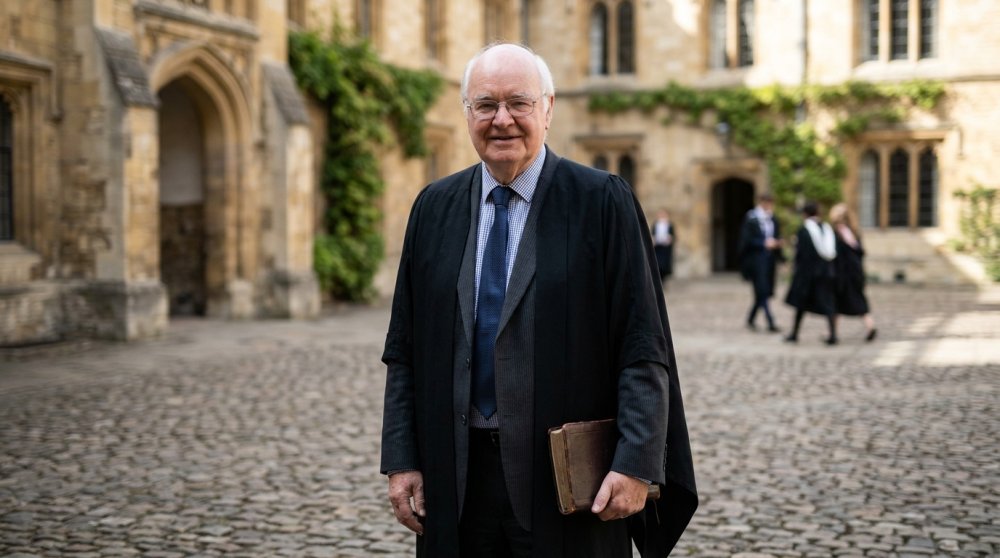
Oxford mathematician and Christian apologist Professor John Lennox is urging believers everywhere to share their faith with greater boldness and confidence. He reminds Christians that the call to witness is not limited to pastors or scholars but belongs to every follower of Christ.
“We’re all called to be witnesses,” Lennox declares. This simple truth challenges the idea that only trained experts can effectively share the gospel.
Professor Lennox emphasizes that evangelism is not about having every theological answer or delivering polished sermons. Instead, it is about living out and speaking the truth of Christ wherever God places His people.
His words come as a timely encouragement to Christians who may feel hesitant or unqualified to speak about their faith. Lennox points to the biblical calling that every believer is a witness, empowered by the Holy Spirit to share the hope within them.
Let us know what you think, please share your thoughts in the comments below.


-

 Self-Reliance2 years ago
Trump’s Bold Move Uncovers Massive Social Security Fraud
-

 Faith2 years ago
New Clues Emerge in Noah’s Ark Mystery
-

 News2 years ago
Governor Walz’s Rhetoric Sparks National Controversy
-

 News2 years ago
Mel Gibson’s ‘The Passion of the Christ’ Sequel Title Announced
-

 Family2 years ago
Texas Lawmaker Targets Furries in Schools
-

 Freedom2 years ago
Maine Lawmaker Challenges Sports Fairness Controversy
-

 Family1 year ago
Canada’s Controversial Policy Sparks Ethical Debate
-
Faith11 months ago
Congress Hears Pleas for Nigerian Christians