
Faith
Baptism, Grace, and True Repentance

Faith Facts
- Baptism is a symbol of repentance and new life in Christ, not a superficial reset.
- Scripture teaches that God’s grace fully washes away all sin when paired with sincere repentance.
- Jesus called believers to examine their own hearts before judging others, emphasizing humility and transformation.
Lily Phillips’ baptism has stirred strong reactions, but our faith teaches that no sin is too great for God’s grace, provided there is genuine repentance.
“Your sins are forgiven.”
Instead of questioning whether her past is too scandalous, we should be praying that she truly understands the surrender involved in following Christ.
Visible Repentance Matters
The heart of the Christian transformation is not erasing a reputation, but turning from sin and pursuing holiness through discipleship and accountability.
Lily’s baptism is not just a public statement; it’s a call to step into newness of life, breaking free from old chains in Christ.
“If anyone is in Christ, he is a new creation.” (2 Corinthians 5:17)
Judgement and Grace
The loudest critics often ignore their own struggles, yet Jesus warned against such hypocrisy and called for self-examination.
“Why do you look at the speck in your brother’s eye and pay no attention to the log in your own?” (Matthew 7:3)
True Christianity offers the same mercy to all, teaching that those forgiven much are equipped to love much (see Luke 7:47).
Invitation for All
The gospel urges us to lower our judgments, lift up prayers, and long to see every lost soul restored by Christ’s love and grace.
“You shall know them by their fruits.” (Matthew 7:16)
May Lily—and each of us—embrace our worth and identity in Christ, defined not by past actions, but by God’s redeeming love.
Let us pray that those seeking Jesus experience true repentance and the freedom found only through Him.


Faith Facts
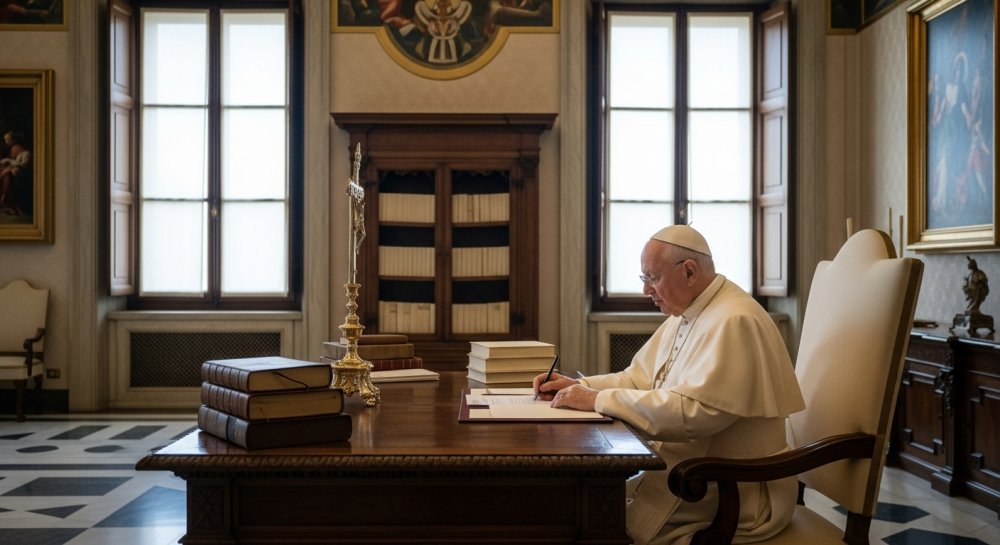
- Pope Leo XIV released his first encyclical letter addressing the spiritual dangers of artificial intelligence replacing human relationships and dignity.
- The pontiff argues that Christianity offers a superior understanding of human existence that machines can never replicate.
- The encyclical emphasizes that authentic human connection and divine purpose cannot be substituted by technological advancement.
In his inaugural encyclical letter, Pope Leo XIV has issued a powerful warning about the spiritual and relational dangers posed by artificial intelligence. The Pope’s message comes at a critical time when technology increasingly dominates daily life and threatens to reshape fundamental aspects of human existence.
The Holy Father’s letter directly challenges the notion that AI can serve as an adequate substitute for genuine human relationships or the divine connection between God and His creation. His words serve as a timely reminder that no technological advancement, no matter how sophisticated, can replace the inherent dignity that comes from being made in the image of God.
According to the encyclical, artificial intelligence fundamentally undermines two pillars of human flourishing: authentic relationships and human dignity. These concerns reflect growing anxieties among faith communities about technology’s role in modern society and its potential to distance people from both their Creator and one another.
The Pope’s message resonates deeply with Christian conservatives who have long raised concerns about society’s increasing dependence on technology at the expense of traditional values and human connection. As families spend more time interacting with screens than with each other, and as AI systems are increasingly trusted with decisions that require wisdom and moral judgment, the Pope’s warnings take on added urgency.
Pope Leo XIV presents Christianity as offering a more complete and compelling understanding of human existence than any machine learning algorithm or artificial intelligence system could provide. This argument centers on the belief that humans possess souls, free will, and an eternal destiny—qualities that transcend mere computation and data processing.
The encyclical arrives amid rapid technological changes that are transforming society in unprecedented ways. From AI chatbots replacing human customer service representatives to algorithms making hiring decisions, the encroachment of artificial intelligence into traditionally human domains raises profound questions about the future of work, relationships, and human purpose.
For Christian Americans, the Pope’s message serves as an important call to maintain proper priorities in an increasingly digital age. While technology can serve as a useful tool, it must never become an idol that displaces God or diminishes the value of human life and relationships that He established.
The letter emphasizes that authentic human connection—rooted in love, empathy, and shared experiences—cannot be replicated by machines, no matter how advanced they become. This understanding aligns with biblical teaching that humans are created for relationship, first with God and then with one another, in ways that reflect the Triune nature of the Godhead itself.
Pope Leo XIV’s encyclical also addresses the matter of human dignity, which Christianity teaches is inherent and God-given rather than earned or assigned. This stands in stark contrast to utilitarian views that might assess human value based on productivity, capability, or usefulness—metrics that AI systems might optimize but can never truly understand.
The timing of this encyclical reflects the Church’s recognition that rapid technological advancement requires clear moral and spiritual guidance. As AI continues to develop capabilities that once seemed like science fiction, questions about the nature of consciousness, personhood, and purpose become increasingly urgent.
For believers who hold to traditional Christian values, the Pope’s message affirms what Scripture has always taught: that humans are fearfully and wonderfully made, created with purpose and dignity that no machine can possess. This truth remains constant regardless of technological progress.
The encyclical serves as a call to Christians to remain vigilant about protecting what makes us distinctly human—our capacity for love, moral reasoning, creativity, and relationship with the Divine. These qualities reflect our Creator and set us apart from even the most sophisticated artificial intelligence systems.
As American families navigate an increasingly digital world, Pope Leo XIV’s words offer important wisdom about maintaining proper boundaries with technology while preserving the relationships and values that truly matter. His message reminds us that some things—faith, family, and human dignity—must never be outsourced to machines.
Let us know what you think, please share your thoughts in the comments below.
Faith Facts
- Cancer diagnosis became a divine classroom, teaching profound lessons about God’s sovereignty and control over life’s circumstances
- Serious illness reveals the limitations of human control and the depth of trust required in God’s perfect plan
- Faith communities continue to discover that suffering can strengthen rather than weaken relationship with Christ
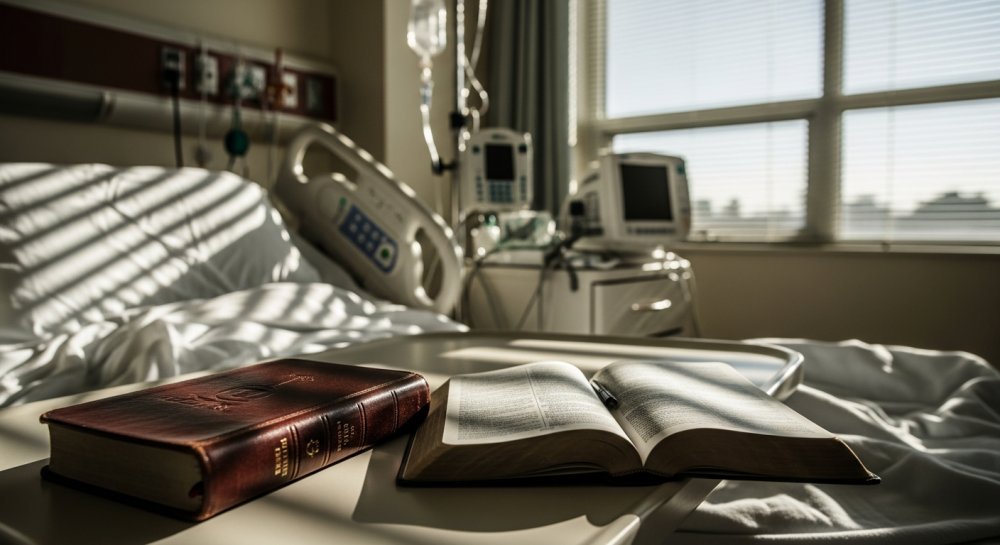
When faced with a life-threatening diagnosis, believers often discover truths about God’s character that years of comfortable faith never revealed. The journey through cancer treatment strips away illusions of control and forces a confrontation with eternal questions that many prefer to leave theoretical.
God’s sovereignty takes on new meaning when medical reports replace daily routines and treatment schedules override personal plans. The predictability we crave from our Creator often dissolves in hospital corridors, revealing instead a divine wisdom that transcends human understanding.
Cancer does not discriminate between the faithful and faithless, yet for those who walk with Christ, the disease becomes an unexpected teacher. The sovereignty of God—His complete authority and control over all circumstances—moves from theological concept to lived reality when faced with mortality.
Many Christians spend years studying Scripture, attending services, and building their faith on solid ground. But nothing compares to the education that comes through suffering. The Book of Job reminds us that God’s ways are higher than our ways, and His thoughts higher than our thoughts.
In the Christian walk, we often seek predictability from God—a formula that guarantees certain outcomes if we follow specific steps. Cancer shatters that misconception. It forces believers to acknowledge that divine sovereignty means God’s plans may not align with our preferences, yet remain perfectly good.
The American church sometimes promotes a prosperity theology that promises health and wealth to the faithful. Cancer exposes this as false teaching. True biblical faith acknowledges that God permits suffering for purposes we may never fully understand in this lifetime.
Through the valleys of chemotherapy, radiation, and uncertain prognoses, believers discover that God’s sovereignty is not about giving us what we want when we want it. Instead, it’s about trusting that He works all things together for good for those who love Him and are called according to His purpose.
Traditional Christian teaching has always affirmed that God uses trials to refine faith, much as fire refines gold. This ancient wisdom finds fresh validation in modern cancer wards where believers cling to eternal promises while facing temporal uncertainties.
The sovereignty revealed through serious illness teaches that God’s control extends beyond comfortable circumstances. He remains Lord in hospital rooms, during difficult treatments, and through outcomes that may not match our prayers. This reality either strengthens genuine faith or exposes faith that was merely transactional.
For those who emerge from cancer—whether healed or still fighting—the experience often reshapes their entire understanding of divine providence. They join the ranks of biblical saints who learned through hardship that God’s faithfulness does not depend on circumstance but remains constant through every storm.
The lessons cancer teaches about sovereignty challenge modern Christianity’s tendency toward shallow optimism. They call believers back to a robust faith that trusts God even when understanding fails, that worships even in pain, and that acknowledges His lordship regardless of outcomes.
Let us know what you think, please share your thoughts in the comments below.
Faith Facts
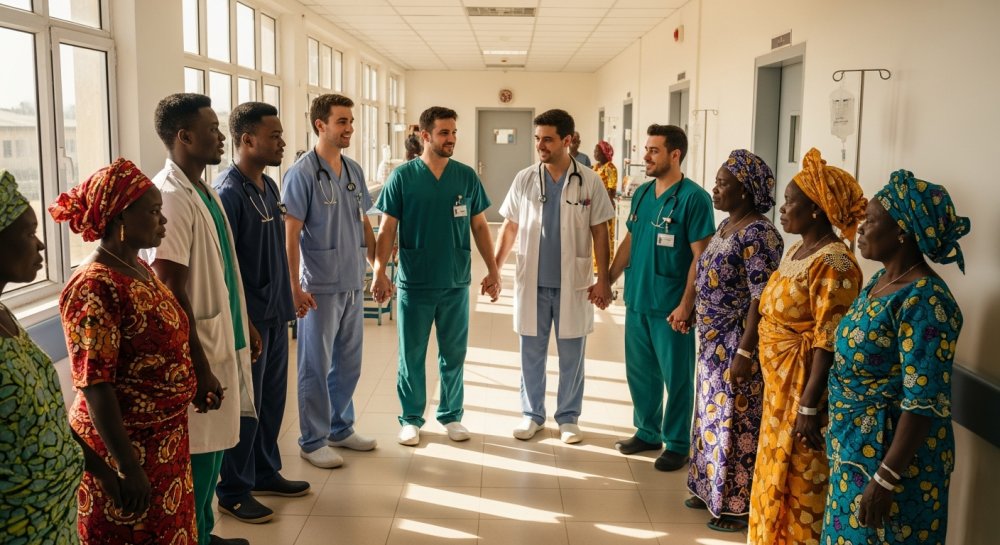
- A Christian hospital in Jos, Nigeria treats over 2,000 women annually with free fistula surgery regardless of their religious background
- Obstetric fistula, often caused by early marriage and childbirth complications, leaves women suffering from devastating injuries and social isolation
- Nigeria’s First Lady has joined the call to end child marriage, recognizing it as a leading cause of this preventable condition
A Christian medical facility in Jos, Nigeria is demonstrating the transformative power of faith in action by providing life-changing surgical care to thousands of women each year. The hospital’s compassionate mission serves women of all faiths who suffer from obstetric fistula, a debilitating condition that tears apart lives and families across the nation.
Obstetric fistula occurs when prolonged, obstructed labor creates an opening between the birth canal and bladder or rectum, resulting in chronic incontinence. This devastating injury disproportionately affects young girls forced into early marriage and pregnancy before their bodies are physically ready for childbirth.
The condition leaves women facing not only severe physical suffering but profound social stigma. Many are abandoned by their husbands and communities, forced to live in isolation due to their injuries. In a culture where family and community bonds are central to daily life, this rejection compounds an already tragic situation.
The Christian hospital’s commitment to treating more than 2,000 women annually represents a powerful testimony to the biblical call to care for the vulnerable and marginalized. By offering these complex surgeries at no cost, the medical mission removes financial barriers that would otherwise leave impoverished women without hope of healing.
Nigeria’s First Lady has added her voice to advocates calling for an end to child marriage, recognizing that this harmful practice directly contributes to the fistula crisis. Early marriage denies young girls their childhood, education, and health, setting them on a path toward complications that could be entirely prevented.
The hospital’s model of serving patients regardless of their religious affiliation reflects the Christian principle of loving one’s neighbor and caring for those in need without distinction. This approach has built trust across religious communities and opened doors for the Gospel to be shared through actions that speak louder than words.
Medical experts emphasize that obstetric fistula is entirely preventable with proper prenatal care, skilled birth attendance, and timely access to emergency obstetric services. The condition is virtually eliminated in developed nations where women have access to quality healthcare during pregnancy and delivery.
For the women who receive surgery at the Jos hospital, the procedure offers more than physical restoration. It provides an opportunity to reclaim their dignity, rebuild their lives, and return to their families and communities. Many patients describe their healing as nothing short of miraculous.
The ongoing work of this faith-based hospital highlights the critical role Christian medical missions play in addressing healthcare gaps in developing nations. Where government infrastructure falls short, Christian organizations step forward to fill the void, motivated by a conviction that every person bears the image of God and deserves compassionate care.
As awareness grows about the preventable nature of obstetric fistula, advocates continue pressing for comprehensive approaches that include ending child marriage, expanding maternal healthcare access, and providing surgical repair for those already affected. The Christian hospital in Jos stands as a beacon of hope, demonstrating that faith paired with medical expertise can transform lives and communities.
Let us know what you think, please share your thoughts in the comments below.


-

 Self-Reliance1 year ago
Trump’s Bold Move Uncovers Massive Social Security Fraud
-

 Faith1 year ago
New Clues Emerge in Noah’s Ark Mystery
-

 News1 year ago
Governor Walz’s Rhetoric Sparks National Controversy
-

 News1 year ago
Mel Gibson’s ‘The Passion of the Christ’ Sequel Title Announced
-

 Family1 year ago
Texas Lawmaker Targets Furries in Schools
-

 Freedom1 year ago
Maine Lawmaker Challenges Sports Fairness Controversy
-

 Family1 year ago
Canada’s Controversial Policy Sparks Ethical Debate
-
Faith6 months ago
Congress Hears Pleas for Nigerian Christians