
News
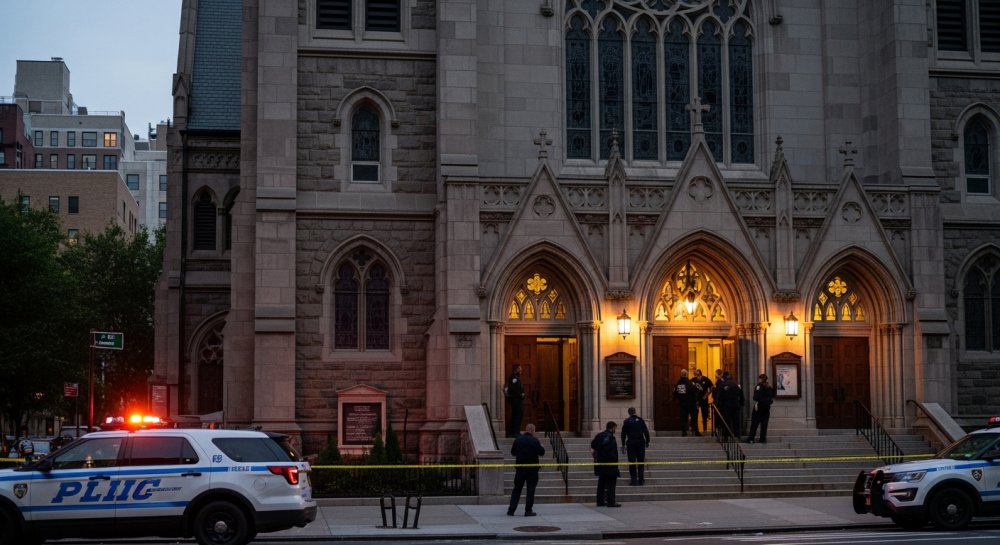
Arson Suspect Arrested After Targeting New York Church With Molotov Cocktail

Faith Facts
- An individual was arrested for allegedly throwing a Molotov cocktail at a church in New York City
- Law enforcement suspects the individual of conducting similar attacks on multiple buildings throughout the area
- The incident highlights growing concerns about attacks on houses of worship across America
A suspect has been taken into custody after allegedly launching a Molotov cocktail attack against a Christian church in New York City. Authorities believe this individual may be responsible for additional arson attempts targeting other structures in the area.
The arrest comes as houses of worship across the United States face an alarming increase in vandalism, arson, and violent threats. Faith communities have repeatedly called for greater protection and more serious prosecution of those who target religious buildings.
While details about the specific church targeted remain under investigation, the incident underscores the vulnerability of congregations in urban areas. Many churches have been forced to increase security measures, install surveillance systems, and coordinate with local law enforcement to protect their buildings and congregants.
The use of incendiary devices like Molotov cocktails represents a particularly dangerous form of attack, capable of causing catastrophic damage and putting lives at risk. Such weapons are not only destructive but also terrorize communities and violate the sacred nature of religious spaces.
Religious freedom advocates have long warned that attacks on churches often go underreported in national media, despite representing a troubling pattern of hostility toward faith institutions. These incidents affect not only the targeted congregations but also undermine the foundational American principle of free religious exercise.
Law enforcement continues to investigate whether the suspect acted alone or as part of a broader pattern of coordinated attacks. Authorities have not yet disclosed a potential motive for the attack on the church or the other suspected incidents.
Christian communities nationwide remain vigilant as they balance maintaining welcoming, open spaces for worship with the unfortunate necessity of protecting their properties and members from those who would do them harm.
Let us know what you think, please share your thoughts in the comments below.

Faith Facts
- Hispanic Christian leaders are being called to engage churches ahead of the midterm elections.
- The Trump administration includes Hispanic Christian voices in key positions.
- Faith-based civic involvement remains central to preserving traditional American values.
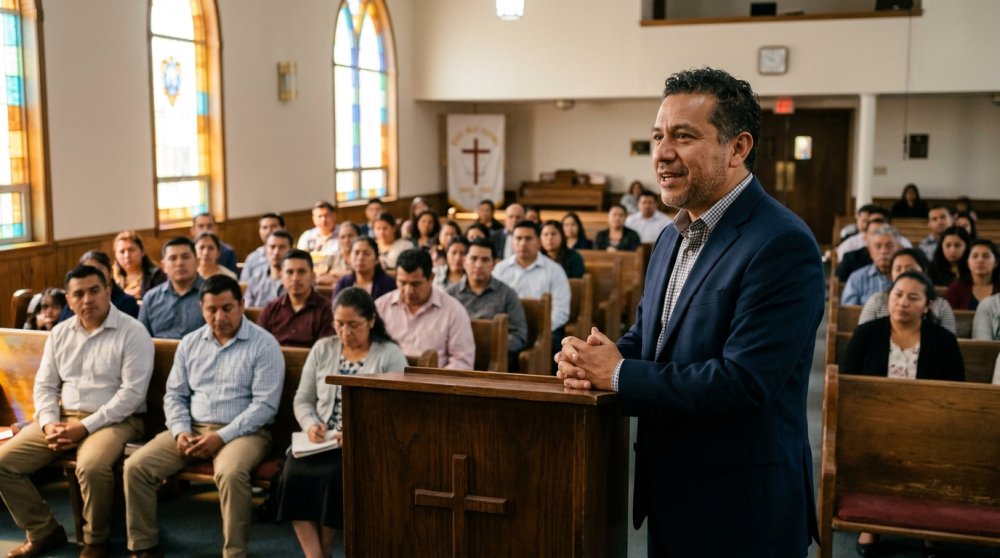
Hispanic Christian leaders serving in the Trump administration and across the country are urging churches to step forward before the midterm elections next month.
The appeal highlights the need for believers to remain active in protecting faith, family, and freedom at the ballot box.
Leaders emphasize that civic engagement rooted in biblical principles is essential for safeguarding religious liberty and traditional values in a shifting political climate.
“We are calling on churches and Christians to get involved ahead of the midterm elections next month.”
The message reflects a broader effort to strengthen conservative turnout among Hispanic voters of faith.
Supporters argue that increased participation will help defend policies that honor God, protect life, and preserve national sovereignty.
Let us know what you think, please share your thoughts in the comments below.
Faith Facts
- The first punk record emerged in the United Kingdom fifty years ago, marking the birth of a movement that embraced the marginalized and the outcast.
- Scripture records that Christ was born in a stable, lived without a place to lay His head, and was ultimately rejected by the religious elite of His day.
- The early Church grew rapidly by standing boldly against the cultural norms of the Roman Empire while offering hope to the broken and the forgotten.
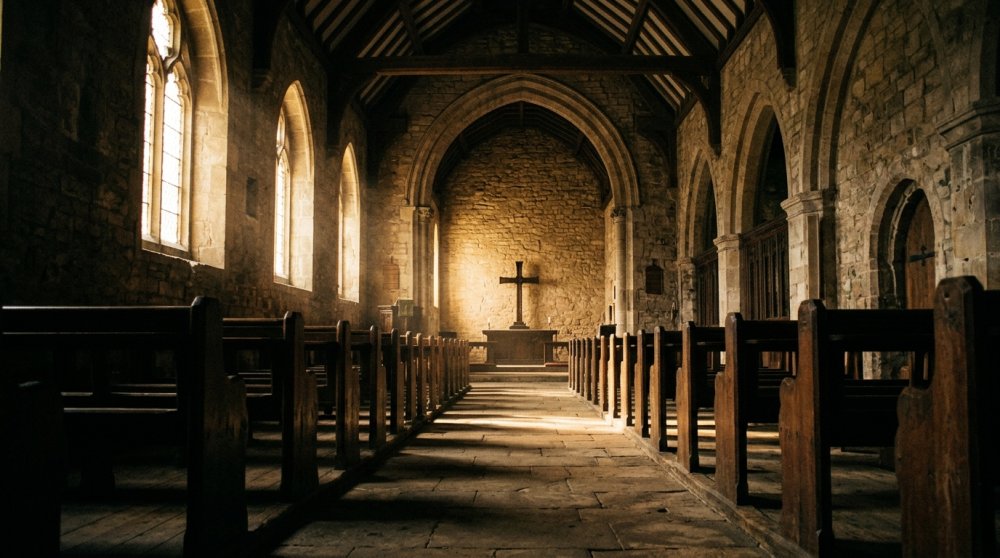
The Church in the West is facing decades of declining attendance and influence. A new commentary argues that the solution lies in recovering the radical, counter-cultural spirit that once defined the faith.
Author Alex Rose claims that punk music succeeded because it welcomed those on the margins. She suggests the same principle could revive a struggling Church. The piece connects the DIY ethos of punk to the life and ministry of Jesus.
“Jesus was punk.”
Traditional believers have long understood that Christ came to upend worldly systems, not to conform to them. He overturned tables in the temple, healed on the Sabbath, and welcomed tax collectors and sinners. That same uncompromising spirit is what the commentary says modern congregations need to reclaim.
The argument frames punk not as a musical style alone but as a posture of resistance against complacency and institutional decay. Rose maintains that the Church must become more radical if it hopes to reverse long-term decline.
“If the Church is to buck the trend of long-term decline, it needs to get a lot more radical, she says.”
Conservative Christians can affirm the call to boldness without adopting the language or aesthetics of rebellion that historically opposed Christian morality. The early Church was radical precisely because it upheld the truth of Scripture and the lordship of Christ against a pagan culture. That same clarity and courage remain necessary today.
Many congregations already practice this radical faithfulness through unapologetic preaching, strong families, and service to the vulnerable. The decline in some denominations often correlates with theological compromise rather than insufficient rebellion.
Recovering the revolutionary nature of the gospel means returning to the authority of Scripture, the centrality of the cross, and the call to holy living. It does not require borrowing symbols from a movement that celebrated nihilism and moral disorder.
Let us know what you think, please share your thoughts in the comments below.
Faith Facts
- Scripture teaches believers to pray for those in prison and to remember the captive (Hebrews 13:3).
- Christian teaching holds that mercy shown to the vulnerable reflects the mercy believers have received from Christ.
- God’s Word encourages the pursuit of peace while standing for truth and righteousness (Matthew 5:9).
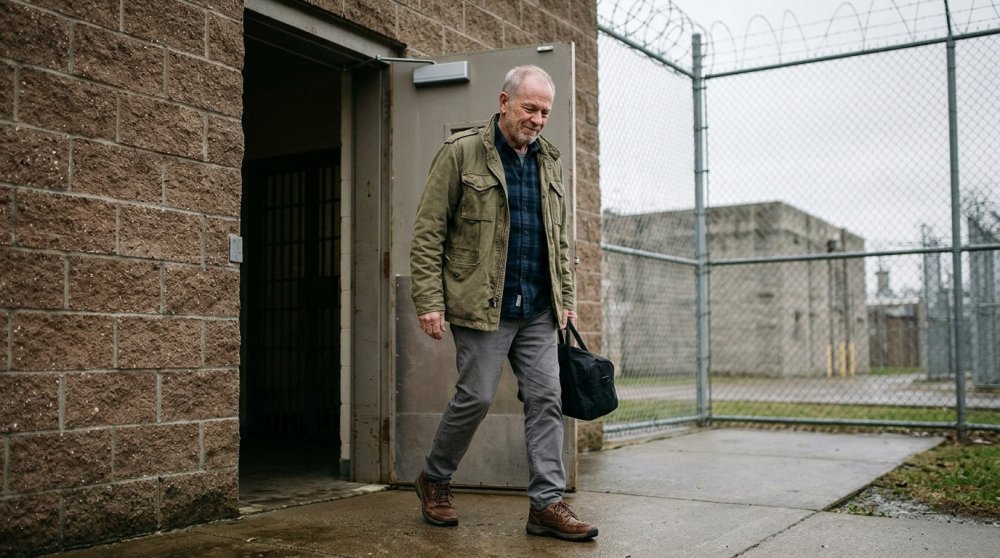
A 74-year-old American man who spent more than four years behind bars in Russia has been set free after facing accusations of fighting with Ukrainian forces.
The release marks the end of a lengthy and difficult ordeal for the elderly U.S. citizen, whose family and advocates had long pressed for his return home.
According to officials familiar with the case, the man had been detained in Russia since his arrest in 2021 on charges tied to the conflict in Ukraine.
Family members described the moment of release as a profound relief after years of separation and uncertainty.
“We are deeply grateful for his safe return and for the prayers of so many who stood with us,”
“This has been a heavy burden lifted from our family, and we give thanks to God for His mercy.”
The case highlights the continued dangers Americans face when traveling or living in regions of active conflict.
Christian advocates have urged continued prayer for those still detained abroad and for the families awaiting their loved ones’ return.
Let us know what you think, please share your thoughts in the comments below.


-

 Self-Reliance2 years ago
Trump’s Bold Move Uncovers Massive Social Security Fraud
-

 Faith2 years ago
New Clues Emerge in Noah’s Ark Mystery
-

 News2 years ago
Governor Walz’s Rhetoric Sparks National Controversy
-

 News2 years ago
Mel Gibson’s ‘The Passion of the Christ’ Sequel Title Announced
-

 Family2 years ago
Texas Lawmaker Targets Furries in Schools
-

 Freedom2 years ago
Maine Lawmaker Challenges Sports Fairness Controversy
-

 Family1 year ago
Canada’s Controversial Policy Sparks Ethical Debate
-
Faith11 months ago
Congress Hears Pleas for Nigerian Christians