
Faith
Are You Ready When Your Muslim Neighbor Asks These Five Questions?


Faith Facts
- Christians can confidently engage with Muslim friends and neighbors by preparing thoughtful answers to five common questions about the Christian faith
- Understanding Islamic objections to Christianity helps believers share the Gospel with clarity, grace, and biblical truth
- Building genuine relationships across faith lines requires both courage and compassion rooted in Christian love
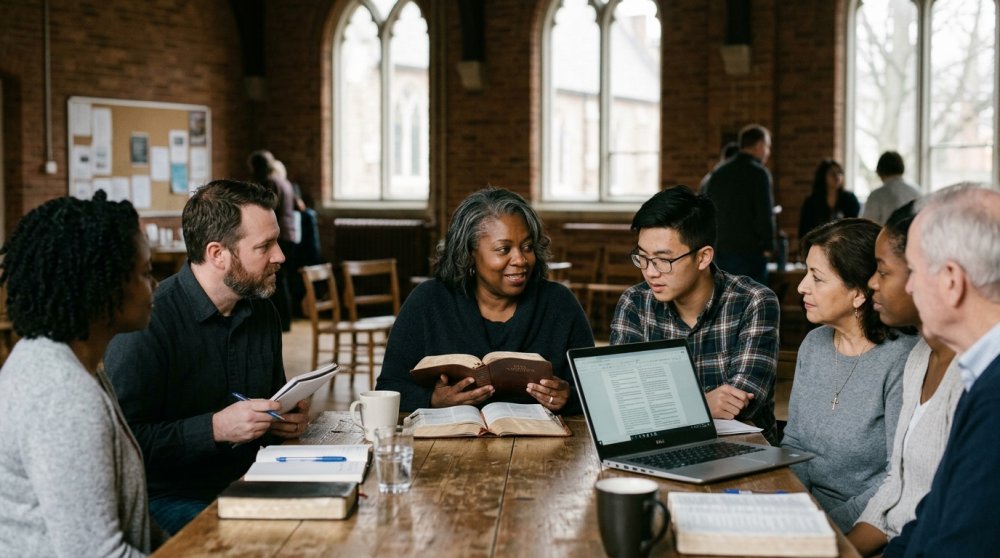
In today’s America, Christians increasingly find themselves living, working, and building friendships alongside Muslim neighbors. These relationships present valuable opportunities to share the hope of Jesus Christ. Yet many believers feel unprepared when conversations turn to matters of faith, uncertain how to respond to common objections or questions about Christianity.
The reality is simpler than many think. With some preparation and a heart rooted in biblical truth, Christians can engage these conversations with confidence. Mason Everly emphasizes that believers need not fear giving offense when explaining their faith with gentleness and respect.
Understanding the questions Muslims most frequently ask about Christianity equips believers to give a reason for the hope within them. These conversations matter deeply, both for building genuine relationships and for faithful witness to the transforming power of the Gospel.
The Path to Confident Faith Conversations
The first step in preparing for meaningful dialogue involves understanding the theological foundations that shape Islamic perspectives on Christianity. Muslims hold deep respect for Jesus as a prophet while rejecting core Christian doctrines like the divinity of Christ and the Trinity. They question how God could have a Son, whether the Bible has been corrupted over time, and why Christians don’t follow Old Testament laws.
These aren’t hostile challenges but genuine theological questions rooted in Islamic teaching. Muslims also struggle with the concept of the Crucifixion, believing Allah would not allow such dishonor to befall a true prophet. And they question why Christians worship on Sunday rather than observing the Sabbath.
Each of these questions represents an opportunity to share biblical truth with clarity and love. The key lies in preparation, prayer, and approaching these conversations as bridges rather than battles.
Building Relationships That Honor Christ
Effective witness to Muslim friends begins long before theological discussions arise. It starts with genuine friendship, hospitality, and the demonstration of Christian love in practical ways. Breaking bread together, showing interest in their families, and being present in both joyful and difficult times builds the trust necessary for deeper conversations.
When questions do arise, Christians should respond with both confidence in Scripture and humility about our own limitations. We can explain that God exists as three distinct Persons in one divine essence, pointing to biblical passages that reveal this mystery. We can share how Jesus identified Himself as the Son of God and how this title reflects His unique relationship with the Father rather than biological generation.
Regarding the reliability of Scripture, believers can present the overwhelming manuscript evidence supporting the Bible’s preservation and accuracy. The historical record demonstrates that God has faithfully preserved His Word through the centuries, giving us confidence in what we read today.
Grace, Law, and the Freedom Christ Brings
The question of Old Testament law offers a powerful opportunity to share the Gospel message. Christians can explain how Jesus fulfilled the ceremonial and dietary laws, establishing a new covenant based on His finished work rather than endless rule-keeping. This doesn’t mean moral law is abolished, but that we’re saved by grace through faith, not by observing regulations.
This distinction between law and grace represents perhaps the most profound difference between Christianity and Islam. Where Islam emphasizes submission and obedience to earn favor with Allah, Christianity proclaims a God who offers salvation as a free gift, purchased by Christ’s sacrifice.
The Crucifixion itself stands at the heart of Christian faith. While Muslims see it as shameful defeat, Christians understand it as God’s ultimate demonstration of love and justice. The cross reveals both the severity of sin and the depths of divine mercy, accomplishing what no amount of human effort could achieve.
Worship, Rest, and Resurrection Power
When asked about Sunday worship, Christians can explain that we gather on the Lord’s Day to celebrate the Resurrection. Jesus rose on the first day of the week, transforming it into a celebration of new creation and eternal life. We rest in Christ’s finished work rather than observing Sabbath regulations as a requirement for salvation.
These conversations require wisdom, patience, and reliance on the Holy Spirit. We speak truth without compromise while maintaining respect and genuine care for those who disagree. The goal isn’t to win arguments but to faithfully represent Christ and plant seeds that God can bring to harvest.
As America becomes increasingly diverse, Christians must be prepared to engage thoughtfully with neighbors of different faiths. This requires both knowing what we believe and why we believe it. It demands that we study Scripture, understand basic apologetics, and cultivate hearts of compassion for those who don’t yet know Christ.
The opportunity before us is significant. Muslim friends and neighbors are often open to spiritual conversations in ways that secular Americans are not. They value faith, recognize the importance of divine authority, and seek truth about God. These common concerns provide natural entry points for sharing the distinctive hope found only in Jesus Christ.
With preparation and prayer, everyday believers can confidently engage these conversations. We don’t need seminary degrees or expertise in comparative religion. We need to know the Gospel, understand common objections, and trust the Holy Spirit to work through our faithful witness.
The time to prepare is now. As you build friendships with Muslim neighbors, begin studying these common questions. Practice articulating clear, biblical answers. Pray for opportunities to share your faith and for the courage to speak truth in love when those moments arrive.
Let us know what you think, please share your thoughts in the comments below.


Faith Facts
- Crieve Hall Church of Christ in Nashville remains committed to a cappella worship, male leadership in preaching and communion, and a statement of faith that affirms “correctly handling His Word without adding to or taking from it.”
- Lipscomb University, four miles away, now welcomes instrumental worship, female speakers, and lecturers from various Christian traditions, reflecting a widening theological gap within Churches of Christ.
- Both the Connect Conference at Crieve Hall and the Lipscomb Faith and Leadership Forum stressed discipleship, biblical faithfulness, and spiritual growth, yet neither event made significant mention of the other.
Two events unfolded just four miles apart in Nashville, yet the theological distance between them felt far greater. One gathering championed what attendees called “sound preaching” rooted in Scripture alone. The other focused on discerning the cultural moment and leading faithfully in changing times.
Crieve Hall Church of Christ hosted its sixth annual Connect Conference, drawing 1,322 believers from more than 300 congregations. Organizers described the three-day meeting as “rooted firmly in Scripture and centered on Christ,” with sessions on evangelism, discipleship, and spiritual growth.
“I love the sound preaching,” said attendee Tonja McRady. “All it means to me is that it comes from the Bible. Are you preaching from the whole Bible, the whole counsel of God?”
Meanwhile, Lipscomb University held its inaugural Faith and Leadership Forum for about 160 ministers and leaders. Sessions addressed faith and politics, ministry burnout, and discipleship in a digitally saturated world. Bible professor Leonard Allen described the two streams as “conservative mainstream” and “moderate mainstream” Churches of Christ.
“With truth becoming loose and malleable in our time, we need more focus on the essentials of the faith,” Allen said. “This was a key theme at the Forum.”
The central question remains: What qualifies as essential? At Connect, speakers repeatedly pointed to “one Lord, one faith, one baptism” from Ephesians 4 and stressed the necessity of baptism and proper biblical leadership.
“What if we just settle on going with what God says, God’s way?” asked minister Hiram Kemp. “God doesn’t want our creativity. He wants our compliance. It’s been revealed to us in Scripture.”
At Lipscomb, participants wrestled with cultural decline and spiritual seeking. Allen noted that 40 million Americans have left the faith in the past quarter-century, yet many young people still search for meaning.
“Is America standing on the edge of spiritual renewal, or are we witnessing the continuing, steady decline of Christian faith in America?” Allen asked. “The old patterns are no longer stable. New patterns have not yet emerged. It seems there is energy but also confusion all around.”
Both gatherings closed with calls for unity, yet each framed it differently. Matt Cook at Connect warned, “Unity without truth is just togetherness.” Carlus Gupton at Lipscomb urged leaders to pursue Holy Spirit-formed leadership that is “calm, steady and deeply rooted in Christ.”
Gupton later reflected, “The proximity of these two conferences actually gives me more reason for hope than concern. Connect seeks to strengthen Christians in biblical faithfulness, discipleship, evangelism and spiritual growth. The Faith and Leadership Forum seeks to equip church leaders for faithful, discerning leadership in a changing culture.”
Let us know what you think, please share your thoughts in the comments below.
Faith Facts
- Christians are called to redeem every tool for God’s glory and the spread of the Gospel.
- Artificial intelligence is a human creation and remains under God’s sovereign authority.
- Believers must approach emerging technologies with wisdom rooted in Scripture.
Christians around the world are asking an important question as artificial intelligence grows more powerful. How can this technology be captured for the glory of God and the advancement of the Gospel?
Scripture teaches that every good gift comes from above. Technology itself is not evil, but its use must be directed by truth and righteousness.
AI systems are built by people and trained on data created by people. They reflect human choices and remain limited by the boundaries God has established.
Believers have a responsibility to guide these tools toward purposes that honor Christ and serve others. That includes sharing the Gospel, protecting life, and strengthening families.
“Whether therefore ye eat, or drink, or whatsoever ye do, do all to the glory of God,” 1 Corinthians 10:31 reminds us.
Churches and ministries are already exploring ways to use AI for translation, accessibility, and discipleship resources. These efforts must stay anchored in sound doctrine and prayerful discernment.
At the same time, Christians are right to raise concerns about privacy, truth, and the temptation to place ultimate trust in machines rather than in the Lord.
“Trust in the Lord with all thine heart; and lean not unto thine own understanding,” Proverbs 3:5 declares.
Ultimately, the future belongs to the One who created all things, not to any algorithm or invention of man. AI will never have the final word over humanity.
Let us know what you think, please share your thoughts in the comments below.

Faith Facts
- The little log church has stood along the historic Oregon Trail route, serving as a steadfast reminder of Christian faith amid the rugged American frontier.
- U.S. Highway 191 passes near this enduring structure, connecting modern travelers to the spiritual legacy of pioneer families who settled the West.
- The church continues to bear witness to the traditional values of faith, family, and freedom that shaped our nation’s westward expansion.
Along U.S. Highway 191 stands a little log church that looks as though it has occupied this windswept landscape since the days of wagon trains.
The humble structure serves as a tangible link to the pioneer families who carried their Bibles and their faith across the plains in search of new beginnings.
Its weathered logs and simple steeple rise against the vast Western sky, a quiet testament to the enduring strength of Christian witness in America.
Travelers passing by are reminded that the values of hard work, self-reliance, and devotion to God helped build this nation from the ground up.
Let us know what you think, please share your thoughts in the comments below.


-

 Self-Reliance1 year ago
Trump’s Bold Move Uncovers Massive Social Security Fraud
-

 Faith1 year ago
New Clues Emerge in Noah’s Ark Mystery
-

 News2 years ago
Governor Walz’s Rhetoric Sparks National Controversy
-

 News1 year ago
Mel Gibson’s ‘The Passion of the Christ’ Sequel Title Announced
-

 Family1 year ago
Texas Lawmaker Targets Furries in Schools
-

 Freedom2 years ago
Maine Lawmaker Challenges Sports Fairness Controversy
-

 Family1 year ago
Canada’s Controversial Policy Sparks Ethical Debate
-
Faith10 months ago
Congress Hears Pleas for Nigerian Christians