
Faith
Arabic Version of The Chosen Launches in Jordan

Faith Facts
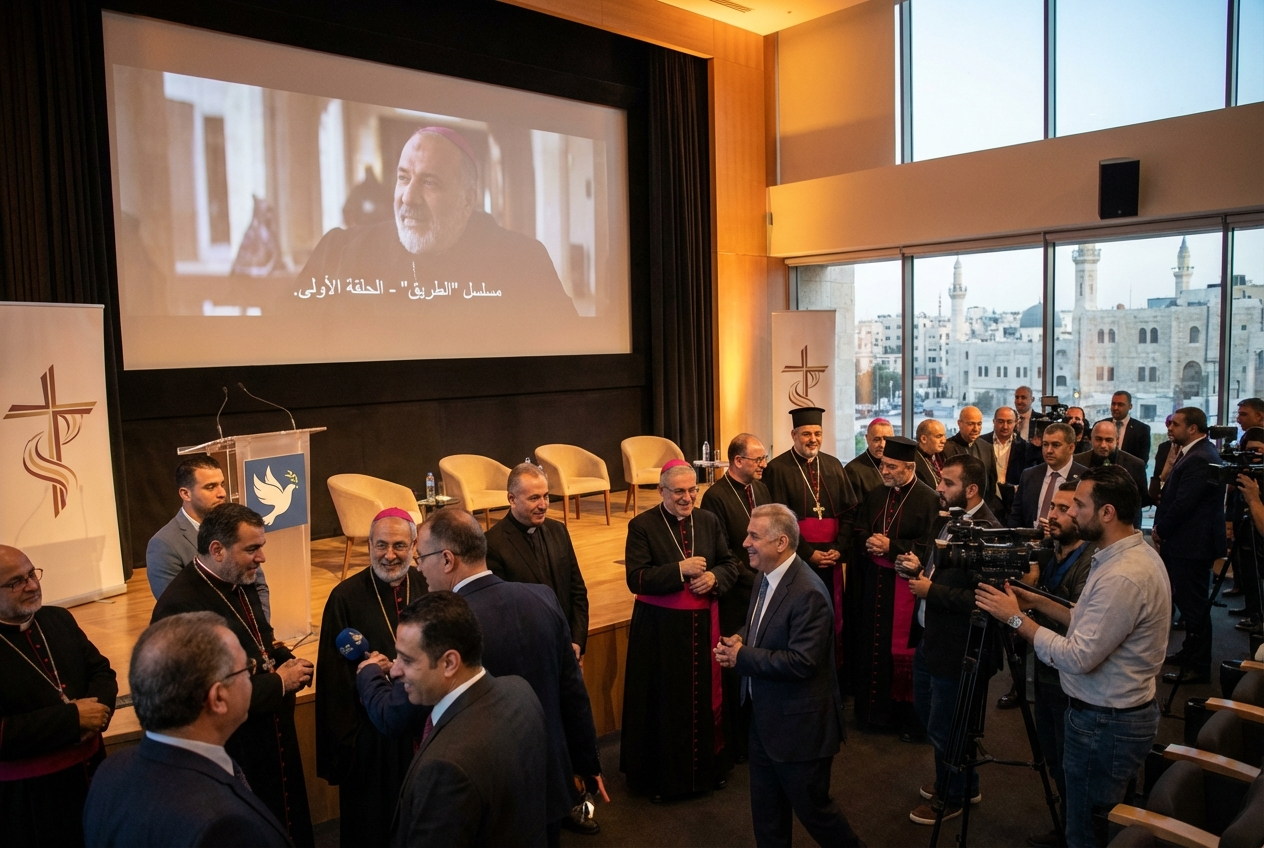
- Jordan hosted the official launch of The Chosen’s Arabic-dubbed version, attracting church leaders and media from across the region.
- This milestone event featured public screenings and was supported by both Christian leaders and the Catholic Media Center under the patronage of Princess Rym Ali.
- The Chosen, now in over 140 languages, offers a biblically grounded portrayal of Jesus Christ, with a growing impact on audiences worldwide.
Jordan welcomed the Arabic-dubbed version of The Chosen with great enthusiasm, underscoring the country’s biblical heritage and commitment to fostering Christian unity.
Christian leaders and media representatives gathered to celebrate, highlighting the series’ faithful depiction of Jesus and its ability to inspire believers in the Arab world.
Grace Abu Daher played a key role in bringing the event to fruition, collaborating closely with the Catholic Church and media partners.
Father Rifat Bader emphasized the significance of launching the series in Jordan, a land marked by critical moments in biblical history, including Christ’s baptism.
“Jordan is the dawn of Christianity, a place where the ministry of Jesus began,” he affirmed.
The visiting team expressed gratitude for Jordan’s hospitality and the opportunity to visit significant biblical sites such as the Baptism Site and Mount Nebo.
The Chosen, created by Dallas Jenkins, continues to touch lives globally, drawing people to the Gospel through its authentic portrayal of Christ, now accessible in Arabic.
Attendees, including Rev. Botrus Mansour and Rev. Dr. Nabeeh Abbasi, commended the series for its faithfulness to the Gospel and its uplifting impact on Middle Eastern Christians.
Ruba Rihani remarked that the series powerfully presents Jesus as “the Word of God incarnate, present in suffering, confronting injustice.”
This event reminds us to cherish the timeless stories of Scripture and celebrate the role of media in sharing the hope and love of Christ with all nations. Stay connected with Faith and Freedom Report to uplift your faith and defend Christian values in today’s world.


Faith Facts
- The sack of Rome in 1527 by troops of Holy Roman Emperor Charles V marked one of Christianity’s darkest hours, yet the faith persevered
- Tiyo Soga became the first ordained black minister in South Africa, bringing the Gospel to his Xhosa people in the 19th century
- Saint Theodosius of the Caves founded monastic traditions that would influence Eastern Orthodox Christianity for centuries
Throughout history, the Christian faith has endured through triumph and tragedy, persecution and persecution overcome. This week marks the anniversaries of three significant events that demonstrate the resilience and spread of Christianity across different cultures and eras.
Each of these moments — from the violent sack of Rome to the peaceful baptism of a future African minister — reveals God’s hand at work even in the darkest times. These stories remind us that the Church has always been refined through trials and expanded through faithful servants.
The Sack of Rome: Christianity’s Dark Day in 1527
On May 6, 1527, troops serving Holy Roman Emperor Charles V descended upon Rome in one of the most devastating attacks on Christendom’s heart. The forces, consisting largely of German Lutheran mercenaries and Spanish soldiers, pillaged the Eternal City for months.
Pope Clement VII took refuge in the Castel Sant’Angelo as churches were desecrated and treasures looted. The attack represented not just a political conflict but a spiritual crisis, as Christian soldiers violated the seat of the papacy.
Despite this catastrophe, the Catholic Church rebuilt and continued its mission. The event ultimately contributed to the Catholic Counter-Reformation, demonstrating how God can bring renewal even from destruction.
Tiyo Soga: Pioneer of African Christianity
In December 1848, Tiyo Soga was baptized, beginning a journey that would make him the first ordained black minister from South Africa. Born into the Xhosa nation, Soga embraced Christianity and dedicated his life to bringing the Gospel to his people.
Soga traveled to Scotland for theological training, where he not only completed his studies but also married a Scottish woman — a controversial decision at the time. He returned to South Africa to minister among his own people, translating Christian texts into Xhosa.
His life exemplifies how the Great Commission transcends cultural boundaries. Soga’s ministry proved that the Gospel message was not confined to European Christianity but belonged to all nations and peoples, as Scripture promises.
Saint Theodosius: Builder of Orthodox Monasticism
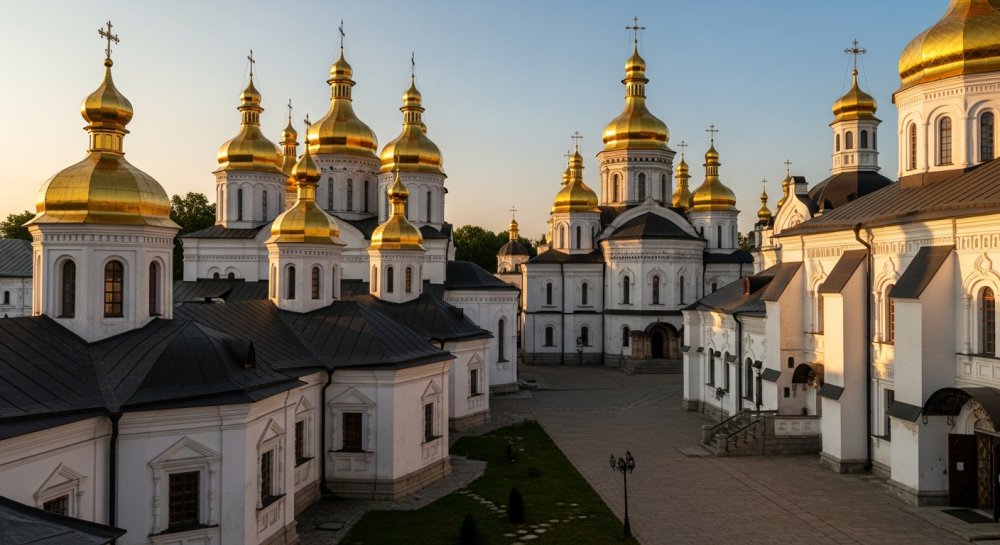
Saint Theodosius of the Caves died on May 3, 1074, leaving behind a monastic legacy that would shape Eastern Orthodox Christianity for generations. As co-founder of the Kyiv Pechersk Lavra monastery in Ukraine, he established strict communal living rules based on Byzantine traditions.
Theodosius emphasized prayer, fasting, and service to the poor. His monastery became a spiritual and cultural center, producing clergy, scholars, and saints who spread Orthodox Christianity throughout Eastern Europe.
The monastic tradition he fostered preserved Christian learning and practice through centuries of political upheaval. His dedication to disciplined spiritual life reminds modern believers of the importance of commitment and community in the faith.
Lessons for Today’s Church
These three events from Christian history offer valuable lessons for contemporary believers. The sack of Rome demonstrates that even when the Church faces assault, God’s purposes cannot be thwarted.
Tiyo Soga’s baptism and ministry show that the Gospel breaks down racial and cultural barriers, fulfilling Christ’s command to make disciples of all nations. Saint Theodosius reminds us that structured spiritual discipline and community strengthen faith across generations.
In an era when Christianity faces challenges both from without and within, these historical examples encourage us to remain faithful. The Church has survived worse trials and emerged stronger, always advancing the Kingdom of God.
Let us know what you think, please share your thoughts in the comments below.
Faith Facts
- The United Kingdom, Sweden, and Germany are experiencing some of the largest net losses of Protestant believers worldwide, according to new research on religious switching patterns.
- These historically Protestant nations, long seen as spiritual allies to American faith communities, are witnessing unprecedented departures from traditional Christianity.
- The findings raise urgent questions about the future of Protestant Christianity in Western nations and what lessons American believers can draw from Europe’s spiritual decline.
A comprehensive new study examining religious switching across the globe has revealed troubling trends for Protestant Christianity in some of America’s closest international allies. The research identifies the United Kingdom, Sweden, and Germany—nations with deep Protestant heritage—as experiencing the most significant net losses of Protestant adherents.
For centuries, these European nations stood as bastions of the Reformation faith that shaped Western civilization and influenced the founding principles of the United States. Their current spiritual condition serves as a sobering warning for American Christians who cherish their Protestant heritage.
The study’s findings on religious switching paint a picture of Christianity in retreat across much of Western Europe. Where Protestant churches once filled with faithful congregations, many now stand empty or converted to secular uses. The cultural shift away from traditional Christian faith has accelerated in recent decades, particularly among younger generations.
Sweden, once home to a robust Lutheran tradition, has seen particularly dramatic declines. Germany, the birthplace of the Reformation under Martin Luther, is experiencing similar losses. The United Kingdom, despite its established Church of England, continues to see Protestant numbers dwindle as secularism advances.
These trends stand in stark contrast to the religious vitality still present in many parts of the United States, where Protestant Christianity remains a significant cultural and spiritual force. However, the European experience offers important lessons about the consequences of cultural drift from biblical values and the importance of faithful witness in increasingly secular societies.
For American Christians, the European situation underscores the critical need to remain steadfast in faith, committed to biblical truth, and engaged in passing down Christian heritage to the next generation. The losses experienced overseas demonstrate what can happen when churches compromise core doctrines or fail to effectively disciple believers.
The research highlights the importance of strong, biblically grounded churches that can withstand cultural pressures to abandon traditional Christian teaching. It also points to the need for believers to be intentional about their faith rather than relying on cultural Christianity or nominal church affiliation.
As America faces its own spiritual challenges, the Protestant decline in Europe serves as both warning and motivation. Christians across the United States must recognize that the faith of previous generations cannot be taken for granted and requires active cultivation, defense, and transmission to future generations.
Let us know what you think, please share your thoughts in the comments below.
Faith Facts
- Generation Z has unprecedented access to spiritual content yet reports feeling disconnected from authentic faith experiences
- Traditional discipleship models are failing to engage young believers in meaningful spiritual formation
- Young Christians are seeking genuine encounters with God beyond digital information consumption
American churches face a sobering reality: despite living in an age of unprecedented access to biblical teaching, sermon podcasts, worship music, and spiritual content, the next generation remains spiritually malnourished. The problem isn’t a lack of information—it’s the absence of genuine transformation.
Generation Z can stream thousands of sermons, access countless Bible study apps, and follow dozens of Christian influencers on social media. Yet this digital abundance has not produced the spiritual depth and commitment seen in previous generations. Instead, many young people report feeling disconnected from authentic faith, viewing Christianity as a set of principles rather than a living relationship with Jesus Christ.
The current discipleship model prioritizes knowledge transfer over life transformation. Sunday school classes, youth groups, and even seminary education often focus on imparting biblical facts while neglecting the call to holiness, sacrifice, and daily surrender to Christ. Young believers can articulate theological concepts yet struggle to apply scriptural truth to their everyday decisions.
This crisis reveals a fundamental misunderstanding of what discipleship actually means. Jesus didn’t call His followers to simply learn about Him—He called them to follow Him, to deny themselves, take up their cross daily, and be transformed into His image. True discipleship requires personal mentorship, accountability, and modeling of the Christian life in real-world contexts.
The spiritual hunger among Generation Z represents both a crisis and an opportunity for the American church. These young people aren’t satisfied with shallow religiosity or performance-based Christianity. They’re searching for authenticity, longing for a genuine encounter with the living God that changes everything about how they live.
Churches must return to biblical models of discipleship that emphasize relationship over programs, character formation over information accumulation, and Spirit-empowered living over intellectual assent. This means older believers investing intentionally in younger Christians, opening their lives as examples of faith in action, and creating spaces where honest questions and real struggles can be addressed with biblical wisdom.
The path forward requires churches to prioritize quality over quantity, depth over breadth. Rather than entertaining youth with engaging programs, churches must challenge them with the radical call of Christ. Young people need to see what it looks like to pray fervently, worship authentically, serve sacrificially, and stand boldly for biblical truth in a hostile culture.
American Christianity cannot afford to lose another generation. The stakes are too high, both for individual souls and for the future of our nation. When young believers encounter the transforming power of Jesus Christ through genuine discipleship, they become world-changers who impact their families, communities, and culture for the Kingdom of God.
The answer isn’t more content, better technology, or trendier youth programs. The answer is returning to the ancient path of Christian discipleship—walking alongside younger believers, modeling authentic faith, and pointing them to a genuine, life-changing relationship with Jesus Christ.
Let us know what you think, please share your thoughts in the comments below.


-

 Self-Reliance1 year ago
Trump’s Bold Move Uncovers Massive Social Security Fraud
-

 Faith1 year ago
New Clues Emerge in Noah’s Ark Mystery
-

 News1 year ago
Governor Walz’s Rhetoric Sparks National Controversy
-

 News1 year ago
Mel Gibson’s ‘The Passion of the Christ’ Sequel Title Announced
-

 Family1 year ago
Texas Lawmaker Targets Furries in Schools
-

 Freedom1 year ago
Maine Lawmaker Challenges Sports Fairness Controversy
-

 Family11 months ago
Canada’s Controversial Policy Sparks Ethical Debate
-
Faith5 months ago
Congress Hears Pleas for Nigerian Christians