
Faith
Ancient Temple Discovery Reveals Evidence of Biblical Jerusalem

Faith Facts
- Archaeologists have discovered charred wooden beams believed to originate from Solomon’s Temple in Jerusalem, according to the Israel Antiquities Authority
- The findings provide tangible archaeological evidence supporting biblical historical accounts of the First Temple period
- The discovery represents a significant validation of Scripture for believers and strengthens historical understanding of ancient Jerusalem
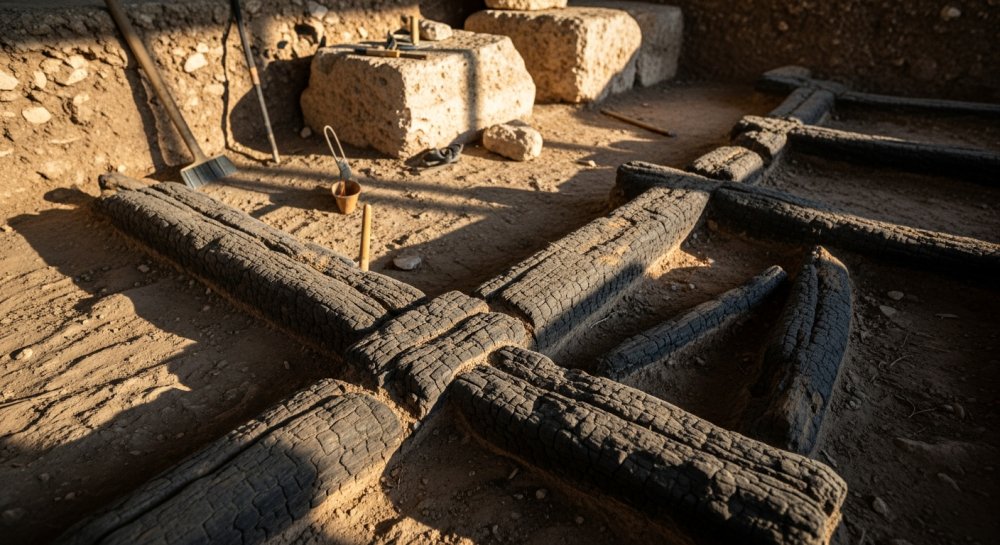
A remarkable archaeological discovery in Jerusalem has uncovered charred wooden remains that researchers believe originated from Solomon’s Temple, offering powerful physical evidence of biblical history. The Israel Antiquities Authority announced the significant finding, which provides believers with another tangible connection to the sacred narratives preserved in Scripture.
The discovery of these ancient wooden beams, preserved through charring during what was likely the destruction of the First Temple, offers a rare glimpse into one of the most important religious sites in human history. Solomon’s Temple, as described in 1 Kings and 2 Chronicles, served as the centerpiece of ancient Israelite worship and housed the Ark of the Covenant.
For Christians and Jews alike, this archaeological evidence reinforces the historical accuracy of biblical accounts. The Temple, built by King Solomon around 957 BC, stood as a testament to God’s covenant with His people until its destruction by the Babylonians in 586 BC.
The Israel Antiquities Authority’s work continues to validate the historical foundations of faith, demonstrating that the biblical record is not mere mythology but grounded in verifiable history. Such discoveries strengthen believers’ confidence in Scripture while providing scholars with invaluable insights into ancient worship practices and construction methods.
The charred condition of the wooden remains aligns with biblical and historical accounts of the Temple’s fiery destruction, serving as a somber reminder of both judgment and the faithfulness of God’s Word across millennia. These findings contribute to the growing body of archaeological evidence that consistently affirms the reliability of biblical testimony.
Let us know what you think, please share your thoughts in the comments below.

Faith Facts
- Dwayne ‘The Rock’ Johnson credits his Christian faith with helping him survive severe depression and personal struggles
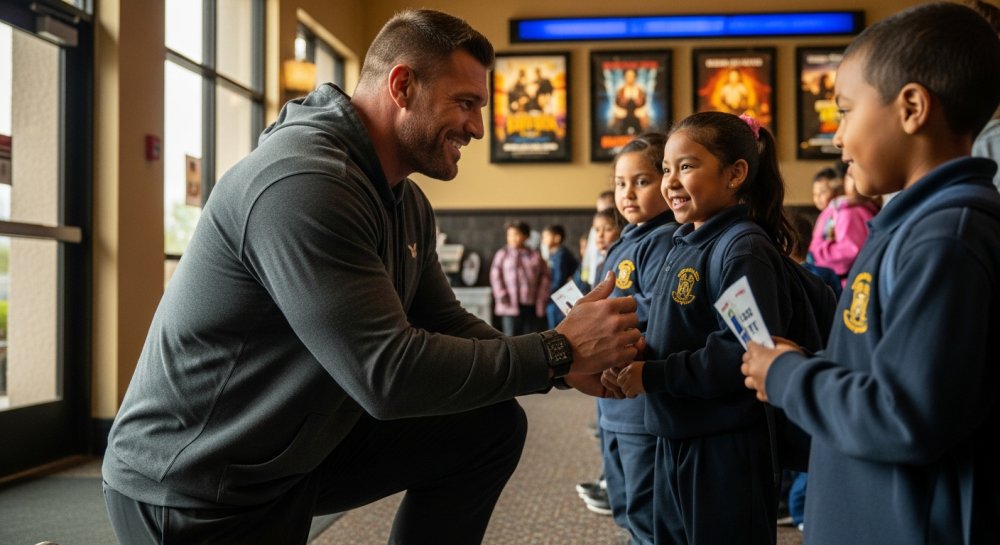
- The Hollywood star recently blessed schoolchildren in Essex with a private screening of his Disney film Moana
- Johnson’s acts of generosity and public faith have made him one of America’s most beloved entertainers
In a world where Hollywood celebrities often hide their faith or compromise their values, Dwayne ‘The Rock’ Johnson stands apart. The former WWE champion turned blockbuster actor has never been shy about crediting his Christian faith for pulling him through the darkest valleys of his life.
Johnson’s recent act of kindness — hiring out an entire cinema in Essex, England for a private screening of his Disney film Moana for local schoolchildren — is just the latest example of a man who puts faith into action. These gestures aren’t publicity stunts; they’re reflections of deeply held values rooted in his Christian upbringing.
The superstar has been remarkably transparent about his struggles with depression, particularly following his mother’s suicide attempt when he was just 15 years old. In interviews, Johnson has spoken candidly about how those traumatic experiences could have destroyed him.
“I had to hold onto faith,”
Johnson has said repeatedly when discussing his journey through mental health challenges and professional setbacks.
Before becoming one of the highest-paid actors in Hollywood, Johnson faced crushing disappointment when his dreams of playing professional football ended due to injury. He found himself living in a tiny apartment with just seven dollars to his name. It was his faith, he says, that kept him from giving up entirely.
The Rock’s Christian foundation was laid early. Raised in a family with deep roots in professional wrestling, Johnson attended Freedom High School in Bethlehem, Pennsylvania, and later the University of Miami, where he played defensive tackle for the Hurricanes. Throughout those formative years, faith remained central to his identity.
Today, Johnson uses his massive platform — he boasts over 200 million Instagram followers — to share messages of encouragement, gratitude, and perseverance that often echo biblical principles. While he doesn’t preach from a pulpit, his authentic approach to discussing struggle, redemption, and the importance of faith resonates with millions of Americans who share traditional Christian values.
His generosity extends far beyond movie screenings. Johnson regularly surprises fans with cars, pays off mortgages for veterans, and uses his production company to create family-friendly content that aligns with positive values. In an entertainment industry often hostile to Christianity, The Rock demonstrates that success and faith can coexist.
The private Moana screening in Essex exemplifies Johnson’s heart for children and families. Rather than simply promoting his film through traditional marketing, he chose to create a memorable, personal experience for kids who might not otherwise have such an opportunity. It’s the kind of quiet generosity that reflects the biblical instruction to give without seeking recognition.
Johnson’s journey from depression and financial ruin to global superstardom serves as a powerful testimony to the sustaining power of faith. His willingness to be vulnerable about his struggles while pointing to faith as his anchor offers hope to countless Americans facing their own battles.
In a culture that increasingly mocks traditional Christianity and dismisses faith as irrelevant, Dwayne Johnson proves that holding onto biblical principles — even when times are darkest — can lead to transformation. His story reminds us that true strength isn’t found in muscles alone, but in the Rock that never moves: faith in God.
Let us know what you think, please share your thoughts in the comments below.

Faith Facts
- Andy Burnham is being urged to restore the UK’s overseas aid budget as he enters office as prime minister
- Christian leaders are calling on the new government to demonstrate biblical principles of compassion and stewardship in foreign policy
- The decision represents a crucial test of whether faith values will guide Britain’s international commitments
As Britain welcomes a new prime minister to Downing Street, faith leaders and conservative advocates are making a clear call: restore the nation’s commitment to international aid. Andy Burnham now faces a defining moral decision that will reveal whether his government will prioritize Christian principles of compassion and responsibility on the world stage.
Tommy Sharpe has issued a direct challenge to the incoming prime minister, framing the restoration of the UK’s overseas aid budget as a matter of Christian duty. The appeal comes at a time when many Western nations are grappling with how to balance domestic needs against international obligations.
For Christians who believe in Biblical stewardship and the call to serve “the least of these,” foreign aid represents more than just government spending—it embodies the principle that blessed nations have a duty to help those in desperate need. The question facing Burnham is whether political calculations will override moral imperatives rooted in faith traditions that have long shaped British society.
The UK’s foreign aid budget has been a contentious issue in recent years, with some arguing that charity begins at home while others maintain that wealthy nations have a God-given responsibility to assist the poorest and most vulnerable around the world. Conservative Christians have found themselves on both sides of this debate, weighing fiscal responsibility against compassionate outreach.
Sharpe’s appeal specifically frames aid restoration as “the Christian thing to do,” making explicit the faith dimension of what might otherwise be viewed as purely economic policy. This framing resonates with believers who see government action as an extension of personal moral responsibility and Biblical teaching about caring for neighbors near and far.
As Burnham settles into his new role, he faces competing pressures from various constituencies. His response to calls for aid restoration will signal not only his government’s spending priorities but also the role that traditional Christian values will play in shaping Britain’s global engagement.
The decision ahead carries implications beyond budgetary numbers. It speaks to fundamental questions about national character, moral leadership, and whether prosperity creates obligations to those less fortunate—questions that have animated Christian political thought for centuries and continue to challenge believers seeking to apply faith principles to governance.
Let us know what you think, please share your thoughts in the comments below.
Faith Facts
- A church elder and worship leader were among six Christians killed in a targeted attack on a rural community in eastern Democratic Republic of Congo.
- The assault is part of an ongoing wave of violence against Christian communities in the region by Islamic extremist groups.
- Believers in eastern DRC continue to face persecution while maintaining their faith despite constant threats to their lives.
Christian communities in the Democratic Republic of Congo are once again mourning their own after a brutal attack claimed the lives of six believers, including key church leaders who dedicated their lives to serving God and their congregation.
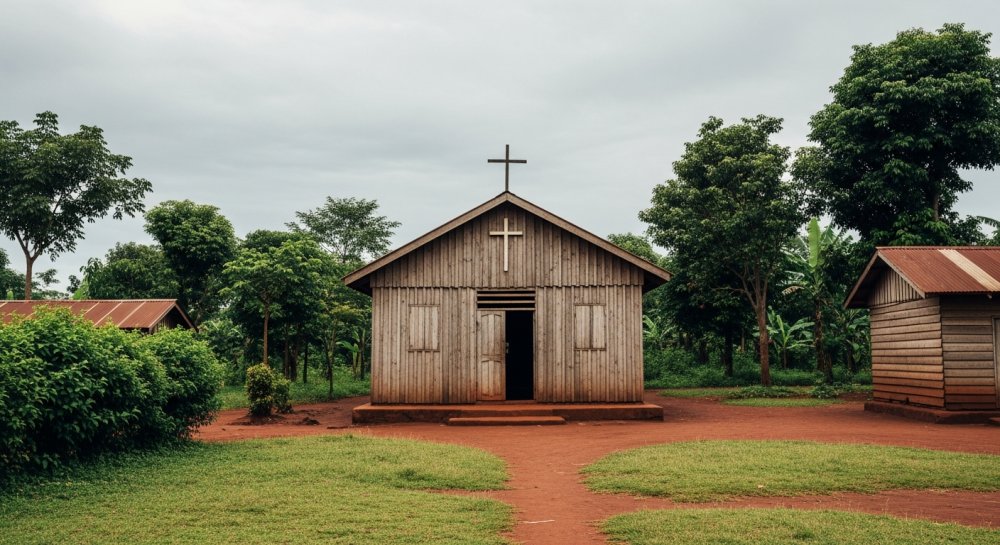
A church elder and worship leader were among those murdered in the latest assault on a rural Christian community in the eastern region of the country. The targeted nature of these attacks underscores the persistent threat facing Christians in this war-torn area.
This tragedy represents just the latest chapter in an ongoing campaign of violence that has terrorized Christian families throughout eastern DRC. Believers in these communities face a daily reality of fear, yet they continue to gather for worship and maintain their witness for Christ despite the dangers.
The eastern provinces of the DRC have become a hotbed of extremist violence, with Christian villages particularly vulnerable to raids and attacks. Families are forced to choose between fleeing their ancestral homes or remaining to face potential martyrdom for their faith.
These attacks serve as a sobering reminder of the price many of our brothers and sisters in Christ pay simply for gathering to worship. While American Christians enjoy freedom and security in their churches, believers in places like the DRC risk their lives every time they answer the call to serve in ministry.
The loss of a church elder and worship leader represents not just the death of individuals, but the silencing of spiritual shepherds who guided their communities in faith. Their sacrifice echoes the countless martyrs throughout history who refused to abandon their testimony for Christ, even unto death.
As these attacks continue with alarming frequency, the international Christian community must remain vigilant in prayer and support for our persecuted brothers and sisters. The blood of martyrs waters the seeds of the Gospel, but we are called to stand with those who suffer for the name of Christ.
The targeting of Christian leaders reveals a calculated strategy to destabilize and demoralize faith communities. By eliminating those who provide spiritual guidance and leadership, persecutors hope to scatter the flock and weaken the Church’s witness in the region.
Yet history demonstrates that the Church has always grown strongest under persecution. The faith that sustained the early martyrs continues to embolden believers in eastern Congo who refuse to renounce Christ despite the ultimate cost.
Let us know what you think, please share your thoughts in the comments below.


-

 Self-Reliance1 year ago
Trump’s Bold Move Uncovers Massive Social Security Fraud
-

 Faith1 year ago
New Clues Emerge in Noah’s Ark Mystery
-

 News1 year ago
Governor Walz’s Rhetoric Sparks National Controversy
-

 News1 year ago
Mel Gibson’s ‘The Passion of the Christ’ Sequel Title Announced
-

 Family1 year ago
Texas Lawmaker Targets Furries in Schools
-

 Freedom1 year ago
Maine Lawmaker Challenges Sports Fairness Controversy
-

 Family1 year ago
Canada’s Controversial Policy Sparks Ethical Debate
-
Faith8 months ago
Congress Hears Pleas for Nigerian Christians