
Faith
America’s Churches Are Preaching a Gospel That’s Too Small

Faith Facts
- Many modern churches have reduced Christianity to a smaller version of the full Gospel message
- The diminished teaching doesn’t necessarily contain false doctrine, but leaves out essential biblical truths
- Church leaders are called to restore the complete counsel of Scripture to their congregations
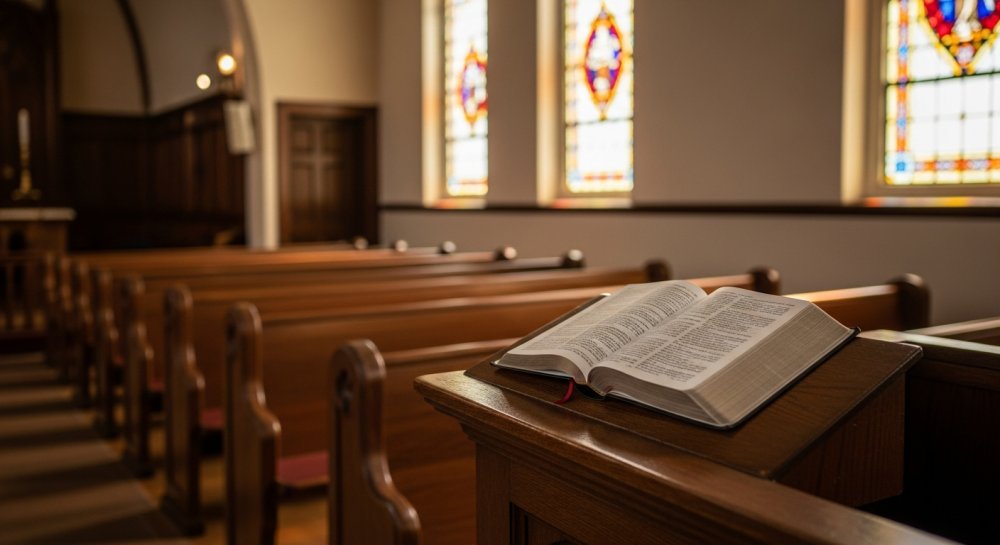
Across America, a troubling pattern has emerged in our houses of worship. Christianity itself hasn’t changed, but what’s being preached from many pulpits has. The faith that transformed civilizations and shaped our nation’s founding is being presented in a form that’s drastically smaller than what Scripture actually reveals.
This reduction isn’t always about heresy or outright false teaching. The problem is more subtle and perhaps more dangerous because of it. Churches are preaching truth—just not the whole truth. Believers are getting a portion of the Gospel when God intended them to receive the fullness of His revelation.
When churches shrink the Gospel, they rob believers of the complete biblical worldview that addresses every area of life. The Christian faith speaks to family, government, culture, morality, work, and citizenship. Yet many congregations have confined their teaching to personal salvation and emotional comfort, leaving believers unprepared to live out their faith in a hostile culture.
Our founders understood that a nation built on biblical principles required citizens who knew those principles thoroughly. They recognized that Christianity wasn’t just about individual souls but about shaping righteous communities and just governance. Today’s truncated Gospel often fails to equip believers for this comprehensive calling.
The apostle Paul warned against this very tendency. He told the Ephesian elders that he had not shrunk back from declaring “the whole counsel of God.” That complete message includes not just grace and love, but also holiness, judgment, repentance, and the Lordship of Christ over all creation.
When churches present only the comfortable parts of Scripture—forgiveness without repentance, grace without holiness, heaven without hell—they create spiritually malnourished Christians. These believers may be saved, but they lack the robust faith needed to stand firm when their values are challenged, their freedoms threatened, or their families attacked.
The solution requires courage from church leadership. Pastors must commit to preaching the full counsel of Scripture, even when it contradicts cultural trends or makes people uncomfortable. Sunday school teachers need to ground children in biblical truth, not watered-down stories. Small groups should wrestle with Scripture’s hard passages, not just its encouraging ones.
American Christianity at its best has always been comprehensive—addressing spiritual, moral, social, and civic responsibilities. The Great Awakening didn’t just fill church pews; it sparked social reform and inspired the principles of liberty that birthed our nation. That same comprehensive Gospel is needed today.
Believers deserve the whole Gospel. They need to hear about sin and salvation, judgment and mercy, faith and works, individual responsibility and corporate witness. They need teaching that equips them to raise godly families, engage their culture, defend truth, and preserve freedom.
The church’s mission isn’t to shrink the Gospel to fit modern sensibilities. Our calling is to proclaim the timeless, complete message of Scripture and trust the Holy Spirit to transform hearts, families, and nations. Only when we present Christianity in its fullness will we see the spiritual awakening our country desperately needs.
Let us know what you think, please share your thoughts in the comments below.

Faith Facts
- The Pew Research Center released its Future of World Religions report on 18 November 2026, projecting changes in religious populations over the next fifty years.
- Islam is projected to surpass Christianity as the world’s largest religious group.
- Scripture calls believers to respond with faith rather than fear to shifting global demographics.
The Pew Research Center’s latest projection on the future of world religions has stirred discussion among believers worldwide. The report released on 18 November 2026 outlines how seven major religious groups are expected to evolve over the coming decades.
Many Christians may feel uneasy at the suggestion that Islam could become the largest religious group globally. Yet scripture reminds us that God’s truth is not determined by numbers or popularity.
“Have I not commanded you? Be strong and courageous. Do not be afraid; do not be discouraged, for the Lord your God will be with you wherever you go.”
Joshua 1:9 offers a clear directive for believers facing uncertain times. The call is not to retreat or despair but to stand firm in faith.
Projections about religious growth should not shake the confidence of those who follow Christ. The mission of the Church remains unchanged regardless of demographic trends.
“And surely I am with you always, to the very end of the age.”
Jesus’ promise in Matthew 28:20 reassures believers that His presence endures beyond any statistical shift. The Great Commission continues to guide Christian witness.
Instead of fear, believers are called to prayer, bold proclamation, and faithful living. The future of the Church rests in God’s hands, not in population charts.
Let us know what you think, please share your thoughts in the comments below.
Faith Facts
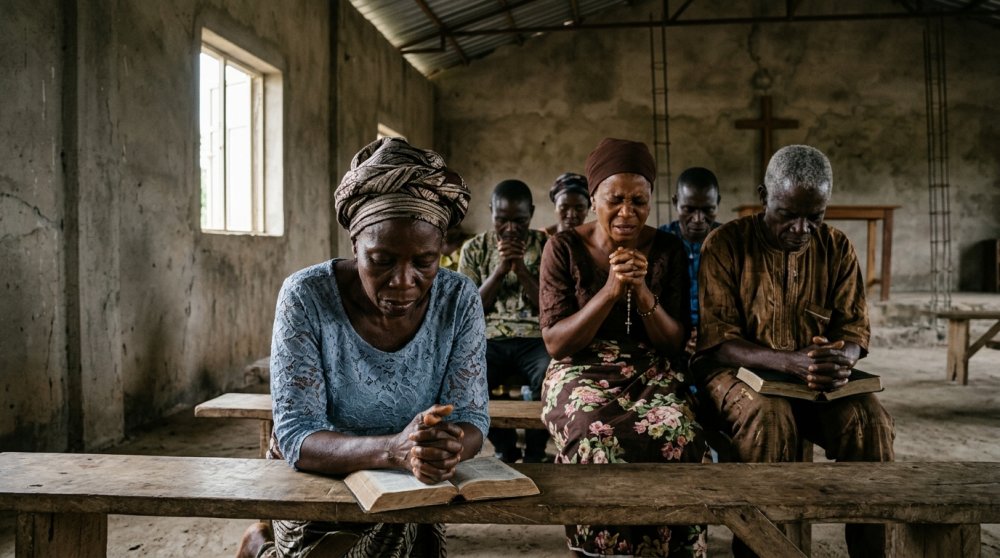
- Nigeria and North Korea rank among the world’s top ten nations for severe Christian persecution.
- Believers in these regions face imprisonment, violence, and death for their faith.
- Reports show that many persecuted Christians respond with forgiveness rather than hatred.
Christian communities around the world continue to face intense persecution for their faith.
Two nations stand out as the most hostile environments for believers today.
In Nigeria and North Korea, followers of Christ endure systematic oppression and violence.
Despite these dangers, many persecuted Christians speak openly about the sustaining power of their faith.
They also testify to the grace that allows them to forgive those who persecute them.
Reports indicate that this response of forgiveness stands in stark contrast to the hatred directed against them.
Let us know what you think, please share your thoughts in the comments below.
Faith Facts
- Scripture teaches that the Holy Spirit intercedes for believers with groanings too deep for words when human language fails.
- Christian tradition holds that God hears the heart’s cry even when spoken prayer seems impossible.
- Believers are encouraged to draw near to God in faith trusting His promises of presence and comfort.
What do you do when you need God and cannot find the words to pray? The question strikes at the core of every believer’s walk with Christ.
Scripture offers both comfort and direction in such moments. Romans 8 reminds us that the Spirit Himself intercedes for us.
“Likewise the Spirit helps us in our weakness. For we do not know what to pray for as we ought, but the Spirit himself intercedes for us with groanings too deep for words.”
This divine intercession assures Christians that their prayers need not be eloquent to reach heaven. God values sincerity over polished phrases.
Many saints throughout history have testified to seasons of wordless communion with the Lord. Their experience echoes the truth that presence often matters more than perfect speech.
“Be still, and know that I am God.”
Psalm 46:10 continues to guide believers who struggle to articulate their needs. Silence before the throne can become its own powerful prayer.
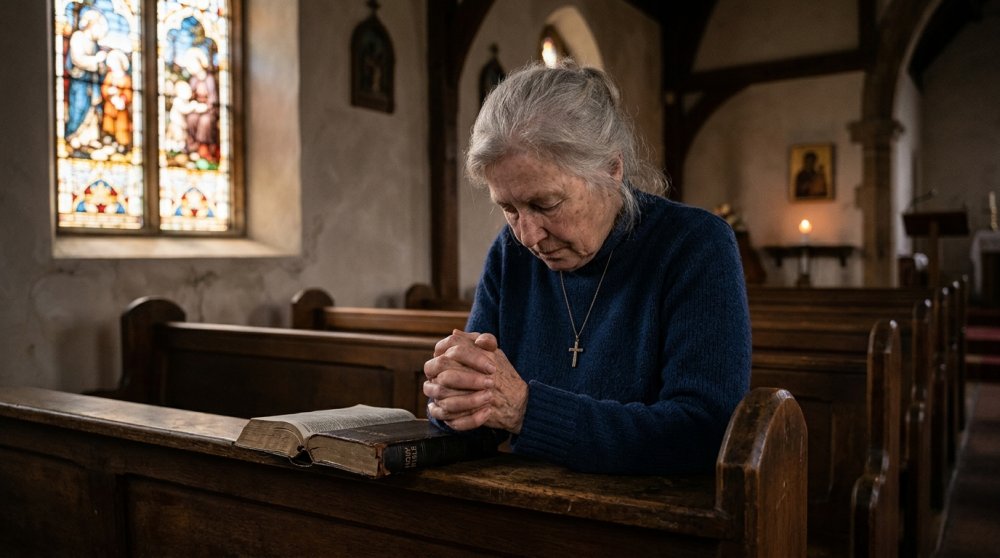
Practical steps include opening the Bible and allowing God’s Word to speak when personal words fail. Reading Scripture slowly can stir the heart toward renewed trust.
Some Christians also find strength by simply repeating the name of Jesus or by offering a single honest sentence such as “Lord have mercy.”
“The Lord is near to all who call on him, to all who call on him in truth.”
Psalm 145:18 reinforces the promise that God draws close to those who seek Him even without polished prayers. His faithfulness does not depend on our eloquence.
Ultimately the answer to wordless seasons lies in resting on God’s character rather than on our own ability to perform. The Father knows what His children need before they ask.
Let us know what you think, please share your thoughts in the comments below.


-

 Self-Reliance2 years ago
Trump’s Bold Move Uncovers Massive Social Security Fraud
-
 Faith2 years ago
New Clues Emerge in Noah’s Ark Mystery
-

 News2 years ago
Governor Walz’s Rhetoric Sparks National Controversy
-

 News2 years ago
Mel Gibson’s ‘The Passion of the Christ’ Sequel Title Announced
-

 Family2 years ago
Texas Lawmaker Targets Furries in Schools
-

 Freedom2 years ago
Maine Lawmaker Challenges Sports Fairness Controversy
-

 Family2 years ago
Canada’s Controversial Policy Sparks Ethical Debate
-
Faith1 year ago
Congress Hears Pleas for Nigerian Christians