
Freedom
America’s Alliance With Britain Hinges on Religious Liberty

Faith Facts
- The United Kingdom is moving away from robust free speech protections that traditionally safeguarded Christian expression
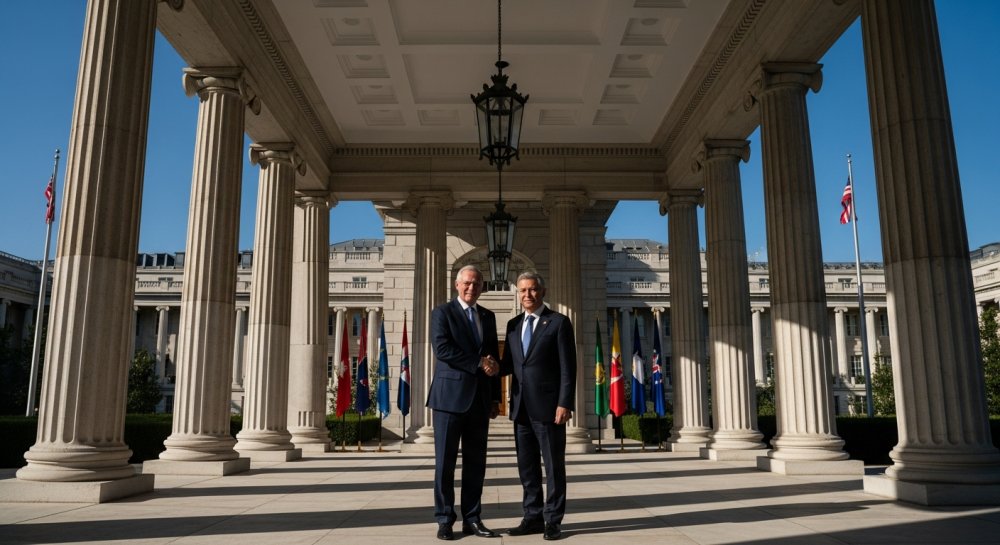
- King Charles recently visited the White House, symbolizing the historic ‘special relationship’ between the U.S. and UK
- Growing restrictions on Christian speech in Britain could threaten the centuries-old alliance between the two nations
For centuries, Britain and America have stood together as allies, bound by shared values and a commitment to liberty. King Charles’ recent visit to the White House reminded the world of this enduring partnership, often called the “special relationship.”
But beneath the pageantry and diplomatic pleasantries, a troubling divide is emerging. As the United Kingdom moves further away from protecting free speech—especially for Christians—that historic bond may be at risk.
The very foundation of our alliance with Britain has always rested on shared principles: the rule of law, individual liberty, and the protection of conscience. These are not abstract concepts.
They are the bedrock of both nations’ identities. Yet today, British authorities increasingly treat Christian expression as something to be regulated, restricted, or even criminalized.
Street preachers arrested for quoting Scripture. Pro-life advocates prosecuted for silent prayer near abortion facilities. Christians facing professional consequences for expressing biblical views on marriage and sexuality.
These are not isolated incidents. They represent a troubling pattern that should concern every American who values religious freedom.
Our Founders fled religious persecution in Europe to establish a nation where faith could flourish freely. The First Amendment wasn’t an afterthought—it was the first priority. Freedom of speech and the free exercise of religion were enshrined as foundational rights, not government-granted privileges.
Britain once understood this. The Magna Carta, the English Bill of Rights, and centuries of common law tradition influenced our own Constitution. But somewhere along the way, the UK began to drift from these moorings.
Today, “hate speech” laws and “public order” offenses are weaponized against Christians who dare to express traditional beliefs in public. The very same faith that shaped Western civilization is now treated as a threat to public order in the land that gave us the King James Bible.
This shift has profound implications for the U.S.-UK relationship. Americans will not—and should not—maintain special ties with a nation that persecutes people of faith. Our values are not negotiable.
Religious liberty is not a cultural preference or a political position. It is a God-given right that governments are duty-bound to protect.
The Biden administration may have overlooked these concerns, but a new generation of American leaders is watching closely. They understand that true allies share not just strategic interests, but fundamental values. If Britain continues down this path, treating Christian speech as something to be suppressed rather than celebrated, the special relationship will become increasingly difficult to justify.
This is not about forcing British law to mirror American law. Every nation has the right to chart its own course. But when a supposed ally begins to criminalize the very freedoms that define our identity as Americans, we must ask hard questions about the nature of that alliance.
The United States has long been a beacon of religious freedom to the world. We have welcomed refugees fleeing religious persecution, championed international religious liberty, and stood with believers facing oppression. We cannot remain silent when Christians in our closest ally face growing restrictions on their faith.
King Charles’ visit may have showcased the pomp and ceremony of the special relationship, but symbolism alone cannot sustain an alliance. Shared values must be more than rhetoric—they must be lived out in law and practice.
As Britain moves further from its heritage of liberty, American policymakers, faith leaders, and citizens must speak clearly: religious freedom is non-negotiable. If our British friends wish to maintain the special relationship, they must honor the rights of Christians to live and speak according to their beliefs.
The choice is Britain’s to make. But Americans should be clear about where we stand. Our alliance has always been built on more than mutual convenience—it has been rooted in shared principles of freedom and faith. Without those foundations, the special relationship cannot hold.
Let us know what you think, please share your thoughts in the comments below.

Faith Facts
- Angola’s church registration rules are drawing scrutiny from religious freedom advocates who fear smaller Christian communities may be locked out of legal recognition.
- African church leaders discussed the issue at a continental theological symposium in Nairobi.
- Proponents of traditional Christian values argue that such regulations threaten the free exercise of faith across the continent.
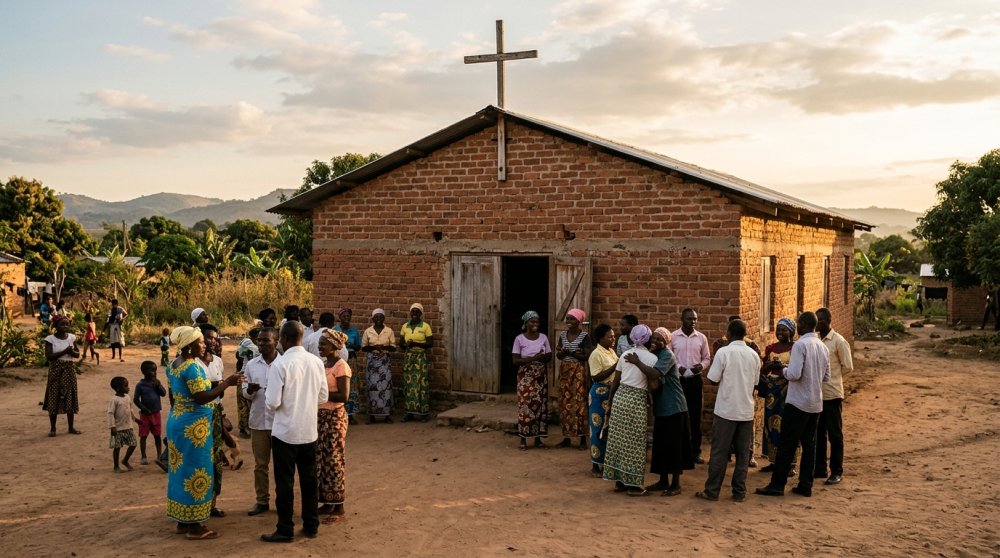
Religious freedom advocates are questioning whether church registration requirements in Angola are making it difficult for smaller Christian communities to gain legal recognition. The concerns surfaced after African church leaders examined the issue at a continental theological symposium in Nairobi.
Critics say the rules create unnecessary barriers that could stifle the growth of independent congregations. They warn that such restrictions undermine the foundational American principle of free exercise of religion.
“Religious freedom is not a privilege granted by the state but a God-given right that governments are duty-bound to protect,”
Christian leaders at the symposium voiced solidarity with Angolan believers. They urged governments to safeguard the ability of churches to worship without undue interference.
“We stand with our brothers and sisters in Angola and pray that their government will uphold the liberty to gather, preach, and serve without fear,”
The symposium highlighted a growing trend across parts of Africa where registration hurdles are complicating the work of smaller denominations. Advocates insist these policies run counter to the biblical call to spread the Gospel freely.
Let us know what you think, please share your thoughts in the comments below.
Faith Facts
- Erika Kirk is the CEO of Turning Point USA and addressed students at Liberty University.
- Kirk warned that online voices are spreading a counterfeit version of Christianity focused on chaos instead of truth.
- She encouraged believers to pursue the fruit of truth and order rather than the fruit of chaos.
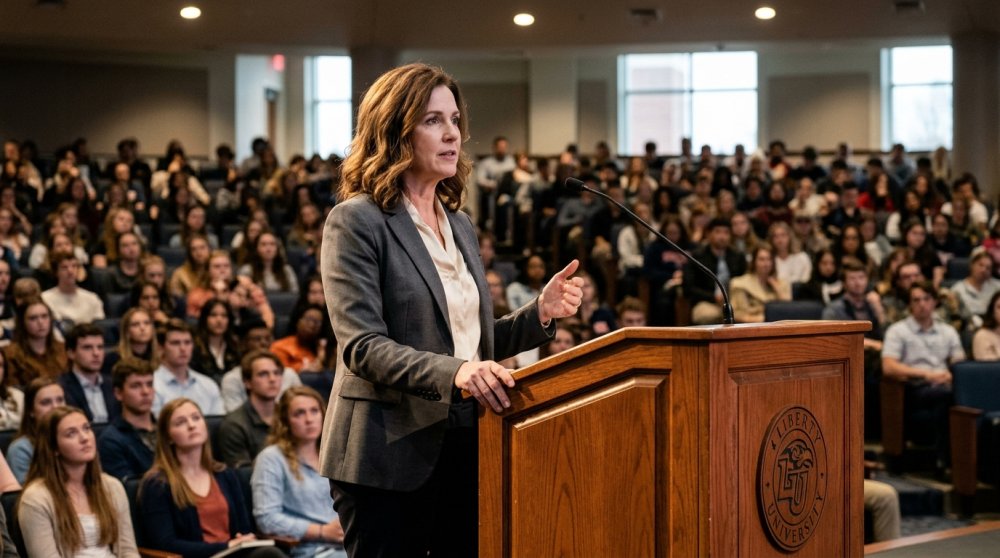
Turning Point USA CEO Erika Kirk delivered a powerful message to students at Liberty University. She urged young Christians to turn away from the distorted version of faith that dominates many corners of the internet.
Kirk described the online influence as counterfeit Christianity. She warned that it leads believers to chase chaos rather than truth.
“Turning Point USA CEO Erika Kirk is calling on Christians to reject the ‘counterfeit’ Christianity offered by the internet, warning against chasing ‘the fruit of chaos’ rather than ‘the fruit of truth and order.'”
Her remarks come at a time when many young believers are navigating competing messages about what it means to follow Christ. Kirk called on her audience to anchor their faith in Scripture and reject online trends that distort biblical truth.
Let us know what you think, please share your thoughts in the comments below.
Faith Facts
- Abraham Lincoln taught that the measure of any choice is whether it does more good than harm.
- Scripture repeatedly calls believers to choose what protects life, family, and freedom even when no perfect option exists.
- American history shows that principled citizens have often voted against greater evil to preserve liberty for future generations.
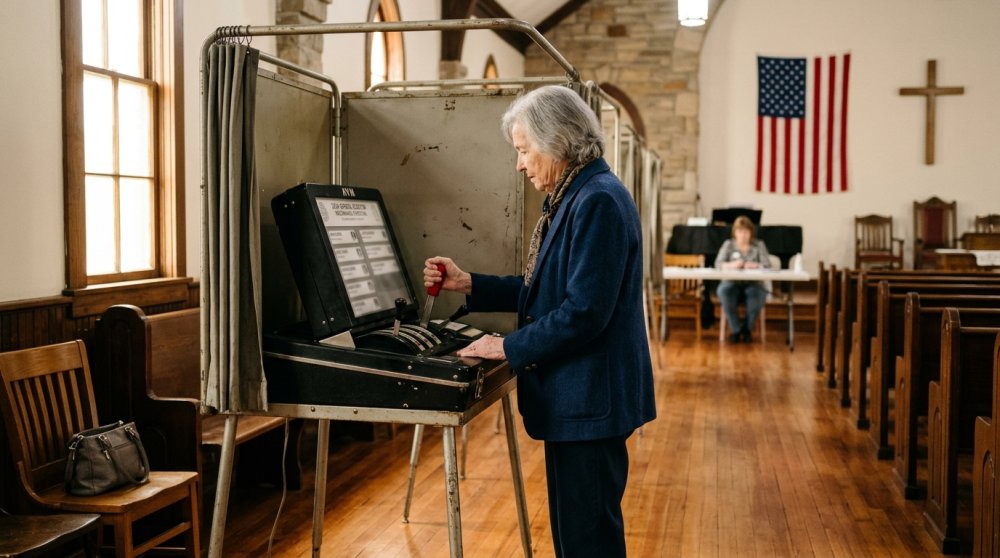
When the ballot offers only imperfect candidates, principled voters still have to choose. Abraham Lincoln argued that the real test of a choice isn’t whether it contains any evil, but whether it does more harm than good. By that test, voting against the worst is a moral act, not a compromise.
Many believers wrestle each election cycle with whether casting a ballot for the lesser of two evils betrays their convictions. Yet the alternative—staying home or scattering votes on third-party candidates—has repeatedly allowed the greater evil to prevail in close races.
History records several presidential contests where third-party efforts split the conservative vote and handed victory to policies hostile to faith, family, and freedom. Those outcomes remind Christians that abstaining is itself a choice with lasting consequences.
Let us know what you think, please share your thoughts in the comments below.


-

 Self-Reliance2 years ago
Trump’s Bold Move Uncovers Massive Social Security Fraud
-

 Faith2 years ago
New Clues Emerge in Noah’s Ark Mystery
-

 News2 years ago
Governor Walz’s Rhetoric Sparks National Controversy
-

 News2 years ago
Mel Gibson’s ‘The Passion of the Christ’ Sequel Title Announced
-

 Family2 years ago
Texas Lawmaker Targets Furries in Schools
-

 Freedom2 years ago
Maine Lawmaker Challenges Sports Fairness Controversy
-

 Family1 year ago
Canada’s Controversial Policy Sparks Ethical Debate
-
Faith11 months ago
Congress Hears Pleas for Nigerian Christians