
News
A High School Teacher Changed Everything — And The Lessons Still Echo

Faith Facts
- A Christian journalist reflects on how a high school journalism teacher shaped his 40-year career through timeless principles of truth and accuracy
- From a shy band student to Editor-in-Chief, the journey began in a small Texas town classroom in 1986
- Core journalistic values taught decades ago continue to guide faith-based reporting across 50 states and 20 countries
Ronald Reagan was president. “Top Gun” and “Ferris Bueller’s Day Off” were massive hits at the box office.
Telephones were attached to the wall, and long-distance calls were expensive. Not home?
People left messages on answering machines.
The year was 1986 in Keller, Texas — a small farm town about 15 miles north of Fort Worth. Big hair was everywhere, both in the hallways of Keller High School and across pop culture.
For one shy, introverted student who had moved through five states before settling in North Texas, that year would mark a turning point. The late Jack O’Pelt urged his friend to join him in taking a journalism class.
“Why not?” thought Bobby Ross Jr., who liked writing and needed an elective course.
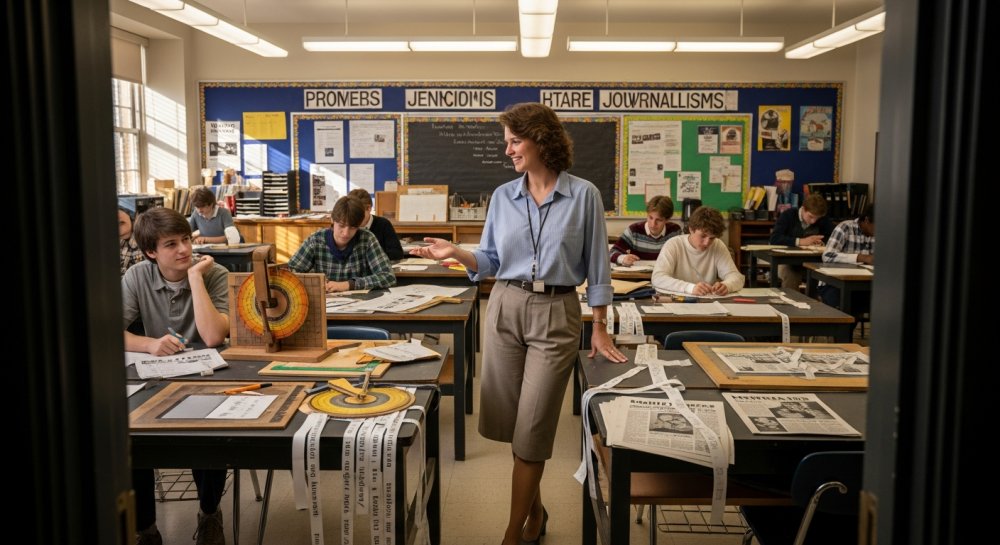
“Ms. Crane” — now Janie Crane Burchfield — was their teacher. And from the moment Ross walked into her classroom his sophomore year, her passion for core journalistic values such as truth, accuracy, fairness and impartiality resonated with him.
“The only reason I taught was to teach journalism,” she told Ross in a Facebook message this week.
In her class, students learned how to count headlines, which in the days before electronic pagination was necessary for print layout purposes. They steered proportion wheels to calculate photo sizes and cropping.
They wrote their stories in longhand and sent them to a typesetter, who returned strips of text they cut with X-acto knives and arranged on pages.
But those ancient skills weren’t the most important lessons Ms. Crane bestowed. She taught English students, too, but that subject wasn’t what drove her 25-year teaching career — journalism was her calling.
It didn’t take Ross long to decide he wanted to spend his life in the newspaper business. But first, he had to muster the courage to conduct his first interview.
Ross had moved around constantly as a child. His father served in the Air Force and then became a preacher.
He attended schools in five states — Arkansas, Louisiana, North Carolina, Missouri and Tennessee — before the family moved to Keller in 1982 for his parents to serve as houseparents at a Christian children’s home. In his freshman year at Keller High, he often ate lunch alone.
So when he got his first story assignment — a piece on the KHS stage band earning superior ratings — he scribbled his questions on a piece of paper. He snuck into band director Wayne Tympanick’s office and stuck his request for answers on his desk.
Before long, Tympanick came and found him.
“If you want to be a journalist, you need to sit down and ask me these questions,” he told Ross.
So he did.
Over the next two years, Ross devoted more and more of his time to The Wigwam, the student newspaper. He reported on topics ranging from students cheating to a fatal crash involving classmates he knew.
By the second half of his junior year, he became the editor.
He covered trends such as the “VCR craze” — as they described it in a headline. Here was the lede he wrote as an 18-year-old senior:
Signs that something’s sizzling, maybe even sweeping the nation, certainly abound. From the ever-expanding number of video specialty shoppes to local supermarkets to convenience stores, rent-a-movie places are popping up almost everywhere. Many teens are staying home on the weekends, popping their own corn and throwing “VCR parties”, as a substitute for those expensive, sky-high-priced trips to the movie theaters.
Besides their serious reporting, they had a whole lot of fun, too. His junior year, Keller High opened a new school building with a large classroom for the newspaper and yearbook staffs.
Each publication had its own office. They were side by side, and one day Ross mischievously lifted the tiles above the newspaper office and crawled into the ceiling space above the yearbook side to listen to the conversation below.
Fortunately, when he crashed to the ground as he left a messy crater overhead, a chair below softened his fall. Ms. Crane was anything but happy with him.
But she evidently didn’t kill him. Because he lived to type this.
Fellow Wigwam staff member Diana Williams — now Diana Dworin — was a year younger but just as devoted to a future in journalism. While Ross was a geeky teen, her outgoing, bubbly personality made her popular beyond the newspaper classroom.
She’d later attend the University of Texas and work as a journalist. One time, Dworin and Ross wrote a joint column on how “squeezing the Charmin” had joined the list of KHS extracurricular activities.
Yes, pranking people by covering their house, yard or trees with toilet paper was a thing even back then.
To Ross’s delight, Dworin — now a hospital chaplain and, like him, a doting grandparent — recently mailed him a package of old Wigwams that helped stir these memories.
Another Wigwam alum is Barry Ryan, a fellow Class of 1986 graduate who was one of Ross’s best friends at KHS. They still enjoy catching up from time to time at Texas Rangers games.
“We were a very good team that complemented each other well. I enjoyed both the camaraderie and, in the case of Bobby and Diana, the playful and healthy competition. As a bystander to it all, it was great to watch the banter and the occasional one-upmanship.”
“For me, the opportunity to explore, learn and develop skills in addition to some outstanding friendship was a privilege and a blessing,” Ryan added in a Facebook message.
Amen to all of that!
After graduating from KHS, Ross attended Oklahoma Christian University, where he edited the campus newspaper The Talon and earned his journalism degree in 1990. He later reported for small community newspapers in Oklahoma for three years before joining a major Oklahoma newspaper in 1993 and then going to work for The Associated Press in Nashville, Tennessee, in 2002.
Ross has spent the past 21 years with The Christian Chronicle, based in Oklahoma City. He’s traveled to all 50 states and 20 countries to cover the news.
He launched the Plug-in column for Religion Unplugged in 2020 and is in his seventh year of writing it.
In so many ways, he’s living his dream life as a journalist — four decades after his Wigwam days at Keller High. The foundation laid by a dedicated Christian teacher who believed in truth, accuracy, and the power of storytelling continues to shape every story he writes.
To all his friends in the Class of 1986, happy 40th anniversary! He knows there’s a reunion planned, but he won’t be able to make it.
Total honesty: That shy, introverted teen inside him never completely disappeared, and he’s still not ready for that level of social interaction.
Let us know what you think, please share your thoughts in the comments below.

Faith Facts
- Millions of dollars have been invested to help Church of England parishes improve energy efficiency across Britain.
- Many congregations are actively moving away from oil and gas heating systems in their church buildings.
- These changes reflect the stewardship responsibility Christians hold toward God’s creation.
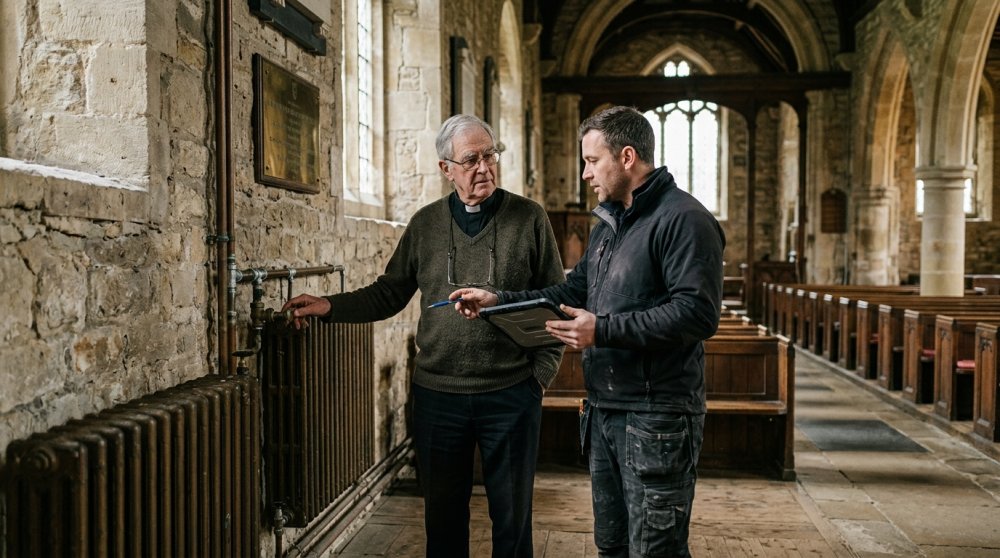
The Church of England is witnessing a growing number of parishes transitioning away from traditional oil and gas heating systems. Significant financial resources have been dedicated to this transformation across the denomination.
Energy efficiency upgrades are becoming a priority for church leaders seeking to reduce dependence on fossil fuels. The investment demonstrates a commitment to responsible stewardship of church resources.
Let us know what you think, please share your thoughts in the comments below.
Faith Facts
- Scripture calls believers to defend the oppressed and seek justice for the innocent in every nation.
- Christians worldwide continue to pray for religious liberty and fair treatment under the law in countries where the Gospel faces restriction.
- The rule of law rooted in Judeo-Christian principles remains essential for protecting individual rights and families everywhere.
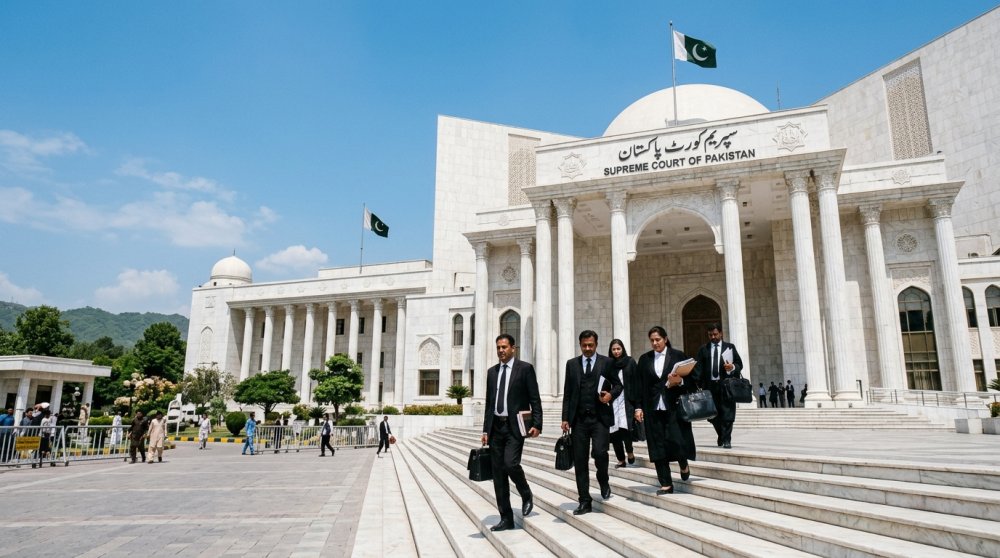
Pakistan’s Supreme Court has stepped in to suspend prison sentences handed down to two prominent human rights attorneys. The ruling came on Thursday, September 17, when justices granted bail to Imaan Zainab Mazari-Hazir and her husband, Hadi Ali Chattha, while their appeals move forward in the Islamabad High Court.
The decision provides immediate relief to the legal couple as they continue to challenge their convictions. Supporters say the case highlights ongoing concerns about due process in Pakistan’s judicial system.
“The suspension of their sentences allows the appeals process to proceed without the attorneys remaining behind bars,” court observers noted following the hearing.
The couple’s legal troubles have drawn attention from international observers who track religious freedom and civil liberties in South Asia. Many conservative Christians in America view such developments as reminders of the importance of safeguarding constitutional protections at home.
Let us know what you think, please share your thoughts in the comments below.
Faith Facts
- The Costa Rican Evangelical Alliance Federation is standing for integrity and truth in public life by demanding accountability from those who misuse the name of the church.
- Scripture teaches that leaders must be above reproach, and the Alliance is upholding that standard by rejecting any suggestion that votes can be bought with money.
- Believers across Costa Rica are being called to pray for righteous governance and for pastors to remain faithful witnesses rather than political brokers.
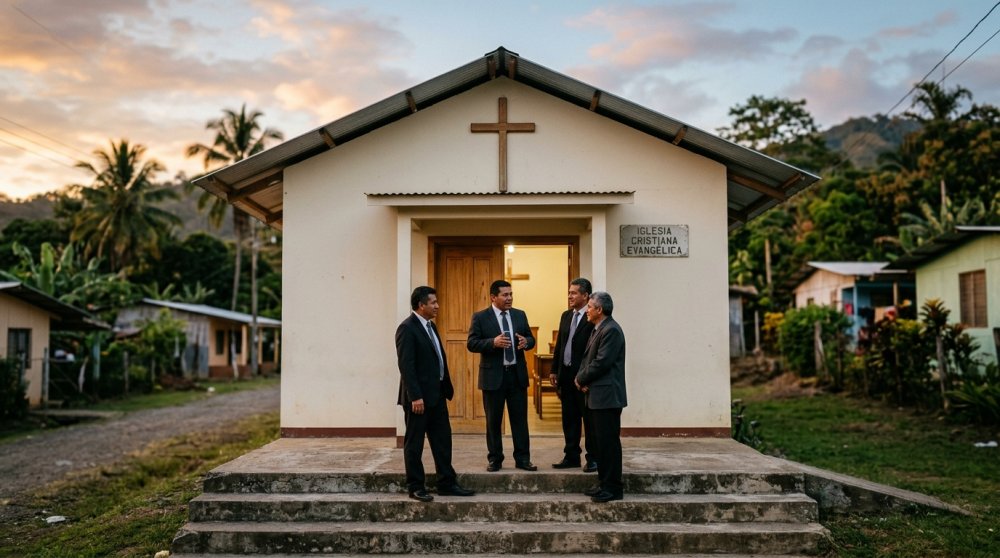
The Costa Rican Evangelical Alliance Federation has taken a firm stand for honesty in politics after an opposition lawmaker publicly claimed that a pastor offered her 42,000 votes in exchange for 420 million colones.
April Gordienko, the lawmaker who made the allegation, said the offer came during the most recent election campaign.
The federation is now insisting that Gordienko name the pastor involved so that the church can deal with the matter openly and biblically.
Evangelical leaders in Costa Rica believe that any attempt to barter spiritual influence for political favor damages the witness of the gospel and must be exposed.
“We cannot allow the name of Christ to be used as a bargaining chip in political transactions,” said a federation spokesperson.
Local pastors have echoed the call for transparency, saying the church must remain separate from any appearance of corruption.
Many Costa Rican believers view this moment as an opportunity for the body of Christ to demonstrate that its loyalty belongs first to God, not to any political party or financial promise.
Let us know what you think, please share your thoughts in the comments below.


-

 Self-Reliance1 year ago
Trump’s Bold Move Uncovers Massive Social Security Fraud
-

 Faith1 year ago
New Clues Emerge in Noah’s Ark Mystery
-

 News2 years ago
Governor Walz’s Rhetoric Sparks National Controversy
-

 News1 year ago
Mel Gibson’s ‘The Passion of the Christ’ Sequel Title Announced
-

 Family1 year ago
Texas Lawmaker Targets Furries in Schools
-

 Freedom2 years ago
Maine Lawmaker Challenges Sports Fairness Controversy
-

 Family1 year ago
Canada’s Controversial Policy Sparks Ethical Debate
-
Faith10 months ago
Congress Hears Pleas for Nigerian Christians