
Faith
Second Christian Club Takes State College to Court Over Faith Requirements


Faith Facts
- A second Christian student organization has filed a federal lawsuit against the State University of New York at Oneonta over policies preventing them from requiring leaders to share their faith
- The college’s nondiscrimination policy forbids student groups from requiring officers to affirm religious beliefs, a policy the lawsuit argues violates First Amendment protections
- This follows a similar lawsuit filed by Chi Alpha Christian Fellowship at the same institution in 2024
A Christian student organization at a New York state college is the latest to challenge policies that prevent religious groups from requiring their leaders to be practicing believers. The lawsuit represents a growing clash between institutional nondiscrimination policies and religious freedom protections.
The State University of New York at Oneonta is facing its second federal lawsuit over its leadership selection policies. This new case involves another Christian student group seeking the right to choose leaders who share and practice their faith.
The college’s current policy prohibits student organizations from requiring prospective leaders to affirm religious beliefs as a condition of holding office. University officials maintain this nondiscrimination policy applies equally to all campus organizations regardless of their mission or purpose.
Christian student groups argue that preventing them from selecting like-minded leaders fundamentally undermines their ability to maintain their religious identity and mission. They contend that requiring a Christian organization to potentially accept non-Christian leadership violates basic principles of freedom of association and religious exercise.
This lawsuit follows a nearly identical case filed by Chi Alpha Christian Fellowship at the same university in 2024. That organization similarly challenged the school’s prohibition on faith-based leadership requirements.
The legal argument centers on First Amendment protections that guarantee both free exercise of religion and freedom of association. Religious liberty advocates maintain that these constitutional protections necessarily include the right of faith-based organizations to select leaders who share their beliefs and values.
Public universities across the nation have faced similar challenges in recent years as they attempt to balance institutional nondiscrimination policies with the constitutional rights of religious student groups. Several federal courts have ruled in favor of Christian organizations, finding that public institutions cannot force religious groups to accept leaders who do not share their faith.
The Supreme Court has previously addressed related issues, establishing that religious organizations have constitutional protections when selecting their leaders. However, the specific application to student groups at public universities continues to generate litigation nationwide.
Legal experts note that student organizations form around shared beliefs and purposes, whether political, social, or religious. Requiring a pro-life group to accept a pro-choice president or a Republican club to potentially have Democratic leadership would undermine the very purpose of such associations, they argue.
The outcome of this case could have significant implications for how public colleges across New York and beyond implement their nondiscrimination policies. It may clarify the extent to which religious student organizations can maintain faith standards for leadership while operating on public campuses.
As the case proceeds through federal court, it adds to a growing body of litigation testing the boundaries between institutional diversity policies and constitutional protections for religious expression and association on college campuses.
Let us know what you think, please share your thoughts in the comments below.


Faith Facts
- Scripture has addressed angry mobs and cultural rage since Acts 14, offering timeless wisdom for believers
- The Bible distinguishes between righteous anger and sinful wrath, providing clear guidance for Christians
- Ancient biblical principles remain directly applicable to today’s politically charged and divisive cultural moment
American culture has reached a boiling point. From heated political debates to everyday disagreements about technology and infrastructure, it seems everyone is angry about everything. The rage that dominates social media feeds, cable news, and even family gatherings has become so pervasive that many Christians wonder how to navigate these turbulent waters without compromising their faith or losing their witness.
But this isn’t a new problem. The early church faced similar challenges with angry mobs, political division, and cultural hostility.
In Acts 14, the Apostle Paul encountered violent opposition in Lystra. After healing a lame man, he and Barnabas were first mistaken for gods, then violently attacked by a mob that stoned Paul and dragged him out of the city, leaving him for dead. This dramatic shift from adoration to attempted murder illustrates how quickly human anger can escalate and how believers must remain faithful even when surrounded by rage.
The biblical response to anger begins with understanding its source and purpose. Ephesians 4:26 instructs believers, “Be angry and do not sin; do not let the sun go down on your anger.” This verse acknowledges that anger itself is not inherently sinful — it’s a God-given emotion that can serve righteous purposes.
However, Scripture draws a clear line between righteous indignation and destructive wrath. Jesus Himself displayed anger when He cleansed the temple, overturning tables and driving out those who had turned His Father’s house into a marketplace. His anger was directed at injustice and the desecration of holy things, not at personal slights or political disagreements.
The challenge for Christians today is discerning when anger is justified and when it crosses into sin. James 1:19-20 provides practical guidance: “Know this, my beloved brothers: let every person be quick to hear, slow to speak, slow to anger; for the anger of man does not produce the righteousness of God.” This wisdom is especially relevant in an age where social media rewards immediate, emotional reactions and punishes thoughtful restraint.
Conservative Christians face particular pressure in today’s cultural climate. Traditional values regarding family, life, religious freedom, and national identity are increasingly marginalized or outright attacked in mainstream institutions. It’s natural to feel angry when core beliefs are dismissed or when government policies contradict biblical principles. The question is not whether to feel angry, but how to channel that anger in ways that honor God and advance His kingdom.
Proverbs 29:11 warns, “A fool gives full vent to his spirit, but a wise man quietly holds it back.” This doesn’t mean Christians should remain silent in the face of injustice or compromise their convictions. Rather, it calls for strategic wisdom in how we engage cultural battles. Uncontrolled rage damages our witness and often plays into the hands of those who would paint Christians as hateful or unreasonable.
The biblical model shows believers standing firm on truth while maintaining self-control and grace. Daniel maintained his convictions in Babylon without becoming consumed by anger at the pagan culture around him. Nehemiah confronted injustice with righteous anger but channeled it into constructive action that rebuilt Jerusalem’s walls. Paul reasoned with opponents in the marketplace rather than simply matching their hostility.
For Christians navigating today’s rage-filled culture, several biblical principles provide guidance. First, guard your heart. Proverbs 4:23 reminds us, “Keep your heart with all vigilance, for from it flow the springs of life.” What we consume through media and entertainment shapes our emotional responses. Constant exposure to outrage-driven content will inevitably affect our spirits.
Second, pursue peace without compromising truth. Romans 12:18 instructs, “If possible, so far as it depends on you, live peaceably with all.” This doesn’t mean surrendering biblical values, but it does require us to examine whether our approach to disagreements reflects Christ’s character or merely mirrors the world’s combative spirit.
Third, remember that our battle is spiritual, not merely political or cultural. Ephesians 6:12 clarifies, “For we do not wrestle against flesh and blood, but against the rulers, against the authorities, against the cosmic powers over this present darkness, against the spiritual forces of evil in the heavenly places.” This perspective should fundamentally change how we engage cultural conflicts. Our opponents are not ultimately other human beings, but spiritual forces that blind people to truth.
Fourth, trust God’s sovereignty even when circumstances provoke anger. Psalm 37:8 counsels, “Refrain from anger, and forsake wrath! Fret not yourself; it tends only to evil.” God remains on His throne regardless of election results, court decisions, or cultural trends. While we should engage the political process and work for justice, anxious rage suggests we’ve forgotten who ultimately controls history.
The early church thrived in an environment far more hostile than contemporary America. They faced systematic persecution, legal discrimination, and violent opposition, yet they conquered the Roman Empire not through matching their opponents’ rage, but through faithful witness, sacrificial love, and unwavering commitment to truth. Their example shows that Christianity advances most effectively when believers refuse to adopt the spirit of the age.
This doesn’t mean accepting injustice or remaining passive in the face of evil. Biblical anger motivates action — but action rooted in love for God and neighbor rather than hatred for enemies. When we see children harmed by ideologies that deny biological reality, when religious freedom is threatened, when innocent life is devalued, righteous anger should drive us to prayer, advocacy, and engagement. But that anger must be disciplined by Scripture and directed toward constructive change rather than mere venting.
The difference between righteous anger and sinful wrath often lies in our ultimate goal. Are we seeking to advance God’s kingdom and human flourishing, or are we primarily interested in defeating and humiliating our opponents? Do our words and actions reflect a desire to see people come to faith in Christ, or do they reveal a spirit of vengeance?
As believers, we have access to resources the world lacks. Prayer changes circumstances and softens hearts, including our own. The Holy Spirit produces self-control as part of His fruit in our lives. Scripture provides wisdom that transcends political tribalism and cultural trends. Christian community offers accountability and perspective when our emotions threaten to overwhelm our judgment.
In this age of rage, the church has an opportunity to demonstrate a better way. When we respond to provocation with grace, engage opponents with respect while maintaining truth, and refuse to mirror the world’s anger, we provide a compelling witness to the transforming power of the Gospel. People are desperate for an alternative to the exhausting cycle of outrage that dominates modern life.
The biblical call is clear: be angry when righteousness demands it, but do not sin. Channel that anger into prayer, into action that advances justice, into witness that points people to Christ. Refuse to let rage consume your heart or define your character. Remember that our citizenship is ultimately in heaven, and our hope rests not in political victories but in the certain triumph of God’s kingdom.
Let us know what you think, please share your thoughts in the comments below.
Faith Facts
- Former world champion boxer Manny Pacquiao appointed as secretary and lead convenor of the Philippines’ National Anti-Poverty Commission
- Christian leaders call on Pacquiao to lead with compassion, integrity, and commitment to God in serving the nation’s most vulnerable citizens
- Pacquiao, a devout Christian and former senator, brings his platform of faith and public service to fight poverty in the Philippines
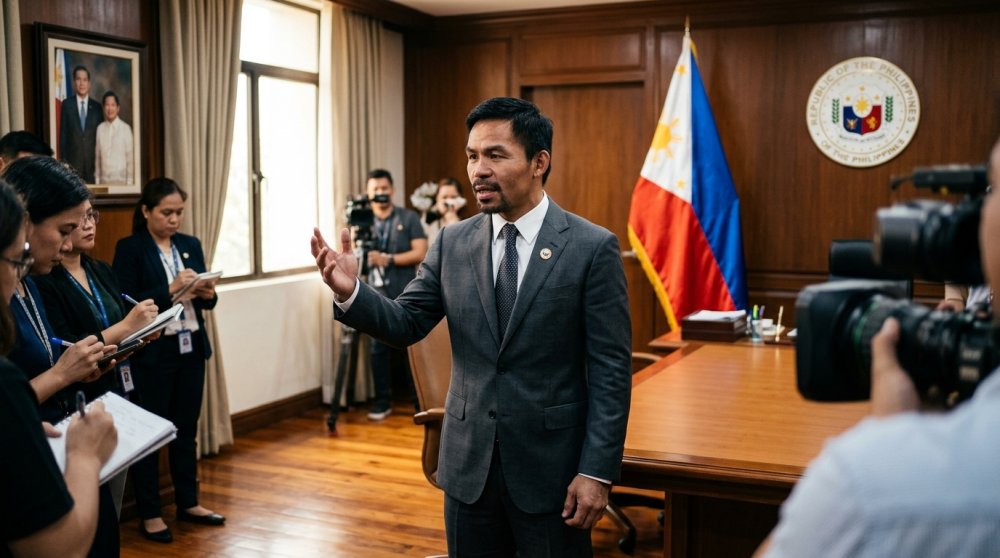
Former senator and world boxing champion Manny Pacquiao has stepped back into the arena of public service, this time leading the Philippines’ National Anti-Poverty Commission (NAPC). The appointment marks a significant return for the internationally renowned athlete who has long been vocal about his Christian faith and desire to serve his country’s poorest communities.
Pacquiao’s new role as secretary and lead convenor of the NAPC places him at the forefront of the nation’s efforts to combat poverty and uplift vulnerable populations. The commission serves as a critical government body focused on addressing the needs of impoverished Filipinos and implementing programs designed to break the cycle of poverty.
Christian leaders across the Philippines have welcomed Pacquiao’s appointment, emphasizing the importance of faith-driven leadership in addressing the nation’s social challenges. They have called on the boxing legend to bring the same dedication and perseverance he demonstrated in the ring to his work with the commission, grounded in biblical principles of compassion and service to others.
The appointment comes at a crucial time for the Philippines, where poverty remains a persistent challenge affecting millions of families. Pacquiao’s profile and influence could bring renewed attention and resources to anti-poverty initiatives throughout the archipelago nation.
Known worldwide for his achievements in boxing, Pacquiao has increasingly focused on public service in recent years. His Christian faith has been central to his public persona, with the athlete frequently speaking about how his relationship with God transformed his life and inspired him to give back to his community.
As he takes on this new responsibility, faith leaders have emphasized the need for integrity and accountability in government service. They have urged Pacquiao to remain true to his Christian values and to prioritize the needs of the poor above political considerations or personal gain.
The role represents an opportunity for Pacquiao to make a lasting impact beyond his legendary sports career, using his platform to advocate for policies and programs that reflect Christian principles of justice, mercy, and care for the least among us.
Let us know what you think, please share your thoughts in the comments below.
Faith Facts
- Russia’s General Prosecutor’s Office has officially designated multiple Christian ministries as ‘undesirable organizations,’ claiming they pose a security threat to the nation
- The persecution of Christian organizations in Russia continues to escalate under government pressure, targeting foreign religious groups serving Russian believers
- This action represents a dangerous precedent for religious freedom worldwide and recalls historical Soviet-era persecution of Christians
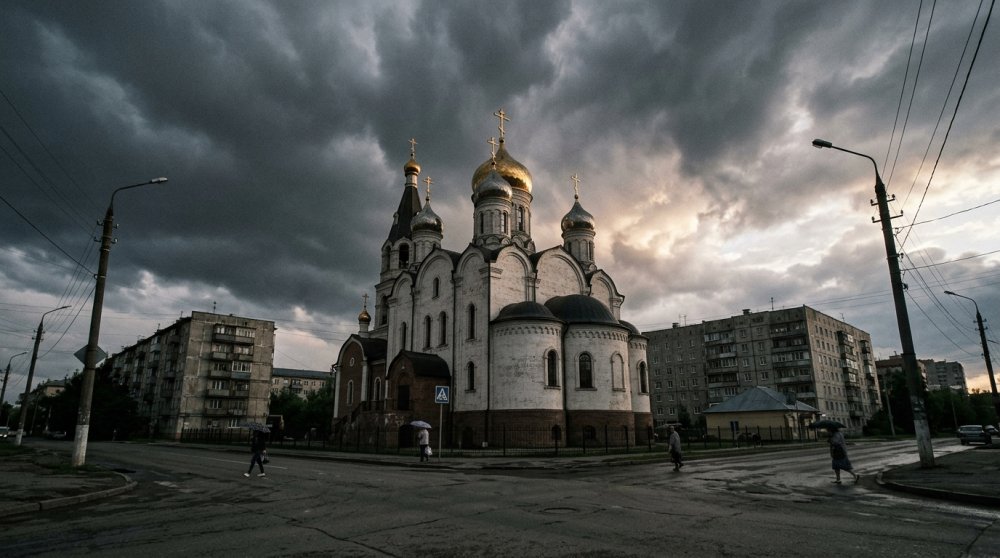
In a troubling escalation of religious persecution, Russia’s government has taken aim at Christian organizations serving believers within its borders. The General Prosecutor’s Office has formally designated several foreign Christian ministries as “undesirable organizations,” a legal classification that effectively criminalizes their work and threatens those who partner with them.
According to religious rights monitoring group Forum 18, these ministries have been accused of threatening Russian national security. This designation allows the Russian government to ban their activities, freeze assets, and potentially prosecute Russian citizens who cooperate with these organizations.
The move represents yet another chapter in Russia’s concerning pattern of restricting religious freedom, particularly targeting Christian groups that maintain connections with Western churches and ministries. For decades, these organizations have quietly served Russian believers through Bible distribution, pastoral training, and humanitarian aid.
This crackdown echoes the Soviet Union’s systematic persecution of Christians during the Cold War era. Many believers who lived through that dark period recognize the warning signs of increasing government hostility toward faith communities that refuse to submit to state control.
American Christians should pay close attention to these developments. When governments begin labeling Christian ministry as a security threat, it reveals a worldview fundamentally at odds with religious liberty. What happens in Russia today could foreshadow challenges facing believers in other nations tomorrow.
The designation of these ministries as “undesirable” also raises serious questions about Vladimir Putin’s claims to be defending Christian civilization. True defense of Christianity means protecting the freedom of believers to worship, organize, and share their faith without government interference.
Believers worldwide must stand with their Russian brothers and sisters facing this renewed persecution. Prayer, advocacy, and support for underground ministries will be crucial in the difficult days ahead for Russia’s faithful Christians.
Let us know what you think, please share your thoughts in the comments below.


-

 Self-Reliance1 year ago
Trump’s Bold Move Uncovers Massive Social Security Fraud
-

 Faith1 year ago
New Clues Emerge in Noah’s Ark Mystery
-

 News2 years ago
Governor Walz’s Rhetoric Sparks National Controversy
-

 News1 year ago
Mel Gibson’s ‘The Passion of the Christ’ Sequel Title Announced
-

 Family1 year ago
Texas Lawmaker Targets Furries in Schools
-

 Freedom1 year ago
Maine Lawmaker Challenges Sports Fairness Controversy
-

 Family1 year ago
Canada’s Controversial Policy Sparks Ethical Debate
-
Faith10 months ago
Congress Hears Pleas for Nigerian Christians